Quick Facts
- Effective Expansion Date: July 1, 2026 (Medicare GLP-1 Bridge program)
- Current Eligibility: BMI ≥27 plus established cardiovascular disease
- Monthly Copay (Post-July 2026): Fixed $50 for eligible beneficiaries
- 2025 Part D Cap: $2,000 annual maximum out-of-pocket spending
- Approved Forms: Both injection and oral/pill formulations covered
- Success Rate: 80% success rate for Medicare Advantage appeals when documented correctly
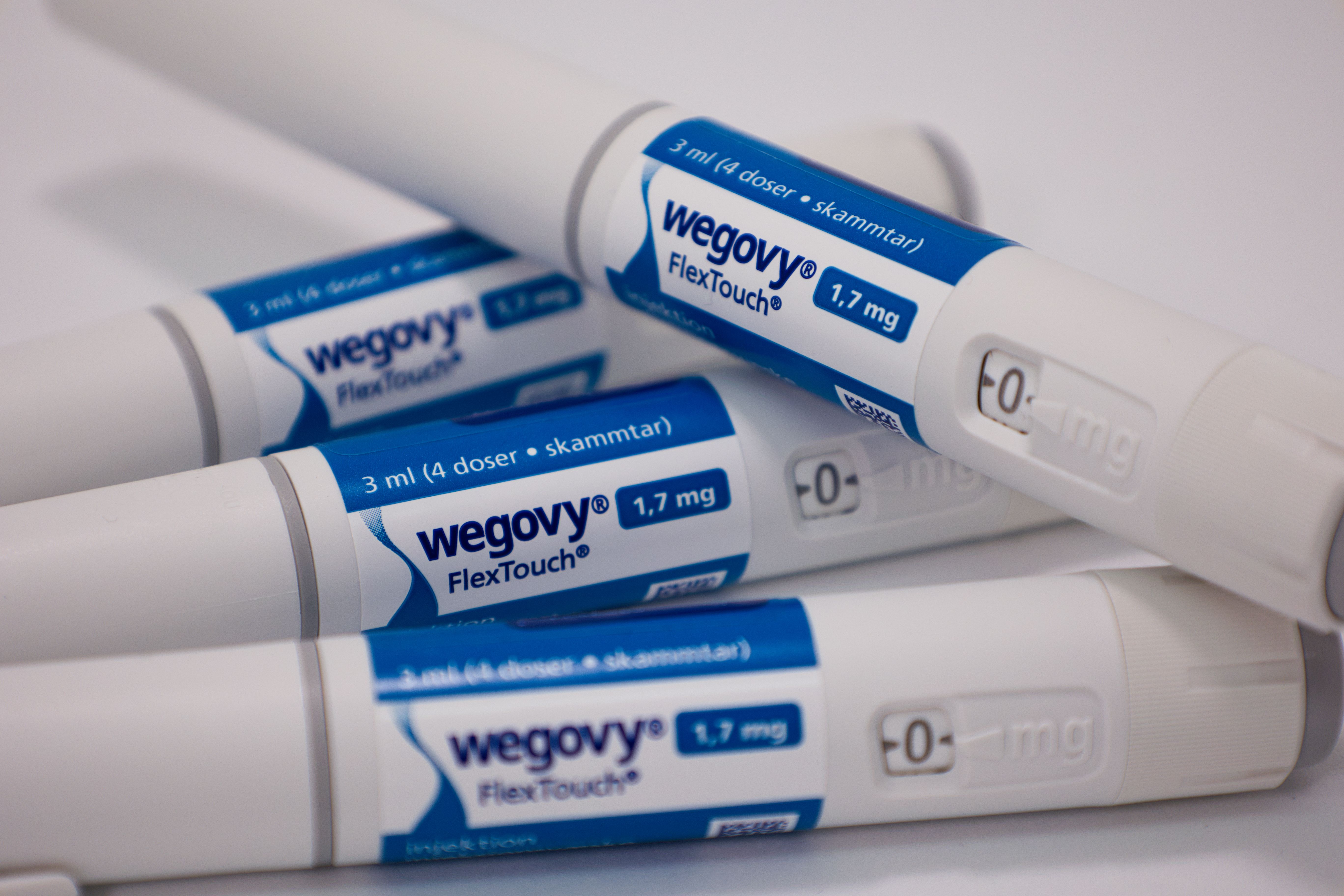
Medicare Part D plans cover Wegovy specifically for beneficiaries with established cardiovascular disease and a BMI of 27 or higher to reduce the risk of major adverse cardiovascular events. While Medicare has traditionally excluded drugs for weight loss alone, the Medicare GLP-1 Bridge program is scheduled to expand access for chronic weight management starting July 1, 2026, and will run through the end of 2027.
The Cardiovascular 'Loophole': Current Coverage Criteria
For years, the landscape of men’s health has been hampered by a 2003 provision in the Social Security Act that explicitly prohibited Medicare from covering weight loss drugs. However, the game changed in March 2024. The FDA expanded the approved use of Wegovy, a semaglutide injection, to include reducing the risk of cardiovascular death, heart attack, and stroke in adults with heart disease who are overweight or obese. This regulatory shift essentially created a bridge for Wegovy Medicare coverage that bypasses the old exclusions.
This change was primarily driven by the SELECT clinical trial. The study demonstrated that semaglutide significantly reduced the risk of Major Adverse Cardiovascular Events (MACE) by 20% in patients with established heart disease. Because Medicare is allowed to cover drugs for medically accepted indications other than weight loss, the CMS guidelines now permit Part D plans to include Wegovy on their formularies—provided the primary reason for the prescription is heart health, not just shedding pounds.
To qualify under these current rules, you must meet the Medicare Wegovy cardiovascular eligibility criteria. This includes having a documented history of cardiovascular issues, such as a previous heart attack, stroke, or peripheral arterial disease, combined with a BMI of 27 or higher. It is a vital distinction: Medicare coverage for Wegovy without diabetes is now a reality, but only if your heart is at risk. This is different from Ozempic, which Medicare covers specifically for Type 2 diabetes. If you are seeking Medicare Wegovy cardiovascular eligibility, your physician must frame the treatment as a preventive measure for heart failure or stroke prevention rather than a cosmetic or purely weight-related intervention.
Following the March 2024 FDA approval of Wegovy for cardiovascular risk reduction, an estimated 3.6 million Medicare beneficiaries, or approximately 7% of all enrollees, have become potentially eligible for coverage under Medicare Part D. This represents a massive shift in preventive care for aging men who have historically struggled to access these high-cost GLP-1 medications.
The 2026 Pivot: Medicare GLP-1 Bridge Program
While the cardiovascular indication is a significant win, it still leaves millions of men who suffer from obesity—but do not yet have established heart disease—in a difficult spot. The next major milestone is the Wegovy Medicare expansion 2026 implementation timeline. The federal government has announced the Medicare GLP-1 Bridge program, designed to broaden access to these medications for chronic weight management without the strict requirement of a secondary cardiovascular diagnosis.
The rollout is planned in phases to ensure the system can handle the influx of new patients. The implementation begins with a Medicaid pilot program in May 2026. Shortly after, the Medicare expansion officially launches on July 1, 2026. By January 2027, the program is expected to reach full implementation across all U.S. states and territories. This program is a direct response to the growing clinical consensus that obesity is a primary disease that requires long-term medical management, rather than a lifestyle choice.
One of the most attractive features of this expansion is the Wegovy Medicare Part D copay amount 2026. Starting in July 2026, eligible beneficiaries will see a standardized copay of $50 per month. This is a dramatic reduction from current out-of-pocket costs and aims to make long-term vitality and preventive care accessible to more people. The Medicare GLP-1 Bridge program eligibility rules will also encompass both the traditional injection and the newer pill formulations, providing more flexibility for men who may be needle-averse.
Navigating the Wegovy Prior Authorization Process
Even with the new rules, getting your prescription filled is not as simple as walking into a pharmacy. The Wegovy prior authorization process remains a significant hurdle. Medicare Part D and Medicare Advantage (MA) plans use prior authorization to ensure that the medication is being used for its FDA-approved, Medicare-covered indications. If your doctor submits a script solely with an obesity code (like E66.9), it will likely be denied immediately.
To successfully navigate this, you need to follow the specific steps for Wegovy prior authorization for Medicare. The primary diagnosis must use an ICD-10 code related to cardiovascular risk. For example, using ICD-10 codes for Wegovy Medicare heart risk like I25.10 (Atherosclerotic heart disease of native coronary artery) or I21.3 (ST elevation myocardial infarction) is often necessary for approval.
Required Prior Authorization Documentation
- Cardiology Records: Clinical evidence of established cardiovascular disease (e.g., EKG, stress test results, or history of bypass surgery).
- Recent BMI Data: BMI requirements for Medicare Wegovy reimbursement dictate that a current BMI must be recorded within the last 30 days.
- Medical Necessity Letter: A detailed medical necessity letter for Wegovy Medicare from your provider explaining why this specific medication is required over cheaper alternatives.
- Lifestyle Modification Proof: Documentation confirming that you are participating in ongoing lifestyle modifications, such as a structured diet and exercise program.

Many patients find that Medicare Advantage (MA) plans have an appeal success rate of nearly 80% when the initial denial is challenged with comprehensive cardiology records. If you receive a denial, don't give up. Work with your provider to ensure the paperwork emphasizes "risk reduction" rather than "weight loss."
Cost Breakdown: 2025 Caps vs. 2026 Bridge
Understanding the Medicare Part D Wegovy cost is essential for financial planning. Currently, Wegovy has a list price of approximately $1,300 per month. Because it is often placed on higher formulary tiers (Tier 4 or Tier 5), your initial costs can be steep. Medicare beneficiaries using Wegovy for its cardiovascular indication could face monthly out-of-pocket costs between $325 and $430 before reaching the annual spending cap.
The good news is that the Inflation Reduction Act is significantly lowering these costs even before the 2026 bridge program begins. Under the Inflation Reduction Act, the annual out-of-pocket maximum for prescription drugs for Medicare Part D enrollees is set at approximately $3,300 in 2024 and will decrease to $2,000 starting in 2025. Once you hit this cap, your covered medications, including Wegovy, will have $0 out-of-pocket costs for the remainder of the year.
| Feature | Current Coverage (2024-2025) | 2026 GLP-1 Bridge Program |
|---|---|---|
| Primary Requirement | Heart Disease + BMI ≥27 | Chronic Weight Management |
| Monthly Copay | Varies (often $325+) | Fixed $50 |
| Annual OOP Cap | $2,000 (starting 2025) | Standard Part D Rules |
| Formulary Tier | Usually Tier 4 or 5 | Standardized Access |
When the 2026 program starts, the financial burden shifts from an annual "race to the cap" to a predictable monthly expense. For many men on a fixed income, a $50 copay is the difference between starting a longevity-focused health regimen and being priced out of the market. It is also important to note that while Medigap plans do not cover prescription drug costs, they can help with the 20% coinsurance for doctor visits related to monitoring your Wegovy treatment.
FAQ
Does Medicare cover Wegovy for weight loss?
Currently, Medicare does not cover Wegovy if the sole purpose is weight loss due to a 2003 statutory exclusion. However, it is covered if prescribed to reduce cardiovascular risk in patients with a BMI of 27 or higher. Starting July 1, 2026, the Medicare GLP-1 Bridge program will expand coverage specifically for chronic weight management.
How much does Wegovy cost with Medicare Part D?
Until the end of 2024, costs vary based on your specific plan's deductible and tier placement, often ranging from $325 to over $400 monthly. In 2025, the total annual out-of-pocket drug cost for all medications is capped at $2,000. Starting in mid-2026, the cost for Wegovy is expected to drop to a fixed $50 monthly copay for those in the expansion program.
Is Wegovy covered by Medicare for heart conditions?
Yes, since the FDA approved Wegovy for the reduction of Major Adverse Cardiovascular Events (MACE) in March 2024, Medicare Part D plans are permitted to cover it. You must have a documented cardiovascular diagnosis and a BMI of at least 27 to meet the current criteria.
What are the eligibility requirements for Wegovy coverage under Medicare?
Under current rules, you need a BMI of 27 or higher and established cardiovascular disease (such as coronary artery disease or a history of stroke). In 2026, eligibility will expand to include chronic weight management for those meeting specific BMI thresholds, even without a primary heart condition.
How can I get Medicare to pay for Wegovy?
Your doctor must submit a prior authorization request that includes your cardiovascular history and an appropriate ICD-10 code. It is essential to provide documentation of your BMI from within the last 30 days and evidence that you are also following a diet and exercise plan. If denied, you should pursue an appeal focusing on the medical necessity for heart health.
Proactive Steps for Your Longevity Journey
The landscape of Wegovy Medicare coverage is evolving rapidly. For men focused on longevity and preventive care, these changes represent a once-in-a-generation opportunity to access transformative medical technology. If you currently have a history of heart issues, don't wait for 2026. Schedule a meeting with your cardiologist now to discuss whether you meet the current cardiovascular eligibility criteria.
If you do not have heart disease but are struggling with obesity-related health issues, use the time between now and the July 1 expansion to document your weight loss efforts. Establishing a medical paper trail of lifestyle modifications and BMI readings will make the 2026 prior authorization process much smoother. Stay proactive, stay informed, and remember that advocating for your health is the most effective longevity strategy you have.