Quick Facts
- Caloric Boost: Adding a 15% bodyweight load to your walk increases caloric expenditure by approximately 12%.
- Bone Health: This gear provides essential progressive axial loading on the spine and hips to fight bone loss.
- Metabolic Impact: Research shows an 8-week program can improve insulin resistance by as much as 27.1%.
- Safety Limit: Experts recommend a standard cap of 10% of total bodyweight for most fitness activities.
- Starting Weight: Beginners should start with as little as 5 lbs or 1% to 2% of body weight for high-risk users.
- Market Growth: The global weighted vest market is valued at $265 million in 2024, reflecting a massive shift toward functional fitness.
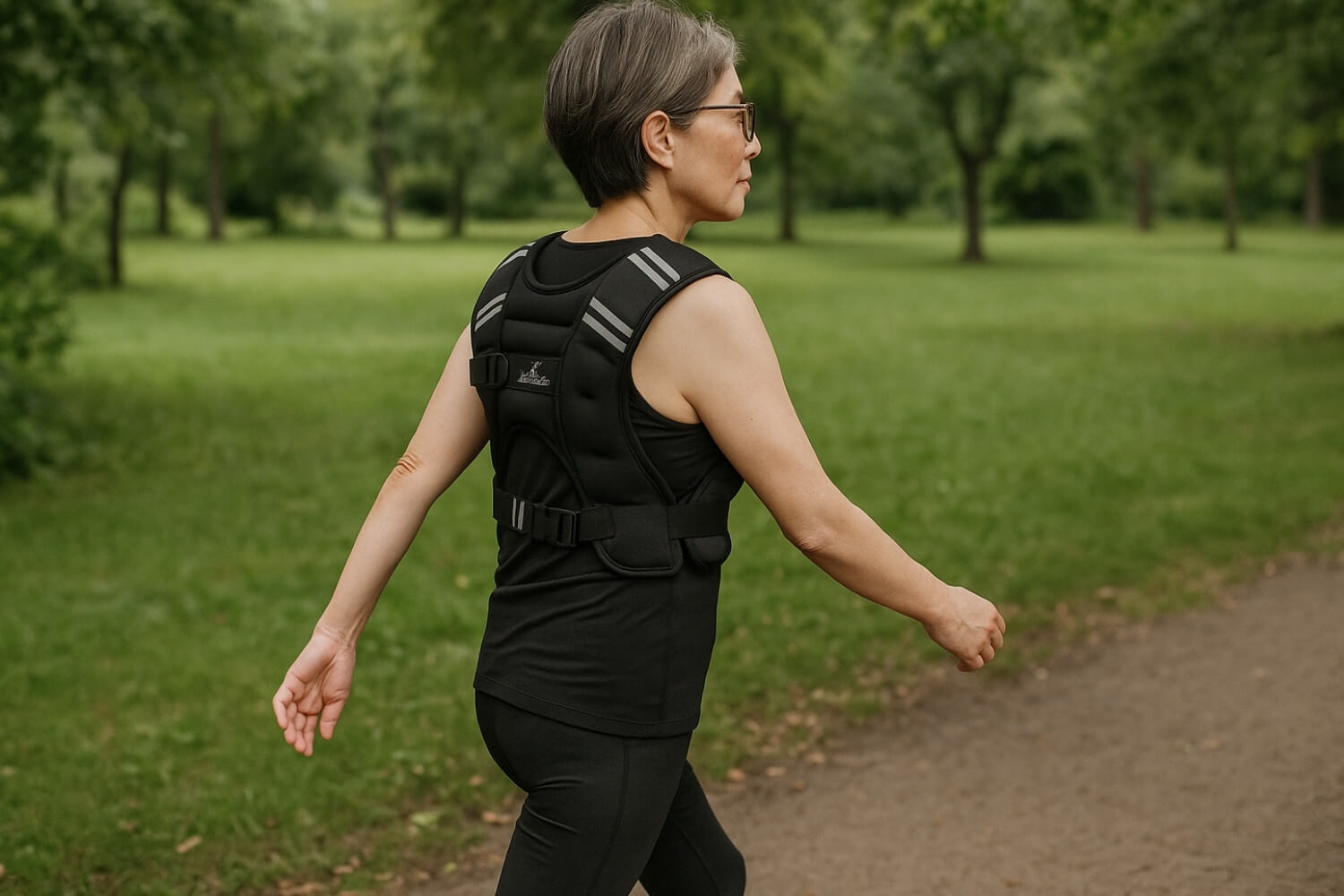
Using a weighted vest provides significant fitness benefits by increasing resistance during bodyweight movements and cardio. This extra load enhances cardiovascular conditioning, boosts caloric expenditure for weight loss, and promotes progressive overload for muscle growth. Additionally, weighted vests are effective for improving bone density and core stability, as the added weight requires greater balance and load-bearing effort from the skeletal system.

The Science of Loading: Bone Density and Metabolism
In my years as an editor and trainer, I have seen plenty of fitness fads disappear by February. However, the surge in popularity of weighted vest training is backed by rigorous physiological data. At its core, wearing a vest utilizes the principle of progressive axial loading. By placing weight over your shoulders and torso, you are stimulating the skeletal system in a way that traditional gym machines cannot replicate. This mechanical stimulation is vital for triggering osteoblast activity, the process where your body builds new bone tissue.
The metabolic advantages are equally impressive. We are seeing a significant shift in how people approach fat loss and metabolic health. According to a 2024 study by Korea University, participants in a weighted vest circuit training program saw insulin resistance improve by 27.1% and skeletal muscle mass increase by 7.5% over just eight weeks. This suggests that the vest is not just about burning more calories during the move; it is about fundamentally changing how your body processes energy and maintains lean tissue.
Beyond the insulin data, the weighted vest benefits for bone density are a primary reason I recommend this gear to older athletes and those concerned about osteoporosis. When you walk or perform functional fitness movements with a vest, you are applying a vertical load that strengthens the spine and hips. It is important to distinguish the forces involved here; while walking with a vest is a controlled load-bearing activity, running doubles the impact forces on your joints. This makes it an incredibly potent tool for cardiovascular conditioning, provided you understand how to manage the intensity.
Gear Guide: How to Choose a Weighted Vest for Your Activity
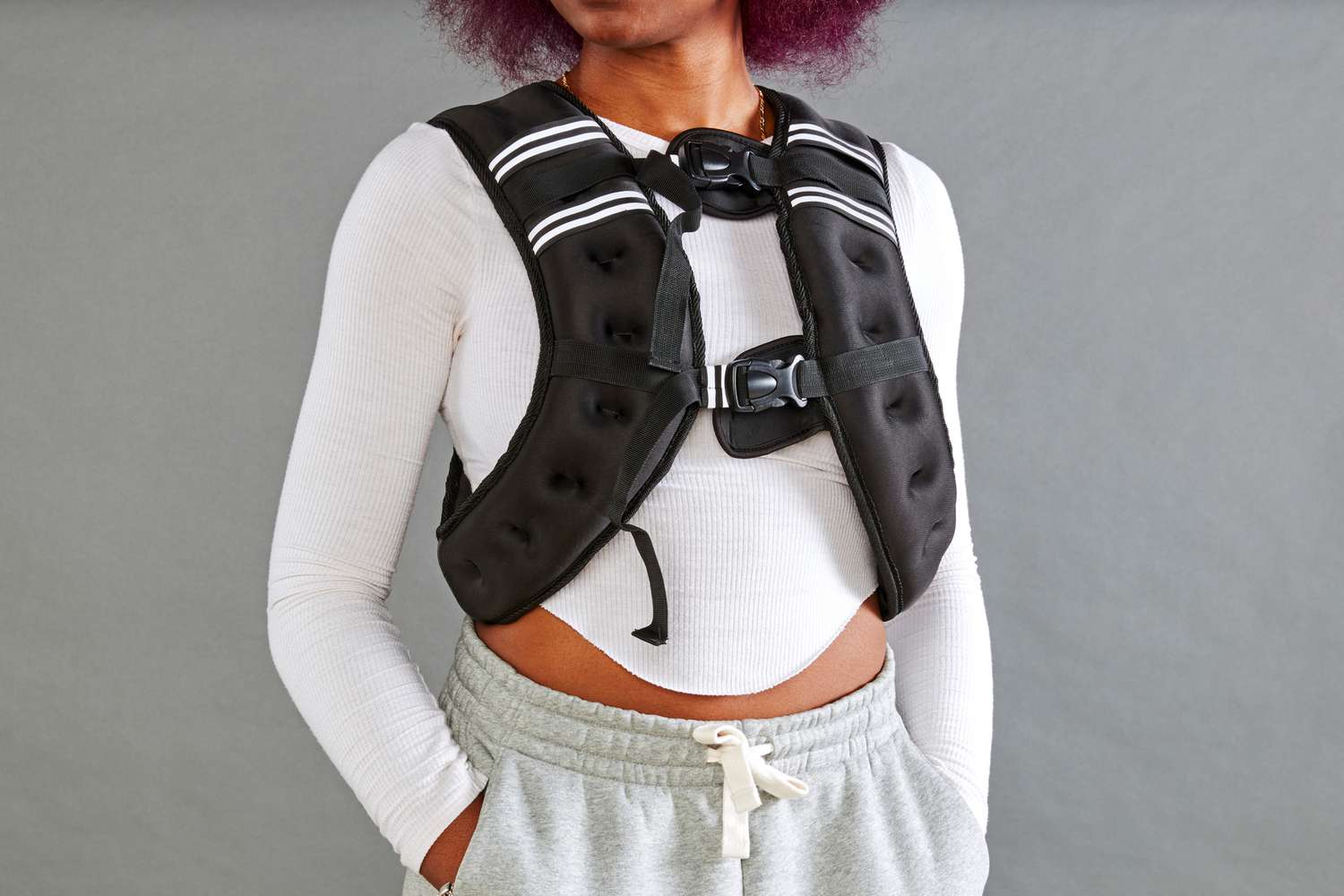
When readers ask me how to choose a weighted vest, I always start with a question: what is your primary goal? The market has evolved far beyond the bulky, one-size-fits-all blocks of the past. The global weighted vest market was valued at approximately $265 million in 2024, and that growth has led to highly specialized designs.
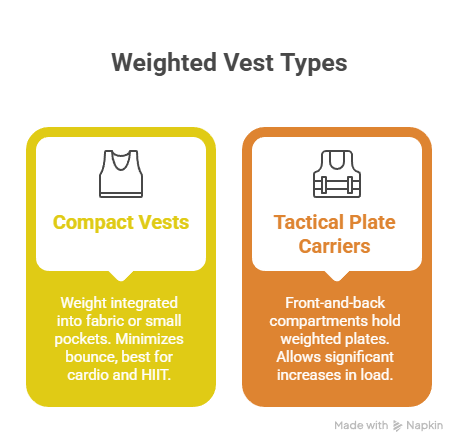
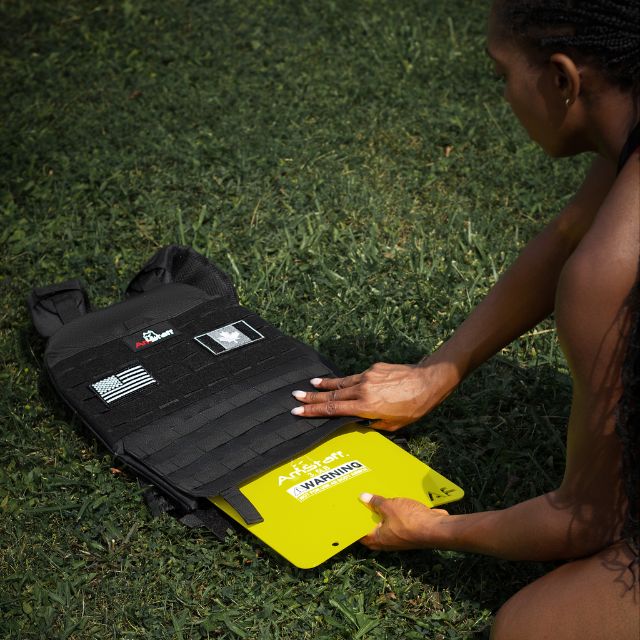
If you are looking for a weighted vest for running, you need to prioritize bounce control and breathability. These are usually made from neoprene or thin nylon and use small iron pellets or sand for weight distribution. They sit high on the chest to allow for full lung expansion and prevent the vest from hitting your hips while you stride. On the other hand, if your focus is on rucking or heavy resistance training, a tactical plate carrier made from ballistic nylon is the gold standard. These vests allow you to insert heavy steel plates, offering a much higher ceiling for progressive overload.
| Feature | Compact / Neoprene Vest | Tactical / Ballistic Plate Carrier |
|---|---|---|
| Best For | Running, HIIT, Walking | Strength Training, Rucking, Murph WODs |
| Weight Material | Iron sand or small steel shot | Solid steel or cast iron plates |
| Adjustability | Moderate (removable small bags) | High (swappable plates) |
| Comfort | High (soft edges, breathable) | Medium (requires thick shoulder padding) |
| Durability | Moderate | Extreme (abrasion resistant) |
One crucial detail often overlooked is shoulder padding. If you plan on carrying loads greater than 20 lbs, look for straps that are at least two inches wide with dense foam. This prevents the weight from pinching nerves or cutting off circulation during longer sessions of cardiovascular conditioning. Additionally, consider an adjustable vs fixed weight vest for home gym setups; adjustable models allow you to scale your workout as your muscular endurance improves, whereas fixed vests limit your growth.
The 10% Rule: Safety Tips and Weight Selection
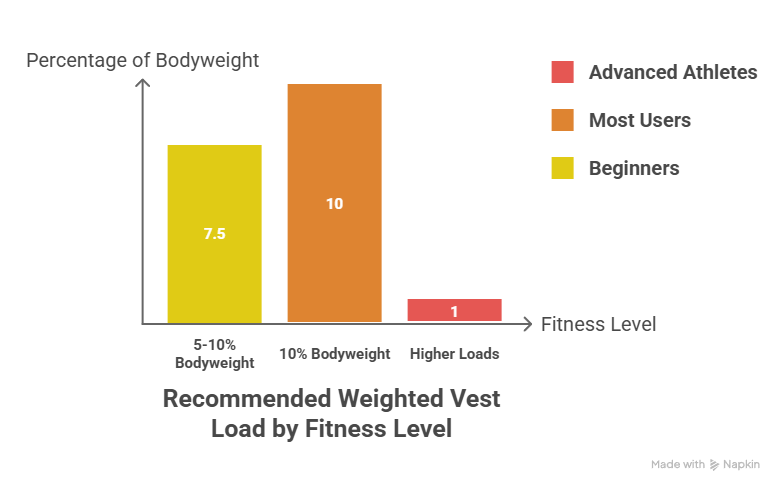
The most common mistake I see in the gym is "ego-loading." Just because you can squat 300 lbs doesn't mean you should start your weighted vest journey with a 50 lb plate carrier. For safety tips for weighted vest strength training, I always advocate for the 10% rule. This means your vest should initially weigh no more than 10% of your total body weight. This threshold protects your connective tissues and joints from the sudden increase in load-bearing activity.
For a beginner weighted vest weight for beginners percentage, I actually suggest starting even lower—around 5% of your body weight. This allows your nervous system to adapt to the change in your center of gravity. When you do decide to increase the weight, use a micro-loading strategy. Add no more than 2 to 5 lbs at a time. This gradual approach to progressive overload ensures that your posture alignment remains perfect. If you find yourself leaning forward or arching your back to support the vest, the weight is too heavy.
Safety Checklist: The 10% Protocol
- Weight Limit: Start at 5-10% of your body weight.
- Duration: Begin with 10 to 15-minute sessions.
- Posture: Maintain a neutral spine; do not let the vest pull your shoulders forward.
- Joint Check: If you feel sharp pain in the knees or lower back, remove the vest immediately.
- Increment: Only add 2 lbs (or the smallest available increment) once the current weight feels "easy" for three consecutive sessions.
Getting Started: Beginner Weighted Vest Workout Routine
If you are ready to integrate this into your life, don't feel like you need to jump into a high-intensity circuit immediately. The easiest way to start is walking with a weighted vest for weight loss. Simply wearing the vest during a 20-minute brisk walk around the neighborhood or even while performing household chores can significantly raise your metabolic rate. This low-impact entry point builds the foundational muscular endurance needed for harder training.
As you get comfortable, you can move into a beginner weighted vest workout routine that focuses on functional movements. I recommend a simple circuit performed three times a week:
- Vest Walking: 10 minutes (focus on heel-to-toe strike and upright posture).
- Box Squats: 3 sets of 12 reps (the vest adds resistance training benefits without the need for a barbell).
- Alternating Lunges: 3 sets of 10 reps per leg (improves core stability and balance).
- Plank: 3 sets of 30 seconds (the vest increases the demand on your anterior core).
Throughout this routine, pay close attention to your hydration. Because the vest adds insulation to your torso and increases the intensity of the work, your body temperature will rise faster than usual. Increased fluid loss is a guarantee, so drink water before, during, and after your session. We are seeing a major trend in accessibility here; women's weighted vest sales jumped by more than 50% in a recent 12-month period, reaching $27 million. This proves that athletes of all backgrounds are finding value in this straightforward, effective tool.
FAQ
What are the primary benefits of wearing a weighted vest?
Wearing a vest increases the resistance of every movement you make. The primary weighted vest benefits include improved cardiovascular conditioning, higher caloric expenditure for weight loss, and increased bone density through axial loading. It also forces your core muscles to work harder to maintain balance and posture alignment, leading to better functional fitness.
Is it safe to walk with a weighted vest every day?
For most healthy individuals, walking with a weighted vest is safe, provided you follow the 10% rule. However, I recommend starting with two to three days a week to allow your joints and muscles to recover. Overuse can lead to strain in the lower back or knees, so listen to your body and ensure you are not sacrificing form for frequency.
Does wearing a weighted vest help with weight loss?
Yes, it is a highly effective tool for weight loss. By adding extra mass to your body, you increase the metabolic cost of movement. This means you burn more calories performing the same walk or workout than you would at your standard body weight. Additionally, the increase in skeletal muscle mass helps raise your resting metabolic rate over time.
How heavy should my weighted vest be for beginners?
A beginner should aim for a vest that is 5% to 10% of their total body weight. If you weigh 150 lbs, a 7.5 lb to 15 lb vest is the ideal starting point. It is always better to start too light and gradually increase the weight than to start too heavy and risk an injury that sets your training back weeks.
Can a weighted vest improve bone density?
The weighted vest for bone density is a scientifically supported concept. By providing a vertical load on the skeletal system, the vest stimulates the bones to become denser and stronger. This is particularly beneficial for the spine and hips, which are common areas for bone loss as we age.
Are weighted vests bad for your back or knees?
They are not inherently bad, but improper use can cause issues. If the vest is too heavy or poorly fitted, it can lead to compressed spinal discs or increased joint shear in the knees. This is why a proper weighted vest fit guide to prevent chafing and ensuring the weight is distributed evenly across the torso is essential for long-term safety.
The weighted vest is more than just a piece of gear; it is a versatile partner in your 2024 fitness journey. Whether you are walking for weight loss, training for a Spartan race, or simply trying to keep your bones strong, the key is to start light, stay consistent, and focus on the quality of your movement. If you have questions about which vest fits your specific goals, drop a comment below—I’d love to help you get started.