Quick Facts
- Scientific Efficacy: Research shows that colloidal oatmeal improves skin symptoms in as many as 96% of patients.
- Topical Powerhouse: A 0.5% aloe vera extract cream can achieve a clinical cure rate of 83.3% for skin plaques.
- Dosage Guide: For systemic inflammation, the recommended daily intake of turmeric is 1.5–3 grams.
- Bath Protocol: Limit therapeutic soaking to 15 minutes in lukewarm water to prevent further skin dehydration.
- Moisture Locking: To ensure skin barrier repair, apply moisturizing emollients within 3 minutes of exiting the shower.
- Dietary Trigger: Common dietary triggers that may worsen an autoimmune response include gluten, dairy, and refined sugars.
Effective natural psoriasis remedies include daily moisturizing with thick emollients like coconut oil and taking soothing baths with colloidal oatmeal or Epsom salts. These practices help repair the skin barrier, soften scales, and alleviate the intense itching associated with flare-ups. Managing psoriasis symptoms naturally also involves lifestyle adjustments such as adopting an anti-inflammatory diet rich in omega-3 fatty acids, turmeric, and leafy greens.
Soothing the Itch: Bath-Based Home Treatments for Psoriasis Flares
If you have ever experienced the relentless itch of a flare-up, you know that finding immediate relief is the first priority. At its core, psoriasis is a condition where the skin cells renew too quickly, leading to the buildup of plaques. We often find that the most effective way to slow this process and calm the skin is through intentional, therapeutic bathing. These are not your typical long, hot bubble baths; instead, they are focused home treatments for psoriasis flares designed to hydrate and desale.
The primary rule for any psoriasis bath is the temperature. Hot water strips the skin of its natural oils, which can trigger a worsening of symptoms. We recommend keeping the water lukewarm and the duration under 15 minutes. One of the most studied natural ways to manage psoriasis flares at home is the use of colloidal oatmeal. This finely ground oats mixture acts as a buffering agent, settling into the skin to provide a protective layer. Research published in the Journal of the American Academy of Dermatology indicates that the topical application of colloidal oatmeal can improve psoriasis symptoms in as many as 96% of patients.

Beyond oatmeal, incorporating mineral salts can help soften the tough keratin buildup. Epsom salts and dead sea salts are particularly effective at drawing out impurities and reducing the thickness of scales. For those looking for overnight home remedies for psoriasis itch, a lukewarm soak with dead sea salts followed by a heavy occlusive moisturizer can dramatically reduce the urge to scratch while you sleep. This combination of oatmeal and epsom salt baths for psoriasis relief should be a staple in your weekly routine.
Targeted Relief: Topicals for Managing Psoriasis Symptoms Naturally
Once you step out of the bath, the next three minutes are critical for your skin barrier repair. This is the window where the skin is most receptive to hydration. In my experience as a lifestyle editor, I have seen many people make the mistake of using thin lotions that contain alcohol or fragrances. For managing psoriasis symptoms naturally, you need thick, lipid-rich substances that act as a physical barrier.
Coconut oil is one of the most versatile natural psoriasis remedies available in your kitchen. It is rich in lauric acid, which has antimicrobial properties that can prevent secondary infections on cracked skin. When used as part of an effective moisturizing routine for dry psoriasis patches, it helps to trap water within the skin cells. For more targeted treatment of plaques, look for herbal ointments like oregon grape (Mahonia aquifolium). Clinical studies suggest that a 10% concentration of Oregon grape can be highly effective in reducing the severity of mild to moderate psoriasis.
Another powerhouse is aloe vera gel. In a double-blind, placebo-controlled clinical trial, a topical cream containing 0.5% aloe vera extract achieved a cure rate of 83.3% among psoriasis patients, which is significantly higher than the results seen in placebo groups. Whether you are dealing with salmon-colored plaques on lighter skin or violet patches on darker skin tones, the cooling sensation of aloe can provide immediate comfort.

To maximize these results, we suggest a "soak and smear" technique. After your bath, pat the skin gently with a towel—never rub—and immediately apply your moisturizing emollients. Brands like Vanicream or CeraVe are excellent non-prescription options that pair well with natural oils to provide long-lasting occlusion.
Internal Health: Anti-Inflammatory Diet for Psoriasis Symptom Relief
While topical treatments handle the surface, we must address the internal autoimmune response to achieve long-term wellness. Psoriasis is a systemic inflammatory condition, meaning what you put into your body directly influences the frequency and severity of your flares. Adopting an anti-inflammatory diet for psoriasis symptom relief is perhaps the most sustainable way to manage the condition.
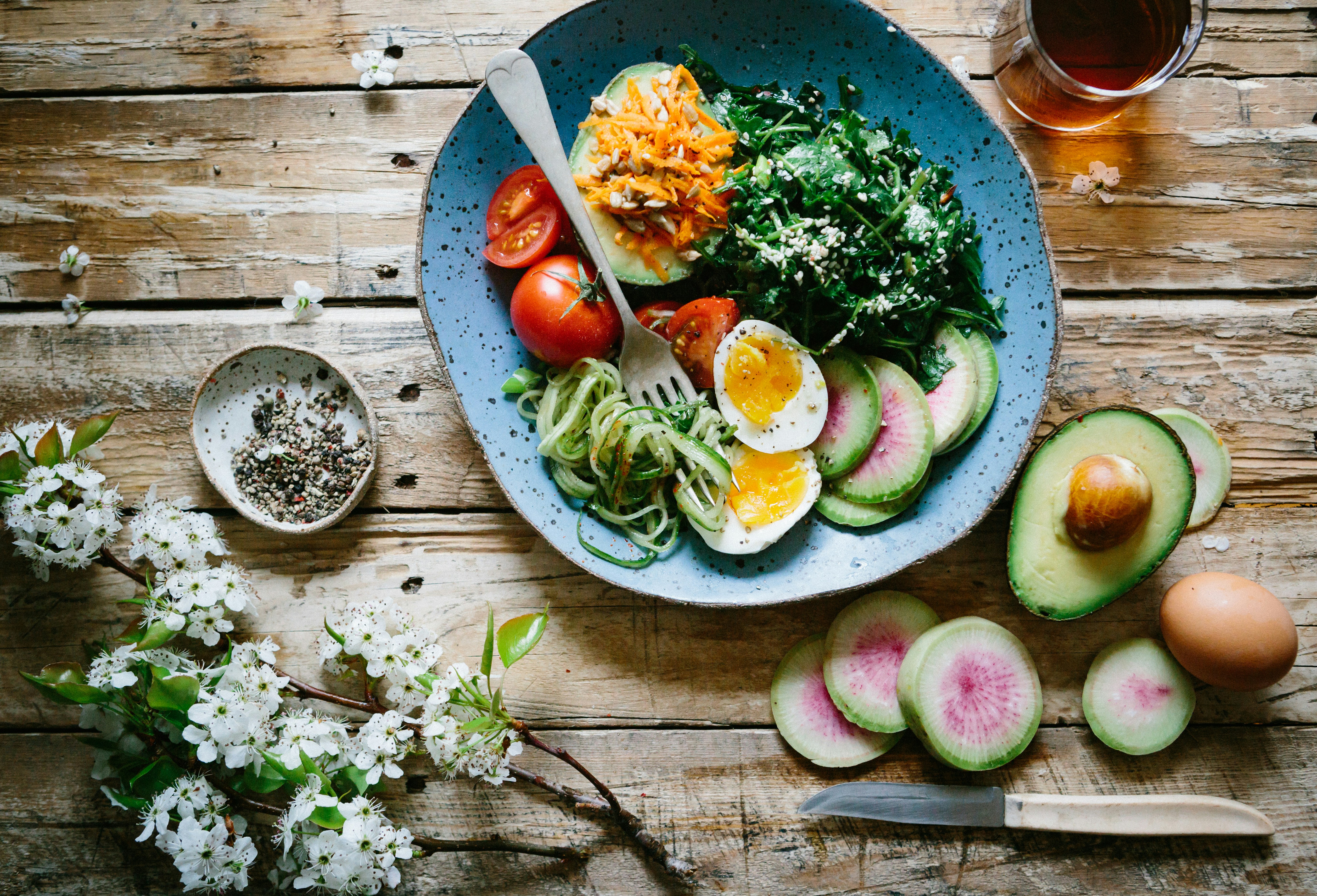
The focus should be on increasing your intake of omega-3 fatty acids. These healthy fats, found in mackerel, salmon, flaxseeds, and walnuts, help inhibit the production of inflammatory proteins. Similarly, the benefits of turmeric and curcumin benefits for psoriasis flares cannot be overstated. Curcumin, the active compound in turmeric, is known for its ability to inhibit TNF cytokines, which are key drivers of psoriasis inflammation. Aim for a daily intake of 1.5–3 grams of turmeric, ideally paired with black pepper to enhance absorption.
| Food Category | Foods to Prioritize (Anti-Inflammatory) | Foods to Avoid (Pro-Inflammatory) |
|---|---|---|
| Proteins | Fatty fish (salmon), Walnuts, Tofu | Red meat, Processed sausages |
| Vegetables | Spinach, Kale, Broccoli, Sweet potatoes | Nightshades (if sensitive) |
| Grains | Brown rice, Quinoa, Buckwheat | Refined wheat, White bread (Gluten) |
| Healthy Fats | Extra virgin olive oil, Avocado | Margarine, Soybean oil |
| Spices | Turmeric, Ginger, Garlic | Excessive salt, Artificial flavorings |
It is equally important to identify your personal triggers. Many of our readers find that a period of elimination—removing gluten, dairy, and refined sugar—helps them identify which foods are sparking their immune system. By reducing the systemic load of inflammation, you give your skin a better chance to heal from the inside out.
Lifestyle Adjustments for Psoriasis Relief and Flare Prevention
Finally, we must look at the environment and the daily routines that surround you. Psoriasis is often a reflection of our internal stress levels and our external surroundings. Simple lifestyle adjustments for psoriasis relief can create a protective bubble for your skin, especially during the dry winter months.
One of the most effective natural psoriasis remedies is controlled sunlight exposure. Ultraviolet B (UVB) rays from the sun can slow the rapid growth of skin cells that causes plaques. We recommend short sessions—starting with just 5 to 10 minutes a day—to get your dose of Vitamin D without risking a sunburn, which could actually trigger a Koebner phenomenon (new plaques forming at the site of skin injury).

Inside your home, the air quality matters. Central heating and air conditioning strip moisture from the air, leading to cracked, itchy skin. Using a humidifier usage in your bedroom or workspace helps maintain a baseline of humidity that prevents the skin from drying out. This is a simple but vital step in any daily stress management habits for psoriasis sufferers.

Lastly, we cannot ignore the mind-body connection. Stress is a well-documented trigger for the autoimmune response that leads to skin flares. Incorporating mindfulness meditation or gentle yoga into your morning routine can lower cortisol levels and help stabilize your immune system. When we treat the whole person—mind, body, and environment—the skin often follows suit.

FAQ
What is the most effective natural treatment for psoriasis?
The most effective approach is usually a combination of colloidal oatmeal baths for immediate itch relief and consistent application of thick moisturizing emollients to repair the skin barrier. While no single remedy works for everyone, these two practices address the most common symptoms: itching and dryness.
Can psoriasis be managed without prescription medication?
Many people successfully manage mild to moderate psoriasis using lifestyle adjustments for psoriasis relief and natural topicals. However, it is essential to work with a dermatologist, especially for severe cases, to ensure you are effectively managing the underlying systemic inflammation.
Does apple cider vinegar really help with psoriasis?
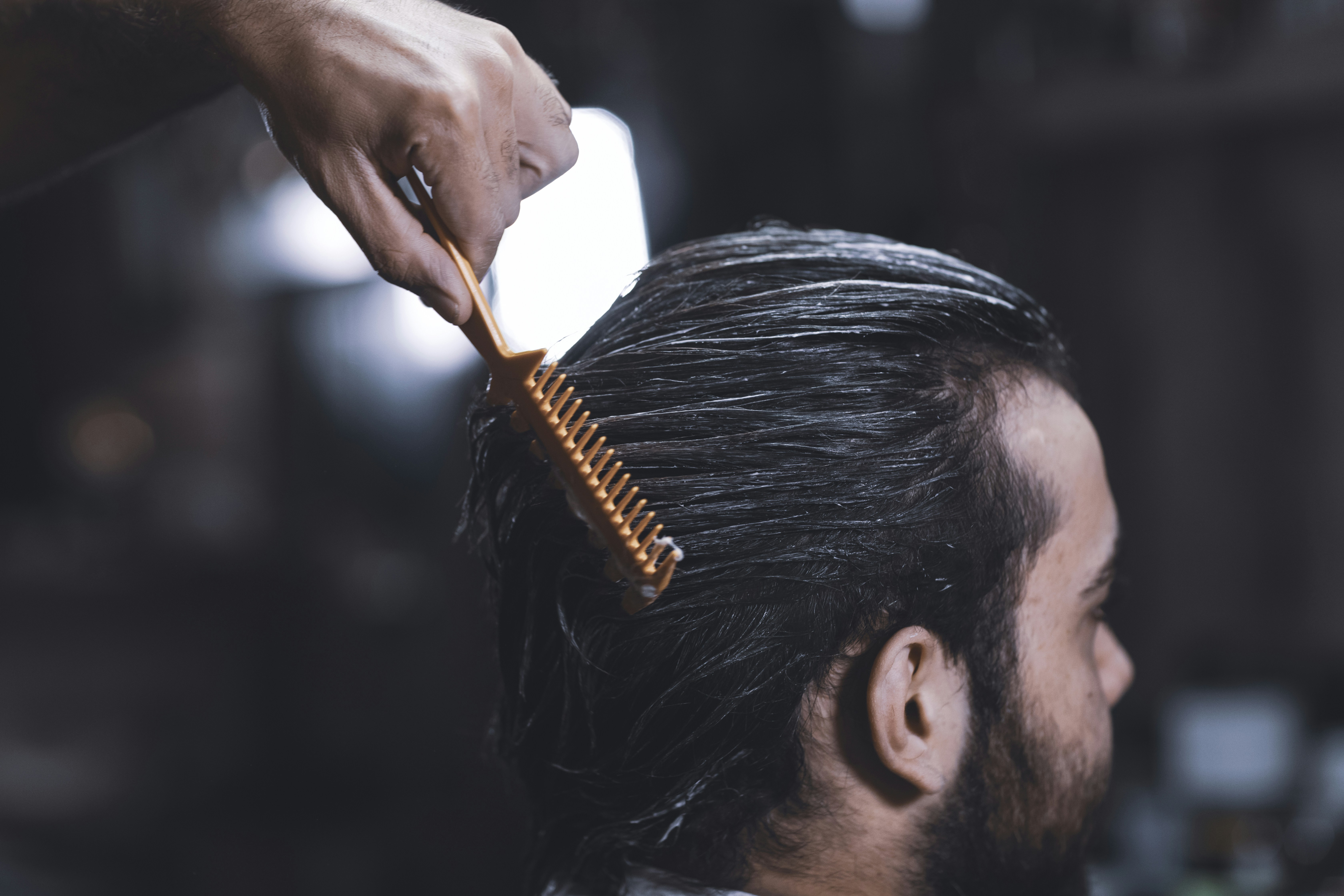
Apple cider vinegar can be helpful, particularly as a scalp rinse. When diluted with water in a 1:1 ratio, it can help relieve the itching associated with scalp psoriasis. However, it should never be applied to cracked or bleeding skin, as the acidity can cause intense stinging and irritation.
How can I stop psoriasis itching naturally?
To stop itching naturally, prioritize lukewarm baths with dead sea salts or oatmeal, followed by heavy moisturization with coconut oil. Cooling agents like aloe vera gel can also provide instant relief by lowering the temperature of the inflamed skin.
Is turmeric an effective remedy for psoriasis inflammation?
Yes, turmeric is highly effective due to its curcumin content, which helps regulate the autoimmune response. Consuming between 1.5 and 3 grams daily can help lower the systemic inflammation that drives the overproduction of skin cells.
Can dietary changes help reduce psoriasis flare-ups?
Absolutely. Adopting an anti-inflammatory diet for psoriasis symptom relief by eliminating triggers like gluten and dairy while increasing omega-3 fatty acids can significantly reduce the frequency of flares for many individuals.