Quick Facts
- Risk Level: Patients with type 2 diabetes have a 4.28 times higher risk of developing NAION; weight loss patients have a 7.64 to 11 times higher risk.
- The Condition: Non-arteritic anterior ischemic optic neuropathy (NAION) is a rare but serious condition often described as an optic nerve stroke.
- Primary Symptom: Sudden painless vision loss in one eye, most frequently noticed immediately upon waking.
- Core Research: A 2024 JAMA Ophthalmology study from Mass General Brigham highlights the link between semaglutide and optic nerve health.
- Action Steps: Schedule a baseline ophthalmic screening before starting GLP-1 therapy and monitor for any rapid changes in visual clarity.
- Regulatory Outlook: Ongoing safety reviews by the EMA are expected by 2025, with major legal milestones set for 2026.
Recent clinical research, including a landmark JAMA Ophthalmology study, has identified a significant link between semaglutide use and a rare condition known as NAION. While Ozempic is revolutionary for diabetes and weight loss, patients must understand the ozempic vision loss risks associated with optic nerve health. Current data indicates that this condition occurs when blood flow to the optic nerve is restricted, potentially leading to permanent blindness.
Understanding the Research: The JAMA Ophthalmology Study
In my years as a lifestyle editor focused on preventive care, I have seen many breakthrough medications change lives. However, every powerful tool requires a nuanced understanding of its safety profile. A retrospective summary of JAMA study on semaglutide and NAION risk published in 2024 has brought a rare but life-altering side effect to the forefront of medical discussion. Researchers at Mass General Brigham analyzed years of patient data to determine if GLP-1 receptor agonists like Ozempic and Wegovy were associated with an increased incidence of optic nerve damage.
The findings were stark. For individuals managing metabolic health, the study found that patients with type 2 diabetes prescribed semaglutide had a 4.28 times higher risk of developing non-arteritic anterior ischemic optic neuropathy (NAION) compared to those on other diabetes medications. The ozempic vision loss risk for type 2 diabetes vs weight loss patients showed an even more significant disparity for those using the medication for obesity. Specifically, patients taking semaglutide for weight loss were 7.64 times more likely to develop NAION over a 36-month follow-up period than those using non-GLP-1 weight-loss drugs.
Perhaps the most concerning statistic for long-term users is the cumulative incidence. Over a three-year period, the study showed that 8.9% of diabetic patients on semaglutide developed the condition, compared to only 1.8% of patients taking alternative treatments. While semaglutide naion risk remains statistically rare in the general population, these ratios suggest a clear need for heightened vigilance among those currently prescribed these medications.
Biological Mechanism: "Eye Stroke" vs. Temporary Blurry Vision
It is common for patients starting Ozempic to experience mild, transient ozempic vision side effects symptoms like blurry vision. From a holistic health perspective, it is important to understand that this is usually caused by rapid shifts in blood glucose levels, which can change the shape of the lens in the eye. This is temporary and usually resolves as your body stabilizes. However, NAION is a different biological event entirely.
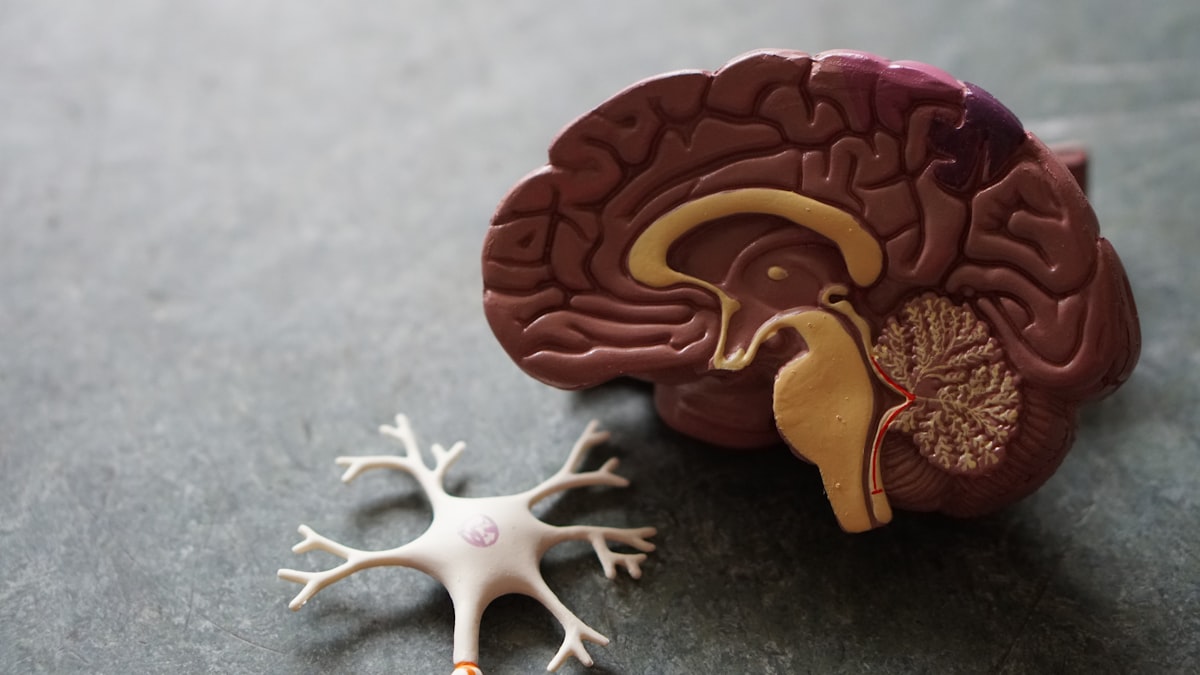
Often referred to as an optic nerve stroke, NAION occurs when the optic nerve blood supply is compromised. The optic nerve acts as the cable connecting your eye to your brain; when it loses oxygen and nutrients due to restricted blood flow, the tissue can die, resulting in permanent blindness. This is why the sudden painless vision loss characteristic of NAION is an emergency, whereas the blurry vision associated with glucose shifts is generally a manageable side effect.
I have seen sensationalist terms like "Ozempic eye rot" circulating on social media. As an editor committed to evidence-based wellness, it is my job to pivot away from such alarmist language and focus on the science. There is no "rotting" occurring. Instead, there is a vascular concern regarding how GLP-1 receptor agonists interact with the delicate vessels supplying the optic nerve.
Distinguishing Vision Changes
To help you navigate your eye health, I have compiled a comparison between the common, less severe changes and the symptoms of NAION.
| Feature | Temporary Blurry Vision | Permanent NAION (Optic Nerve Stroke) |
|---|---|---|
| Onset | Gradual or fluctuating throughout the day | Sudden, often noticed upon waking |
| Pain | None, though eyes may feel dry | None (painless) |
| Duration | Lasts days to weeks; resolves as glucose stabilizes | Permanent; vision loss does not typically recover |
| Scope | General blurriness in both eyes | Vision loss usually in one eye; loss of visual field |
| Biological Cause | Lens shape changes due to glucose shifts | Restricted blood flow to the optic nerve |
Legal and Regulatory Landscape: 2026 MDL 3163 Updates
The medical community is not the only group closely watching these developments. The legal and regulatory landscape is shifting to address whether patients were properly informed of these risks. Currently, Novo Nordisk, the manufacturer of Ozempic and Wegovy, faces increasing scrutiny regarding the adequacy of their warning labels.
In the United States, several NAION-related claims have been centralized into a Multidistrict litigation known as MDL No. 3163 in Pennsylvania. The core of this product liability litigation revolves around the "failure to warn" theory—the idea that the manufacturer knew or should have known about the potential for optic nerve damage but did not adequately inform doctors and patients.
The regulatory timeline is critical for anyone following this story:
- January 2025: The European Medicines Agency (EMA) is expected to complete its safety review regarding GLP-1 medications and vision risks.
- June 2, 2026: A designated "Science Day" is scheduled within the MDL, where experts will present evidence on the biological link between semaglutide and NAION to the court.
These dates will be pivotal in determining whether the official prescribing information for these drugs will be updated to include more prominent warnings about optic nerve health.
Patient Safety: Managing Eye Health While on Semaglutide
As someone who focuses on preventive healthcare, I believe that being proactive is the best way to manage the risks of any long-term medication. If you are currently taking or considering semaglutide, managing semaglutide eye health should be a top priority in your wellness routine. You don't have to live in fear, but you do need to be informed.
Your Preventive Eye Care Checklist
- Baseline Ophthalmic Screening: Before starting or shortly after beginning GLP-1 therapy, visit an ophthalmologist for a comprehensive exam. This provides a baseline of your optic nerve health and checks for pre-existing diabetic retinopathy.
- Establish the recommended eye exam frequency for wegovy and ozempic users: For most patients, an annual exam is sufficient. However, if you have a history of glaucoma or other vascular issues in the eye, your doctor may suggest a check-up every six months.
- Monitor for Red Flags: If you experience a sudden decrease in your field of vision or wake up with a "dark curtain" or blurriness in one eye, seek emergency care. Knowing what to do if you experience sudden vision changes on ozempic can be the difference between preserving your sight and permanent damage.
- Holistic Support: Maintain a lifestyle that supports vascular health. This includes staying hydrated, managing blood pressure, and ensuring your sleep hygiene is optimal, as many NAION events are thought to happen during the blood pressure drops that occur during sleep.
Expert Tip: Always inform your eye doctor that you are taking a GLP-1 medication. Many ophthalmologists are now adding specific screenings for optic nerve head swelling (edema) to their routine exams for Ozempic users to catch potential issues early.
FAQ
Does Ozempic cause permanent vision loss?
While it is rare, Ozempic has been linked to a condition called NAION, which can cause permanent vision loss. Unlike the temporary blurry vision that some patients experience when their blood sugar changes rapidly, the vision loss associated with NAION is caused by damage to the optic nerve and is typically irreversible.
What are the eye-related side effects of Ozempic?
The most common eye-related side effect is temporary blurred vision, which often occurs when starting the medication or changing doses. However, more serious risks include the potential worsening of diabetic retinopathy and the rare risk of NAION, which is a sudden, painless loss of vision in one eye.
Can Ozempic worsen diabetic retinopathy?
Yes, clinical trials have shown that rapid improvements in blood glucose control—which Ozempic facilitates—can lead to a temporary worsening of diabetic retinopathy. It is essential for patients with existing retinopathy to be closely monitored by an ophthalmologist when beginning any GLP-1 therapy.
What is the connection between Ozempic and NAION?
Recent studies, such as the one published in JAMA Ophthalmology, suggest that semaglutide may influence the blood supply to the optic nerve. In some patients, this might trigger NAION, an "eye stroke" where the nerve is deprived of oxygen. The exact biological mechanism is still being studied by researchers and regulatory bodies.
Should I see an eye doctor before taking Ozempic?
Yes, it is highly recommended to have a baseline eye examination before starting Ozempic, especially if you have type 2 diabetes or a history of eye problems. Learning how to monitor eye health while taking semaglutide starts with an professional assessment to ensure your optic nerves are healthy enough for the treatment.
In our journey toward long-term wellness, medications like semaglutide are powerful allies, but they are not without complexity. By staying informed about the difference between blurry vision and naion on semaglutide and maintaining a proactive relationship with your healthcare providers, you can prioritize both your metabolic goals and your precious gift of sight. Keep an eye on the upcoming 2025 and 2026 updates, and never hesitate to advocate for your own safety.