Quick Facts
- Primary Goal: Immediate bowel rest followed by a gradual reduction of inflammation in the sigmoid colon.
- Phase 1 Duration: Typically 1 to 2 days of a clear liquid diet for diverticulitis flare to minimize stool volume.
- Phase 2 Target: Aim for 8 to 12 grams of fiber daily using a low-residue diet to soothe the gastrointestinal tract.
- Phase 3 Target: Long-term maintenance of 25 to 35 grams of fiber per day once the acute infection has cleared.
- Hydration: Consume at least 64 ounces of water daily to assist gut motility and prevent future complications.
- Clinical Safety: Wait 6 to 8 weeks after symptoms subside before scheduling a follow-up colonoscopy to ensure complete healing.
A diverticulitis diet is essential for managing inflammation in the gastrointestinal tract. During an acute flare-up, the goal is bowel rest to allow the sigmoid colon to heal. By transitioning through specific phases—starting with a clear liquid diet for diverticulitis flare and moving toward low-residue options—you can reduce abdominal cramping and prevent complications.
If you have ever experienced the sudden, sharp pain in the lower left side of your abdomen that characterizes diverticulitis, you know how disruptive this condition can be. It occurs when small, bulging pouches in the lining of your digestive system—known as diverticula—become inflamed or infected. While common, the impact is significant. In the United States, acute diverticulitis accounts for nearly 200,000 hospital admissions and approximately $2.2 billion in annual healthcare costs.
Understanding your risk is the first step toward management. The prevalence of diverticular disease in Western industrialized nations increases significantly with age, affecting approximately 10% of people younger than 40 years and rising to between 50% and 70% of those older than 80 years. However, a diagnosis does not mean a lifetime of pain. Clinical evidence shows that adopting a healthy lifestyle, characterized by a high-fiber diet, regular physical activity, and no smoking, is estimated to potentially prevent between 23% and 42% of diverticulitis cases.
| Phase | Duration | Primary Goal | Recommended Foods |
|---|---|---|---|
| Phase 1: Clear Liquids | 24–48 Hours | Bowel Rest | Broth, pulp-free juice, gelatin, water |
| Phase 2: Low-Fiber | 1–2 Weeks | Recovery | White rice, eggs, skinless poultry, cooked carrots |
| Phase 3: High-Fiber | Ongoing | Prevention | Whole grains, legumes, berries, vegetables with skin |
Phase 1: Immediate Bowel Rest with a Clear Liquid Diet
When you are in the midst of an acute flare-up, your digestive system is essentially in a state of crisis. The intestinal pouches are swollen and sensitive, making the passage of bulky stool incredibly painful. This is why the first step in any diverticulitis diet is immediate bowel rest. By consuming only clear liquids, you minimize the amount of material passing through the sigmoid colon, giving the inflammation a chance to subside.
During this initial phase, which usually lasts no more than 48 hours, focus on maintaining your electrolyte balance and staying hydrated. You should avoid any liquids that contain pulp or solid bits.
Safe Liquid Options:
- Clear chicken, beef, or vegetable broth
- Apple or cranberry juice (strictly pulp-free)
- Fruit-flavored gelatin (avoid versions with fruit pieces)
- Ice pops without fruit chunks or seeds
- Tea or coffee without cream or milk
- Water and electrolyte-replacement drinks
If your symptoms do not begin to improve within two days, or if you develop a high fever, you must contact your doctor. Prolonged use of a clear liquid diet can lead to weakness and nutrient deficiencies, so it is intended only as a short-term bridge to recovery.
Phase 2: Transitioning to Low-Fiber Foods for Recovery
Once the intense abdominal cramping begins to ease and you can tolerate liquids without discomfort, you can move into the low-residue diet phase. The objective here is to provide enough nutrition for recovery without overworking the gastrointestinal tract. In this stage, you should limit your fiber intake to roughly 8 to 12 grams per day.
Identifying safe protein sources for low fiber diet is crucial during this transition. You want proteins that are easy to break down and do not contain tough connective tissue or skins. Lean meats and eggs are excellent choices.
Foods for diverticulitis flare-up (Recovery Phase):
- Proteins: Eggs (poached, scrambled, or boiled), skinless poultry, canned fish (tuna or salmon), and smooth nut butters (limited amounts).
- Grains: White rice, plain pasta, white bread, and low-fiber cereals like cornflakes or puffed rice.
- Vegetables: Well-cooked vegetables without skins or seeds, such as carrots, potatoes (peeled), and green beans.
- Fruits: Canned fruits without skins (like peaches or pears), ripe bananas, and melons.
- Dairy: Milk, yogurt (without fruit pieces), and mild cheeses are generally acceptable unless you have a known sensitivity.
What to Avoid:
- Whole-grain breads, crackers, and cereals
- Raw fruits and vegetables, especially those with skins and seeds
- Legumes (beans, lentils, and peas)
- Tough meats with gristle
- Spicy foods and fried items that can irritate the gut lining
When preparing meals, remember the "peeler rule." If it has a skin, peel it. If it has a seed, remove it. This simple habit makes low-fiber foods for diverticulitis much safer for your healing colon.
Phase 3: Long-Term Prevention and Fiber Reintroduction
After the inflammation has completely subsided—usually a few weeks after the flare-up—it is time to focus on long-term health. The most common mistake patients make is staying on a low-fiber diet for too long. While low fiber is necessary during a flare, it is actually a risk factor for future episodes.
The process of transitioning from low fiber to high fiber after diverticulitis should be slow and deliberate. Start by adding 5 grams of fiber back into your daily intake each week. Your ultimate goal is to reach 25 to 35 grams of fiber daily. Focus on soluble fiber initially, which absorbs water and turns into a gel-like substance, helping to soften the stool and ease its passage.
Strategies for High-Fiber Success:
- Gradual Reintroduction: Start with small servings of cooked beans or lentils.
- Whole Grains: Swap white bread for whole-wheat or multigrain varieties.
- Produce Power: Incorporate high fiber foods for diverticulosis prevention like raspberries, apples with the skin, broccoli, and leafy greens.
- Hydration is Mandatory: Fiber acts like a sponge. If you eat a high-fiber diet without drinking at least 64 ounces of water daily, you risk constipation, which increases pressure on the diverticula and can trigger another flare.
Consistent fiber intake improves gut motility and helps prevent the formation of new intestinal pouches. This lifestyle shift is one of the most effective ways to manage diverticular disease for the long haul.
The Role of Probiotics and Myth-Busting
For decades, patients were told to strictly avoid popcorn, nuts, and seeds, fearing that small particles would get trapped in the diverticula. Modern clinical research has debunked this. There is no evidence that these foods increase the risk of diverticulitis. In fact, many of these foods are excellent sources of fiber that support colon health once you are in the maintenance phase.
We are also learning more about the importance of microbiome diversity. Using probiotics for digestive inflammation management can be a helpful adjunct to your diet. Probiotics help restore the balance of "good" bacteria in your gut, which may reduce the low-grade inflammation often present in people with diverticular disease.
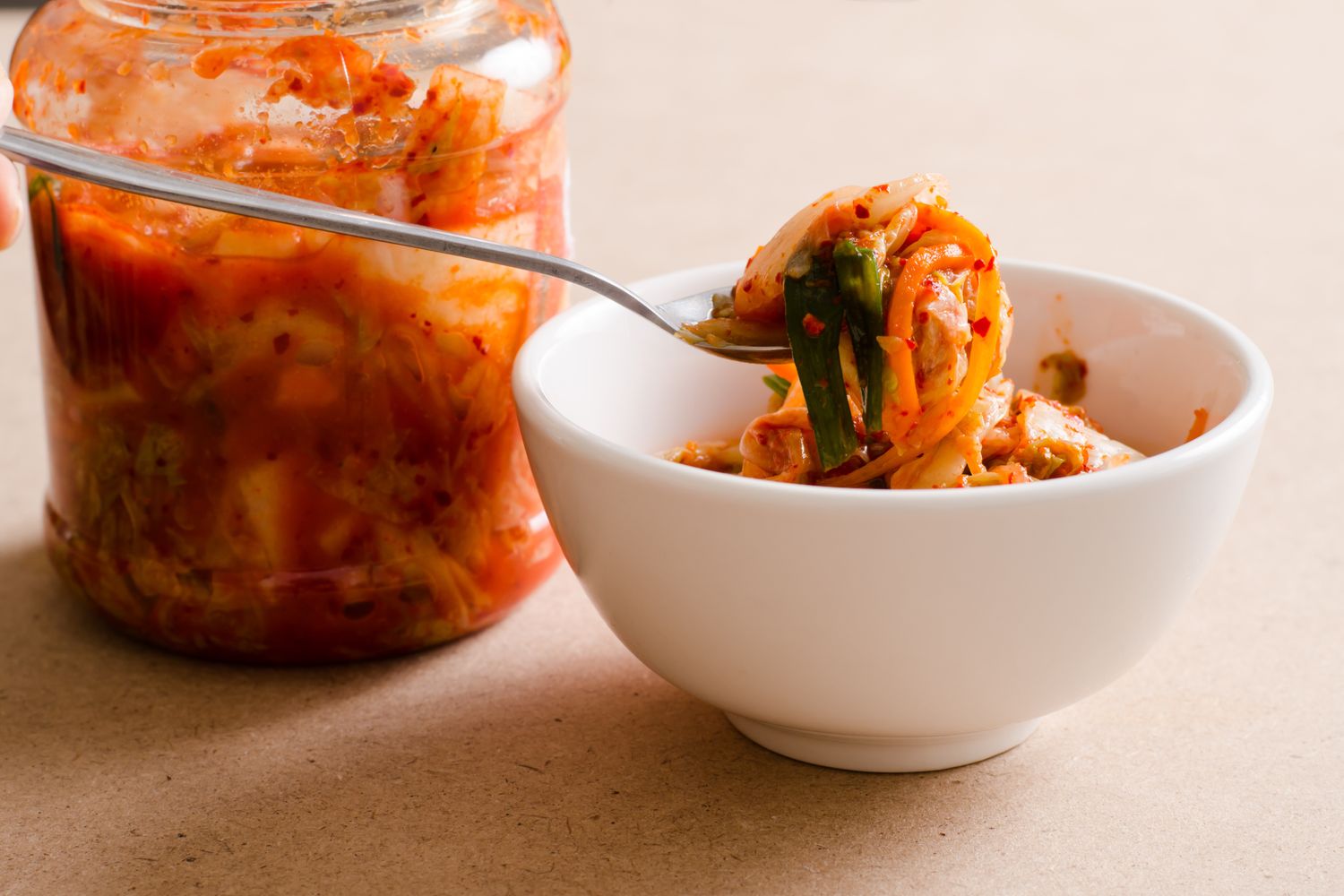
While the research on specific strains is ongoing, many gastroenterologists suggest that probiotics for digestive inflammation can improve overall bowel regularity and comfort.
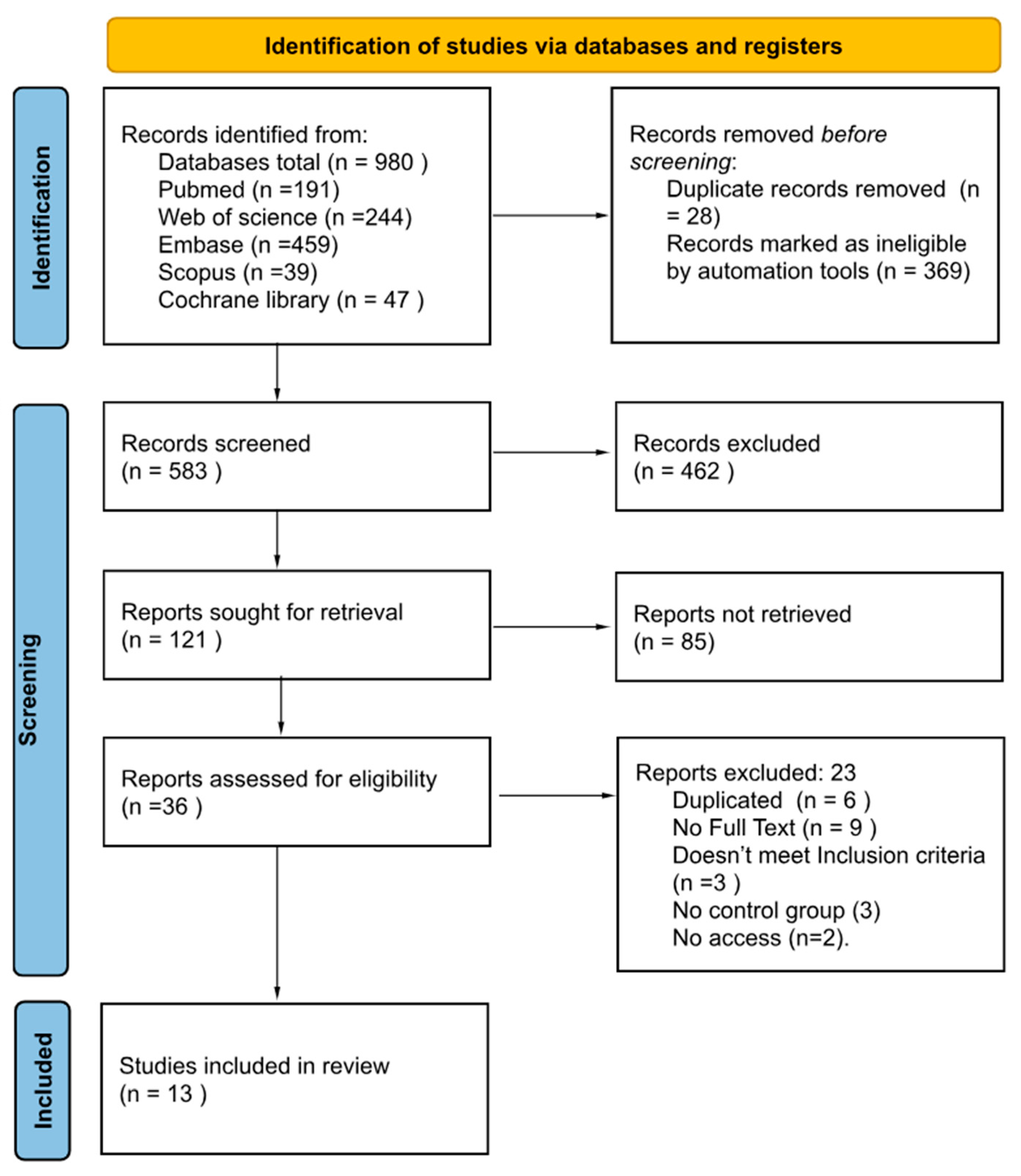
When selecting a probiotic, look for clinical evidence supporting the specific strain. The dosage and the length of time you take the supplement also matter significantly.
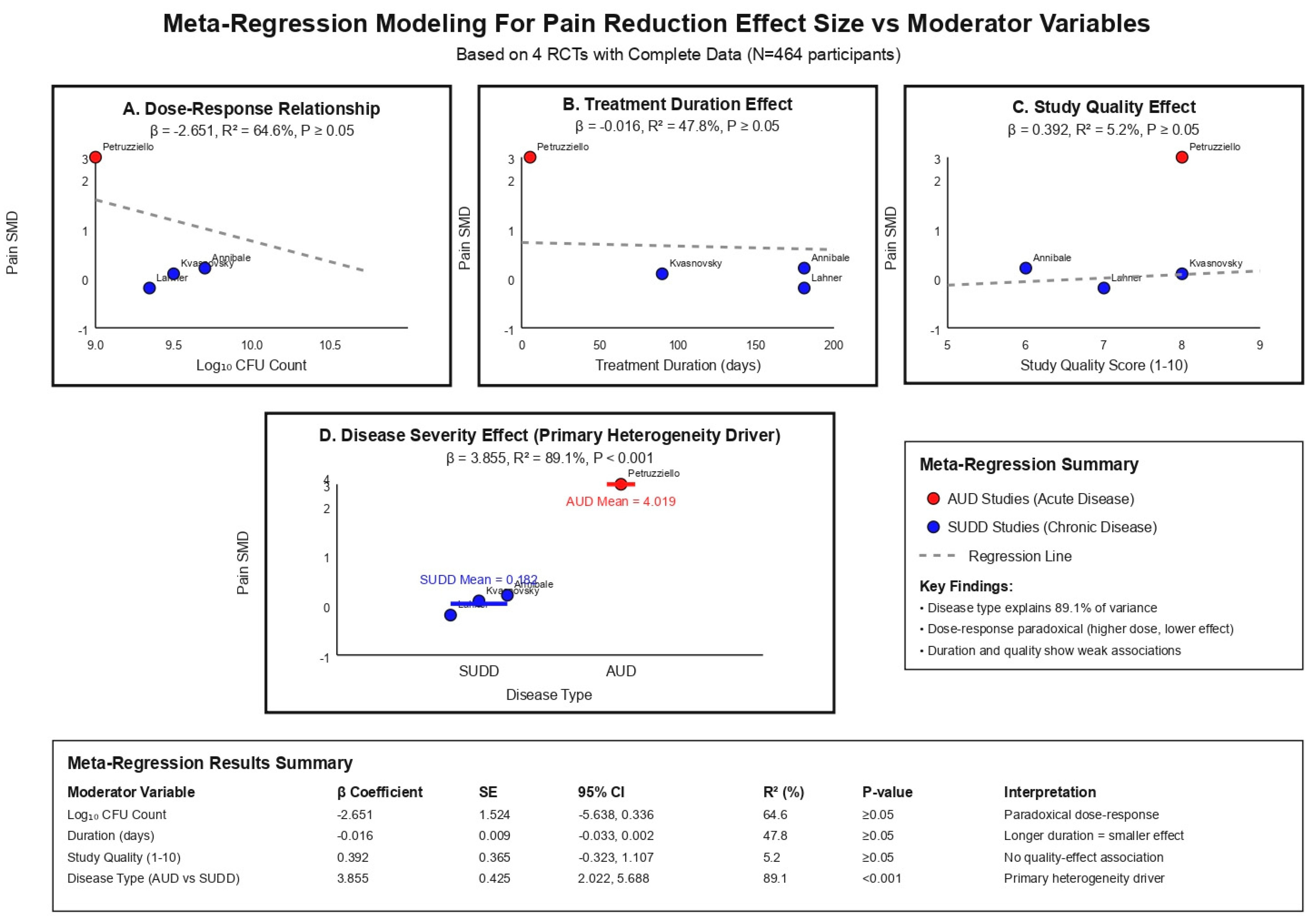
Focus on anti-inflammatory foods for diverticulitis recovery like fatty fish rich in omega-3s and ginger tea, alongside your probiotics, to create a gut environment that resists infection.
When to Contact a Healthcare Provider
Managing your diet is a powerful tool, but diverticulitis can sometimes become a medical emergency. You should seek immediate professional help if you experience a high fever (over 101°F), persistent nausea and vomiting, or severe abdominal pain that prevents you from standing up straight.
A gastroenterologist consultation is vital for an accurate diagnosis. Doctors often use CT scans to see the extent of the inflammation and to check for complications like abscesses or perforations. Furthermore, clinical guidelines recommend a follow-up colonoscopy approximately 6 to 8 weeks after your symptoms have cleared. This is not because diverticulitis causes cancer, but because the symptoms of a flare can sometimes mask other underlying issues in the sigmoid colon.
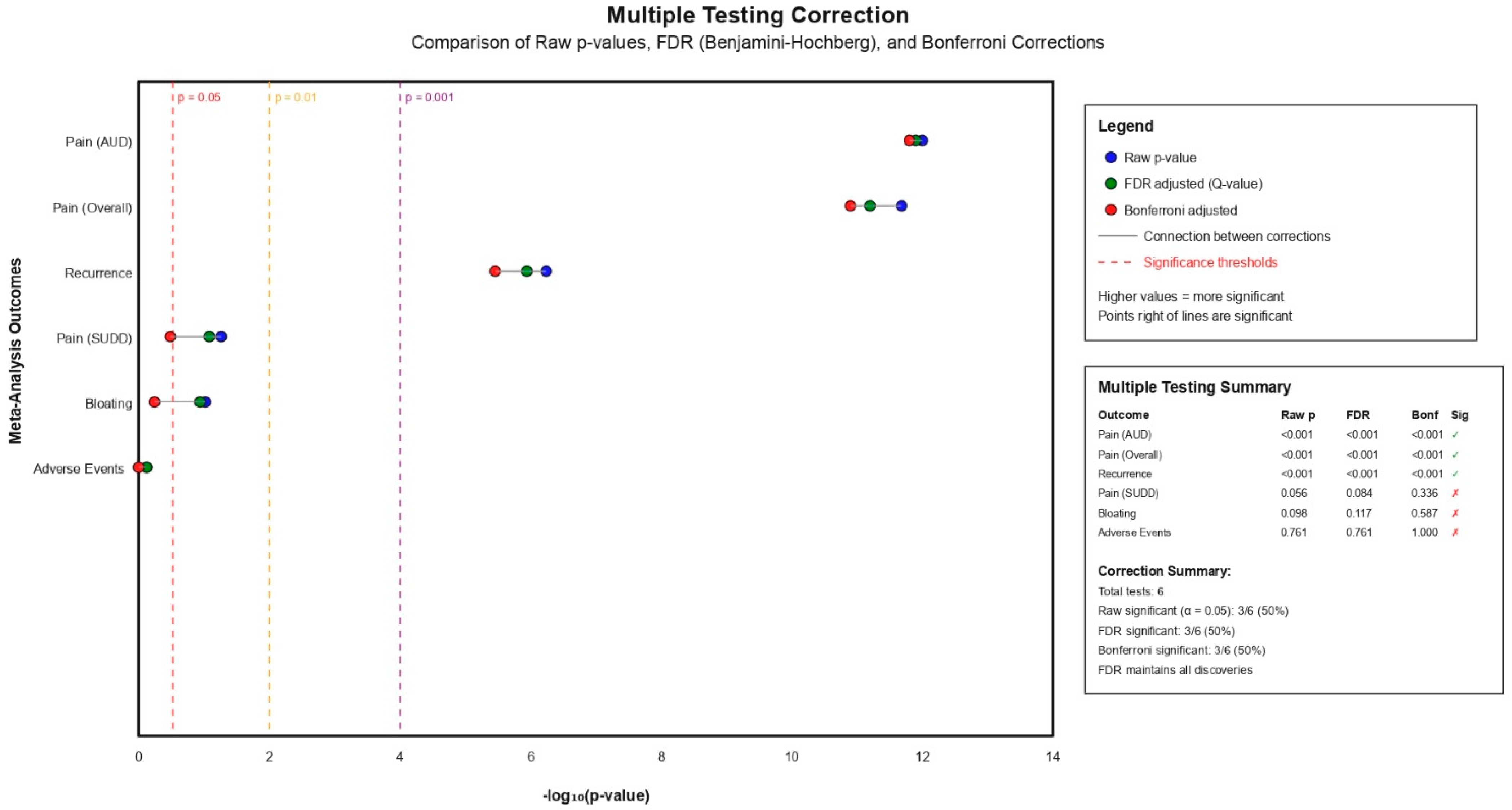
By following a phased diverticulitis diet and maintaining open communication with your healthcare team, you can take control of your digestive health and significantly reduce the likelihood of future flare-ups.
FAQ
What foods should I avoid during a diverticulitis flare-up?
During an acute flare, you must avoid high-fiber foods such as whole grains, raw vegetables, fruits with skins, seeds, nuts, and legumes. You should also steer clear of spicy foods, greasy or fried items, and caffeine, which can further irritate the inflamed sigmoid colon and increase abdominal cramping.
What is the best diet for someone with diverticulitis?
The "best" diet depends on your current symptoms. During a flare, a clear liquid diet for diverticulitis flare followed by a low-residue diet is best for recovery. For long-term health and prevention, a high-fiber diet (25-35g daily) paired with high hydration is the gold standard for keeping the digestive system moving smoothly.
Can you eat popcorn and seeds with diverticulitis?
Yes, you can eat popcorn and seeds once the inflammation has completely subsided. While old medical advice suggested avoiding them, modern research shows that these foods do not cause flare-ups and can actually be part of a healthy, high-fiber prevention strategy once you are back in the maintenance phase.
How long does a diverticulitis liquid diet last?
A clear liquid diet typically lasts between 24 and 48 hours. It is a short-term measure intended to provide bowel rest. If you find you cannot progress to solid foods after two days, or if your symptoms worsen, it is important to consult a healthcare professional.
What can I eat after a diverticulitis attack?
After an attack, you should eat low-fiber foods for diverticulitis to ease your system back into digestion. Focus on white rice, white bread, cooked skinless vegetables like carrots or potatoes, and safe protein sources for low fiber diet like eggs and tender, skinless chicken or fish.