Quick Facts
- Healing Speed: Fresh cabbage juice can reduce clinical healing time to an average of 7.3 days.
- Primary Trigger: Helicobacter pylori bacteria cause approximately 70% to 90% of duodenal ulcers.
- Antiviral Defense: Consuming honey weekly is associated with a 50.6% infection rate of H. pylori compared to 70.8% in non-consumers.
- Supplement Success: Adding garlic extract to standard therapy can increase bacteria eradication rates from 67% to 90%.
- Fiber Target: Aiming for 20 to 30 grams of fiber daily helps lower the risk of developing new ulcers.
- Key Compounds: Flavonoids found in colorful fruits and vegetables actively protect the gastric mucosa from damage.
- Safety First: Natural remedies should support, not replace, medical protocols for healing gastric ulcers naturally.
Natural stomach ulcer remedies include cabbage juice, which is rich in vitamin C and antioxidants that help treat H. pylori infections. Manuka honey provides antibacterial benefits, while flavonoid-rich foods like berries and kale protect the gastric mucosa. These options work by reducing inflammation and supporting the stomach's natural defense mechanisms.
Understanding the Gastric Environment
When we talk about stomach ulcer remedies, we are essentially discussing the restoration of a delicate biological balance. A peptic ulcer is an open sore that develops on the inner lining of your stomach or the upper portion of your small intestine. For years, the medical community believed stress and spicy food were the primary culprits. We now know that the majority of these painful lesions are caused by a bacterial infection or the long-term use of certain pain relievers.
The gastric mucosa, or the stomach lining, is designed to withstand a highly acidic environment. However, when the protective mucus layer thins out, acid can eat away at the tissue. Natural treatments for peptic ulcers focus on two specific goals: eradicating the H. pylori bacteria and strengthening the protective mucosal barrier. By integrating science-backed dietary changes, we can accelerate the healing process and provide long-term relief.
The Power of Cabbage Juice and Honey
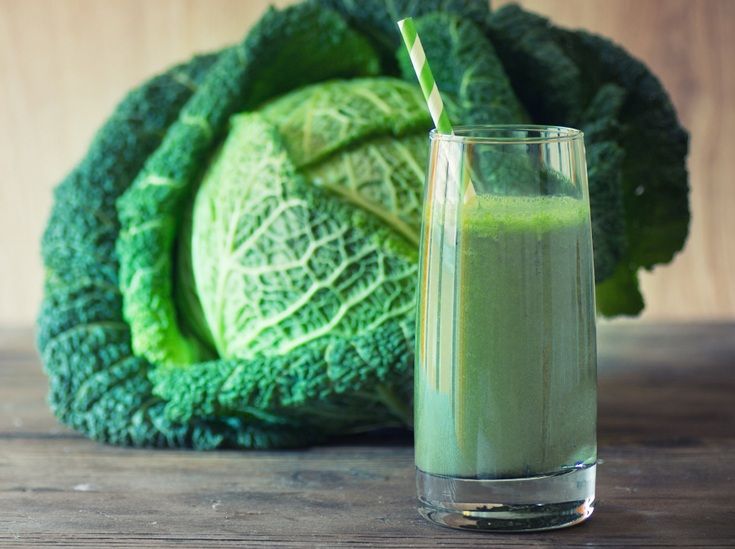
One of the most remarkable discoveries in nutritional science regarding gut health is the efficacy of simple cabbage juice. Long before modern acid blockers existed, doctors used this cruciferous vegetable to treat patients with significant success.
In a landmark clinical study, participants with stomach ulcers who consumed fresh cabbage juice experienced an average healing time of 7.3 days, while those receiving the standard medical treatment of the era took an average of 42 days to heal. The reason cabbage works so effectively is its high concentration of vitamin C and a compound once called Vitamin U (S-methylmethionine). These nutrients stimulate the production of protective mucus and provide the antioxidants necessary to inhibit H. pylori growth.
To implement this at home, many people find that juicing one small head of cabbage daily and splitting it into several servings throughout the day is the best way how to use cabbage juice for stomach ulcers.
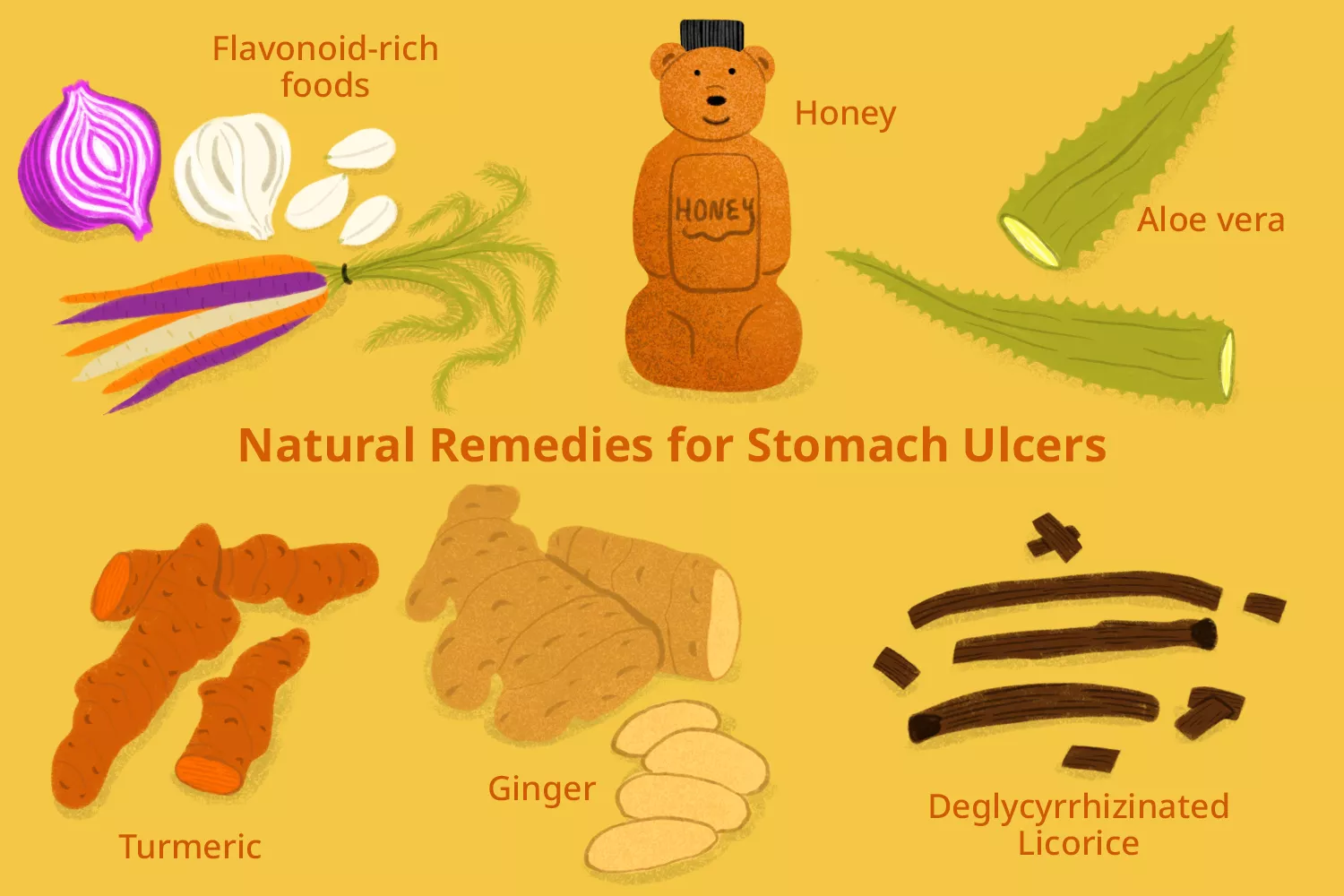
Complementing this is the use of high-quality honey. Manuka honey, in particular, contains potent antibacterial properties that are not found in standard honey. An epidemiological study found that individuals who consumed honey at least once per week had a significantly lower Helicobacter pylori infection rate of 50.6%, compared to a 70.8% infection rate among those who did not. Honey works by coating the ulcerated area, providing a physical barrier while its enzymes go to work against harmful bacteria.
Herbal Supplements for Ulcer Relief
Beyond the kitchen pantry, specific botanical extracts have shown immense promise in clinical settings. These herbal supplements for ulcer relief offer a more concentrated approach to healing.
Deglycyrrhizinated licorice, commonly known as DGL, is a staple in my nutritional recommendations. Unlike standard licorice, the glycyrrhizin—which can raise blood pressure—has been removed. DGL works by increasing mucus production in the stomach, which essentially "re-paints" the protective wall that acid has worn down. Taking a chewable tablet before meals is a practical way to manage natural remedies for stomach ulcer pain management.
Mastic gum, a resin from the Pistacia lentiscus tree, is another powerful ally. Research suggests that doses of 1 gram daily can kill H. pylori in some patients and significantly reduce symptoms. Similarly, turmeric has gained attention for its anti-inflammatory properties. Studies involving a dosage of 600mg taken five times daily have shown significant ulcer healing within four to eight weeks.
Lastly, zinc-carnosine is a pharmaceutical-grade supplement that is widely used in Japan. It acts as a cytoprotective agent, meaning it stays in the stomach longer to adhere directly to the ulcer site, promoting tissue repair and decreasing inflammation. This makes it one of the most effective herbal supplements for h. pylori and ulcer relief available today.
Probiotics and the Gut Microbiome
The health of your stomach is inextricably linked to the balance of bacteria throughout your entire digestive tract. When the gut microbiome is out of sync, the stomach is more vulnerable to inflammation and infection.
Probiotics do not necessarily "cure" an ulcer on their own, but they are vital for recovery. When combined with traditional medical treatments, probiotics can help eradicate H. pylori more effectively while reducing the side effects of antibiotics, such as diarrhea or nausea. Fermented foods like kefir, sauerkraut, and kimchi are excellent natural sources of beneficial bacteria that support the mucosal lining.
Using probiotics is one of the most effective ways to lower stomach acid naturally for ulcer recovery because a healthy bacterial balance helps regulate the signaling molecules that control acid secretion.
Dietary Strategies: What to Eat and Avoid
Food can either be a healer or an irritant. When focusing on best foods for healing gastric ulcers naturally, we look toward items high in flavonoids and fiber. Flavonoids, found in abundance in berries, kale, broccoli, and green tea, help the body fight off H. pylori and protect the stomach from the damaging effects of NSAIDs.
Fiber is equally critical. A diet rich in soluble fiber (from oats and beans) and insoluble fiber (from whole grains and vegetables) can reduce the amount of acid in the stomach and speed up transit time, which minimizes the time the stomach lining is exposed to harsh digestive juices.
Healing Foods vs. Gastric Irritants
| Category | Recommended (Healing) | Avoid (Irritating) |
|---|---|---|
| Proteins | Lean chicken, turkey, fish, eggs | Fried meats, spicy sausages, processed deli meats |
| Grains | Oatmeal, brown rice, whole-grain bread | White bread, sugary cereals, spicy crackers |
| Vegetables | Cabbage, kale, spinach, carrots, broccoli | Hot peppers, chili-infused greens, raw onions |
| Fruits | Berries, apples, pears, bananas | Lemons, limes, grapefruits (if symptomatic) |
| Beverages | Cabbage juice, herbal tea, water | Alcohol, coffee, carbonated sodas, energy drinks |
One of the most important lifestyle changes you can make is limiting the use of Non-Steroidal Anti-Inflammatory Drugs (NSAIDs) like ibuprofen or aspirin. These medications inhibit the production of prostaglandins, which are the chemicals that tell your stomach to produce protective mucus. Constant use of these drugs increases the risk of developing a stomach ulcer by four-fold.
Garlic: A Potent Antibacterial
Garlic is often called nature's antibiotic for a reason. Its active compound, allicin, has shown incredible effectiveness in laboratory settings against various bacteria, including the stubborn H. pylori.
Clinical research has shown that supplementing standard clarithromycin triple therapy with allicin can increase Helicobacter pylori eradication rates from 67% to 90%. Even for those not undergoing triple therapy, including crushed raw garlic or aged garlic extract in their daily routine can serve as one of the better science-backed home remedies for peptic ulcers 2026.
Safety and Clinical Timelines
Healing a stomach ulcer is a marathon, not a sprint. Typically, duodenal ulcers take about four weeks to heal, while gastric ulcers (those specifically in the stomach) may take six to eight weeks.
While these natural stomach ulcer remedies are evidence-based and effective, they should be used in conjunction with a professional medical diagnosis. Ulcers can occasionally lead to serious complications like internal bleeding or perforation.
When to Seek Immediate Medical Attention:
- Sharp, sudden, persistent stomach pain.
- Bloody or black, tarry stools.
- Vomiting blood or vomit that looks like coffee grounds.
- Extreme weakness or dizziness.
For most people, a combination of cabbage juice, DGL licorice, and a high-fiber, flavonoid-rich diet will provide the foundation for a full recovery. By focusing on healing foods for gastric ulcers, you give your body the raw materials it needs to regenerate the mucosal layer and keep your digestive system resilient.
FAQ
What is the fastest way to heal a stomach ulcer?
The fastest recorded healing times in clinical settings have been associated with fresh cabbage juice, which reduced recovery to an average of 7.3 days in specific studies. However, most ulcers require 4 to 8 weeks of consistent dietary changes and medical support to heal completely.
What can I drink to soothe stomach ulcer pain?
Soothing drinks include cabbage juice, Manuka honey dissolved in warm water, and non-acidic herbal teas like chamomile or ginger. Avoiding carbonated beverages and alcohol is crucial for immediate pain management.
Which foods help heal stomach ulcers?
The best foods for healing include those high in fiber and flavonoids, such as berries, apples, oatmeal, and leafy greens like kale and spinach. Fermented foods like yogurt and sauerkraut also help by providing beneficial probiotics.
Can you treat a stomach ulcer without medicine?
While many natural remedies are highly effective, most doctors recommend using them alongside acid-suppressing medication to ensure the ulcer heals properly and to prevent life-threatening complications like bleeding.
Are there any natural home remedies for ulcers?
Yes, science-backed home remedies include consuming fresh cabbage juice daily, using Manuka honey for its antibacterial properties, and taking supplements like DGL licorice, mastic gum, and zinc-carnosine.
What foods should you avoid if you have an ulcer?
You should avoid irritants such as alcohol, coffee, spicy foods, acidic citrus fruits, and fried, fatty foods. It is also vital to avoid or limit the use of NSAIDs like ibuprofen, which can further damage the stomach lining.