Quick Facts
- Common Types: The majority of cases fall under atopic, contact, or seborrheic dermatitis.
- 2026 Breakthroughs: The landscape of care has shifted toward precision medicine, utilizing JAK inhibitors and steroid-free topicals.
- Core Principle: Successful management relies on consistent skin barrier repair to prevent transepidermal water loss.
- Pediatric Prevalence: Atopic dermatitis is highly common in early life, affecting up to 20% of children.
- Contact Dermatitis Fact: Approximately 80% of contact-related flare-ups are caused by irritants rather than true allergies.
- Direct Answer: Comprehensive dermatitis treatment options involve a dual approach of identifying environmental triggers and restoring the skin microbiome through advanced therapies.
Dermatitis primarily presents as atopic, seborrheic, or contact types. Effective dermatitis treatment options involve identifying triggers and using targeted therapies like topical calcineurin inhibitors, phosphodiesterase-4 inhibitors, or biologics such as dupilumab. Skin barrier repair through emollients and humectants is essential for managing transepidermal water loss and preventing flare-ups.
Atopic Dermatitis: Managing the Most Common Form
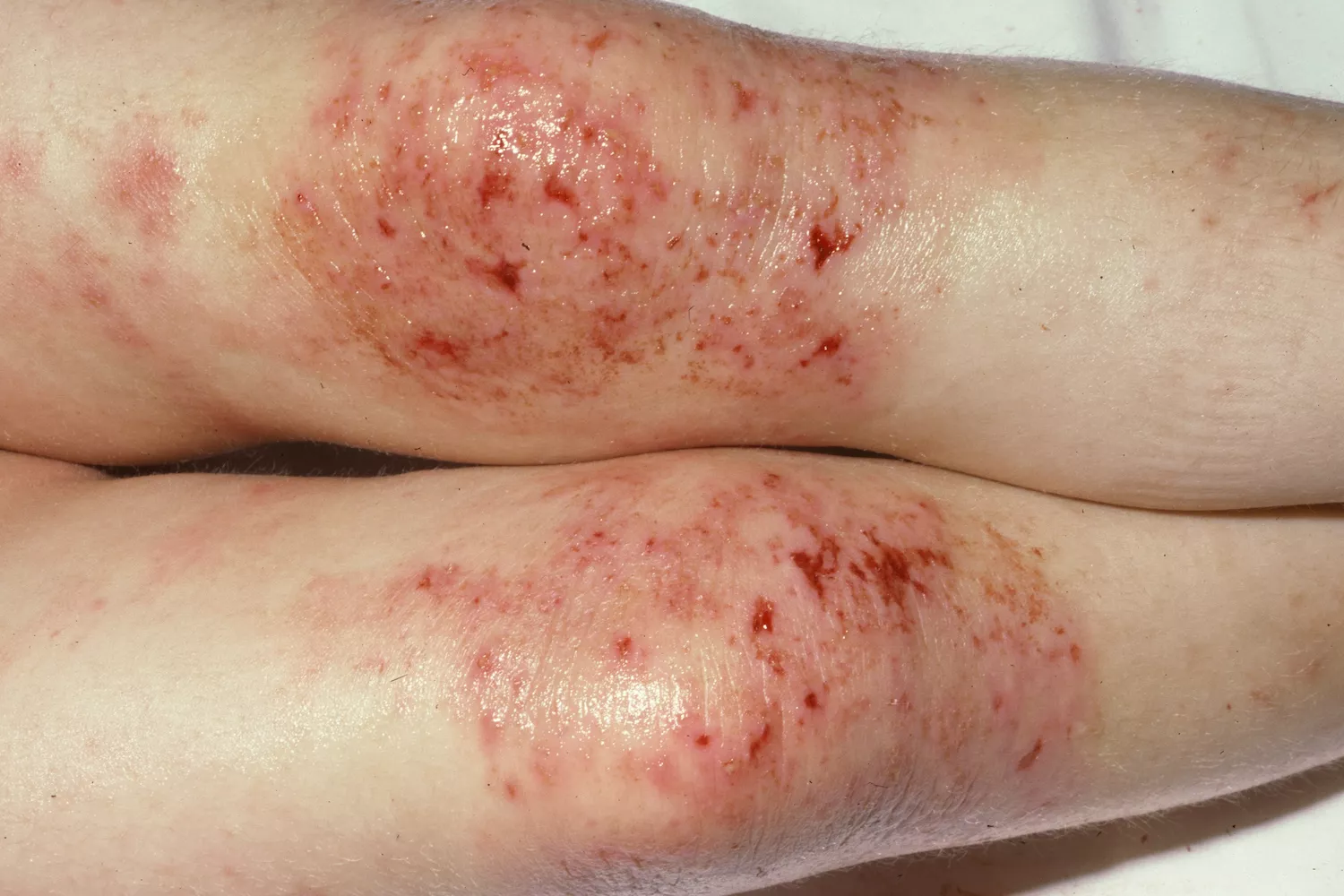
Atopic dermatitis is the most frequently diagnosed form of eczema, characterized by a complex interplay between genetics, the immune system, and the environment. Understanding how to identify different types of dermatitis starts here, as atopic symptoms often change throughout a person's life. In infants and young children, you will typically see itchy, red patches on the cheeks, scalp, and the outer surfaces of the arms and legs. For adults, the condition often migrates to the "flexures"—the insides of the elbows and the backs of the knees—as well as the hands and eyelids.
Statistically, atopic dermatitis affects approximately 10% to 20% of children and 2% to 10% of adults worldwide. Because it is a chronic condition, the focus has shifted toward long-term stabilization rather than just putting out fires.
In 2026, we have entered the era of precision dermatology. For those seeking atopic dermatitis flare-up relief, 2026 atopic dermatitis treatment breakthroughs include the widespread use of JAK inhibitors like upadacitinib and abrocitinib. These oral medications target specific pathways in the immune system to shut down the itch-scratch cycle at its source. For moderate cases, biologics like dupilumab and tralokinumab continue to offer systemic relief by blocking the proteins that trigger inflammation.
Beyond medication, the best moisturizers for atopic dermatitis management are those that mimic the natural lipid structure of the skin. Look for products containing ceramides, fatty acids, and cholesterol. These ingredients are vital for microbiome balance and pruritus management. Phototherapy also remains a highly effective option for those who do not respond well to topicals, using controlled narrow-band UVB light to reduce skin sensitivity.
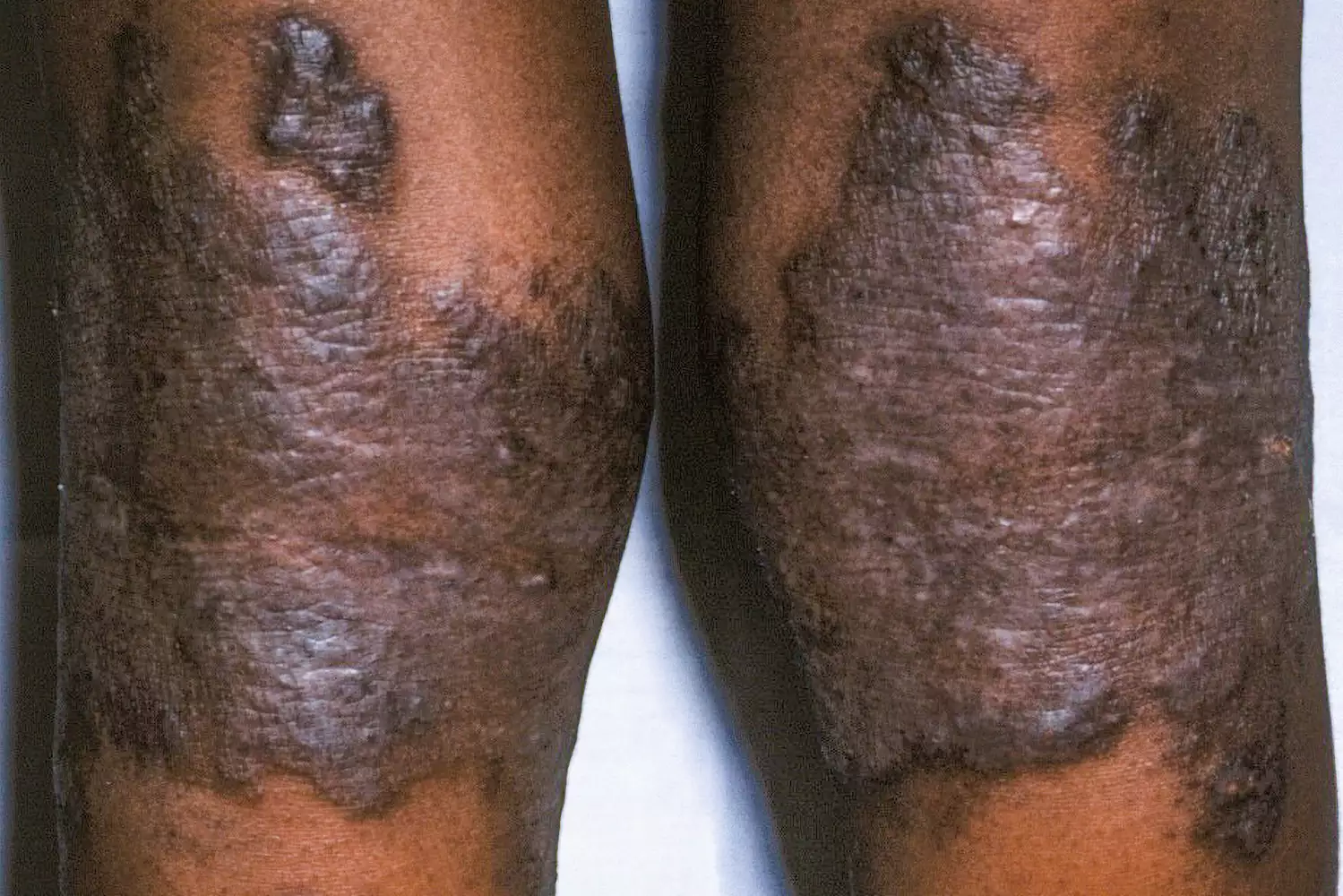
Contact Dermatitis: Identifying and Avoiding Triggers
Contact dermatitis occurs when your skin reacts to something it has touched. It is divided into two categories: irritant and allergic. It is important to note that irritant contact dermatitis is the most frequent type of contact dermatitis, accounting for approximately 80% of all contact dermatitis cases. This occurs when a substance physically damages the outer layer of the skin, such as harsh soaps, detergents, or frequent hand washing.
Allergic contact dermatitis, on the other hand, is an immune response. You might not see a rash immediately; it often takes 48 to 96 hours for the skin to react after exposure. Common culprits include nickel in jewelry, fragrances in skincare, and preservatives like methylisothiazolinone.
When it comes to contact dermatitis skin care tips, the gold standard for diagnosis is patch testing. This is not the same as a "prick test" for hay fever; it involves placing small amounts of potential allergens on the back for several days to see which ones trigger a reaction.
For immediate relief, cool compresses applied for 10 to 15 minutes can help calm the heat and itching. If you are looking for steroid-free dermatitis treatment options, newer topicals like tapinarof and roflumilast are becoming the preferred choice for many clinicians. These agents offer a way to manage inflammation without the risks of skin thinning associated with long-term steroid use.
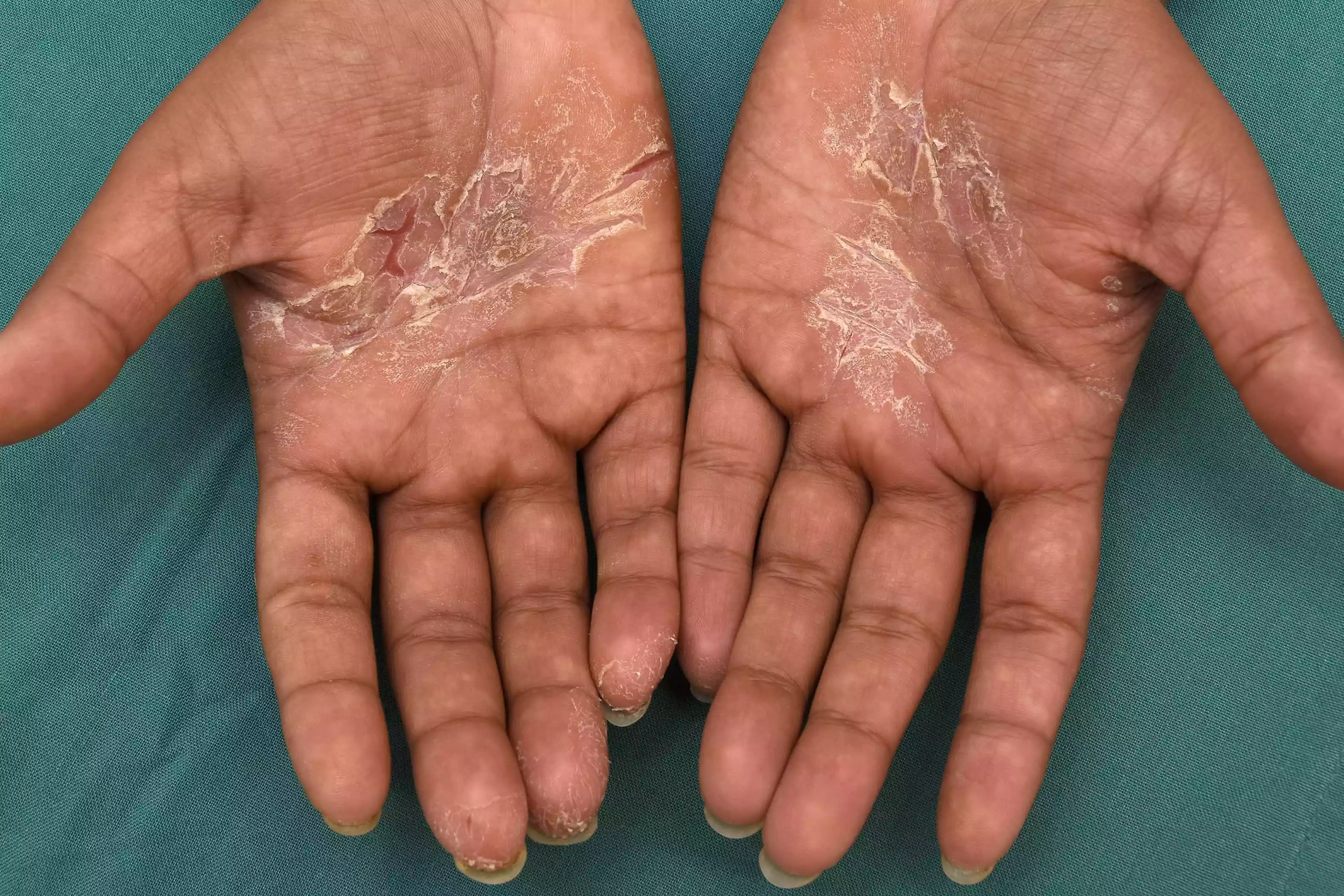
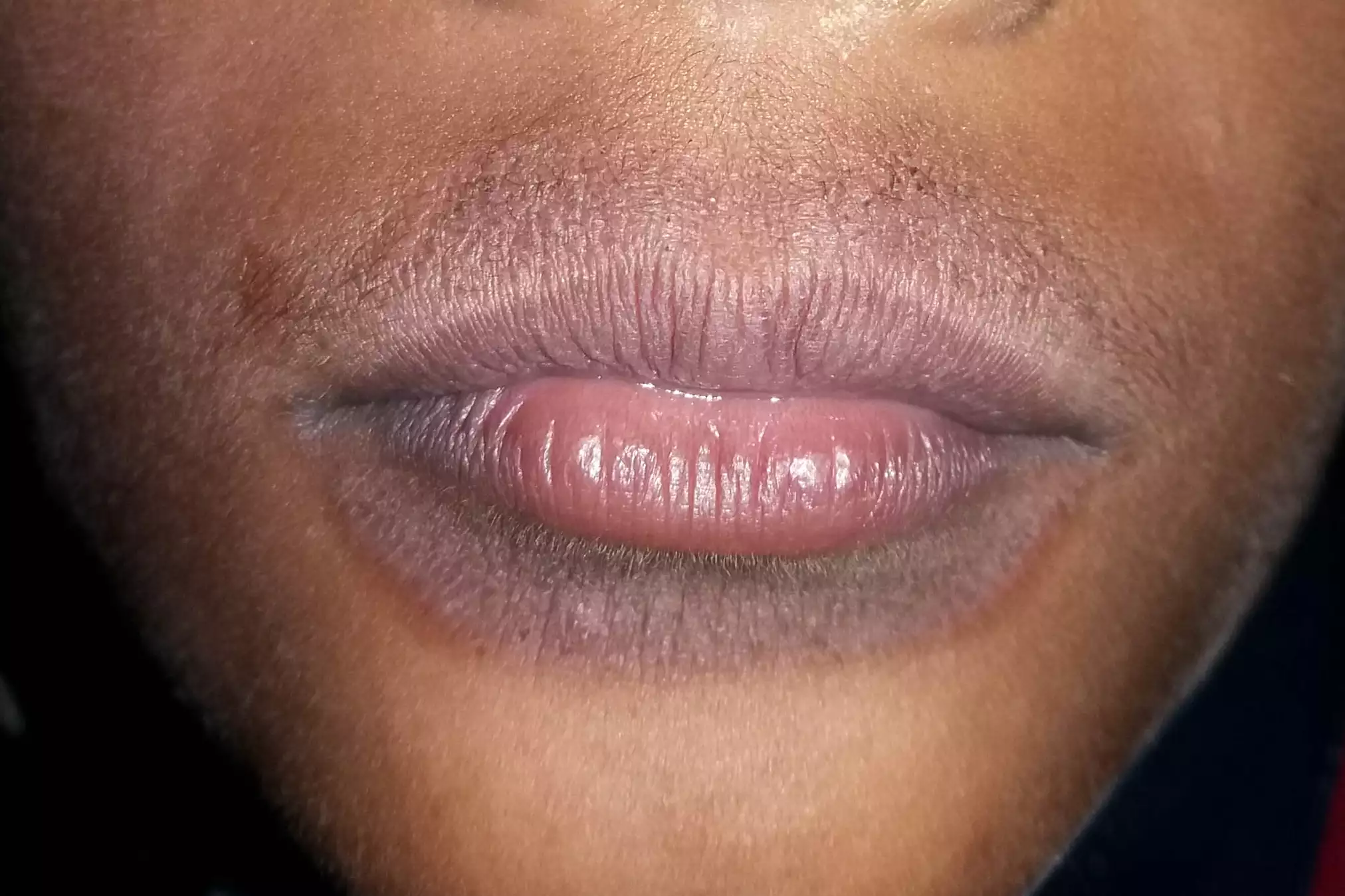
Managing contact dermatitis on the face requires extra caution. Products often used on the body may be too harsh for the thin skin around the eyes or mouth. If you are dealing with lip licker dermatitis or reactions to cosmetics, focusing on dermatitis treatment for sensitive facial skin is essential. Using bland, petrolatum-based ointments can provide a protective shield while the skin heals.
Seborrheic Dermatitis: Scalp and Facial Care Strategies
Commonly known as dandruff in its mildest form, seborrheic dermatitis affects areas of the body with a high density of oil-producing glands. This includes the scalp, the sides of the nose, eyebrows, and the chest. The primary driver behind this condition is an overgrowth of Malassezia yeast, a fungus that lives naturally on the skin but can cause inflammation in some individuals.
Effective seborrheic dermatitis home treatment focuses on keeping the yeast population in check while soothing the skin. Anti-fungal shampoos containing ketoconazole, selenium sulfide, or zinc pyrithione are foundational. For facial involvement, many people find relief using topical calcineurin inhibitors, which are steroid-sparing agents that reduce redness without the side effects of traditional creams.
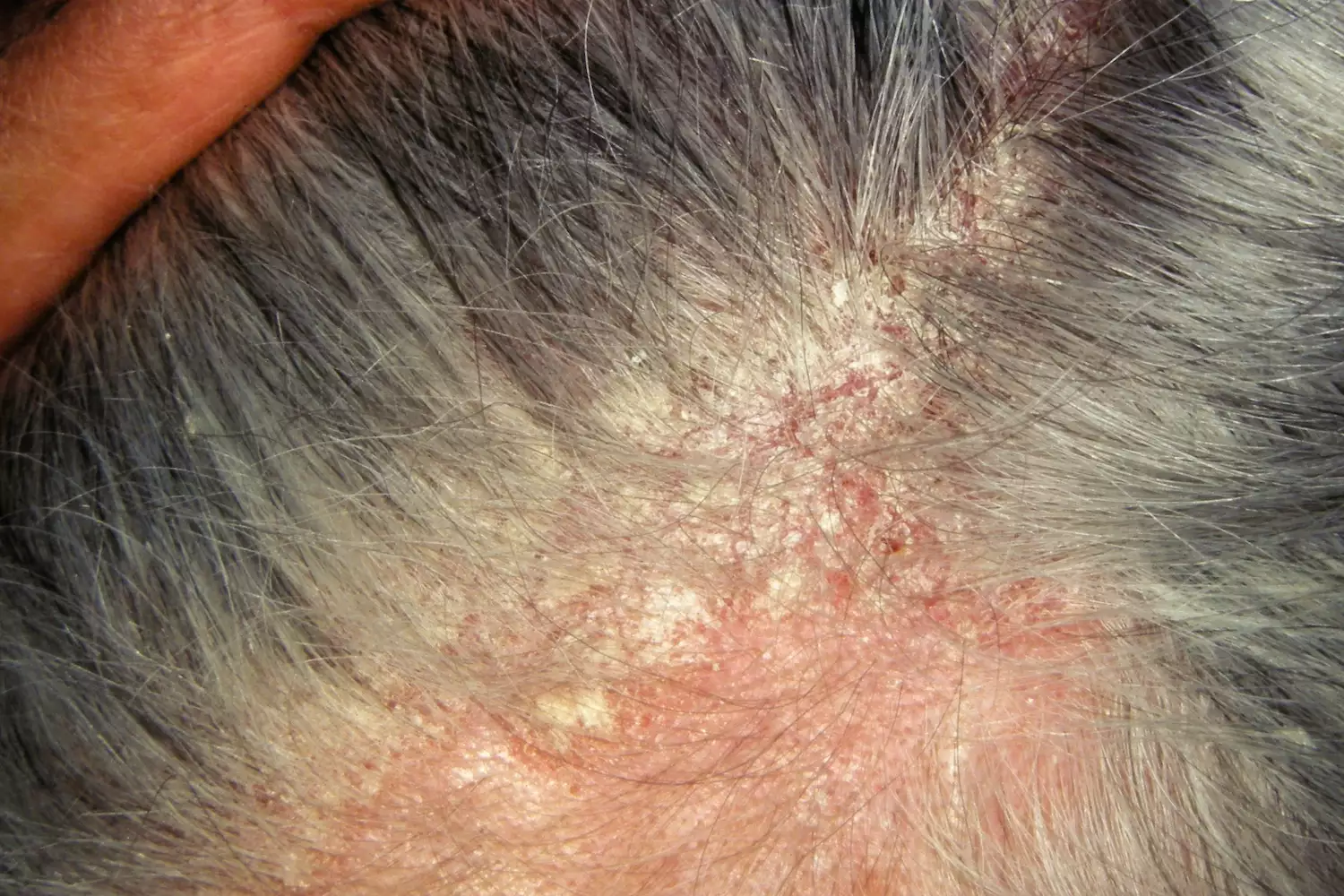
In the 2026 landscape, roflumilast foam has emerged as a game-changer for seborrheic dermatitis. Unlike heavy creams, the foam formulation can reach the skin through the hair, making it much easier to apply to the scalp. Maintaining microbiome balance through gentle cleansing and avoiding heavy, oil-based products that "feed" the yeast is a critical part of a long-term chronic dermatitis long-term management plan.
The 4-Part Simultaneous Management Plan
When a flare-up is severe or covering a large area, a structured approach is necessary to regain control. This framework addresses the four pillars of skin health simultaneously.
- Skin Barrier Repair: Apply your moisturizer within three minutes of exiting the shower while the skin is still damp. This "3-minute rule" helps trap moisture and prevents transepidermal water loss. Use thick emollients and humectants like glycerin or hyaluronic acid.
- Itch Control: Pruritus, or itching, is the most debilitating symptom. Use cool compresses and, if necessary, oral antihistamines to help you sleep. Controlling the itch prevents the physical damage caused by scratching, which further breaks down the skin barrier.
- Inflammation Reduction: Utilize your prescribed dermatitis treatment options. In 2026, this often means alternating between JAK inhibitors and steroid-free topicals to maintain clear skin without side effects.
- Infection Prevention: Broken skin is an invitation for bacteria like Staphylococcus aureus. For those with frequent infections, a diluted bleach bath can help reduce the bacterial load on the skin.
Bleach Bath Ratios: Use 1/2 cup of regular strength (6%) plain liquid bleach for a full 40-gallon bathtub of lukewarm water. Soak for 10 minutes, twice a week. Always rinse with fresh water afterward.
Moisturizer Application Tips: Use the "pat dry" method. Instead of rubbing your skin with a towel, gently pat it until it is just slightly damp, then immediately apply your emollient to seal in the hydration.
Systemic Treatment Comparison (2026 Standards)
| Treatment Type | Targeted Mechanism | Best For | Steroid-Free? |
|---|---|---|---|
| JAK Inhibitors | Intracellular signaling | Moderate-to-severe Atopic | Yes |
| Biologics | IL-4/IL-13 cytokines | Chronic, systemic Atopic | Yes |
| Oral Steroids | Broad immune suppression | Short-term emergency only | No |
| Phototherapy | Narrow-band UVB light | Non-responsive chronic cases | Yes |
FAQ
What is the fastest way to get rid of dermatitis?
The fastest way to calm an acute flare-up is to combine a high-quality topical anti-inflammatory with intensive skin barrier repair. Using cool compresses can provide immediate relief from heat and itching, while a thick emollient applied to damp skin helps seal the barrier. If the trigger is an external irritant, removing that substance is the first step toward clearing the skin.
Can dermatitis go away on its own without treatment?
While some mild cases of irritant contact dermatitis may resolve once the irritant is removed, chronic conditions like atopic or seborrheic dermatitis usually require active management. Without treatment, the skin barrier continues to weaken, leading to a cycle of inflammation, itching, and potential secondary infections that make the condition worse over time.
What are the best over-the-counter creams for dermatitis?
Over-the-counter options typically include low-potency hydrocortisone for short-term inflammation and barrier-repair creams containing ceramides. For seborrheic types, anti-fungal creams containing clotrimazole or shampoos with zinc pyrithione are effective. However, always look for fragrance-free and hypoallergenic labels to avoid further irritating sensitive skin.
Are there any natural home remedies for dermatitis flare-ups?
Colloidal oatmeal baths are a well-researched natural remedy that can soothe itchy skin and provide a protective layer. Sunflower seed oil has also shown promise in supporting the skin barrier. While coconut oil is popular, it may be comedogenic for some or cause reactions in those with nut allergies, so a patch test is always recommended.
How do doctors typically treat severe dermatitis?
For severe or widespread cases, doctors move beyond topicals to systemic therapies. In 2026, this involves JAK inhibitors or biologics like dupilumab, which target specific parts of the immune system. They may also utilize phototherapy or short courses of immunosuppressants to break a severe cycle of inflammation before transitioning the patient to a long-term maintenance plan.
What is the difference between treating contact dermatitis and atopic dermatitis?
The primary difference lies in the cause. Contact dermatitis treatment focuses heavily on identifying and removing an external trigger through patch testing. Atopic dermatitis is an internal, chronic condition, so treatment focuses on long-term immune modulation and constant barrier support. While both use similar topicals, the management of atopic dermatitis is usually more comprehensive and lifelong.