Quick Facts
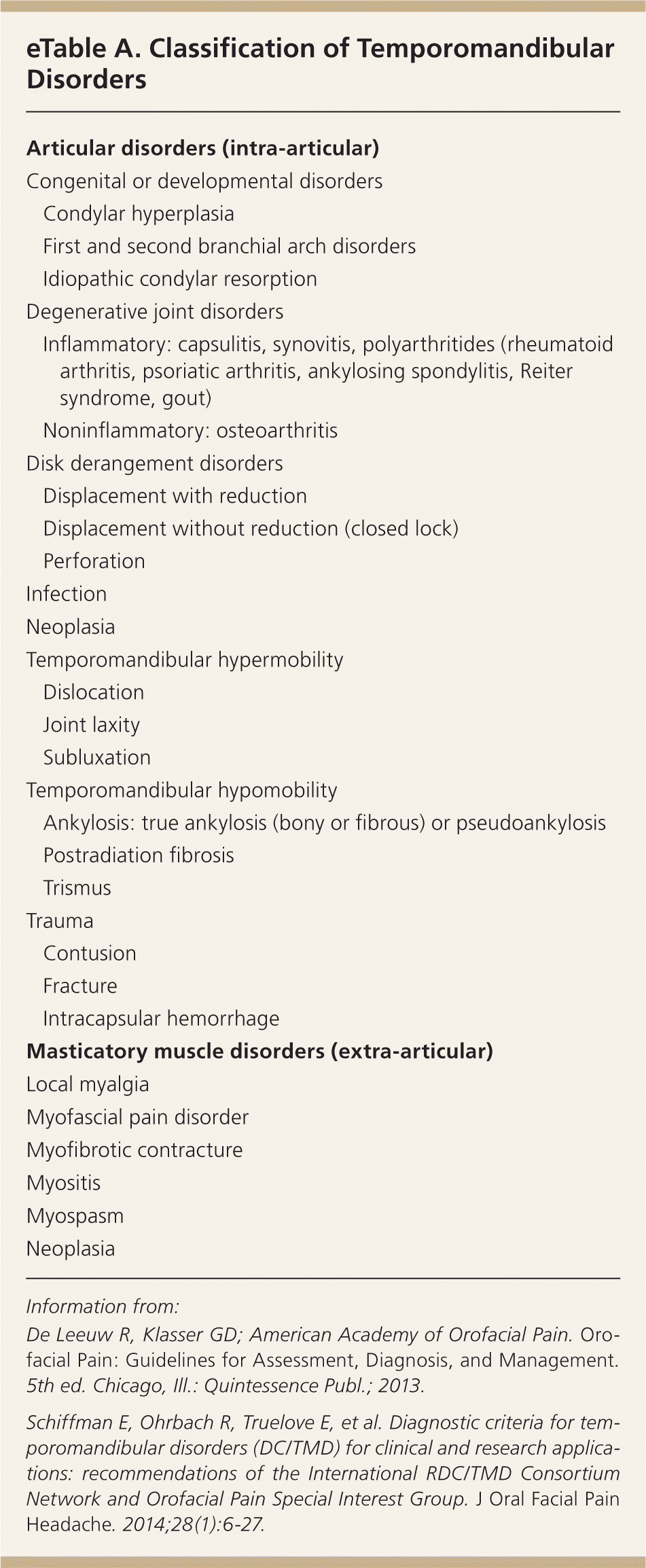
- Prevalence: Temporomandibular disorders affect between 5% and 12% of the population, though many do not require invasive surgery.
- Demographics: These conditions are at least twice as common in women as in men, peaking between ages 20 and 40.
- Primary Marker: Tenderness in the lateral pterygoid muscle is present in nearly 100% of symptomatic cases.
- Dental Red Flag: Look for flattened tooth surfaces or unusual occlusal wear as a sign of nighttime clenching.
- Direct Answer: Differentiating TMD symptoms from normal jaw pain involves identifying persistent clicking, crepitus, and jaw locking. While occasional soreness is common, true temporomandibular joint disorder indicators include chronic facial fatigue and changes in bite alignment.
Differentiating TMD symptoms from temporary jaw pain often involves looking for persistent clicking, popping, or grating sounds during movement. While minor muscle soreness can occur from temporary strain, TMD is characterized by chronic facial tenderness, difficulty chewing, and a jaw that may lock in an open or closed position. Dental indicators like unusual occlusal wear or changes in how teeth fit together further distinguish these disorders.
Sign 1: Persistent Clicking, Popping, or Crepitus
When we talk about the health of the jaw, the sound it makes is often its first language. You might notice a sharp pop when you yawn or a rhythmic clicking while enjoying a meal. In my experience as a lifestyle editor, many people dismiss these sounds as a "quirky" trait of their body. However, understanding how to tell if jaw clicking is tmd requires looking at the mechanics of the joint.
The temporomandibular joint functions like a sliding hinge, connecting your mandible to the temporal bone. Inside this joint sits a small cushion called the articular disk. When this disk slips out of its proper position—a condition known as articular disk displacement—the joint may click as the disk pops back into place during movement. This is more than just a sound; it is a sign that the joint is working against resistance.
If the sound evolves into a crunching or grating sensation, it is referred to as crepitus. This often indicates that the protective cartilage has worn down, leading to bone-on-bone friction. This is often linked to the lateral pterygoid muscle, which controls the movement of the disk. When this muscle becomes chronically tight, it pulls on the joint unevenly. While a painless click might not be an immediate emergency, persistent jaw clicking and locking symptoms combined with pain are clear temporomandibular joint disorder indicators that require a professional look.
Sign 2: Morning Headaches and Dental Wear Patterns
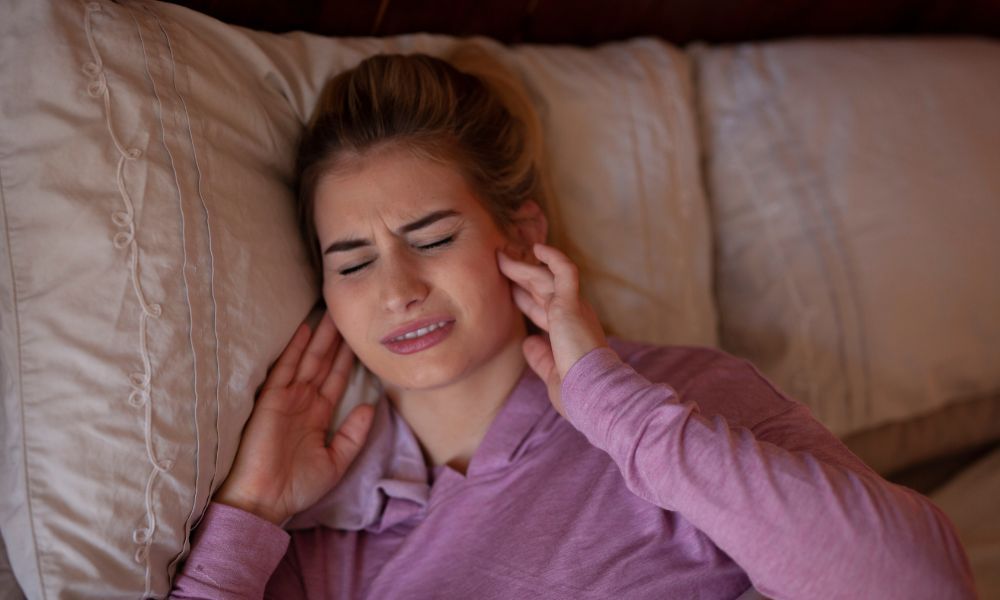
Do you often wake up with a dull, throbbing ache in your temples? You might blame it on a late night or a poor pillow, but these morning headaches and jaw pain indicators are frequently tied to your teeth. Chronic bruxism, or teeth grinding, is a significant dental warning sign linked to TMD symptoms. This habit places excessive stress on the joint and the surrounding muscles, leading to myofascial pain that radiates upward toward the skull.
During your regular dental checkup, your dentist is looking for more than just cavities. They are searching for dental signs of TMJ dysfunction such as occlusal wear. This refers to the flattening of the tooth cusps and the thinning of enamel. When you grind your teeth at night, the force exerted can be up to ten times stronger than what you use for chewing food. This excessive force doesn't just damage the teeth; it inflames the joint capsule and causes the masseter muscle to become hyper-reactive.
If you see your teeth looking "shorter" or notice chips in your enamel that seem to appear out of nowhere, these are dental warning signs of teeth grinding and tmd. The constant pressure prevents the jaw muscles from resting, which is why the pain is often most acute the moment you wake up.
Sign 3: The ENT Connection—Ear Fullness and Tinnitus
One of the most frustrating aspects of jaw health is how it can mimic other medical issues. I often call TMD the "master of disguise." You might feel a persistent sense of ear fullness, a ringing known as tinnitus, or even sharp ear pain. Many patients spend months visiting ear, nose, and throat (ENT) specialists only to find that their ears are perfectly healthy.
This happens because of the proximity of the jaw joint to the ear canal. The auriculotemporal nerve passes right behind the joint. When there is inflammation, such as synovitis, or the joint is displaced, it can put pressure on this nerve or the Eustachian tube. This creates the ear fullness and jaw pain connection that many people find so confusing.
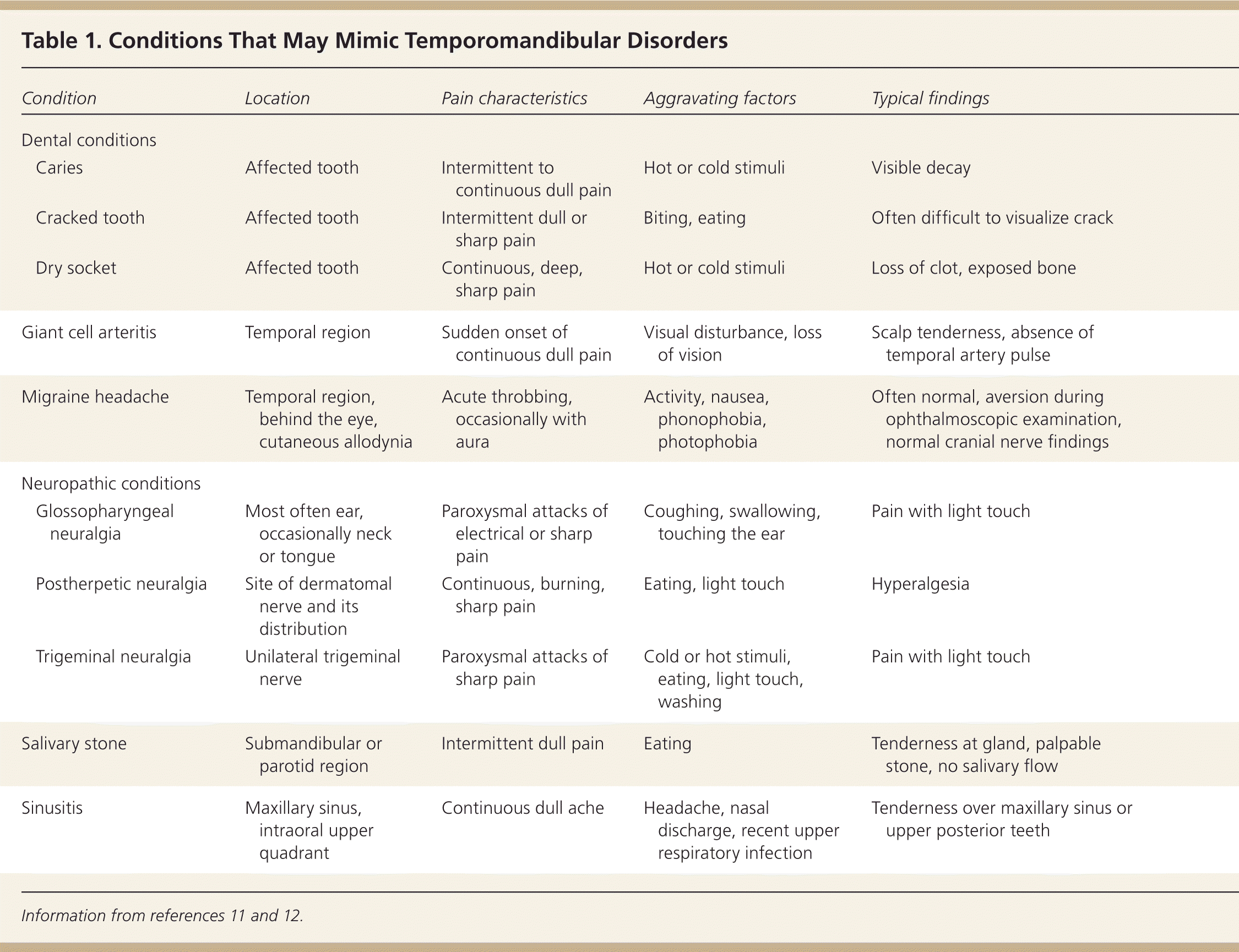
The relationship between the jaw and the ear is a prime example of why we must look at the body holistically. Stress that manifests as jaw clenching can lead to muscle spasms that pull on the small muscles of the middle ear. If you have been cleared of an ear infection but still feel "clogged," it is time to consider tmd symptoms vs normal jaw pain.
Sign 4: Jaw Locking and Trismus
Perhaps the most alarming sign is when the jaw suddenly refuses to move as it should. You might experience a sensation where your jaw gets "stuck" when opening wide, or you might find you cannot open your mouth more than a few centimeters. This limited range of motion is clinically known as trismus.
When the articular disk displacement becomes severe, the disk can act like a physical doorstop, preventing the condyle (the rounded end of the jaw bone) from sliding forward. This results in tmd symptoms related to jaw locking. In some cases, the jaw may lock in an open position, which can be quite distressing.
Beyond the "lock," you might notice difficulty chewing as a sign of tmj dysfunction. If you find yourself avoiding hard or chewy foods like apples or steak because your jaw feels tired or weak, your joint is likely struggling with internal derangement. This isn't just a matter of muscle fatigue; it is a sign that the joint's movement is mechanically compromised.
Sign 5: Systemic Pain—From Tech-Neck to Numb Fingers
While the joint is located in the face, the impact of TMD often ripples down the body. Our posture plays a massive role in jaw alignment. Many of us spend hours hunched over laptops or phones, a habit that creates neck and shoulder tension from tmd. When the head is pushed forward, it changes the way the upper and lower teeth meet—a condition called malocclusion.
This misalignment puts a constant strain on the neck muscles and the trapezius. Over time, this chronic tension can lead to myofascial pain that doesn't just stay in the neck. In some instances, the inflammation around the jaw can contribute to nerve compression that causes a tingling or numb sensation in the fingertips.
These systemic temporomandibular joint disorder indicators remind us that the jaw is not an island. It is the center of a complex web of muscles and nerves. When one part of the system is out of balance, the rest follows. Addressing your posture and ergonomics is often just as important as an orthodontic assessment when managing these complex symptoms.
Symptom-Reason Comparison Table
| Dental Warning Sign | Common Clinical Reason | Impact on Daily Life |
|---|---|---|
| Persistent Clicking | Articular disk displacement | Noise during meals and speech |
| Flattened Teeth | Chronic bruxism (grinding) | Sensitivity and morning headaches |
| Ear Ringing/Fullness | Synovitis and nerve pressure | Mimics ear infections or hearing loss |
| Limited Opening | Trismus (muscle guarding) | Difficulty eating or brushing teeth |
| Neck/Shoulder Pain | Myofascial pain and posture | Chronic fatigue and "tech-neck" |
When to See a Maxillofacial Specialist
Knowing when to see a dentist for jaw clicking is crucial for preventing long-term damage. If your symptoms are limited to an occasional, painless pop, you might benefit from lifestyle adjustments like stress reduction and soft-food diets. However, if the pain is chronic, if your jaw is locking, or if you notice significant changes in your bite, it is time for a professional evaluation.
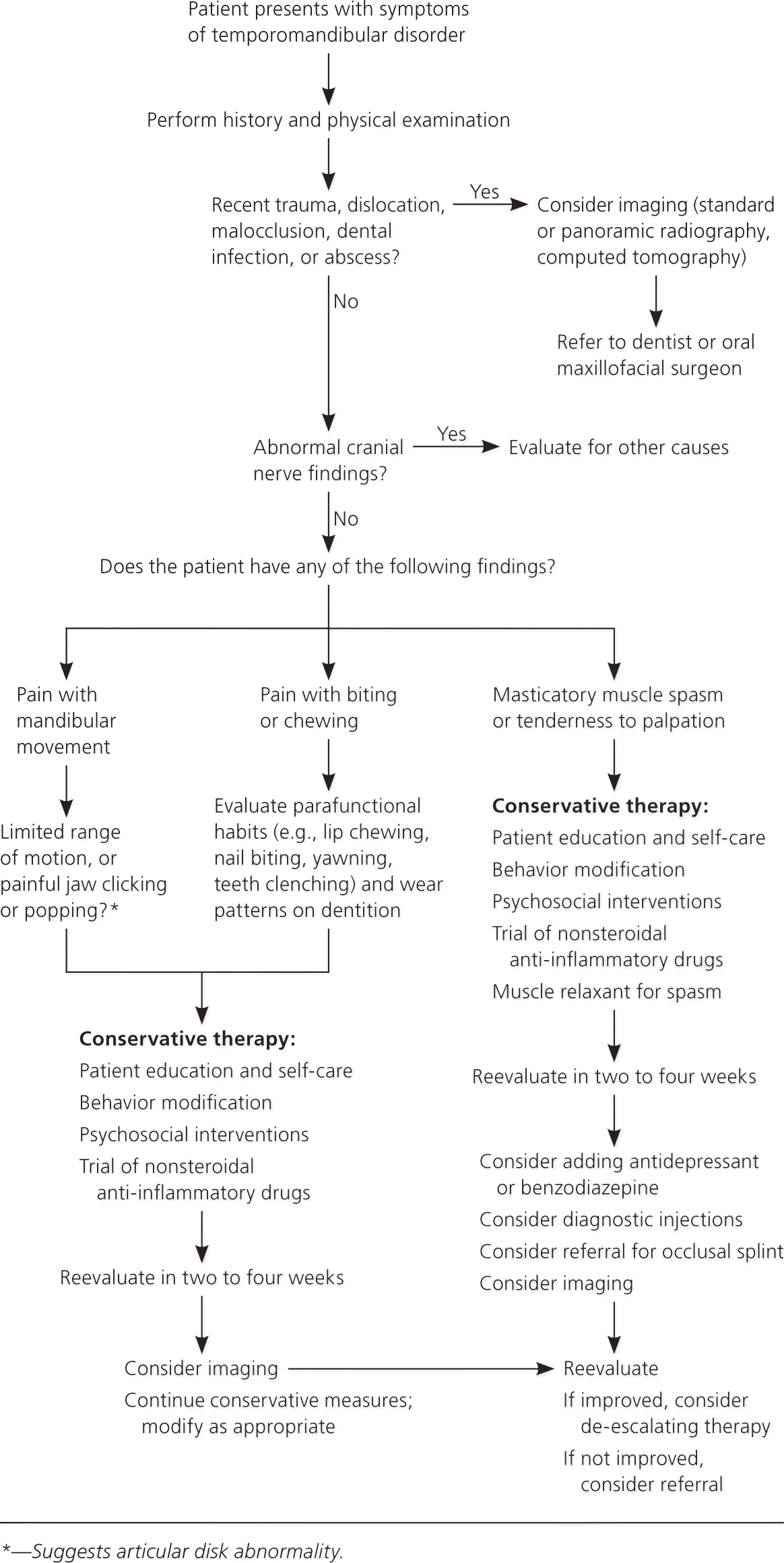
A maxillofacial specialist or a dentist trained in neuromuscular dentistry can perform a comprehensive exam. They will assess your bite force, look for signs of enamel wear, and may use imaging like MRI or CT scans to see the position of the joint disk.
Treatment often starts with conservative, non-invasive measures. Night guards are a common first line of defense to manage bruxism and protect the teeth. Physical therapy can help retrain the muscles, and in some cases, orthodontic adjustments are needed to correct malocclusion. For those with severe muscle tension, some specialists may even suggest Botox injections to temporarily relax the hyperactive muscles.
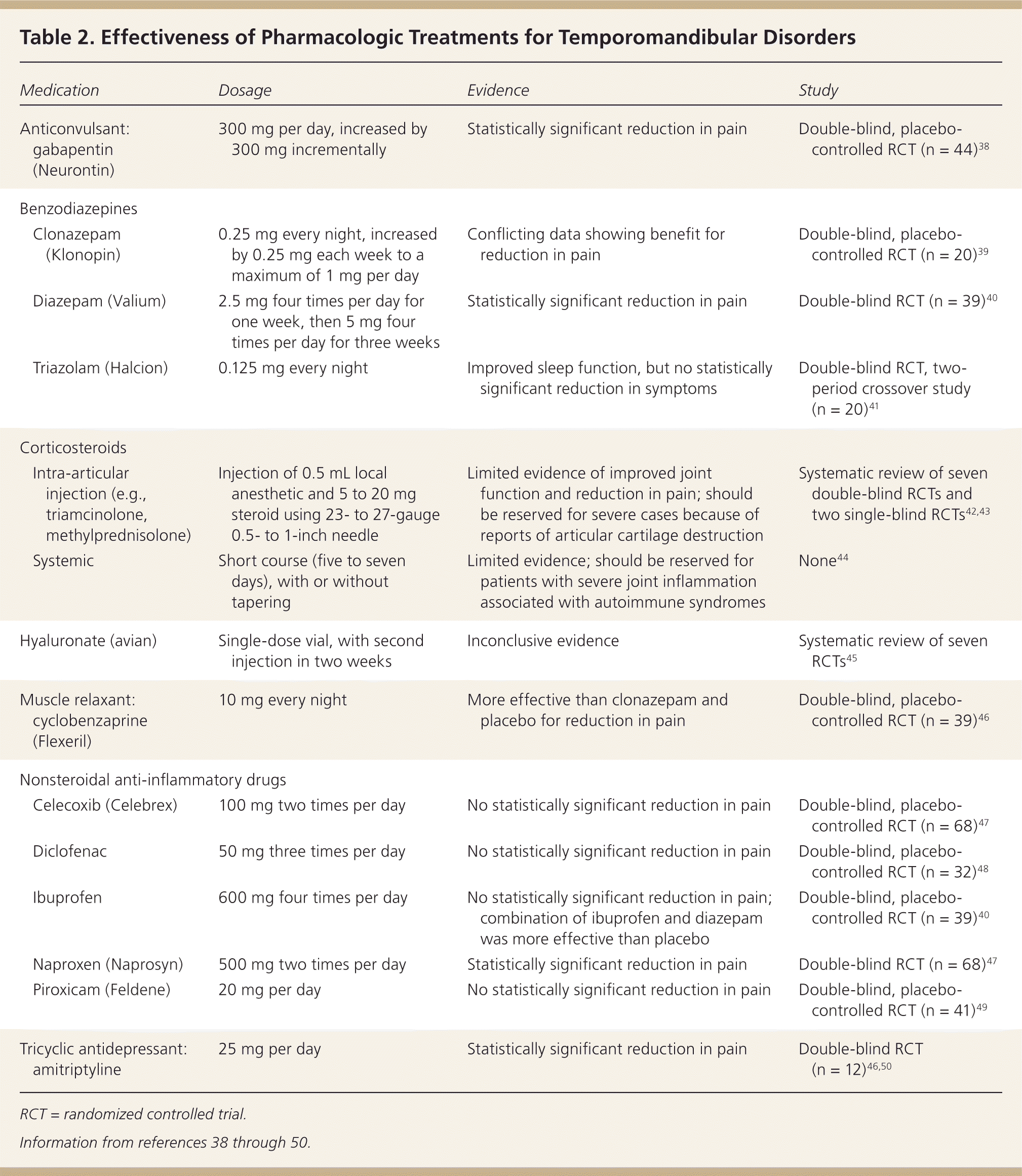
The goal of treatment is always to restore function and reduce pain while protecting the structural integrity of your teeth and joints. By catching these warning signs early, you can implement preventive strategies that keep your smile—and your jaw—healthy for years to come.
FAQ
What are the most common symptoms of TMD?
The most frequent indicators include persistent pain in the jaw joint or facial muscles, clicking or popping sounds when moving the mouth, and a restricted range of motion. Many people also experience chronic headaches, especially in the morning, and a feeling of "tiredness" in the face after eating or talking for long periods.
How can I tell if my jaw pain is TMD?
Occasional jaw pain from a temporary injury or a tough piece of food usually clears up in a few days. TMD is typically characterized by symptoms that are chronic or recurring. If the pain is accompanied by structural signs like a clicking joint, changes in how your teeth fit together, or ear-related symptoms like ringing, it is more likely to be a joint disorder.
Can TMD cause headaches and neck pain?
Yes, there is a very strong link between jaw dysfunction and pain in the head and neck. The muscles that control the jaw are connected to those in the neck and skull. Chronic clenching or grinding (bruxism) puts these muscles in a state of constant tension, which often manifests as tension-type headaches or stiff, painful shoulders.
Does TMD cause ear pain or ringing in the ears?
It often does. Because the jaw joint is located extremely close to the ear canal, inflammation in the joint can affect the surrounding nerves and the Eustachian tube. This can create a sensation of fullness, localized ear pain, or tinnitus (ringing), even when the ear itself is healthy.
Why does my jaw click or pop when I open my mouth?
Clicking usually occurs when the articular disk—the cushion inside the joint—slips out of place. When you open your mouth, the disk may "pop" back into the correct position, creating the sound. While this can be a harmless variation for some, it is often a sign of muscle tension or internal joint issues if it happens frequently or causes pain.
When should I see a doctor for TMD symptoms?
You should seek a professional evaluation if you experience persistent pain that interferes with your daily life, if your jaw becomes locked in an open or closed position, or if you have difficulty chewing. A dentist or specialist can help identify if the issue is muscular or structural and provide a plan to prevent further joint damage.