Quick Facts
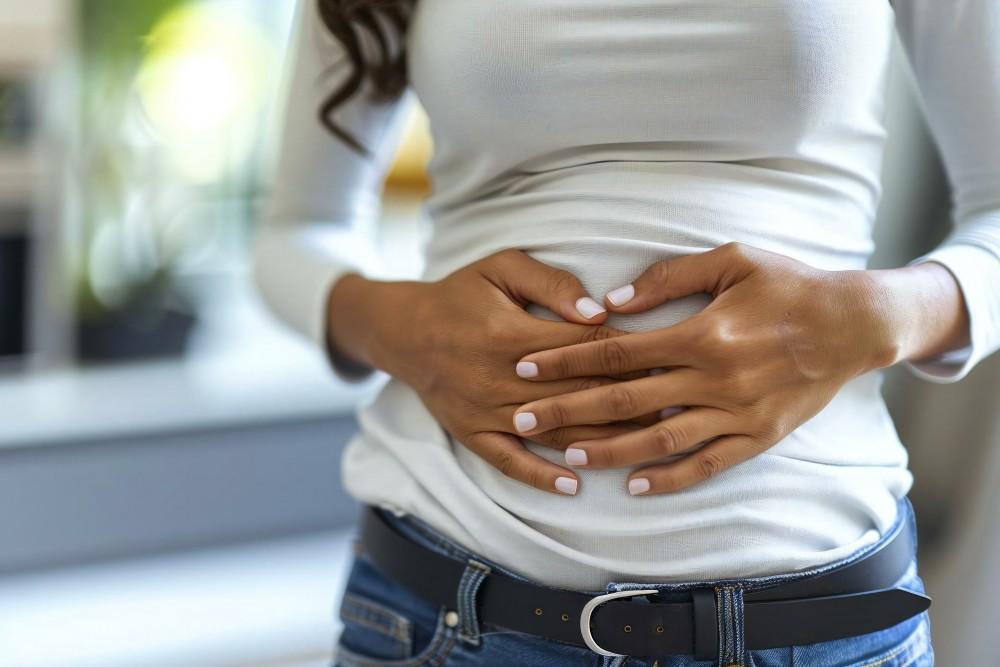
- Primary Symptom: Sharp abdominal pain, most frequently located in the lower left side of the abdomen.
- Emergency Threshold: A fever exceeding 100°F accompanied by chills or persistent vomiting.
- Complication Risk: Approximately 15% to 25% of patients diagnosed with this condition develop serious issues like abscesses or perforations.
- Annual Impact: Acute flare-ups lead to an estimated 371,000 emergency department visits every year in the United States.
- Pain Variance: While Western patients usually feel pain in the lower left, Asian patients often experience it in the upper or right abdomen.
- Prevention Strategy: Long-term wellness relies on a staged dietary approach, moving from liquids to a high-fiber maintenance routine.
Common diverticulitis symptoms include severe abdominal pain, nausea, fever, and changes in bowel habits. In individuals of European descent, pain is typically localized in the lower left quadrant near the sigmoid colon, though it may radiate to the back or pelvis. In Asian patients, pain more frequently presents in the upper abdomen. A palpable, tender mass in the colon area and a rigid abdomen are also significant warning signs of acute inflammation.
1. Intense Abdominal Pain: Localizing the Source
When discussing gut health, we must first distinguish between Diverticulosis and the more acute state of diverticulitis. Diverticulosis refers to the presence of small, bulging pouches in the digestive tract. These pouches are common, especially after age 40, and often cause no trouble. However, when these pouches become inflamed or infected, we transition into the realm of Acute inflammation.

The primary indicator of a flare-up is abdominal pain, which is reported in approximately 70% of cases. For the majority of Western patients, the diverticulitis pain location lower left quadrant is the most reliable sign. This is because the Sigmoid colon, where these pouches most frequently form in Western populations, is situated in that lower left area. The pain is rarely a fleeting cramp; instead, it is often described as a sharp, persistent sensation that may worsen with movement or over several days.
However, clinical data reminds us that anatomy can vary by demographic. In Asian populations, the diverticulitis pain location in Asian patients often shifts to the right side or the upper abdomen. This right-sided presentation can sometimes lead to a misdiagnosis of appendicitis if a thorough evaluation isn't performed. Regardless of your background, if you feel a deep, localized tenderness that makes it difficult to stand up straight, your body is signaling a significant issue.
2. Persistent Fever and Signs of Infected Diverticulitis
As a lifestyle editor focused on preventive care, I always tell readers that a fever is the body’s way of sounding the alarm. In the context of diverticular disease, a fever suggests that you are no longer dealing with simple irritation but have progressed to signs of infected diverticulitis.
Infection occurs when a diverticulum tears, allowing bacteria to enter the surrounding tissue. This triggers an immune response, often resulting in a high white blood cell count and a fever that refuses to break with standard rest. If you experience signs of infected diverticulitis with fever, it is often a precursor to more complex issues, such as an Abdominal abscess. An abscess is a localized pocket of infection that can cause localized Abdominal tenderness so severe that even the weight of clothing against the skin feels painful.
In a clinical setting, doctors will often utilize Computed Tomography (CT) to visualize the extent of the infection. This imaging helps determine if the inflammation is "uncomplicated" (treated with rest and sometimes antibiotics) or "complicated" (requiring more intensive intervention). If you are experiencing early warning signs of a diverticulitis flare up, monitoring your temperature twice daily is a simple but effective self-care practice.
3. Nausea, Vomiting, and Bowel Obstruction
While localized pain is the hallmark, diverticulitis symptoms frequently extend to the upper digestive tract. Nausea and uncontrollable vomiting are common, particularly when the inflammation causes a partial or total Bowel obstruction. As the colon wall swells due to the infection, the passage of waste becomes difficult, leading to a backup that manifests as gastric distress.
In severe cases, the inflammation can lead to an Intestinal perforation, where a hole develops in the colon wall. This is a life-threatening situation because it allows waste to leak into the abdominal cavity, causing Peritonitis. If your abdomen feels rigid or "board-like" to the touch, this is a red flag that the infection has spread beyond the colon.
From a lifestyle perspective, these symptoms underscore the importance of gut motility. When the colon is under stress, the entire system slows down. If you notice a sudden shift in your bowel habits—such as constipation followed by bouts of diarrhea—combined with persistent nausea, it is time to consult a professional rather than reaching for an over-the-counter antacid.
4. Rectal Bleeding and Fistula Formation
While less common than pain, rectal bleeding is a symptom that demands immediate investigation. When a diverticulum erodes into a nearby blood vessel, it can cause a sudden, painless loss of bright red blood. While many assume all diverticular issues involve pain, "diverticular bleeding" can occur without the hallmarks of infection.
However, when infection is present, it can lead to the development of a Fistula formation. A fistula is an abnormal connection or "tunnel" that forms between two organs. In diverticulitis, the inflamed colon may attach itself to the bladder or, in women, the vagina. This can lead to highly unusual symptoms, such as:
- Painful urination or frequent urinary tract infections.
- Passing air or stool through the urethra.
- Persistent pelvic pain that feels deeper than standard muscle aches.
These signs of infected diverticulitis indicate that the disease has progressed into a chronic or complicated stage, requiring specialized surgical or medical management to close the abnormal passages and restore organ function.
5. When to Go to the ER for Diverticulitis Symptoms
Deciding when to seek emergency care can be stressful. However, there are clear clinical markers that indicate a trip to the hospital is necessary. Because 15% to 25% of patients face complications like perforation or sepsis, erring on the side of caution is the evidence-based approach.
ER Red Flags Checklist
- High Fever: A temperature over 101°F that does not respond to medication.
- Severe Pain: Pain that is so intense you cannot find a comfortable position or walk.
- Signs of Sepsis: Feeling dizzy, pale, clammy, or experiencing a rapid heart rate. Sepsis risk is high if an infection enters the bloodstream.
- Inability to Keep Liquids Down: If you cannot hydrate due to persistent vomiting, you risk severe dehydration.
- Rigid Abdomen: A stomach that feels hard and tender to even light pressure.
When you arrive at the ER, the medical team will likely perform a physical exam to check for Abdominal tenderness and order a Computed Tomography scan to assess the Sigmoid colon. Immediate care is vital to prevent long-term damage or the need for emergency colostomy surgery.
Diverticulitis vs. IBS: Spotting the Difference
Many of my readers often confuse diverticulitis symptoms vs irritable bowel syndrome (IBS). While both involve the gut, they are fundamentally different conditions. IBS is a functional disorder, meaning the gut looks normal but doesn't work correctly. Diverticulitis is a structural and inflammatory condition.
| Feature | Diverticulitis | Irritable Bowel Syndrome (IBS) |
|---|---|---|
| Fever | Common during flare-ups | Almost never present |
| Pain Nature | Constant, sharp, and localized | Cramping, comes and goes |
| Infection Signs | High white blood cell count | No infection markers |
| Triggers | Infected pouches in the colon | Stress, specific foods, or anxiety |
| Onset | Acute and sudden | Chronic and recurring over months |
If you are trying to differentiate diverticulitis symptoms vs irritable bowel syndrome, look for the "inflammatory markers." If you have a fever, chills, or a localized spot that is extremely tender to the touch, it is likely more than just a typical IBS flare-up.
Preventing Recurrence: Fiber Targets and Dietary Stages
Once the Acute inflammation has subsided, the focus shifts to preventive care. The goal is to prevent the pockets from becoming blocked and inflamed again. This is achieved through a carefully managed Dietary fiber intake.
In the past, patients were told to avoid nuts, seeds, and popcorn, but modern evidence has debunked this. There is no clinical proof that these foods cause flare-ups. Instead, the focus is now on the volume of fiber and hydration.
Staged Diet Recovery
- Clear Liquid Phase: Broth, apple juice, and plain gelatin (2–3 days during the peak of a flare-up).
- Low-Fiber Phase: White bread, eggs, and well-cooked vegetables (transition phase to rest the bowel).
- High-Fiber Maintenance: Gradually reaching the daily goals listed below.
Daily Fiber Goals
- Women (under 50): 25 grams per day
- Women (50+): 21 grams per day
- Men (under 50): 38 grams per day
- Men (50+): 30 grams per day

Managing your Dietary fiber intake is the most effective way to ensure long-term colon health and reduce the likelihood of another painful episode.
FAQ
What are the first signs of diverticulitis?
The earliest signs often include a lingering ache in the lower left side of the abdomen that gradually becomes more intense. You might also notice a sudden change in your bowel habits, such as constipation, accompanied by a slight feeling of bloating or mild nausea.
Where is diverticulitis pain usually located?
For most people, the pain is found in the lower left quadrant. However, the diverticulitis pain location can vary; some people feel it in the lower right or even the upper abdomen, especially among those of Asian descent. It can also radiate toward the back or the pelvic floor.
How do I know if my diverticulitis is serious?
It becomes serious when you develop systemic signs of infection. If you have a high fever, persistent vomiting, or an abdomen that feels hard and extremely painful to touch, the condition has likely progressed to a complication like an abscess or perforation.
Can diverticulitis cause back pain?
Yes, it can. Because the colon is located near various nerve pathways, inflammation in the sigmoid area can cause referred pain that felt in the lower back or the flank. If you have back pain accompanied by abdominal tenderness and fever, it may be linked to your gut.
How do you tell the difference between diverticulitis and IBS?
The main difference is the presence of infection and inflammation. Diverticulitis typically involves a fever and a constant, sharp pain in one specific spot. IBS usually involves generalized cramping that is often relieved by having a bowel movement and does not cause a fever.
What are the red flag symptoms of diverticulitis?
Red flags include a fever over 101°F, signs of sepsis like dizziness and extreme paleness, a rigid abdomen, and bright red rectal bleeding. If you experience these, you should seek emergency medical evaluation immediately to avoid serious complications.