
Quick Facts
- The 30% Rule: About 30% of psoriasis patients develop psoriatic arthritis during their lifetime.
- Timeline: Joint symptoms typically lag 7 to 12 years behind the initial appearance of skin plaques.
- Nail Warning: Approximately 80% of psoriatic arthritis cases involve nail changes like pitting or thickening.
- Severity Myth: The amount of skin involvement does not always predict the severity of joint pain or inflammation.
- Invisible Impact: Fatigue and brain fog are core systemic symptoms that affect daily quality of life.
- Systemic Nature: It is a multisystem autoimmune condition requiring holistic management beyond just topical creams.
The psoriatic arthritis connection is rooted in chronic inflammation caused by immune system dysfunction, where the body mistakenly attacks both skin cells and joint tissues. This systemic autoimmune disease often manifests as joint pain several years after the first skin signs of psoriatic arthritis appear, making early detection vital for long-term health.
Fact 1: The 7-to-10 Year Clinical Window
For most people navigating this journey, the skin acts as an early warning system. It is a well-documented phenomenon that psoriasis usually precedes the inflammatory joint condition. Statistics show that in the vast majority of cases, skin symptoms precede joint issues, typically appearing an average of 7 to 12 years before the onset of psoriatic arthritis. Understanding this window is crucial for preventive care because it gives us a decade to monitor for early skin signs of psoriatic arthritis.
During this timeframe, patients may notice scaly, silver-gray plaque lesions on their elbows, knees, or scalp. While these plaques are often managed by a dermatologist, they serve as a signal to keep a close eye on any emerging psoriasis and joint pain symptoms. This period is often referred to by specialists as the "prodromal phase," where the immune system is primed but has not yet caused significant damage to the skeletal system.
The goal for any proactive patient is to seek an early clinical diagnosis during this window. Identifying the psoriatic arthritis connection early can be the difference between maintaining a full range of motion and facing permanent joint destruction risk. When we catch the inflammation before it begins to erode the bone or damage the cartilage, our treatment options are significantly more effective.

Fact 2: The Critical Nail Connection
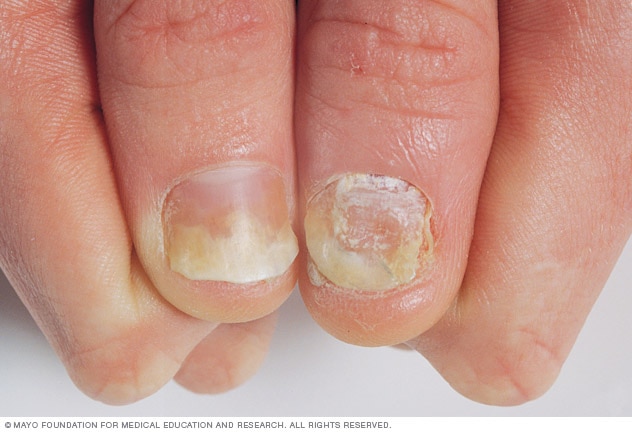
One of the most overlooked skin signs of psoriatic arthritis actually happens at the fingertips. Research indicates that 80% of patients with this condition will experience significant changes to their nails. This is not just a cosmetic issue; the nail is anatomically connected to the distal joint of the finger through the enthesis—the site where tendons attach to the bone.
When you are looking for the nail pitting and psoriatic arthritis link, you should check for several specific markers:
- Pitting: Tiny dents or depressions in the nail plate that look like the surface of a thimble.
- Onycholysis: The separation of the nail from the nail bed, often appearing as a white or yellowish patch.
- Discoloration: Also known as "oil spots," these are salmon-colored patches under the nail.
- Thickening: Known as subungual hyperkeratosis, which can sometimes be mistaken for a fungal infection.
These nail matrix changes are often the most reliable physical indicator that the immune system dysfunction is moving deeper into the body. If you notice these changes, it should trigger a formal rheumatology screening. Unlike a simple fungal infection, these nail issues are a reflection of systemic chronic inflammation and require a more comprehensive approach to treatment than over-the-counter creams can provide.
Fact 3: Dactylitis and 'Sausage Digits'
While many forms of arthritis cause swelling in a specific joint, psoriatic arthritis has a very distinct way of manifesting in the hands and feet. This is known as Dactylitis. Unlike the localized swelling of a single knuckle, dactylitis causes the entire finger or toe to swell uniformly. This gives the digit a smooth, cylindrical appearance, often referred to by clinicians as "sausage fingers" or "sausage toes."
This symptom is a direct result of the psoriatic arthritis connection skin symptoms merging with deep tissue inflammation. Dactylitis is not just a joint problem; it involves the inflammation of the tendons, ligaments, and the lining of the joints simultaneously. It is one of the hallmark signs that help doctors differentiate this condition from rheumatoid arthritis or osteoarthritis.
Identifying dactylitis in psoriasis patients is a high priority because it often signals a more aggressive form of the disease. If you wake up and find that a single finger is so swollen that you cannot see the wrinkles of the knuckles, it is a sign that the chronic inflammation is active. This symptom is frequently accompanied by plaque lesions elsewhere on the body, though the skin on the swollen digit itself may or may not be affected.
Fact 4: The Severity Disconnect
A common misconception in the world of preventive healthcare is the idea that "minor" skin issues mean "minor" joint risk. I often have to remind my readers that the psoriatic arthritis connection does not always follow a linear path. You can have very few skin patches and still experience significant joint pain and inflammation.
However, data does suggest a correlation in risk levels for those with extensive skin coverage. The risk of developing psoriatic arthritis is more than three times higher for patients with severe psoriasis compared to those with a mild form of the skin disease. While this statistic emphasizes the need for vigilance in severe cases, it should not lead those with mild psoriasis into a false sense of security.
The clinical reality is that the underlying inflammatory markers can be high even when the skin appears relatively clear. This is why we focus on the patient as a whole rather than just the surface area of their plaques. We look for symptoms like morning stiffness that lasts longer than thirty minutes or persistent tenderness at the back of the heel. Regardless of whether you have one small patch of psoriasis or involvement across 10% of your body, the internal immune activity is what dictates the long-term risk to your joints.

Fact 5: Enthesitis and Tendon Pain
One of the most unique aspects of the psoriatic arthritis connection is a condition called Enthesitis. This is inflammation at the entheses—the specific points where a tendon or ligament inserts into the bone. In other types of arthritis, the focus is almost entirely on the joint capsule or the cartilage, but in psoriatic disease, the "hot zones" are often where the soft tissue meets the skeleton.
Common areas where patients feel this include:
- The Achilles Tendon: Pain and swelling at the back of the heel.
- The Plantar Fascia: Intense pain at the bottom of the foot, especially during the first steps in the morning.
- The Elbow: Often mistaken for "tennis elbow" or "golfer’s elbow."
- The Rib Cage: Tenderness where the ribs meet the breastbone.
In a comprehensive psoriasis and joint pain symptoms guide, enthesitis is highlighted because it can be incredibly debilitating even without visible joint swelling. It reflects the systemic nature of the chronic inflammation. If you find yourself struggling with persistent heel pain that doesn't resolve with rest or new shoes, and you have a history of psoriasis, it is time to discuss the possibility of psoriatic arthritis with a specialist. This symptom is one of the "6 domains" that rheumatologists use to assess the full impact of the disease on a patient's life.
Fact 6: The Systemic Impact (Fatigue and Brain Fog)
As a lifestyle editor, I believe it is essential to talk about the "invisible" side of psoriatic disease health management. We often focus so much on the skin and the joints that we forget this is a condition that affects the entire body. The same immune system dysfunction that causes plaques and joint swelling also releases pro-inflammatory cytokines into the bloodstream.
These chemicals can cross the blood-brain barrier, leading to profound fatigue and "brain fog." This isn't just being tired from a long day; it is a heavy, systemic exhaustion that doesn't always improve with sleep. During disease flares, patients often report:
- Difficulty concentrating or finding words.
- A feeling of "heaviness" in the limbs.
- Disrupted sleep patterns due to pain or itching.
Managing these symptoms requires a holistic approach. While biological therapies are incredibly effective at dampening the systemic fire of inflammation, lifestyle adjustments are equally important. Reducing stress, optimizing nutrition to include anti-inflammatory foods, and maintaining gentle movement can all help mitigate the systemic burden. By treating the whole person rather than just the visible symptoms, we can improve not just the physical mobility but the mental clarity and energy levels of those living with the psoriatic arthritis connection.

Seeking Professional Care (CTA)
Navigating the path from skin symptoms to joint health requires a dedicated team. If you are noticing a change in your physical mobility or experiencing new aches that don't go away, it may be time to transition from seeing just a dermatologist to a multidisciplinary care model.
The goal is early intervention. A rheumatologist can work alongside your skin specialist to develop a plan that addresses both the internal and external manifestations of the disease. Modern treatments are designed to stop the progression of joint damage before it begins, allowing you to live an active, full life.

FAQ
What is the connection between psoriasis and psoriatic arthritis?
The connection lies in a shared underlying cause: an overactive immune system. In psoriasis, the immune system targets the skin, causing rapid cell turnover and plaque formation. In psoriatic arthritis, that same immune response extends to the joints, ligaments, and tendons, causing inflammation and potential damage. They are two different manifestations of the same systemic autoimmune disease. Approximately 30 percent of individuals with the skin condition psoriasis will eventually develop psoriatic arthritis.
Can you have psoriatic arthritis without having psoriasis?
Yes, it is possible, though much less common. In about 15% of cases, joint symptoms appear before skin symptoms, or the patient may have "psoariasis sine psoriasis," where they have the arthritis and a strong family history of the skin condition without having active plaques themselves. However, a thorough rheumatology screening often reveals subtle skin signs of psoriatic arthritis, such as involvement in the scalp, belly button, or natal cleft, which the patient may not have recognized as psoriasis.
How long after psoriasis does psoriatic arthritis usually develop?
For the majority of people, there is a significant gap between the two conditions. Statistics indicate that joint issues typically appear an average of 7 to 12 years after the first skin plaques develop. This delay provides a critical window for monitoring and early clinical diagnosis.
What are the early signs of psoriatic arthritis in psoriasis patients?
Early signs include morning stiffness that takes a long time to "loosen up," swelling of an entire finger or toe (dactylitis), and pain at the points where tendons meet bone, such as the Achilles tendon. Nail changes, such as pitting or crumbling, are also very strong early indicators that the disease may be affecting the joints.
Does the severity of psoriasis affect the risk of psoriatic arthritis?
There is a general trend where the risk of developing psoriatic arthritis is more than three times higher for patients with severe psoriasis. However, it is important to remember that even patients with very mild skin involvement can develop severe joint inflammation. The severity of the skin disease does not always mirror the severity of the joint disease, making regular check-ups essential for everyone on the psoriasis spectrum.