Quick Facts
- Emergency Incidence: Abdominal pain is one of the most common reasons for seeking medical care, accounting for approximately 7% to 10% of all emergency department visits in the United States.
- Hospitalization Rates: Approximately 25% of patients who present to emergency departments with abdominal pain require hospitalization for further evaluation and treatment.
- Prevalence: The population prevalence of functional gastrointestinal disorders, such as irritable bowel syndrome and functional dyspepsia, is estimated to be between 15% and 25% globally.
- Surgical Necessity: Between 15% and 20% of acute abdominal pain cases in emergency settings eventually require surgical intervention.
- Diagnostic Standard: Contrast-enhanced CT scans are the gold standard for many abdominal emergencies, offering a 91% sensitivity rate for accurate diagnosis.
- Age Factors: Patients over the age of 50 facing acute abdominal pain have significantly higher risks, with some studies indicating a mortality rate near 14% if underlying causes are vascular or surgical.
Abdominal pain is a multifaceted symptom that can range from mild indigestion to life-threatening emergencies. Identifying why your stomach hurts depends heavily on the location of the discomfort and the presence of red flags like fever or a rigid abdomen. While many causes of stomach cramps are self-limiting, understanding when to go to er for abdominal pain is crucial for conditions like appendicitis or a bowel obstruction.
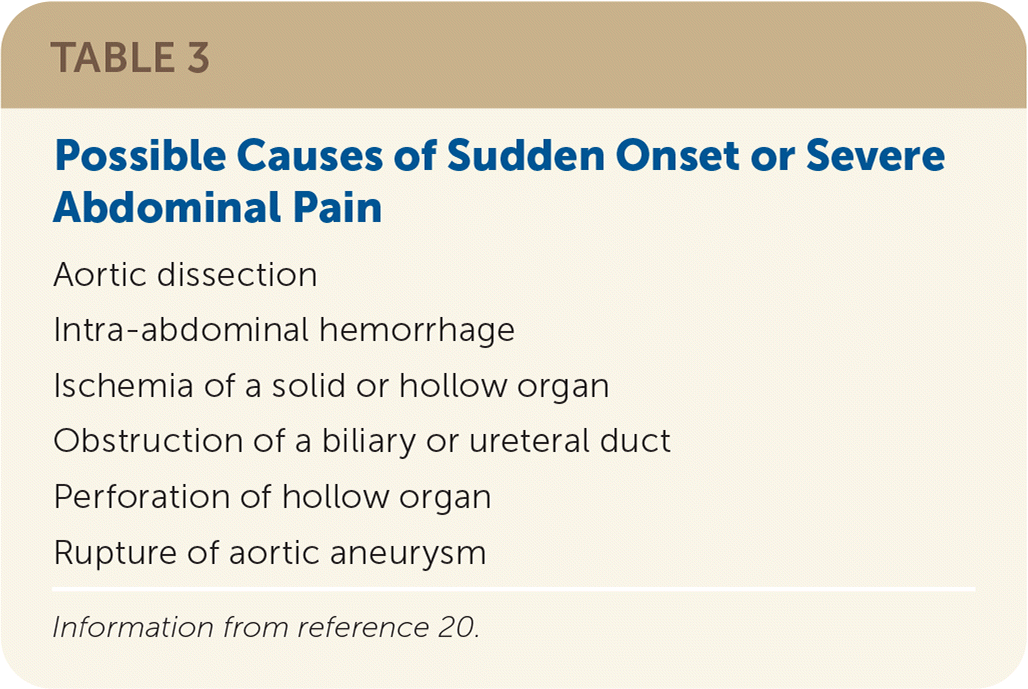
Emergency Red Flags: When to Go to the ER
Knowing how to tell if stomach pain is serious can literally be a matter of life and death. While most people experience localized abdominal discomfort at some point due to overeating or mild viruses, certain clinical markers indicate that the body is in crisis. One of the most critical signs of emergency stomach pain is the development of peritonism. This occurs when the lining of the abdominal cavity becomes inflamed, leading to a rigid or distended abdomen that feels hard to the touch.
If you experience rebound tenderness—pain that worsens significantly when a doctor quickly releases pressure after physical palpation—you should seek immediate care. Other systemic indicators that your situation is an emergency include fainting, high fever, or the presence of bilious vomiting (greenish-yellow fluid). Gastrointestinal bleeding, which may appear as bright red blood or dark, coffee-ground-like material in vomit or stool, is an absolute red flag.
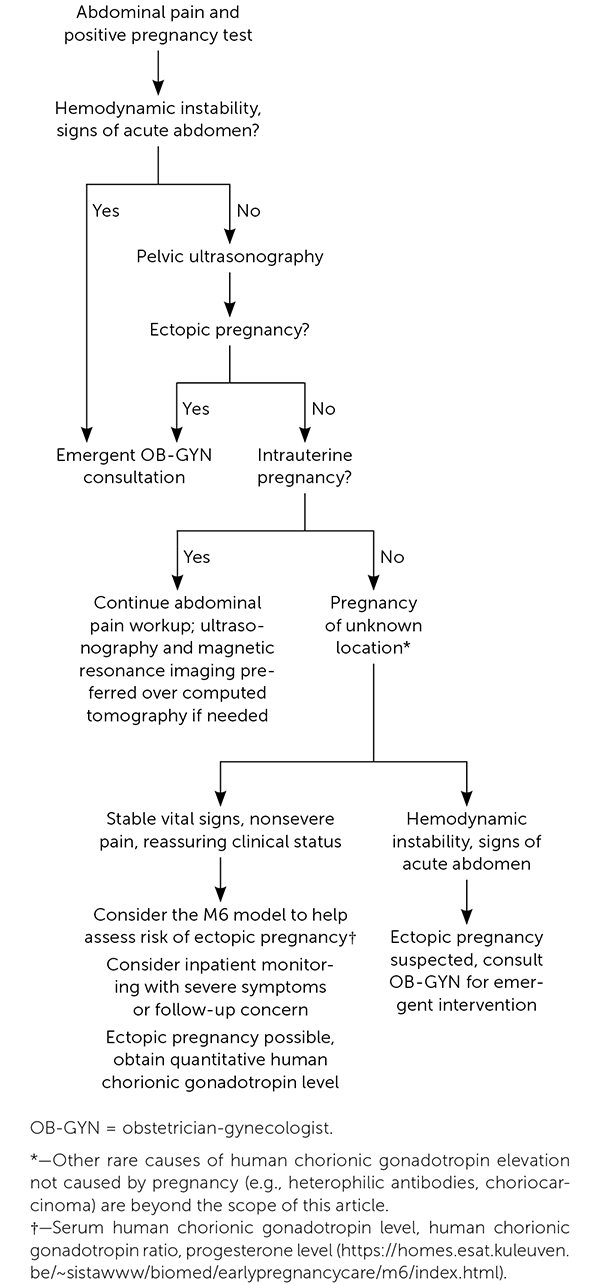
For those currently expecting, identifying signs of emergency stomach pain during pregnancy is vital. Sudden, sharp pain can indicate an ectopic pregnancy or placental abruption, both of which require immediate surgical or medical intervention. Furthermore, if the pain is so severe that you cannot find a comfortable position or if it is accompanied by cold, clammy skin and a rapid heart rate, call emergency services immediately.
Understanding Your Pain: Visceral vs. Somatic
To help your healthcare provider, you must be able to describe the quality of your abdominal pain. Doctors generally categorize internal discomfort into two main types: visceral and somatic. Visceral pain originates from the organs within the Gastrointestinal tract. Because these organs have fewer nerve fibers, the pain is often described as a dull, gnawing, or aching sensation. It is usually poorly localized, meaning you might feel it generally in the center of your belly rather than in one specific spot.
Somatic pain, specifically somatoparietal pain, occurs when the nerves in the abdominal wall are irritated. This type of pain is usually sharp, stabbing, and very easy to pinpoint. When you experience common causes of sharp stomach cramps, it is often because the irritation has moved from the organ itself to the surrounding lining. Another phenomenon is referred pain, where the brain perceives pain in a location distant from the actual source, such as gallbladder issues causing pain in the right shoulder.
To provide a clear history, use the PQRST checklist:
- Provocation: What makes the pain better or worse? Does eating or moving affect it?
- Quality: Is it sharp, dull, burning, or cramping?
- Region: Where exactly does it hurt, and does the pain move?
- Severity: On a scale of 1 to 10, how intense is the discomfort?
- Timing: When did it start, and is it constant or coming in waves?
Mapping the Cause: Pain by Abdominal Quadrant
Medical professionals mentally divide the abdomen into four quadrants to narrow down the potential culprits. By identifying the specific area of localized abdominal discomfort, you can better understand the likely source of the issue.
Upper Right Quadrant (RUQ)
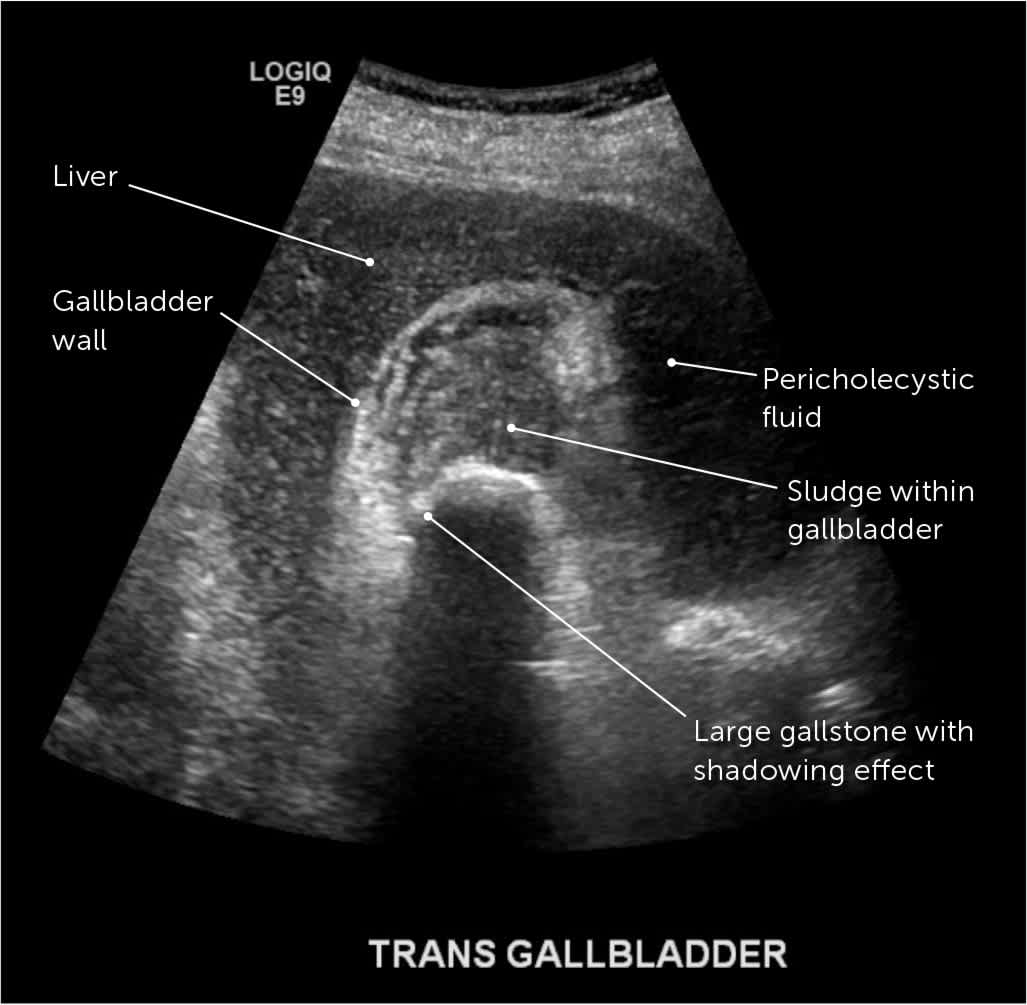
Pain in the upper right is most frequently associated with the gallbladder and liver. A classic indicator of gallbladder inflammation (cholecystitis) is Murphy’s sign, where pain catches your breath when a doctor presses under your ribs as you inhale. Biliary colic, caused by gallstones, often creates a steady, intense ache in this region that may radiate to the back.
Upper Left Quadrant (LUQ)
This area houses the stomach, pancreas, and spleen. Gastric ulcers typically cause a burning sensation here, often triggered or relieved by food. If the pain is deep and radiates to the back, it may indicate Pancreatitis. This inflammation of the pancreas is serious and often requires hospitalization for fluid management and pain control.
Lower Right Quadrant (RLQ)
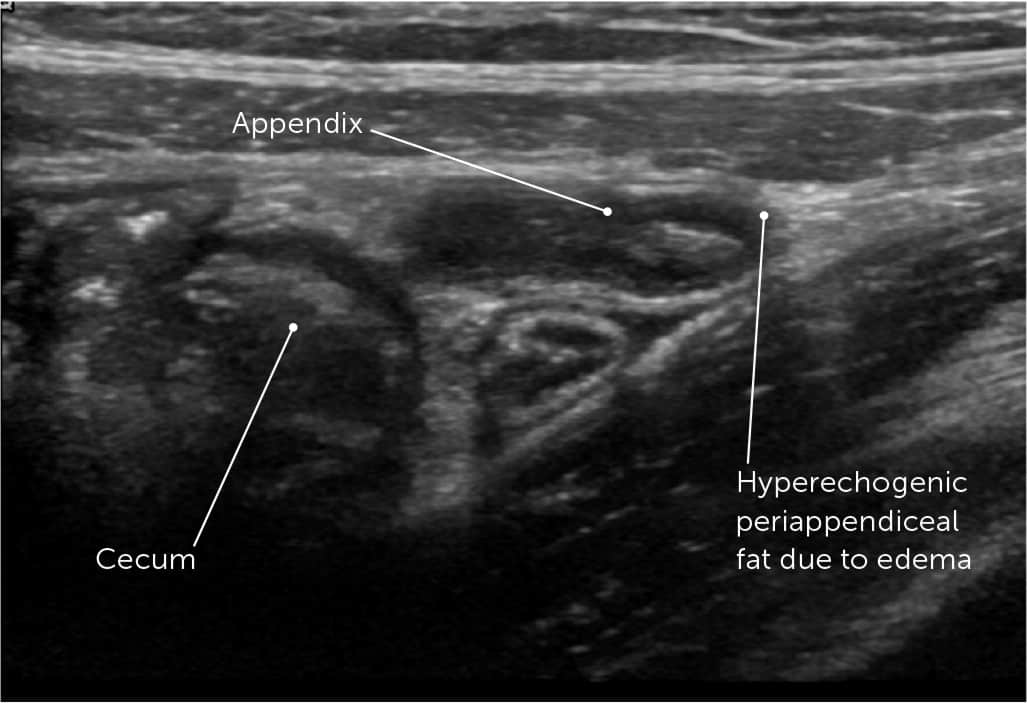
The lower right is the most common site for surgical emergencies, specifically appendicitis. The pain often starts near the belly button before migrating to McBurney’s point, located about two-thirds of the way from the navel to the hip bone. If you experience sharp pain here, especially with a fever, it is a primary reason for when to go to er for abdominal pain.
Lower Left Quadrant (LLQ)
When considering lower left quadrant abdominal pain causes, Diverticulitis is often at the top of the list. This occurs when small pouches in the colon become inflamed or infected. It often feels like "left-sided appendicitis" and may be accompanied by changes in bowel habits. Other issues in this area include Irritable bowel syndrome and various urogenital disorders.
High-Risk Groups: Older Adults and Pregnancy
The significance of abdominal pain changes based on who is experiencing it. In adults over the age of 50, the risk of a life-threatening vascular event, such as an abdominal aortic aneurysm or mesenteric ischemia (lack of blood flow to the bowels), increases significantly. Interestingly, roughly 10% of elderly patients presenting with stomach complaints are actually suffering from a respiratory issue, like pneumonia, which can present as upper abdominal discomfort.
In pregnancy, the diagnostic process becomes more complex. While some causes of stomach cramps are a normal part of the body stretching to accommodate a growing fetus, healthcare providers must be vigilant. A sudden Bowel obstruction can occur as organs shift, or a sharp pain could signal an Ectopic pregnancy in the early stages. Because certain medications and high-radiation Diagnostic imaging are restricted during pregnancy, doctors rely heavily on ultrasound and clinical observation.
What to Expect at the Doctor: Diagnosis and Relief
When you visit a doctor for abdominal pain, the process begins with a detailed clinical history and physical palpation. The doctor will feel for masses, guarding (involuntary tensing of the muscles), and specific points of tenderness. They are looking to differentiate between self-limiting conditions and emergencies like a Bowel obstruction.
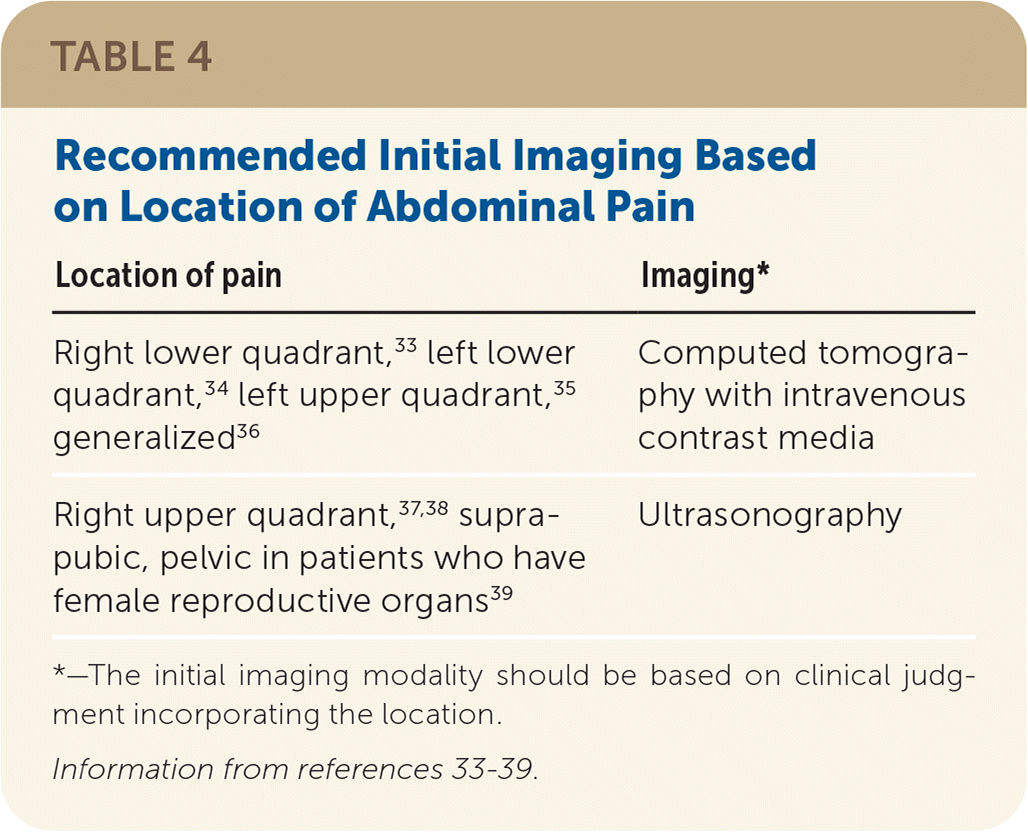
Depending on the suspected cause, you may undergo Diagnostic imaging. An ultrasound is often the first choice for looking at the gallbladder or pelvic organs. However, for a more comprehensive view of the Gastrointestinal tract or when the cause is unclear, a CT scan with intravenous contrast is the preferred tool due to its high accuracy.
For non-emergency issues like gas or mild Irritable bowel syndrome, abdominal pain and bloating relief at home can often be achieved through dietary adjustments, heat pads, or over-the-counter medications like simethicone. However, you should never attempt to treat severe or worsening pain at home without a professional diagnosis.
FAQ
When should I go to the ER for abdominal pain?
You should head to the emergency room if your pain is sudden, severe, and accompanied by a rigid abdomen, high fever, or fainting. Other critical reasons include vomiting blood, inability to pass stool (especially with vomiting), or if the pain follows a significant physical injury.
What are the most common causes of stomach pain?
The most frequent causes include indigestion, gas, viral gastroenteritis (the stomach flu), and muscle strain. However, chronic issues like Irritable bowel syndrome and more acute problems like gallstones or kidney stones are also very common reasons for seeking medical advice.
What does pain in the lower left abdomen mean?
Pain in this area is frequently linked to Diverticulitis, which is the inflammation of small pouches in the colon. Other possibilities include constipation, Irritable bowel syndrome, or, in women, issues related to the left ovary or fallopian tube.
How can I tell if my stomach pain is gas or something serious?
Gas pain is usually fleeting, moves around the abdomen, and is often relieved by passing gas or having a bowel movement. Serious pain tends to be persistent, worsens over time, and is often localized to one spot. If the pain is accompanied by "red flags" like fever or a hard abdomen, it is likely more than just gas.
What causes sharp pain in the upper abdomen?
Sharp pain in the upper regions is often related to the gallbladder (upper right) or stomach issues like ulcers or gastritis (upper center or left). Inflammation of the pancreas, known as Pancreatitis, can also cause severe, sharp pain in the upper abdomen that often feels like it is boring through to your back.