Quick Facts
- Clinical Threshold: Adult acne is clinically defined as breakouts occurring in individuals aged 25 and older.
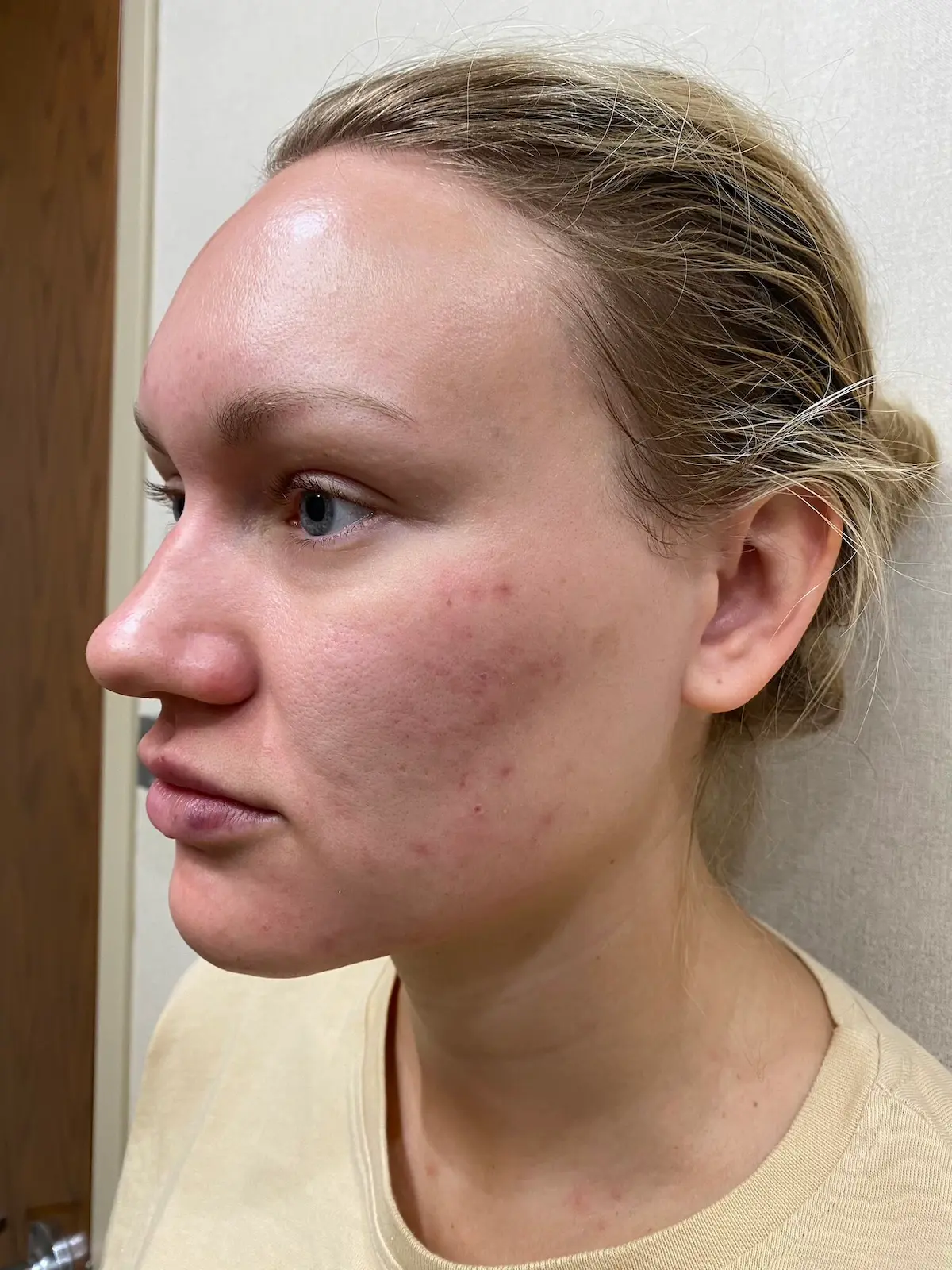
- Primary Location: Unlike the forehead-heavy breakouts of youth, adult spots favor the U-Zone, which includes the jawline, chin, and neck.
- Gender Prevalence: According to data, this condition affects up to 33% of women in their 30s and 25% of women in their 40s.
- Hormonal Link: Research indicates that 60-70% of women experience clear flares during the premenstrual phase of their cycle.
- Barrier Health: Aggressive over-cleansing often backfires by causing barrier dysfunction and increasing systemic inflammation.
- Result Timeline: Significant clinical improvements typically require a commitment of 6 to 12 weeks of consistent, targeted care.
Adult acne is clinically defined as breakouts occurring after age 25. Unlike teenage pimples, adult acne causes are often internal, involving hormones and stress. Adult acne is primarily driven by a combination of hormonal fluctuations, chronic stress, and genetic predisposition. Hormonal shifts—particularly in androgens—trigger sebum overproduction, while cortisol from stress stimulates sebaceous gland activity. These factors, combined with follicular hyperkeratosis and the presence of Cutibacterium acnes bacteria, lead to inflammatory papules and deep cystic breakouts often localized around the jawline.
The U-Zone vs. T-Zone: Identifying Your Breakouts
If you are staring in the mirror at 32 wondering why your skin looks like it did at 16, take a closer look at the map of your face. For most adults, the geography of breakouts shifts significantly over time. While adolescents usually deal with the T-Zone (forehead, nose, and upper chin), adult acne causes usually manifest in the U-Zone. This area encompasses the lower cheeks, the jawline, and the neck.
Understanding this distinction is the first step in identifying the root of the problem. Many women experience what we call late-onset acne, where breakouts appear for the first time in adulthood. In fact, approximately 20% to 40% of women who suffer from adult acne develop the condition for the first time as an adult, rather than having it persist from their teenage years. These breakouts are often characterized by inflammatory papules—red, tender bumps—or deep, painful cysts that sit under the skin for weeks.
| Feature | Adolescent Acne (T-Zone) | Adult Acne (U-Zone) |
|---|---|---|
| Primary Location | Forehead, nose, and center of the chin | Jawline, lower cheeks, and neck |
| Blemish Type | Blackheads, whiteheads, and surface pustules | Deep, tender inflammatory papules and cysts |
| Skin Texture | Highly oily and generally resilient | Often dry, sensitive, or combination |
| Recovery | Quick healing with minimal marking | Prone to post-inflammatory hyperpigmentation |
When creating a skincare routine for persistent jawline acne in adults, it is essential to recognize that the skin is often more delicate than it was a decade ago. Adult skin has a slower rate of epidermal cell turnover, meaning that the red marks left behind, known as post-inflammatory hyperpigmentation, tend to linger much longer. Furthermore, the presence of Cutibacterium acnes within the pores can lead to a cycle of inflammation that topical washes alone cannot always break. If you are trying to figure out how to tell if adult acne is hormonal or bacterial, look at the timing and the depth; hormonal flares are often deep and cyclical, whereas bacterial issues may present as more frequent, superficial microcomedones.
Internal Triggers: The Hormonal and Stress Axis
The most common adult acne causes are rooted deep beneath the surface, specifically within our endocrine and nervous systems. For many women, the skin acts as a mirror for internal shifts. According to the American Academy of Dermatology, adult acne affects up to 50% of women in their 20s, 33% of women in their 30s, and 25% of women in their 40s. These numbers highlight that you are far from alone in this struggle.
Hormonal acne triggers in your 30s are often linked to androgen receptor sensitivity. Even if your blood tests show normal hormone levels, your skin’s sebaceous gland activity may be hypersensitive to male hormones like testosterone. This sensitivity triggers sebum overproduction, leading to clogged pores. This is particularly prevalent during menstruation, pregnancy, or the transition into perimenopause, when estrogen drops and androgens become more dominant.
Beyond sex hormones, we must address the "stress-skin connection." When you are under pressure at work or home, your body releases cortisol. Understanding how cortisol and stress affect adult skin is vital; cortisol stimulates the oil glands to produce more wax, which thickens the sebum and creates an environment where bacteria thrive. In some cases, persistent and severe cystic acne may be a sign of underlying medical conditions like polycystic ovary syndrome (PCOS), which requires a holistic approach to management.
Key Internal Factors to Consider:
- Androgen Fluctuations: Increases in oil production due to receptor sensitivity.
- Cortisol Spikes: Stress-induced sebaceous gland activity that fuels inflammation.
- The Menstrual Cycle: Monthly drops in estrogen that leave androgens "unopposed."
- Medical Conditions: Potential links to PCOS or other endocrine imbalances.
External Aggressors: Diet, Lifestyle, and The Skincare Paradox
While internal biology sets the stage, external factors often act as the lead actors in adult acne causes. One of the most significant lifestyle influences is the modern diet. There are common dietary triggers for adult cystic breakouts that revolve around the high-glycemic diet. Consuming foods that cause rapid spikes in blood sugar—like refined sugars and white breads—triggers a cascade of insulin and insulin-like growth factor (IGF-1). This activates the mTORC1 pathway, which is known to increase both inflammation and sebum production.
Then, there is the skincare paradox. Many adults, frustrated by breakouts, turn to aggressive "acne-fighting" products designed for oily teenage skin. However, over-cleansing or using harsh astringents can strip the skin of its natural oils, damaging the skin barrier integrity. When the barrier is compromised, the skin becomes more susceptible to irritants and bacteria, leading to more breakouts—a frustrating cycle.
Identifying pore-clogging ingredients in adult makeup is equally critical. Many "anti-aging" creams or high-coverage foundations contain comedogenic oils or thickeners that physically block the pore opening. This leads to follicular hyperkeratosis, where dead skin cells become trapped and form a plug. To support healthy epidermal cell turnover, it is better to look for non-comedogenic formulations that provide hydration without suffocating the skin.
Checklist: Managing External Triggers
- Review your diet: Reduce high-glycemic foods to lower IGF-1 levels.
- Check your labels: Avoid pore-clogging ingredients like isopropyl myristate or certain coconut derivatives in makeup.
- Gentle Cleansing: Use a pH-balanced cleanser to protect skin barrier integrity.
- Clean your tools: Regularly wash makeup brushes and change pillowcases to reduce bacteria.
Treatment Roadmap: From Topicals to Clinical Care
Navigating treatment for adult acne requires a more nuanced approach than just "drying out" the spots. Because adult skin is more prone to dryness and irritation, the goal is preventing adult breakouts while maintaining hydration.
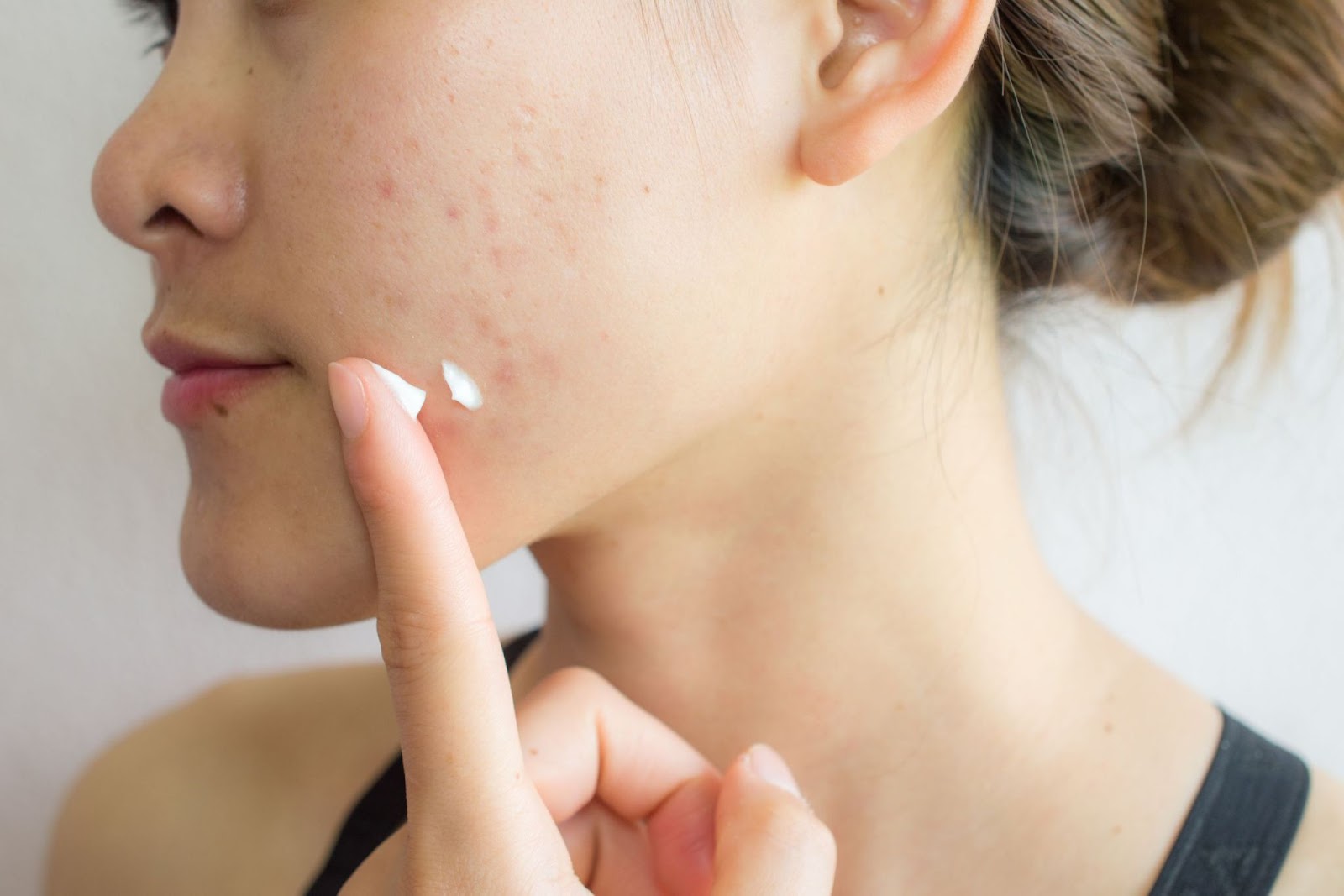
Research suggests that a global study of over 50,000 people found that the prevalence of acne remains as high as 19.3% among adults aged 25 to 39 years. This means the demand for sophisticated, barrier-aware treatments is higher than ever. For many, a skincare for adult acne routine should include a retinoid to encourage cell turnover and a low-dose antimicrobial like 3.5% benzoyl peroxide, which is effective without being overly drying.
If topical interventions do not yield results within 12 weeks, it may be time to consult a professional. Knowing when to see a dermatologist for late onset adult acne is key to preventing long-term scarring. A specialist may prescribe medications like spironolactone, which directly addresses androgen receptors, or in severe cases, isotretinoin.
The 12-Week Consistency Timeline
- Weeks 1-4: The "Purge" or Adjustment Phase. Skin may feel dry or slightly more irritated as cell turnover increases. Focus on hydration.
- Weeks 5-8: The Stabilization Phase. New breakouts begin to decrease in frequency and severity. Inflammation starts to subside.
- Weeks 9-12: The Clearance Phase. The skin barrier is stronger. You should see a noticeable reduction in inflammatory papules and improved texture.
FAQ
What causes sudden breakouts in adults?
Sudden breakouts are often triggered by a major shift in the internal or external environment. This can include a period of high chronic stress, a significant change in diet, or a hormonal shift such as stopping or starting birth control. Additionally, introducing a new, heavy cosmetic product can lead to sudden follicular hyperkeratosis and clogged pores.
Can hormonal imbalances cause adult acne?
Yes, hormonal imbalances are a primary driver. Specifically, an increase in androgen activity or a heightened sensitivity of the androgen receptors in the skin leads to excess sebum production. This is why many women notice their skin flaring up in a cyclical pattern linked to their menstrual cycle or during stages like perimenopause.
Why am I getting acne for the first time in my 30s or 40s?
This is known as late-onset adult acne. It is often caused by the cumulative effects of chronic stress, hormonal shifts as we age, or even a change in skin sensitivity. Statistics show that up to 40% of adult women with acne did not have it during their teenage years, proving that adult acne causes are distinct from adolescent ones.
Does stress play a role in adult acne?
Stress is a significant factor. When you are stressed, your body produces more cortisol, which directly stimulates the sebaceous glands. This increase in oil, combined with stress-induced inflammation, creates the perfect environment for inflammatory papules and deep cysts to form, particularly around the jawline.
Can certain foods or diet cause adult acne?
Diet can definitely exacerbate the condition. High-glycemic foods that cause a spike in blood sugar can increase levels of IGF-1, which promotes oil production and inflammation. For some, dairy has also been linked to increased acne, although the impact varies significantly from person to person.
Can makeup or skincare products trigger adult breakouts?
Absolutely. Many products contain comedogenic ingredients that block pores. Furthermore, the "skincare paradox" occurs when adults use too many harsh products at once, which disrupts the skin barrier integrity. Using non-comedogenic formulations and avoiding heavy, oil-based foundations is essential for preventing adult breakouts.