
Quick Facts
- Prevalence: Irritable Bowel Syndrome is estimated to affect between 10 and 25 percent of people in developed countries.
- Comorbidity: A nationwide analysis of 1.2 million hospitalizations found that more than 38 percent of IBS patients have comorbid anxiety.
- Brain-Gut Link: Approximately 90% of the body's serotonin, a key neurotransmitter for mood and digestion, is produced in the gut.
- Success Rate: Clinical reviews of cognitive behavioral therapy for IBS show that 72 percent of patients report adequate relief after treatment.
- Immediate Strategy: Activating the parasympathetic nervous system through deep breathing is the fastest way to signal the brain to dampen a stress response.
- Clinical Insight: IBS is now classified as a Disorder of Gut-Brain Interaction (DGBI), moving away from being seen as a purely structural or "imagined" issue.
To achieve anxiety IBS relief, you must activate the parasympathetic nervous system through deep breathing or vagus nerve stimulation to stop a flare-up fast and break the cycle of visceral hypersensitivity. By focusing on gut-brain axis IBS management, you can recalibrate the communication between your central nervous system and your digestive tract, effectively calming a nervous stomach before it escalates into a severe episode.
Medical Safety: When to See a Doctor
Before we dive into the psychology of digestion, it is essential to establish a foundation of medical safety. While understanding how to stop an anxiety-induced IBS flare-up fast is life-changing, we must distinguish functional disorders from organic diseases. IBS is a Disorder of Gut-Brain Interaction (DGBI). This means that while the "hardware" of your gut looks normal on a scan, the "software"—the communication between your brain and your enteric nervous system—is misfiring.
It is important to differentiate IBS from Inflammatory Bowel Disease (IBD) or other serious conditions. While stress reduction for digestive relief is helpful for everyone, certain symptoms require immediate medical evaluation by a gastroenterologist.
Red Flag Symptoms If you experience any of the following, please consult a healthcare professional before relying solely on mindfulness or behavioral techniques:
- Blood in the stool or black, tarry stools.
- Unexplained weight loss that occurs rapidly.
- Persistent fever or night sweats.
- Symptoms that frequently wake you up from a deep sleep.
- A significant change in bowel habits after age 50.
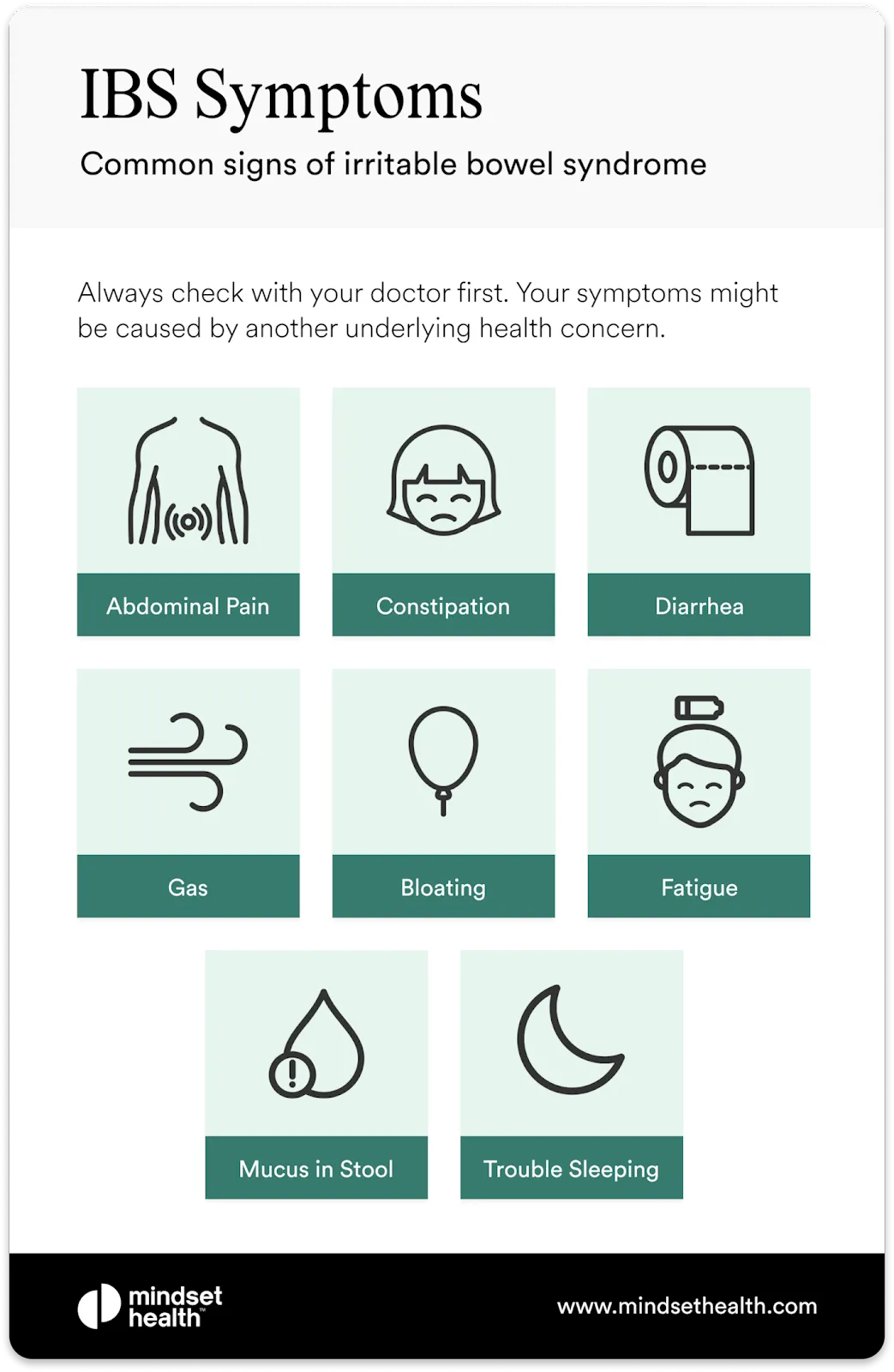
The Biology of the Gut-Brain Axis
To understand anxiety IBS relief, we have to look at the highway connecting your head to your stomach. This highway is the gut-brain axis, a complex, two-way communication system. On one end, you have the central nervous system (your brain). On the other, you have the enteric nervous system, often called the "second brain," which contains millions of neurons embedded in the lining of the gastrointestinal system.
When you face a stressor, your HPA axis (hypothalamic-pituitary-adrenal axis) kicks into gear. In evolutionary terms, I call this the Predator vs. Deadline analogy. If an ancient ancestor was being chased by a predator, their body would shut down non-essential functions like digestion to divert blood and energy to the muscles for survival. This is the "fight-or-flight" response.
In the modern world, your brain often can't tell the difference between a lion and a high-pressure work deadline. If you are constantly stressed, your body stays in that survival mode. This alters gastrointestinal motility—either speeding it up (causing diarrhea) or slowing it down (causing constipation). Furthermore, stress makes your gut more sensitive. This is known as visceral hypersensitivity, where normal digestive movements that others wouldn't notice are perceived by your brain as sharp pain or intense discomfort.
Serotonin receptors also play a massive role here. While we think of serotonin as a "brain chemical," the vast majority of it lives in your gut, regulating how fast food moves through you. When anxiety spikes, it disrupts these receptors, leading to the classic nervous stomach.
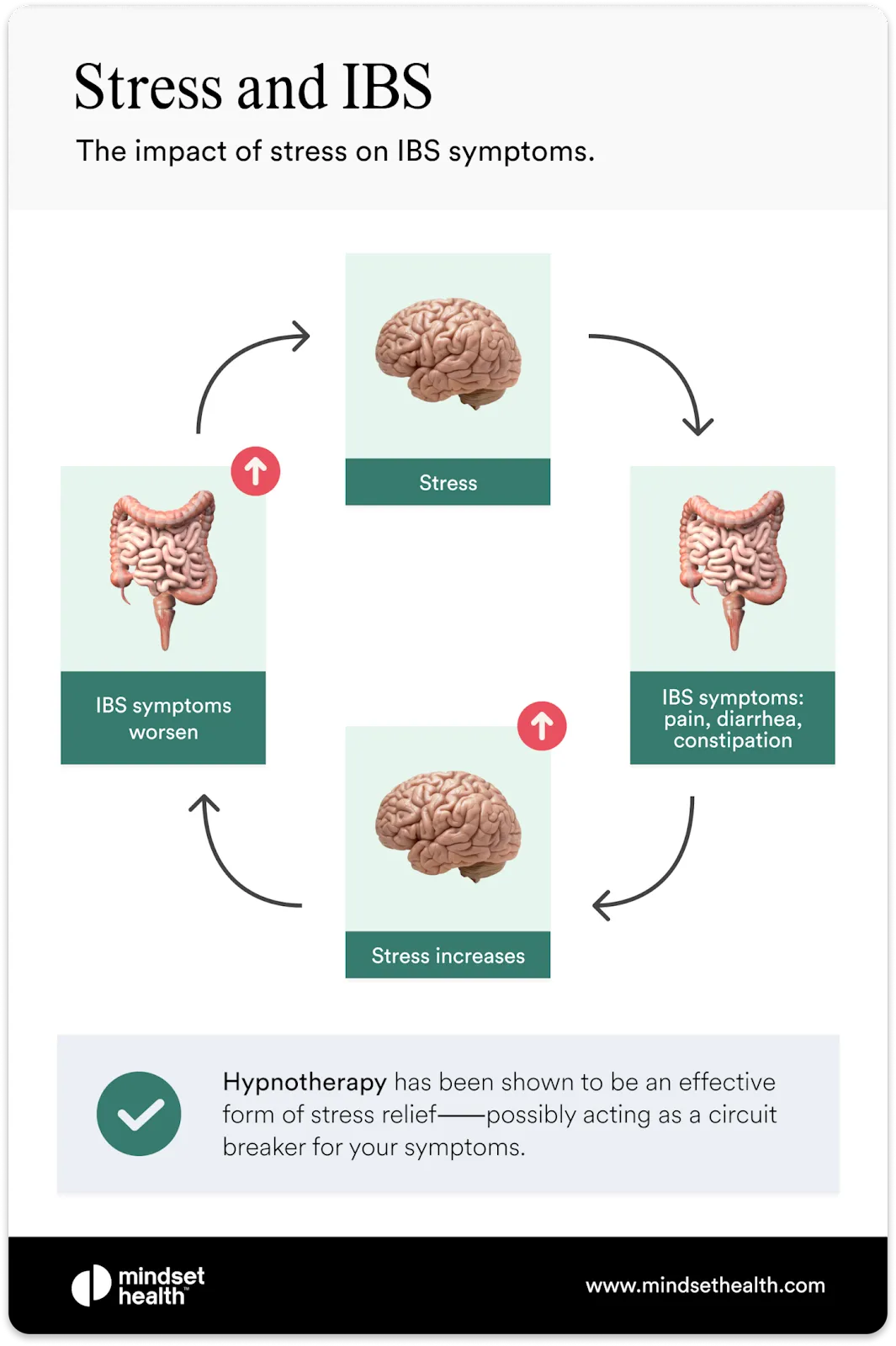
Immediate Relief: Stopping a Flare-Up Fast
When you feel the familiar cramping or urgency of an episode starting, your first instinct might be to panic. However, panic only fuels the HPA axis, worsening the symptoms. Knowing how to stop an anxiety-induced IBS flare-up fast involves a "bottom-up" approach: using the body to calm the brain.
The most effective tool for immediate coping with anxiety-induced IBS flare-ups is vagus nerve stimulation through diaphragmatic breathing. The vagus nerve is the longest nerve in your body and acts as the main "off switch" for the stress response. By changing the way you breathe, you can manually flip that switch from "fight-or-flight" to "rest-and-digest."
The 4-7-8 Breathing Technique
This specific exercise is designed for deep breathing exercises for gut-brain axis relief:
- Place one hand on your chest and the other on your belly.
- Inhale through your nose for a count of 4, ensuring your belly expands rather than your chest.
- Hold your breath for a count of 7.
- Exhale slowly through your mouth for a count of 8, making a whooshing sound.
- Repeat this four times. The long exhale is what triggers the parasympathetic activation, signaling your gut to relax.
Beyond breathing, you can practice how to calm the vagus nerve for IBS relief by splashing cold water on your face or humming softly. These physical vibrations and temperature changes help reset the nervous system. During a flare, practice "gut rest." This means opting for gentle heat (like a heating pad) and avoiding large meals or caffeine, which can further irritate the enteric nervous system.

Long-Term Strategies: Psychogastroenterology Tools
While immediate fixes are vital, true gut-brain axis IBS management requires long-term shifts in how we process stress. This is the field of psychogastroenterology—the study of how psychological interventions can treat digestive disorders.
One of the gold standards in this field is Cognitive Behavioral Therapy (CBT). Unlike traditional talk therapy, CBT coping strategies for nervous stomach and IBS focus specifically on the relationship between your thoughts, your physical sensations, and your behaviors. For example, many IBS sufferers experience "catastrophizing"—thinking, "If I go to this dinner, I will have an accident and everyone will see." This thought creates massive anxiety, which then triggers the very gut symptoms the person fears. CBT helps you identify emotional triggers for IBS symptoms and reframe them, lowering the overall "volume" of pain signals sent to the brain.

Another powerful intervention is gut-directed hypnotherapy. Don't worry—it’s not stage magic. It is a clinical technique where a practitioner uses guided imagery to help you visualize your digestive tract working smoothly and calmly. It has been shown to be as effective as low-FODMAP diets for many patients because it directly addresses visceral hypersensitivity.
Daily habits also form the backbone of resilience. Consistent sleep hygiene is crucial because a lack of sleep increases cortisol, which irritates the gut. Practicing nighttime relaxation for IBS sleep anxiety, such as a gentle body scan meditation before bed, can prevent the morning urgency that many people struggle with.

Summary of the Biopsychosocial Approach
Managing IBS is rarely about one single "cure." It is about a biopsychosocial approach—addressing the biology (diet and movement), the psychology (CBT and stress management), and the social (navigating work and relationships without fear). By integrating these mind-body interventions into your daily life, you move from a state of reacting to your body to a state of partnership with it. You aren't just managing symptoms; you are building a more resilient nervous system.
FAQ
How can I calm an anxiety-induced IBS flare up?
To calm a flare-up quickly, focus on the exhale. Use diaphragmatic breathing by inhaling for four seconds and exhaling for eight seconds. This specific ratio helps engage the parasympathetic nervous system, which acts as a brake on the digestive distress signals your brain is sending. Applying gentle heat to the abdomen and sipping peppermint tea can also provide physical comfort while the nervous system settles.
Can anti-anxiety medication help with IBS symptoms?
In many cases, yes. Low-dose antidepressants, such as SSRIs or TCAs, are often prescribed by gastroenterologists not just for mood, but because they act on the serotonin receptors in the gut. These medications can help regulate gastrointestinal motility and reduce the sensitivity of the nerves in the digestive tract, essentially "lowering the volume" of pain signals.
How do you tell if your IBS is caused by anxiety?
While IBS is rarely caused by anxiety alone, you can identify a strong connection if your symptoms consistently worsen during high-pressure situations, such as work presentations or social events. If your digestive issues disappear when you are on a relaxing vacation or if they are preceded by a racing heart and "racing thoughts," it is a strong indicator that the gut-brain axis is your primary trigger.
Can cognitive behavioral therapy reduce IBS pain?
Yes, CBT is highly effective for reducing IBS pain. It works by teaching patients to stop the cycle of catastrophizing, which physiologically reduces the stress response. By changing how the brain interprets signals from the gut, CBT can actually decrease visceral hypersensitivity, leading to fewer and less intense pain episodes.
Can breathing exercises help manage IBS triggers?
Breathing exercises are one of the most proactive ways to manage triggers. By practicing diaphragmatic breathing regularly, you strengthen your vagal tone. This means that when a stressful event does occur, your body is better equipped to stay in a calm state, preventing the "fight-or-flight" response from disrupting your digestion in the first place.