Quick Facts
- Prevalence: Neonatal acne is a common skin condition that affects approximately 20 percent of healthy newborns and is more frequently observed in males than females.
- Common Onset: While neonatal acne typically develops around two weeks of age, it can appear at birth or at any time during the first six weeks of a baby's life.
- Primary Cause: Maternal hormone transfer from the placenta or breast milk stimulates the baby’s overactive sebaceous glands.
- Typical Duration: Most cases of baby acne are temporary and self-limiting, typically resolving without medical treatment within a few weeks to four months.
- Diagnostic Marker: A key sign of baby acne is the absence of blackheads (comedones), which helps distinguish it from adolescent or infantile acne.
- Home Care: Safe management involves using lukewarm water and a gentle, fragrance-free soap while avoiding all oily lotions or adult medications.
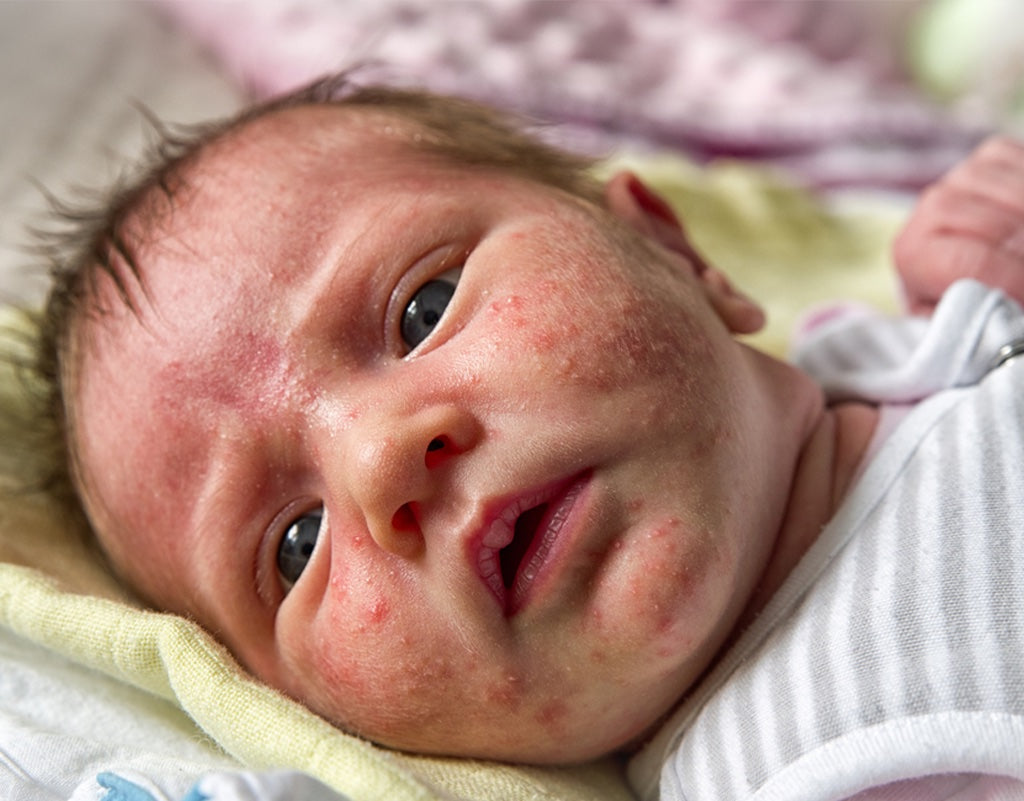
Baby acne, also known as neonatal cephalic pustulosis, is a common and harmless skin condition caused by maternal hormone transfer passed to the infant before birth. It typically appears as small red or white bumps on the face and usually clears up on its own without medical treatment within a few weeks.
Understanding Neonatal Acne: What Causes Those Little Bumps?
When you first notice small, red bumps blossoming across your newborn’s cheeks, it is entirely natural to feel a surge of concern. After all, you have spent months dreaming of that "smooth as a baby’s bottom" complexion. However, as a women’s health editor and a voice for maternal wellness, I want to reassure you that baby acne is a standard rite of passage for many infants. It is not a reflection of your hygiene habits, nor is it caused by something you ate or a soap you used.
The biological root of this condition lies in the complex hormonal dance between mother and child. During the final stages of pregnancy, maternal hormones cross the placenta and enter the baby’s system. These hormones continue to circulate after birth and can be further supplemented through breast milk. These maternal hormones stimulate the baby’s underdeveloped sebaceous glands, which are the tiny glands in the skin responsible for producing oil. When these glands become overactive, they produce excess sebum production, leading to the small pustules and papules we identify as baby acne.
Interestingly, researchers have also noted the role of a common fungus called Malassezia yeast. This yeast lives on everyone's skin, but in some newborns, it can trigger an inflammatory response that contributes to the appearance of neonatal acne. It is important to remember that this is a self-limiting condition. Your baby’s body is simply learning how to regulate its own hormones and skin flora. You might also hear your pediatrician mention erythema toxicum neonatorum, another common newborn rash that looks similar but is equally harmless. In most cases, these neonatal acne causes are purely physiological and temporary.
Identification Guide: Baby Acne vs. Heat Rash, Milia, and Eczema
Because a newborn’s skin is so delicate and prone to various "new baby" markings, it can be difficult for parents to tell one bump from another. The sensitive skin barrier of an infant is highly reactive to its new environment, and distinguishing baby acne from other common conditions is the first step toward the right care.
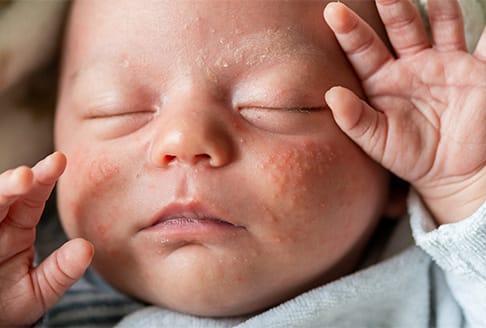
To help you navigate these early weeks, consider where the bumps are located and what they look like. Baby acne is almost exclusively found on the face—specifically the cheeks, forehead, and chin—and occasionally the upper back or neck. It looks like small, red inflammatory bumps or whiteheads. Crucially, it does not itch or cause the baby discomfort.
| Condition | Appearance | Primary Location | Key Characteristic |
|---|---|---|---|
| Baby Acne | Red or white pustules/papules | Cheeks, forehead, chin | No blackheads; not itchy |
| Milia | Tiny, pearly white cysts | Nose, chin, cheeks | Hard to the touch; disappear on their own |
| Eczema | Red, scaly, dry patches | Cheeks, scalp, joints | Very itchy; skin feels rough or "angry" |
| Heat Rash | Small clear or red pinhead bumps | Neck, chest, skin folds | Triggered by overheating; itchy or prickly |
Milia are perhaps the most common look-alike. These are tiny, white, pearl-like bumps caused by trapped skin protein (keratin) under the skin's surface. Unlike acne, milia are not inflammatory and have no redness around them. Then there is eczema, which presents as dry, scaly, and red patches that are often quite itchy and may lead to fussiness. Finally, a newborn acne vs heat rash comparison guide would highlight that heat rash usually appears in areas where the baby might get sweaty, like the folds of the neck or the chest, and looks like clusters of tiny water blisters.
Safe Home Care: How to Treat Baby Acne at Home
When it comes to newborn acne treatment, the best advice I can give you is to embrace a "less is more" philosophy. Your baby’s skin is incredibly thin and absorbent, meaning it does not need the heavy-duty products we use as adults. In fact, using harsh chemicals or oily ointments can block those tiny pores further and exacerbate the irritation.
To treat baby acne at home safely, follow a simple, gentle infant skincare routine:
- Cleanse Gently: Once a day, wash your baby's face with lukewarm water. If the skin seems particularly oily, you can use a tiny amount of mild, fragrance-free soap specifically formulated for newborns.
- Pat, Don't Rub: After washing, use a soft cotton cloth to gently pat the skin dry. Avoid scrubbing, as this can irritate the pustules and potentially lead to a secondary infection.
- Skip the Lotions: While it is tempting to apply moisturizer to any "rash," oily lotions can make baby acne worse. Unless directed by a professional, keep the affected area free of creams.
- Do not pick: It is vital that you never squeeze or pick at the bumps. This can lead to permanent scarring or introduce bacteria that causes an infection.
For parents looking for natural remedies for infant acne on cheeks, many breastfeeding mothers swear by the "liquid gold" method. Applying a small amount of breast milk to the affected area may help, as breast milk contains antimicrobial properties that can soothe the skin. While clinical evidence is limited, it is a safe, chemical-free home remedies for infant acne option that many find effective.
The Timeline: When to See a Pediatrician
One of the most frequent questions I receive is about the timeline for when baby acne goes away. For the vast majority of infants, the peak occurs at four weeks, and the skin clears up entirely by the time the baby is four months old. This follows the natural decline of those lingering maternal hormones.
However, there are specific signs baby acne requires a pediatrician visit. We generally follow the "6-week rule." If the acne first appears after your baby is six weeks old, it is classified as infantile acne rather than neonatal acne. Infantile acne is less common and may require closer monitoring by a pediatric dermatologist to ensure it doesn't lead to deep-seated inflammation or scarring.
You should also contact your healthcare provider if you notice any of the following red flags:
- The bumps begin to crust, ooze, or bleed.
- The rash is accompanied by a fever or signs of systemic illness.
- The acne is spreading rapidly to the torso or limbs.
- The bumps look like bright red, angry blisters rather than simple whiteheads.
While baby acne is a self-limiting condition, your peace of mind is paramount. If you are ever unsure whether a rash is "normal," a quick photo sent to your pediatrician or an in-person check-up can provide the reassurance you need to get back to enjoying those newborn snuggles.
FAQ
What causes baby acne?
The primary cause of baby acne is the transfer of maternal hormones from the mother to the baby through the placenta during the final stages of pregnancy. These hormones stimulate the baby's sebaceous glands, leading to an overproduction of oil that clogs the pores. Additionally, a sensitivity to Malassezia yeast on the skin can contribute to the inflammatory response.
How long does baby acne typically last?
Baby acne usually appears between two and four weeks of age and typically resolves on its own within a few weeks. In most cases, the skin clears up completely by the time the baby reaches three to four months of age, as the maternal hormones naturally leave the infant's system.
How do you treat baby acne at home?
The most effective way to treat baby acne at home is to keep the skin clean and dry. Use lukewarm water and a very mild, fragrance-free soap once a day. Avoid using oily lotions, adult acne medications, or harsh scrubs. It is also important to never pick or squeeze the bumps, as this can cause irritation or infection.
When should I worry about baby acne?
You should consult a pediatrician if the acne appears after the baby is six weeks old, if the bumps look infected (redness, swelling, or oozing pus), or if the rash is accompanied by a fever. You should also seek advice if the acne persists beyond four months or appears to be causing your baby discomfort or itchiness.
What is the difference between baby acne and milia?
Baby acne consists of red or white inflammatory bumps (pustules) that look like a breakout, usually caused by hormones. Milia, on the other hand, are tiny, firm, pearly white cysts that appear when skin flakes become trapped under the surface. Milia do not have the surrounding redness typical of acne and are not inflammatory.
How can I tell if it is baby acne or eczema?
Baby acne usually appears as red bumps or whiteheads on the face and is not itchy. Eczema typically looks like patches of very dry, scaly, and red skin that can appear on the cheeks, scalp, or in the folds of the elbows and knees. Unlike baby acne, eczema is often very itchy and may cause the baby to be fussy or try to scratch the area.