Quick Facts
- Primary Cause: Viral (Herpes Simplex Virus-1) vs. Bacterial (Staphylococcus aureus).
- Earliest Warning: A distinct tingling or burning sensation vs. sudden red bumps or itchy skin.
- Visual Signature: Small, clear, fluid-filled blisters vs. larger sores that develop a honey-colored crusting.
- Location: Usually concentrated on the lip border vs. capable of spreading rapidly to the nose or chin.
- Contagion Window: Highly contagious until fully scabbed vs. contagious until 24 hours of antibiotic treatment.
- Healing Time: Typically 7 to 14 days for viral sores vs. 7 to 10 days for bacterial infections with proper medication.
- Key Treatment: Antiviral medications and stress management vs. topical antibiotics like Mupirocin or oral antibiotics.
Cold sores, caused by the herpes simplex virus, typically begin with a tingling sensation followed by fluid-filled blisters that eventually scab over. In contrast, staph infections like impetigo usually present as red sores that rupture and develop a distinctive honey-colored crust. Distinguishing cold sore vs staph is vital because bacterial infections require antibiotics, while viral sores need antivirals to effectively reduce healing time and prevent further spread across the skin barrier.
Understanding the Root Causes: Virus vs. Bacteria
When you wake up with a painful spot on your lip, your first instinct might be to reach for a generic over-the-counter cream. However, as a preventive care advocate, I always emphasize that knowing the "why" behind a symptom is the first step toward true wellness. A lip infection is rarely just a cosmetic issue; it is a signal from your immune system. To choose the right path, we must look at the microscopic level.
The most common culprit for lip blisters is the Herpes simplex virus type 1 (HSV-1). According to the World Health Organization, approximately 67% of the global population under the age of 50 is infected with herpes simplex virus type 1 (HSV-1), which is the primary cause of oral cold sores. This virus remains dormant in your nerve cells and reactivates during times of high stress, illness, or excessive sun exposure.
On the other hand, Staphylococcus aureus is a bacterium that often lives harmlessly on our bodies. In fact, approximately 25% to 30% of healthy individuals carry staph in their nose or on their skin without even knowing it. When this bacterium finds a break in the skin—perhaps from a dry lip or a small scratch—it can cause a bacterial infection known as impetigo. Because one is viral and the other is bacterial, the lip infection bacterial vs viral identification process is the most important part of your recovery journey.
Visual Identification: Cold Sore vs. Staph Symptoms
Identifying the physical differences between these two conditions requires a close look at the progression of the sore. Cold sores usually follow a very predictable pattern. Most people experience prodromal symptoms, which are early warning signs like tingling, itching, or burning in a specific spot before any visible lesion appears. Within a day or two, small, tight clusters of clear, fluid-filled blisters emerge. These vesicular lesions eventually burst, weep a clear fluid, and then form a hard, brown scab.
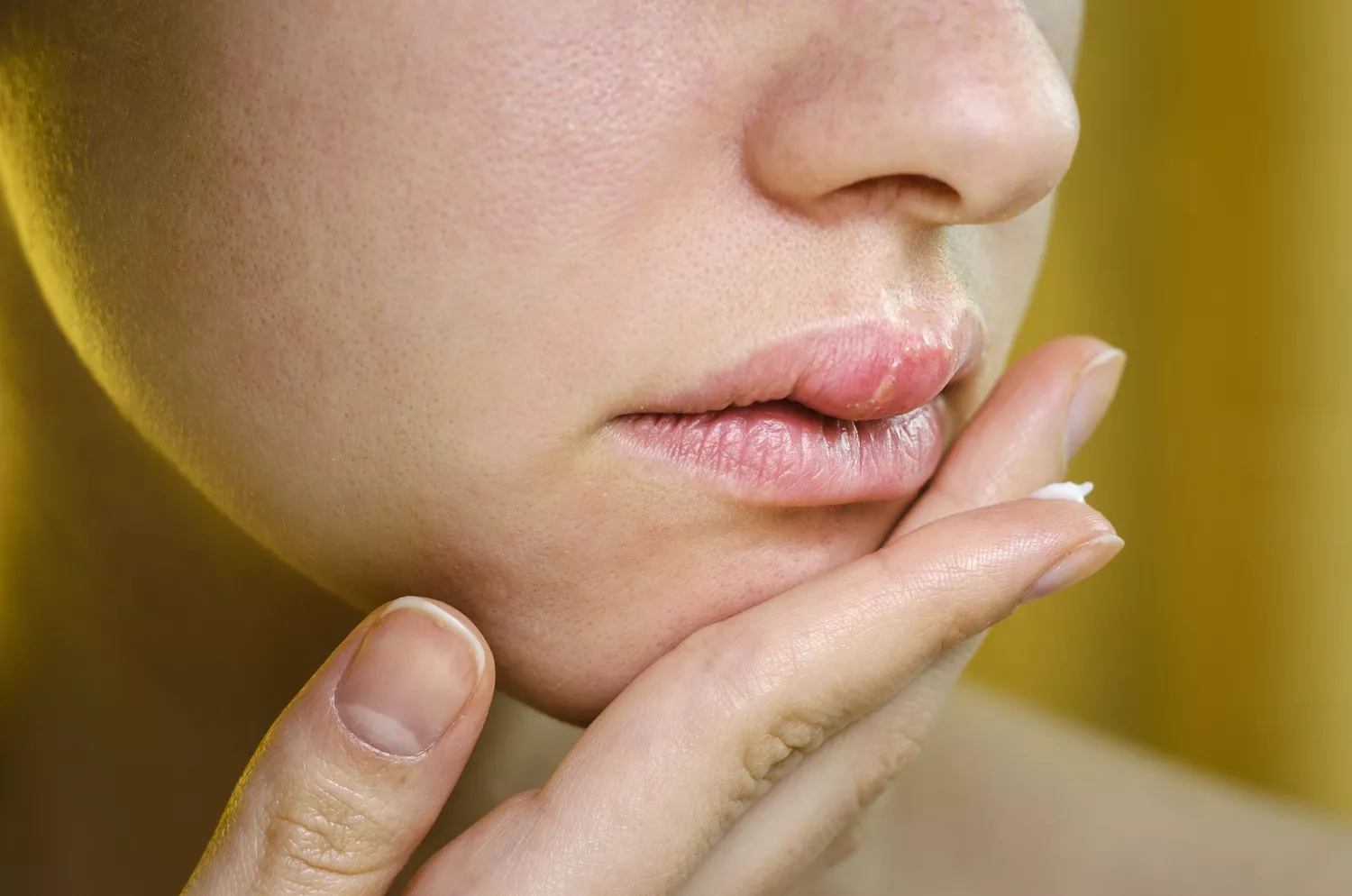
A staph infection on the lips vs herpes simplex symptoms presents quite differently. Staph-related impetigo often starts as a red, itchy sore that quickly turns into a blister. Unlike the clear fluid of a cold sore, these blisters may contain pus and are often larger. The hallmark of a staph infection is the honey-colored crusting that forms after the blister ruptures. This golden-yellow crust is thick and can spread to the surrounding skin, especially around the nostrils.
| Feature | Cold Sore (HSV-1) | Staph Infection (Impetigo) |
|---|---|---|
| Initial Sensation | Tingling, burning, or itching | Itching or general soreness |
| Blister Appearance | Small, clear, clustered vesicles | Larger, red bumps or pus-filled blisters |
| Crust Type | Hard, dark brown or grayish scab | Thick, honey-colored crusting |
| Location | Usually the edge of the lip (vermilion border) | Can appear anywhere, often moves toward the nose |
| Primary Cause | Herpes simplex virus | Staphylococcus aureus (bacteria) |
| Recurrence | Often recurs in the same exact spot | Usually a one-time event unless skin barrier is weak |

While cold sores are viral and typically resolve within 7 to 14 days, staph-related impetigo is a bacterial infection characterized by a honey-colored crust that often requires antibiotic treatment to heal properly and prevent spreading to others. Recognizing these impetigo vs cold sore symptoms early can save you days of discomfort.
Can a Cold Sore Turn into a Staph Infection?
One of the most common questions I receive in my practice is: can a cold sore turn into a staph infection? The short answer is yes, through a process known as secondary infection. When a cold sore blister bursts, it creates an open wound in a very high-traffic area of the face. This broken skin acts as a doorway for opportunistic bacteria.
If you have been touching your cold sore or if your immune system is already taxed, the naturally occurring Staphylococcus aureus on your skin can invade the viral lesion. This is called secondary contamination. You should suspect a secondary bacterial infection if your cold sore begins to look different than usual. Signs include spreading redness that feels warm to the touch, the presence of yellow or green pus, or if the sore develops that signature golden-colored crust instead of a normal brown scab.
If a cold sore becomes infected with staph, it may require a dual approach to healing. You might need to continue your antiviral routine while adding a topical antibiotic to kill the bacterial invaders. Ignoring a secondary infection can lead to scarring or a more systemic infection, so it is important to maintain strict hygiene and avoid picking at any scabs.
Treatment Options: Antivirals vs. Antibiotics
The most critical reason to distinguish between cold sore vs staph is that the treatments are not interchangeable. In fact, using the wrong medication can sometimes make the situation worse. For example, applying a steroid cream to a viral cold sore can suppress the local immune response and allow the virus to multiply more rapidly.
For a viral cold sore, the goal is to stop viral replication. Antiviral medications like acyclovir, penciclovir, or valacyclovir are the gold standard. These can be applied as topical creams or taken as oral tablets. For the best results, these should be started during the prodromal phase—as soon as you feel that first tingle. This holistic approach to early intervention can significantly shorten the duration of the outbreak.
When it comes to a bacterial issue, staph infection on lips treatment revolves around eliminating the bacteria. For mild cases of impetigo, doctors often prescribe topical antibiotics such as Mupirocin. This ointment is applied directly to the sores several times a day. If the infection is widespread or does not respond to topical therapy, a course of oral antibiotics may be necessary. It is a general rule of contagious transmission that once you have been on antibiotics for 24 hours and the sores have stopped weeping, you are much less likely to pass the infection to others.
When searching for the best ointment for staph infection on lips, always consult a professional rather than using a leftover tube from your medicine cabinet. Using the wrong antibiotic can contribute to bacterial resistance, making future infections harder to treat.
Triage: When to See a Doctor
While many lip infections can be managed with over-the-counter support and home care, there are specific moments when professional intervention is non-negotiable. Self-diagnosis has its limits, and a clinical swab is sometimes the only way to be 100% certain about the cause of your discomfort.
You should seek medical attention if:
- The infection begins to spread rapidly toward your eyes, as the herpes virus can cause serious ocular complications.
- You develop a high fever, swollen lymph nodes in the neck, or general body aches.
- The sore does not show any signs of healing after 10 days of home care.
- You have a weakened immune system due to an underlying health condition or medication.
- The honey-colored crusting is extensive and keeps returning despite cleaning.

A healthcare provider can perform a differential diagnosis to rule out other conditions like contact dermatitis or shingles. In some cases, if you have frequent outbreaks, they might suggest a long-term preventive care strategy, such as daily suppressive antiviral therapy or specific lifestyle adjustments to strengthen your skin barrier.
Preventive Care and Long-Term Wellness
Identifying the difference between a cold sore vs staph is part of a larger commitment to your health. To prevent these infections from occurring in the first place, I recommend a few daily routines that support both your immune system and your skin integrity.
First, prioritize hand hygiene. We touch our faces hundreds of times a day, often without realizing it. Keeping your hands clean reduces the chance of transferring Staphylococcus aureus from your nose or environment to your lips. Second, maintain a healthy skin barrier. Use a clean, hypoallergenic lip balm to prevent cracking, which creates the entry points for bacteria.
Finally, manage your triggers. Since cold sores are often brought on by stress and UV exposure, wearing a lip balm with SPF and practicing stress-reduction techniques like deep breathing or regular exercise can keep the virus in its dormant state. By taking a proactive, holistic approach to your health, you can reduce the frequency of these uncomfortable lip infections and enjoy clearer, healthier skin year-round.
FAQ
How can you tell the difference between a cold sore and a staph infection?
The primary way to tell them apart is the initial sensation and the final crust. Cold sores usually start with a tingling or burning sensation and form clusters of small, clear blisters that turn into brown scabs. A staph infection, such as impetigo, typically lacks the tingling sensation and instead produces larger sores that develop a very distinctive honey-colored crust.
What does a staph infection on the lip look like?
A staph infection on the lip often looks like red, weeping sores or blisters that may contain yellow pus. As the sores dry, they form a thick, golden-yellow or honey-colored crust. This infection can quickly spread to the skin around the mouth and nose, appearing as an angry, red rash with oozing patches.
Can a cold sore turn into a staph infection?
Yes, a cold sore can turn into a staph infection through secondary contamination. When the viral blisters of a cold sore burst, they leave the skin open and vulnerable. If bacteria like Staphylococcus aureus enter those open sores, a secondary bacterial infection develops, which may require both antiviral and antibiotic treatments.
Does a cold sore or staph infection crust over yellow?
While a cold sore usually develops a dark brown or reddish-brown scab, a staph infection is specifically known for its honey-colored crusting. If you notice a bright yellow or golden crust that looks like dried honey, it is a strong indicator of a bacterial staph infection rather than a standard viral cold sore.
How do you treat a staph infection versus a cold sore?
A cold sore is treated with antiviral medications, such as acyclovir or valacyclovir, which can be topical or oral. A staph infection requires antibiotics to kill the bacteria; doctors typically prescribe topical antibiotics like Mupirocin or oral antibiotics if the infection is more severe. It is important not to use steroids on a viral sore, as this can delay healing.
When should I see a doctor for a sore on my lip?
You should see a doctor if the sore spreads toward your eyes, if you develop a fever or chills, or if the infection does not improve after 10 days. Additionally, if the sores are extremely painful, contain significant pus, or if you have a compromised immune system, professional medical advice is necessary for a proper diagnosis and treatment plan.