Quick Facts
- Primary Goal: Early detection and prevention of colorectal cancer through polyp removal.
- New Age Standard: The U.S. Preventive Services Task Force now recommends starting at age 45 for average-risk individuals.
- Survival Rate: When detected at an early stage, the 5-year survival rate for colorectal cancer is as high as 90-95%.
- Procedure Duration: A typical examination takes 30 to 60 minutes.
- Sedation Type: Usually performed under conscious sedation or monitored anesthesia care for maximum comfort.
- Mandatory Rule: No driving or operating heavy machinery for 24 hours after the procedure.
- Follow-up Frequency: Typically every 10 years for those at average risk with a clean initial scan.
A colonoscopy procedure is a 30- to 60-minute medical screening where a gastroenterologist uses a flexible endoscope to examine the colon for adenomatous polyps or signs of cancer. During the process, the physician can biopsy or remove suspicious growths to prevent cancer development. Patients are typically administered conscious sedation or anesthesia to ensure comfort throughout the examination.
Why Screening Matters: The Age 45 Shift
In my years as a preventive care editor, I have seen many health guidelines evolve, but few are as significant as the recent shift in colorectal cancer screening. For a long time, age 50 was the magic number. However, due to a concerning rise in colorectal cancer cases among younger adults, the U.S. Preventive Services Task Force updated its recommendation: adults at average risk for colorectal cancer should begin regular screening at age 45.
This change is about more than just early detection; it is about prevention. While stool-based tests can be a convenient alternative for some, the colonoscopy procedure remains the gold standard because it is both diagnostic and therapeutic. If a physician finds a precancerous growth, they can remove it right then and there. Clinical research highlights the power of this intervention, showing that undergoing a screening colonoscopy can reduce the incidence of colorectal cancer by 31% and the risk of death from the disease by 50%.
For most people, the colorectal cancer screening benefits are clear, but those with a family history of the disease or genetic conditions like Lynch Syndrome may need a different timeline. Some high-risk individuals are advised to begin screenings as early as age 20. Understanding your medical history is the first step in following the correct colorectal cancer screening guidelines age 45 or earlier.
The Prep Survival Guide: More Than Just a Drink
If you ask anyone who has had this procedure, they will likely tell you that the colonoscopy prep guide is the most challenging part of the journey. As a lifestyle editor, I view this phase as a short-term investment in your long-term wellness. The goal of bowel preparation is to ensure the colon is completely clear, allowing the doctor to achieve cecal intubation and a high-quality visualization of the intestinal wall.
A few days before your appointment, you will transition to a low-fiber diet, avoiding seeds, nuts, and raw vegetables. The day before the procedure, you will switch entirely to clear liquids. This is the time to stay hydrated and keep your electrolytes balanced.
Clear Liquid Diet: What You Can and Cannot Have
| Category | Allowed (YES) | Avoid (NO) |
|---|---|---|
| Beverages | Water, black coffee (no cream), plain tea, clear sports drinks | Milk, smoothies, alcohol, orange juice |
| Soups | Clear chicken, beef, or vegetable broth | Creamy soups, soups with noodles or rice |
| Sweets | Apple juice, white grape juice, honey, plain Jell-O | Anything with red, purple, or blue dye |
| Frozen | Fruit ice or popsicles (no red/purple) | Ice cream, sherbet, popsicles with fruit bits |
To make the bowel preparation drink more manageable, I recommend using a few simple tips for easier colonoscopy prep drink consumption. Chilling the liquid can help dull the taste, and using a straw allows the liquid to bypass some of your taste buds. Sucking on a lemon slice or a piece of hard candy (as long as it is not red or purple) between glasses can also refresh your palate. Remember, the goal of how to prepare for colonoscopy liquid diet is to achieve a clear, yellowish output, which signals that your system is ready.
Day of Procedure: A Step-by-Step Guide
The day of your appointment can feel intimidating, but knowing the colonoscopy procedure step by step guide can alleviate much of that anxiety. When you arrive at the endoscopy suite, a nurse will review your medical history and start an intravenous line to provide fluids and conscious sedation.
Once you are moved into the procedure room, you will lie on your left side. The medical team will administer the sedative, which usually induces a state of deep relaxation or a light sleep. During the 30-to-60-minute window, the gastroenterologist gently inserts a flexible endoscope—a thin, lighted tube with a camera—into the rectum.
As the scope moves through the colon, the doctor pumps in a small amount of air or carbon dioxide to inflate the passage, providing a better view. The camera transmits a high-definition video feed to a monitor, allowing the doctor to look for any abnormalities, such as adenomatous polyps. If any are found, they are removed using small tools passed through the scope. You generally will not feel this part at all.
Recovery and the 24-Hour Rule
Once the procedure is complete, you will be moved to a recovery area for post-procedure monitoring. This is where the colonoscopy recovery process officially begins. It usually takes about 30 to 60 minutes for the initial effects of the sedation to wear off.
It is common to feel a bit of bloating or gas immediately afterward. This happens because of the air used to inflate the colon during the exam. I often tell my readers that walking is the best way to help this gas move through your system. While most patients can return to their normal diet right away, your digestive system might appreciate a gentle start with easy-to-digest foods like soup or toast.
The most critical part of this phase is the 24-hour safety rule. Because of the anesthesia used, there are strict driving and work restrictions after colonoscopy. Even if you feel "fine," your judgment and reflexes are impaired. You must have a responsible adult drive you home, and you should avoid making major decisions or returning to the office until the following day. Taking this day to rest, hydrate, and focus on self-care is a vital part of the recovering from colonoscopy sedation timeline.
Understanding Your Results and Polyps
Before you leave the clinic, your doctor will usually give you a preliminary report. If the doctor found no issues, you might not need to return for another 10 years, following the standard CDC screening intervals for average-risk adults.
However, what to expect after colonoscopy polyp removal involves a bit more waiting. Any tissue removed during the procedure is sent to a lab for analysis. You can expect to receive a pathology report within about 5 to 7 days. This report will tell you the type of polyp found and whether it was precancerous.
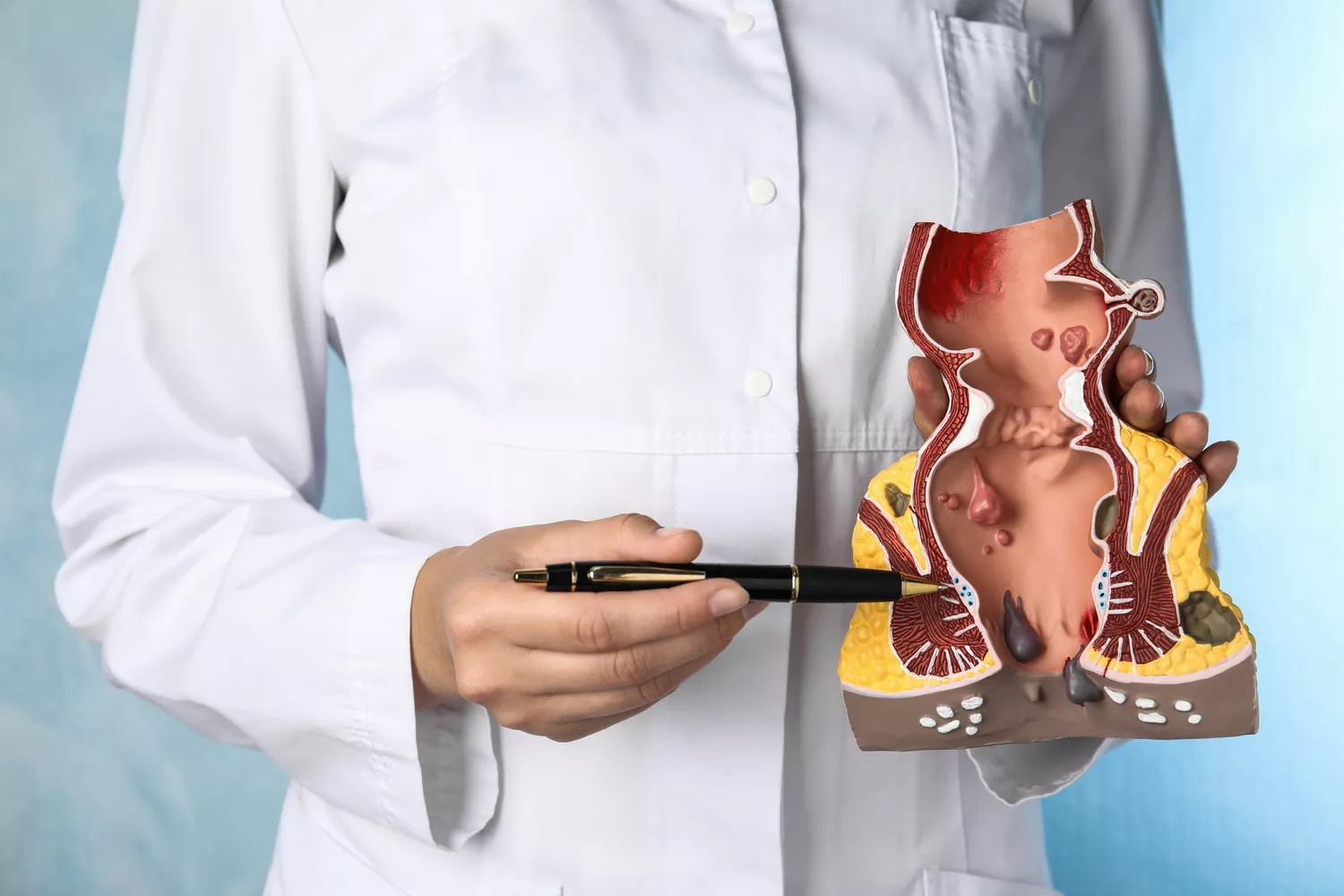
If polyps were removed, your follow-up schedule will change. Depending on the size, number, and type of polyps, your doctor might recommend a follow-up in 1, 3, or 5 years rather than the standard 10. These personalized intervals ensure that any new growths are caught long before they can become a serious health threat.
FAQ
What happens during a colonoscopy procedure?
During the exam, a doctor uses a flexible tube with a camera to look at the lining of your large intestine. The doctor checks for signs of irritation, inflammation, or growths called polyps. If something unusual is found, the doctor can take a small sample or remove the growth entirely during the same session.
Is a colonoscopy painful?
Most patients do not feel pain during the procedure because they are under sedation. You might feel some pressure or mild cramping as the scope moves or as air is introduced into the colon, but the anesthesia ensures that you remain comfortable throughout the 30-to-60-minute process.
What is the prep like for a colonoscopy?
The preparation involves a two-step process: switching to a clear liquid diet the day before and drinking a prescribed laxative solution to clear out the colon. While the liquid diet can be restrictive and the laxative leads to frequent bowel movements, it is the most important step for ensuring your doctor gets a clear view of your health.
Are you put to sleep during a colonoscopy?
Most procedures in the United States use conscious sedation or "twilight sleep," where you are technically awake but very relaxed and unlikely to remember the procedure. In some cases, deeper anesthesia is used, and you will be fully asleep. Your medical team will decide which is best based on your health history.
How long is the recovery after a colonoscopy?
The immediate recovery in the clinic takes about an hour. However, the full recovery from the sedative takes about 24 hours. You will need to rest at home for the remainder of the day and avoid driving or working until the next morning. Most people feel completely back to normal after a good night's sleep.
How often should you have a colonoscopy?
For those at average risk with no polyps or cancer detected during an initial exam, medical guidelines typically recommend a follow-up colonoscopy every 10 years. If polyps are found, or if you have a family history of colorectal cancer, your doctor will likely recommend more frequent screenings, such as every 3 or 5 years.
Scheduling Your Screening
Taking charge of your health is a lifestyle choice that pays dividends for years to come. While the thought of a colonoscopy procedure can be daunting, it is one of the few medical tests that can actually stop cancer before it starts. By following the colorectal cancer screening guidelines age 45, you are giving yourself the best chance at a long, healthy life.
Don't let the preparation or the logistics hold you back. Connect with a gastroenterologist today to discuss your risks and get your appointment on the calendar. Your future self will thank you for the peace of mind.