Quick Facts
- The 40% Rule: Brushing alone misses 40% of tooth surfaces, making interdental cleaning essential.
- Systemic Link: Individuals with periodontal disease face a 20% to 25% increased risk of cardiovascular disease.
- Immunity: Oral inflammation triggers a body-wide immune response, diverting resources from other threats.
- Nightly Priority: Bedtime brushing is the most critical routine step due to reduced saliva flow during sleep.
- The Acid Window: Bacteria produce damaging acid for 20 minutes immediately following sugar consumption.
- Global Impact: Oral diseases affect nearly 3.5 billion people worldwide, representing the most common global health condition.
Dental wellness is a holistic approach that views oral hygiene as a critical component of total body health, directly influencing immune function and systemic inflammation. By maintaining a balanced oral microbiome and reducing the bacterial load in the mouth, you allow your immune system to focus on defending against external illness rather than managing chronic low-grade infection in the gums.
The Mouth-Body Connection: Beyond the Smile
For decades, we have treated the mouth as an isolated compartment of the body, distinct from our cardiovascular or nervous systems. However, modern preventive care reveals that the mouth is the primary gateway to your internal environment. When we ignore dental wellness, we leave a door open for systemic inflammation to take root. According to the World Health Organization, oral diseases affect nearly 3.5 billion people worldwide, with untreated dental caries being a primary concern. This isn't just a matter of cavities; it is a matter of how oral health and immunity are inextricably linked.
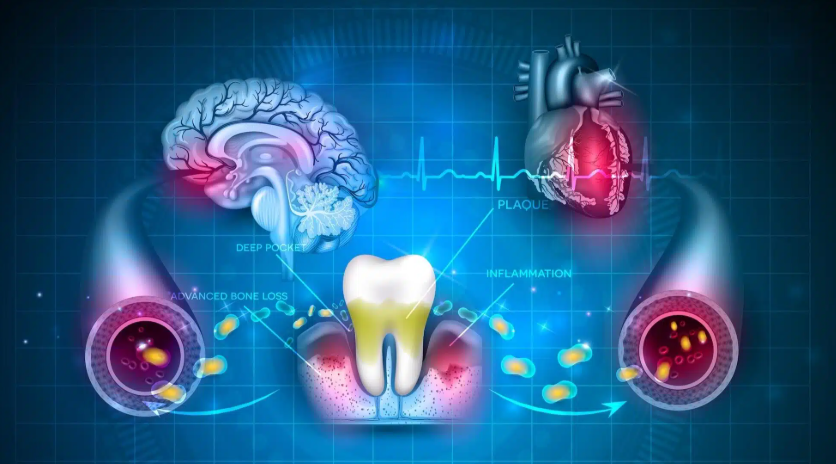
When the gums are inflamed due to gingivitis or periodontal disease, the protective barrier between your mouth and your bloodstream becomes porous. Pathogenic bacteria, such as P. gingivalis, can migrate into the circulatory system. This migration triggers the release of inflammatory cytokines like IL-6. These chemical messengers travel throughout the body, potentially contributing to arterial plaque formation or even cognitive decline. Medical research indicates that individuals with periodontal disease may face an increased risk of cardiovascular disease of approximately 20% to 25%.
Fortunately, the tide is turning in how we perceive this connection. The 2025 State of America’s Oral Health and Wellness Report found that more than 90% of adults in the United States believe that oral health is an integral part of their overall health. Shifting your focus toward how oral health supports immune system function is the first step in a truly comprehensive wellness strategy.
Holistic vs. Conventional: A New Paradigm
The traditional dental model often focuses on reactive care—filling a cavity or cleaning a tooth once damage has occurred. In contrast, holistic oral care prioritizes the prevention of systemic inflammation and the preservation of the oral microbiome. Rather than attempting to "sterilize" the mouth with harsh alcohols and antibiotics, a holistic approach seeks to balance the delicate ecosystem of bacteria that helps pre-digest food and protect against pathogens.
One of the core tenets of this new paradigm is biocompatibility. This involves choosing dental materials and products that the body recognizes as harmonious rather than toxic. This includes avoiding hormone-disrupting chemicals and focusing on remineralization rather than just abrasion.
| Feature | Conventional Dentistry | Holistic Dental Wellness |
|---|---|---|
| Primary Goal | Symptom management and aesthetics | Root cause prevention and systemic health |
| Bacterial Strategy | Total eradication (sterilization) | Microbiome balance and support |
| Material Focus | Durability and cost | Biocompatibility and non-toxicity |
| View of the Mouth | An isolated mechanical system | A vital organ linked to all body systems |

When you adopt a holistic oral hygiene guide for beginners, you start looking at the ingredients in your toothpaste and the materials used in your fillings. You begin to understand that a healthy mouth is the foundation for a healthy body.
The 24-Hour Dental Wellness Reset
To effectively integrate oral care into your lifestyle, you must understand your body's biological rhythms. Our mouths undergo different stresses during the day compared to the night. Creating a daily dental wellness routine for total body health requires consistency and a strategic understanding of timing.
The most critical window for oral hygiene is right before bed. During sleep, saliva production—the body’s natural defense mechanism—decreases significantly. Without saliva to neutralize acids and wash away debris, bacteria can proliferate unchecked for eight hours. This is why a thorough evening clean is non-negotiable.
Another vital concept is the acid window. Every time you consume sugar or simple carbohydrates, bacteria in your mouth produce acid as a byproduct. This acid attack lasts for approximately 20 minutes after you finish eating. If you graze on sugary snacks throughout the day, your teeth stay in a constant state of acid exposure, preventing tooth remineralization.
Your Daily Dental Wellness Checklist
- Morning: Gently brush to remove the film of bacteria built up overnight. Use a tongue scraper to clear away toxins and jumpstart your digestive enzymes.
- Post-Meals: Instead of brushing immediately (which can wear down enamel softened by acid), rinse with water or chew a piece of gum sweetened with xylitol to stimulate saliva and neutralize pH.
- Evening: This is the deep-clean phase. Use a dental hygiene checklist for preventing systemic inflammation: floss or use a water flosser first, then brush for a full two minutes, and finish with a remineralizing agent.
Taking these actionable steps for a dental wellness reset ensures that you are not just cleaning your teeth, but actively managing your body's inflammatory load.
Advanced Tools for the Modern Wellness Routine
If you are only using a manual toothbrush, you are likely leaving a significant portion of your oral health to chance. The 40% rule reminds us that the spaces between our teeth are where the majority of inflammatory issues begin. Modern wellness tooling has evolved to make interdental cleaning and gum care more effective and less of a chore.
One of the most exciting developments in dental wellness is the use of red light therapy. Originally used for skin rejuvenation and wound healing, red light therapy is now applied to gum health. It works at a cellular level to stimulate mitochondria, supporting tissue regeneration and reducing localized inflammation. When combined with sonic massage from a high-quality toothbrush, it provides a double-layered approach to gum vitality.
Furthermore, the shift from fluoride-only products to those containing hydroxyapatite is a game-changer for those seeking natural strategies to balance the oral microbiome. Hydroxyapatite is the primary mineral that makes up 97% of your tooth enamel. Using it in your daily oral hygiene habits allows for effective remineralization without the potential systemic concerns associated with excessive fluoride ingestion.
Reading the Label: Ingredients to Embrace and Avoid
Just as we read nutrition labels on our food, we must become vigilant about what we put in our mouths during our hygiene routines. The oral mucosa is highly permeable, meaning chemicals in your toothpaste can enter your bloodstream within seconds.
Many conventional toothpastes contain Sodium Lauryl Sulfate (SLS), a foaming agent that can cause canker sores and disrupt the protective lining of the mouth. Others may contain parabens or artificial dyes that offer no health benefit but add to your body’s toxic burden. Instead, look for biocompatibility in your product choices.
Ingredients like xylitol are excellent for oral health because they inhibit the growth of cavity-causing bacteria while keeping saliva pH levels balanced. Additionally, maintaining a diet rich in Vitamin K2, Vitamin D3, and magnesium is essential for bone health and the structural integrity of your teeth.

Saliva pH levels are a major indicator of your oral and systemic health. An acidic mouth is a breeding ground for pathogens, while an alkaline environment supports the healthy minerals in your enamel. Staying hydrated and choosing mineral-rich water can help maintain this balance.

FAQ
Why is dental wellness important for overall health?
Dental wellness acts as a preventive shield for the rest of the body. Because the mouth is a major entry point for bacteria, chronic oral infections can lead to systemic inflammation, which is linked to heart disease, diabetes, and even Alzheimer’s. By prioritizing oral care, you reduce the overall stress on your immune system.
How can I improve my oral wellness at home?
Beyond the basics of brushing, you can improve your wellness by implementing the 40% rule—ensuring you clean between your teeth every single day. Using tools like water flossers, tongue scrapers, and remineralizing toothpastes with hydroxyapatite can significantly elevate your home care. Monitoring your sugar frequency and staying hydrated also play major roles.
What habits contribute to long-term dental health?
Long-term health is built on consistency and timing. Brushing before bed is the most important habit to prevent overnight bacterial growth. Additionally, avoiding "grazing" on carbohydrates helps prevent constant acid attacks, while regular professional check-ups ensure that any issues are caught before they become systemic problems.
How does nutrition impact dental wellness?
Nutrition provides the building blocks for tooth enamel and gum tissue. Vitamins like D3 and K2 are essential for directing calcium into the teeth rather than the arteries. Furthermore, eating crunchy, fibrous vegetables can help naturally clean teeth and stimulate saliva, which maintains a healthy pH balance in the mouth.
What is the difference between dental wellness and traditional dentistry?
Traditional dentistry is often focused on repairing damage, such as filling cavities or performing root canals. Dental wellness is a holistic philosophy that looks at the root causes of oral issues, focusing on the oral microbiome, biocompatible materials, and the connection between the mouth and the body's inflammatory levels.
Integrating dental wellness into your lifestyle is perhaps the most underrated strategy for long-term health. It is not just about a white smile; it is about protecting your heart, your brain, and your immune system. Start by adding one new habit this week—perhaps interdental cleaning or switching to a biocompatible toothpaste—and feel the difference that a healthy mouth makes to your total body vitality.