Quick Facts
- Recall Status: Active public health advisory; affected products should be discarded immediately.
- Primary Source: Grimmway Farms, a major supplier based in Bakersfield, California.
- Pathogen: Shiga toxin-producing E. coli O121:H19.
- Impacted Products: Organic whole carrots and organic baby carrots sold under multiple brand names.
- Confirmed Cases: A multistate outbreak resulting in 48 illnesses, 20 hospitalizations, and one death.
- Affected Dates: Whole carrots sold from August 14 to October 23, 2024; Baby carrots with best-by dates through November 12, 2024.
- Action Required: Check your refrigerator, dispose of suspected products, and sanitize all contact surfaces.
The E. coli carrot recall affects multiple brands of organic whole and baby carrots supplied by Grimmway Farms, including those sold at Trader Joe's and Target. Affected whole organic carrots were sold between August and October 2024, while baby carrots have best-by dates ranging through November 12, 2024. Consumers should immediately check their refrigerators and freezers for these products and discard them even if they appear fresh.
Identifying Recalled Brands and Dates
When a foodborne pathogen alert is issued, the first step for any consumer is a thorough pantry and refrigerator audit. In this instance, traceback investigations by the FDA identified Grimmway Farms as the common supplier for the contaminated organic carrots, leading to a voluntary recall of dozens of brands sold at major retailers including Trader Joe's and Whole Foods. Because these carrots were distributed nationwide across the United States, Canada, and Puerto Rico, the scope is significant.
The E. coli carrot recall is particularly complex because it involves two different types of packaging with different identification markers. For whole carrots, there are no "best-by" dates printed on the bags. Instead, you must recall the timeframe in which you purchased them. For baby carrots, the identification is based on a specific window of best-by dates.
To help you determine if you have organic carrot recall brands in your home, refer to the following guide based on the Grimmway Farms recall:
| Carrot Type | Brand Names Included | Date Range / Identifiers |
|---|---|---|
| Organic Whole Carrots | 365, Bunny Luv, Cal-Organic, Good & Gather, GreenWise, Marketside, Nature's Promise, O-Organic, President's Choice, Simple Truth, Trader Joe's, Wegmans, Wholesome Pantry | Sold in stores from August 14 through October 23, 2024 |
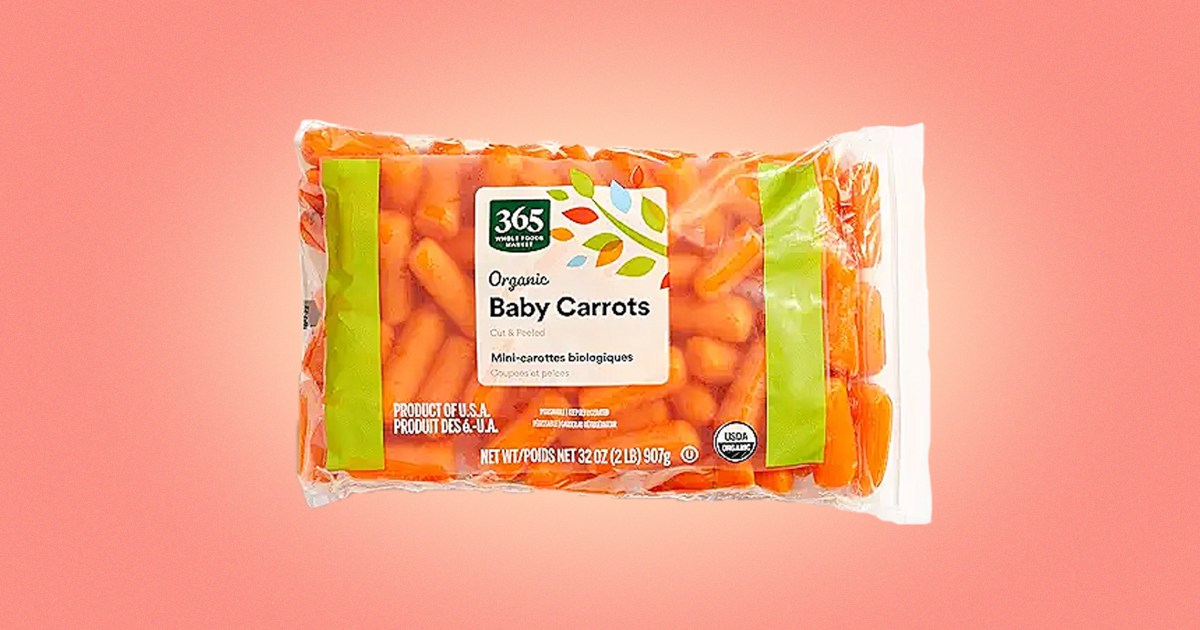
| Organic Baby Carrots | 365, Bunny Luv, Cal-Organic, Compliments, Full Circle, Good & Gather, GreenWise, Grimmway Farms, Kroger, Libery Garden, Marketside, Nature's Promise, O-Organic, President's Choice, Raley’s, Simple Truth, Sprouts, Target, Trader Joe's, Wegmans, Wholesome Pantry | Best-by dates ranging from September 11 through November 12, 2024 |
If you are unsure how to check carrot best-by dates for recall, look at the front of the plastic bag, usually near the top or bottom seal. If the brand matches and the date falls within the window—or if the bag is unlabeled but matches the purchase window for whole carrots—the CDC investigation suggests the safest course of action is to assume contamination and discard the item.
Recognizing E. Coli Symptoms and Health Risks
Understanding the clinical nature of Shiga toxin-producing E. coli is vital for managing your health. This specific strain, O121:H19, is known for its ability to cause severe gastrointestinal complications. Health authorities report that Shiga toxin-producing E. coli infections typically present with severe stomach cramps and bloody diarrhea approximately three to four days after exposure, though most people recover within five to seven days.
However, the incubation window can vary. Some individuals may start feeling ill as early as 24 hours after consumption, while for others, symptoms might not appear for up to nine days. This delay can make it difficult to link the illness back to the specific carrot brands affected by the Grimmway Farms recall.
Common symptoms of E. coli from carrots to watch for include:
- Severe, often painful stomach cramps
- Diarrhea that frequently becomes bloody
- Nausea and persistent vomiting
- A low-grade fever (usually less than 101°F/38.5°C)

While most healthy adults recover without permanent damage, certain populations are at a much higher risk for a condition known as Hemolytic uremic syndrome (HUS). This is a serious type of kidney failure that can be life-threatening. Children under the age of five, older adults, and those with weakened immune systems are particularly vulnerable. HUS symptoms include extreme fatigue, decreased frequency of urination, and losing pink color in the cheeks and under the lower eyelids.

Many readers ask: what to do if you ate recalled food but feel fine? If you consumed the carrots but are currently asymptomatic, there is no need to panic or seek emergency care. However, you should monitor your health closely for the next ten days. Do not take antidiarrheal medications if you begin to feel ill, as these can slow down the digestive system and prevent your body from clearing the Shiga toxin-producing E. coli efficiently.
Safe Disposal and Kitchen Sanitation
One of the most dangerous misconceptions in food safety is that you can wash E. coli off organic carrots. Pathogens like E. coli can adhere to the porous surface of root vegetables or even become internalized within the tissue of the plant. Rinsing with water, or even using "veggie washes," is insufficient to eliminate the risk. The only way to ensure safety is through safe disposal of recalled food.
Safe Disposal Steps for Recalled Organic Carrots
- Bag the Product: Place the recalled carrots, whether the bag is opened or unopened, into a secondary plastic bag.
- Seal Securely: Tie or seal the secondary bag tightly to ensure that no juices or fragments can leak out.
- Discard: Place the bag in a trash can, preferably an outdoor bin, to keep it away from other food preparation areas.
- Avoid Donation: Never donate recalled food to food banks or share it with neighbors or pets.
After the physical product is gone, you must address the risk of cross-contamination. Bacteria from the packaging or the carrots themselves can easily transfer to your refrigerator shelves, handles, and kitchen countertops.
Cleaning Your Refrigerator After a Food Recall
Proper sanitizing kitchen surfaces is a multi-step process. Simply wiping with a damp cloth is not enough; you need a disinfectant that can kill Shiga toxin-producing E. coli.
- Empty the area: Remove all other food items from the drawer or shelf where the carrots were stored.
- Wash with soap: Use hot, soapy water to wash the drawers, shelves, and any containers that touched the carrots.
- Sanitize: Use a solution of one tablespoon of unscented liquid chlorine bleach in one gallon of water to wipe down the surfaces. Alternatively, use a food-safe commercial disinfectant.
- Dry: Allow the surfaces to air dry or use clean paper towels. Wash your hands thoroughly with warm water and soap for at least 20 seconds after completing the cleaning process.
FAQ
Which carrot brands are currently being recalled for E. coli?
The recall involves several major brands including 365 (Whole Foods), Good & Gather (Target), Trader Joe's, Wegmans, Bunny Luv, Cal-Organic, and Simple Truth. These carrots were all supplied by Grimmway Farms. Because the list is extensive, consumers should check the specific purchase dates for whole carrots (Aug 14 - Oct 23, 2024) and best-by dates for baby carrots (Sept 11 - Nov 12, 2024) to confirm if their product is affected.
What are the symptoms of an E. coli infection?
Symptoms typically include severe stomach cramps, vomiting, and diarrhea that is often bloody. While a fever may be present, it is usually not very high. These symptoms usually manifest three to four days after exposure, but the incubation window can range from one to ten days.
How can I tell if the carrots in my fridge are part of the recall?
For baby carrots, look for the best-by date printed on the bag. If it falls between September 11 and November 12, 2024, it is part of the recall. For whole organic carrots, if you purchased them between August 14 and October 23, 2024, they should be discarded. If you have moved the carrots to a different container and no longer have the original packaging, the safest choice is to throw them away.
What should I do if I have already eaten recalled carrots?
If you have already consumed the carrots and feel healthy, simply monitor yourself for symptoms like severe abdominal pain or diarrhea over the next ten days. If you begin to feel ill, contact your healthcare provider and mention the E. coli carrot recall. If you experience signs of dehydration or bloody stools, seek medical attention immediately.
Can you cook carrots to kill E. coli?
While high-heat cooking (reaching an internal temperature of 160°F or 71°C) can kill E. coli, health authorities strongly advise against trying to "cook away" the risk in a recall situation. The potential for cross-contamination during the peeling and chopping process—transferring bacteria to your hands, knives, and cutting boards—is too high. Disposal is the only recommended safety measure.
Resources and Contact Information
Staying informed is your best defense against foodborne illness. According to the CDC, a multistate outbreak of E. coli O121:H19 linked to organic carrots in late 2024 resulted in 48 confirmed illnesses, 20 hospitalizations, and one death across 19 U.S. states. This highlights the importance of taking these advisories seriously.
If you have questions regarding a specific product or want to request a refund, you can contact Grimmway Farms customer service at 1-800-301-3101, Monday through Friday, 8 a.m. to 8 p.m. ET. You may also visit the company’s website for a full list of UPC codes and brand labels.
For medical concerns, consult your primary care physician or a local urgent care clinic. When to see a doctor for E. coli symptoms is a personal decision, but clinical guidelines suggest that any instance of bloody diarrhea, a fever higher than 102°F, or signs of severe dehydration (such as dizziness or lack of urination) warrants immediate professional evaluation.

As an editor dedicated to your nutritional safety, I urge you to err on the side of caution. While it is frustrating to waste organic produce, the risk to your renal and digestive health far outweighs the cost of a bag of carrots. Stay safe, keep your kitchen sanitized, and always follow the latest public health advisory updates from the CDC and FDA.