Quick Facts
- Incubation Period: Typically 3-4 days, though symptoms can appear between 1 and 10 days post-exposure.
- Core Symptoms: Severe stomach cramps, watery diarrhea often turning bloody, and a low-grade fever.
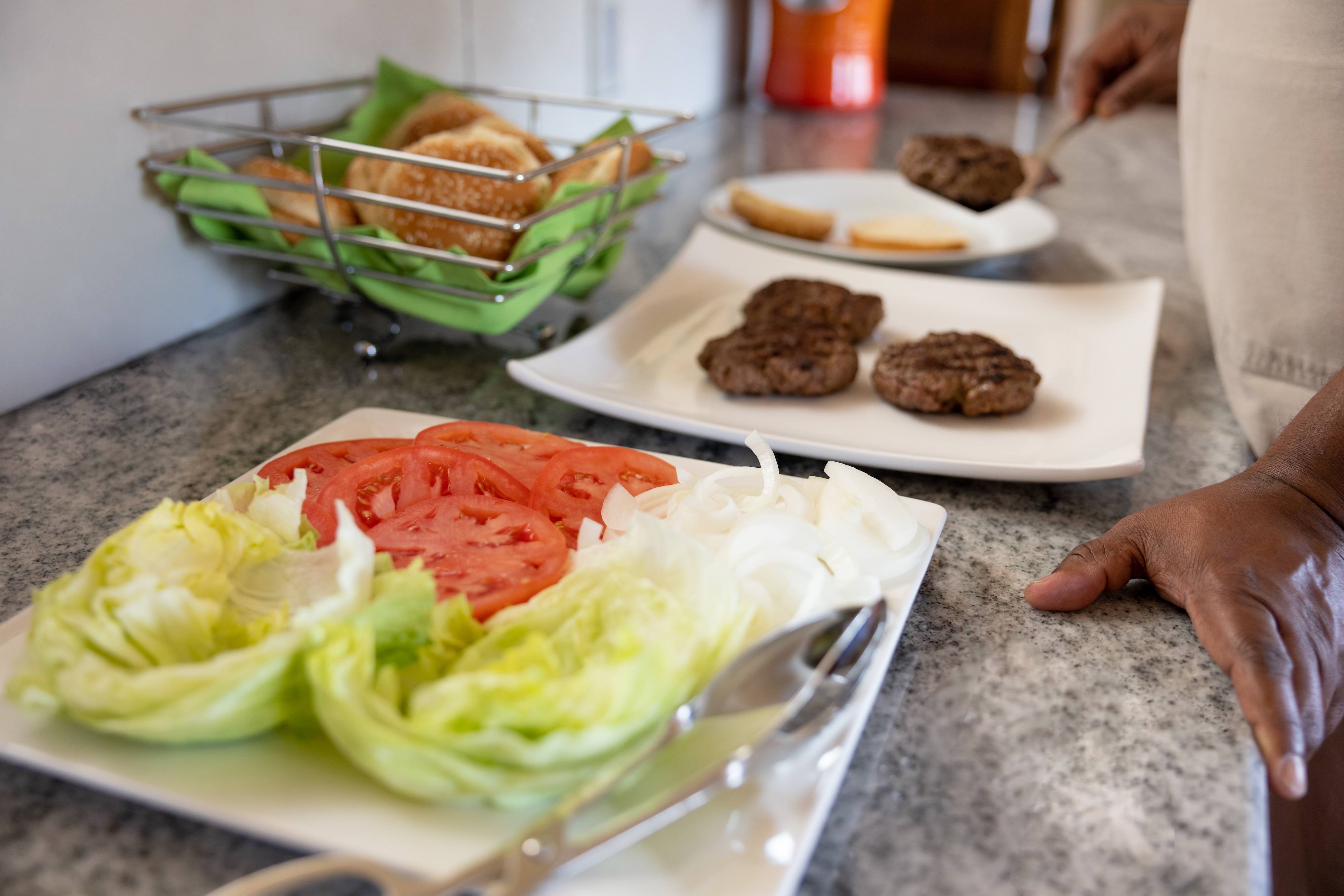
- Outbreak Source: Epidemiologic data linked the 2024 outbreak to fresh slivered onions on Quarter Pounders.
- Confirmed Impact: The CDC reported 104 illnesses, 34 hospitalizations, and one death across 14 states.
- Key Risk: Hemolytic Uremic Syndrome (HUS) is a serious complication that occurred in four individuals during this outbreak.
- Safety Warning: Avoid antibiotics or anti-diarrheal medications if you suspect E. coli, as these can increase the risk of kidney complications.
E. coli symptoms typically begin three to four days after exposure, though the incubation period can range from one to ten days. Early signs often include severe stomach cramps, watery diarrhea that frequently becomes bloody, and occasionally a low-grade fever. Unlike common stomach bugs, Shiga toxin-producing E. coli is characterized by the absence of high fever and the presence of significant intestinal distress.
Identifying the Timeline: How Long After Exposure?
When a public health alert regarding a major restaurant chain surfaces, the first question most of us ask is: "I ate there recently; am I at risk?" Understanding the biological timeline of an infection is the first step in preventive care. For those wondering how long after eating mcdonalds do e coli symptoms start, the window is wider than many expect. While the average person begins to feel ill within 72 to 96 hours, the official incubation period for Shiga toxin-producing E. coli spans from a single day to a full week and a half.
During the recent investigation into the McDonald's outbreak, public health surveillance played a critical role in tracing the source of the bacteria. It was eventually determined that the primary vehicle for the Shiga toxin-producing E. coli was the fresh, slivered onions served on McDonald’s Quarter Pounder hamburgers. This specific strain, known as O157:H7, is particularly aggressive. Unlike some bacteria that colonize the gut silently, this strain produces a potent toxin that attacks the lining of the small intestine, leading to significant gastrointestinal distress and, in some cases, long-term health challenges.
If you suspect e coli after a restaurant outbreak, it is vital to keep a detailed log of what you ate and when your symptoms began. Because the bacteria can take up to ten days to manifest, you might not immediately connect a meal from last Tuesday to the cramps you are feeling on Friday. This delay is why public health officials rely heavily on patient interviews and traceback information to identify the source of contamination and prevent further spread within the community.
Distinguishing E. Coli From Common Food Poisoning
Navigating the nuances of digestive upset can be confusing. Many people mistake the early stages of E. coli symptoms for a standard "stomach bug" or a mild case of food poisoning. However, distinguishing e coli symptoms from common food poisoning is essential for determining when to rest at home and when to seek professional help. The duration of the illness is one of the most significant indicators; while a typical bout of foodborne illness usually resolves within 24 to 48 hours, the diarrhea associated with E. coli can last for five to seven days.
A defining characteristic of Shiga toxin-producing E. coli is the nature of the stool. In the initial stages, the diarrhea may be watery, but it frequently progresses to become visibly bloody. This occurs because the toxins damage the lining of the intestines. Furthermore, while many viral infections come with a high fever, E. coli infections are often characterized by a low-grade fever or no fever at all. If you are experiencing intense abdominal tenderness and severe cramping without a high temperature, it may be a sign of a more serious bacterial pathogen rather than a common virus.
| Feature | Common Food Poisoning | E. coli (STEC) |
|---|---|---|
| Onset | 2–6 hours or 12–24 hours | 3–4 days (up to 10 days) |
| Duration | 24–48 hours | 5–7 days |
| Stool Type | Watery | Watery, frequently becoming bloody |
| Fever | Often moderate to high | Low-grade or absent |
| Cramping | Mild to moderate | Severe and debilitating |
How long does e coli diarrhea last in adults? Generally, the most acute phase lasts about a week. However, the recovery of the gut microbiome and the return of normal renal function can take longer. Throughout this period, the focus should remain on hydration and monitoring for any shifts in symptom severity. If the illness does not follow the standard trajectory of a 24-hour bug, it is time to consider a stool culture to confirm the presence of O157:H7.
Severe E. Coli Warning Signs: When to Seek Medical Attention
While many healthy adults can recover from a foodborne illness with supportive care, certain red flags necessitate immediate medical attention for foodborne illness. The most dangerous complication associated with the McDonald's outbreak is Hemolytic Uremic Syndrome (HUS). This condition occurs when the toxins enter the bloodstream and begin to destroy red blood cells, which can lead to acute kidney failure.
The risk of HUS is highest among vulnerable populations, including the elderly and young children. Identifying early symptoms of hemolytic uremic syndrome in toddlers is particularly critical, as they can dehydrate and experience kidney stress much faster than adults. Parents should watch for a significant decrease in the frequency of urination, which suggests the kidneys are struggling.
Emergency Checklist: When to Call the Doctor
- Inability to Retain Fluids: If you cannot keep liquids down for more than 12 hours.
- Signs of Dehydration: Extreme thirst, very dry mouth, or feeling dizzy when standing up.
- Neurological Changes: Confusion, extreme fatigue, or unusual irritability.
- Visible Physical Markers: Pale skin, especially in the cheeks or under the lower eyelids, or unusual bruising or tiny pink spots on the skin.
- Kidney Indicators: A noticeable drop in urination or blood in the urine.
If you observe these severe e coli warning signs requiring immediate medical attention, do not wait for the symptoms to "clear up" on their own. The four individuals who developed HUS in the 2024 outbreak required intensive medical intervention. Early diagnosis can help manage electrolyte imbalance and protect vital organs from permanent damage.
Diagnosis and Important Treatment Precautions
If you believe you are part of an outbreak, getting a formal diagnosis is not just about your personal health; it is a matter of public safety. A stool culture is the primary method used by doctors to identify the specific strain of bacteria. This clinical testing allows health departments to link individual cases to a common source, such as the contaminated slivered onions or contaminated beef involved in previous outbreaks. Having a documented case also ensures that your medical history is clear should any long-term complications arise.
There is one critical warning that every lifestyle and wellness editor must emphasize: Do not use antibiotics or anti-diarrheal medications if E. coli is suspected. This may seem counterintuitive, as we often reach for these tools during digestive distress. However, in the case of Shiga toxin-producing E. coli, antibiotics can actually trigger the bacteria to release a massive amount of toxin all at once as they die off. This surge of toxin significantly increases the risk of developing HUS. Similarly, anti-diarrheal medications like loperamide slow down the digestive tract, essentially "trapping" the bacteria and their toxins inside your body for a longer period.
The best course of action is supportive care. Focus on maintaining your electrolyte balance through clear broths, oral rehydration solutions, and water. Avoid heavy, fatty, or high-fiber foods until the diarrhea has completely subsided. By allowing the body to flush the bacteria naturally while keeping the kidneys hydrated, you provide your system with the best environment for a full recovery.
FAQ
What are the first signs of an E. coli infection?
The initial E. coli symptoms are usually intense stomach cramps and watery diarrhea. These often appear suddenly. While some people might feel nauseous or have a low-grade fever, the overwhelming abdominal pain is typically what distinguishes this from a minor digestive upset. Within a day or two, the diarrhea often becomes bloody, which is a major signal that the infection is bacterial rather than viral.
How long does it take for E. coli symptoms to appear?
The time between eating contaminated food and feeling sick—known as the incubation period—is usually three to four days. However, it is not uncommon for symptoms to start as early as one day after exposure or as late as ten days after. Because of this range, it is important to look back at your meals over the past week and a half if you suddenly become ill.
How do I know if I have E. coli or food poisoning?
The main differences are the duration and the severity of the symptoms. Standard food poisoning often involves vomiting and usually passes within 24 to 48 hours. E. coli infections rarely involve heavy vomiting but cause severe, long-lasting diarrhea (often 5 to 7 days) and significant abdominal tenderness. The presence of blood in the stool is a very specific indicator that you are dealing with E. coli rather than a common stomach virus.
When should you go to the hospital for E. coli?
You should seek immediate medical help if you show signs of severe dehydration, such as not being able to keep any liquids down or a significant decrease in urination. Other "red flag" symptoms include a high fever over 102°F, bloody diarrhea that does not improve, or signs of HUS like extreme paleness and unexplained bruising. If you are in a high-risk group, such as being over 65 or under 5, you should consult a doctor as soon as E. coli is suspected.
What are the symptoms of a severe E. coli infection?
A severe infection is often marked by the development of Hemolytic Uremic Syndrome (HUS). Symptoms include extreme fatigue, decreased frequency of urination, and losing color in the face and lower eyelids. These signs indicate that the toxins are affecting your red blood cells and renal function. Severe abdominal pain that makes it difficult to move or stand upright is also a reason to seek urgent clinical evaluation.