Quick Facts
- Common Cause: Rosacea is a primary driver, affecting approximately 415 million people worldwide.
- Gold Standard Ingredients: In 2026, Niacinamide and Azelaic Acid remain the top choices for topical management.
- Clinical Efficacy: Modern laser treatments can reduce visible blood vessels by 50% to 75% after just a few sessions.
- Key Triggers: Environmental factors like UV exposure, extreme heat, and spicy foods are responsible for most acute flare-ups.
- Barrier Focus: Experts now prioritize microbiome balance and reducing transepidermal water loss over aggressive exfoliation.
- Patient Experience: Statistics show that 77% of sufferers experience persistent facial redness, often multiple times per week.
Persistent facial redness is frequently caused by rosacea, an impaired skin barrier, or increased vascular reactivity that leads to dilated blood vessels. In 2026, experts also emphasize the roles of microbiome imbalance and transepidermal water loss in exacerbating chronic skin inflammation and erythema.
Understanding the Causes of Chronic Facial Flushing
Waking up to a complexion that feels permanently sunburnt or overheated can be more than just a cosmetic annoyance. For many women, the question of why is my face always red and flushing becomes a daily source of frustration. To find the right solution, we first have to understand the mechanics of the skin. At its core, facial redness is often a cry for help from your skin barrier function. When this protective layer is compromised, it leads to an increase in transepidermal water loss, leaving the underlying nerves and blood vessels exposed to the elements.
This vulnerability often triggers a histamine response, which is your body’s way of reacting to perceived threats. Whether it is a change in temperature or a new skincare ingredient, the blood vessels in your face dilate to bring more blood to the surface, resulting in that telltale glow. While occasional flushing is normal, chronic facial redness suggests that your vascular reactivity has reached a state of hyper-awareness.
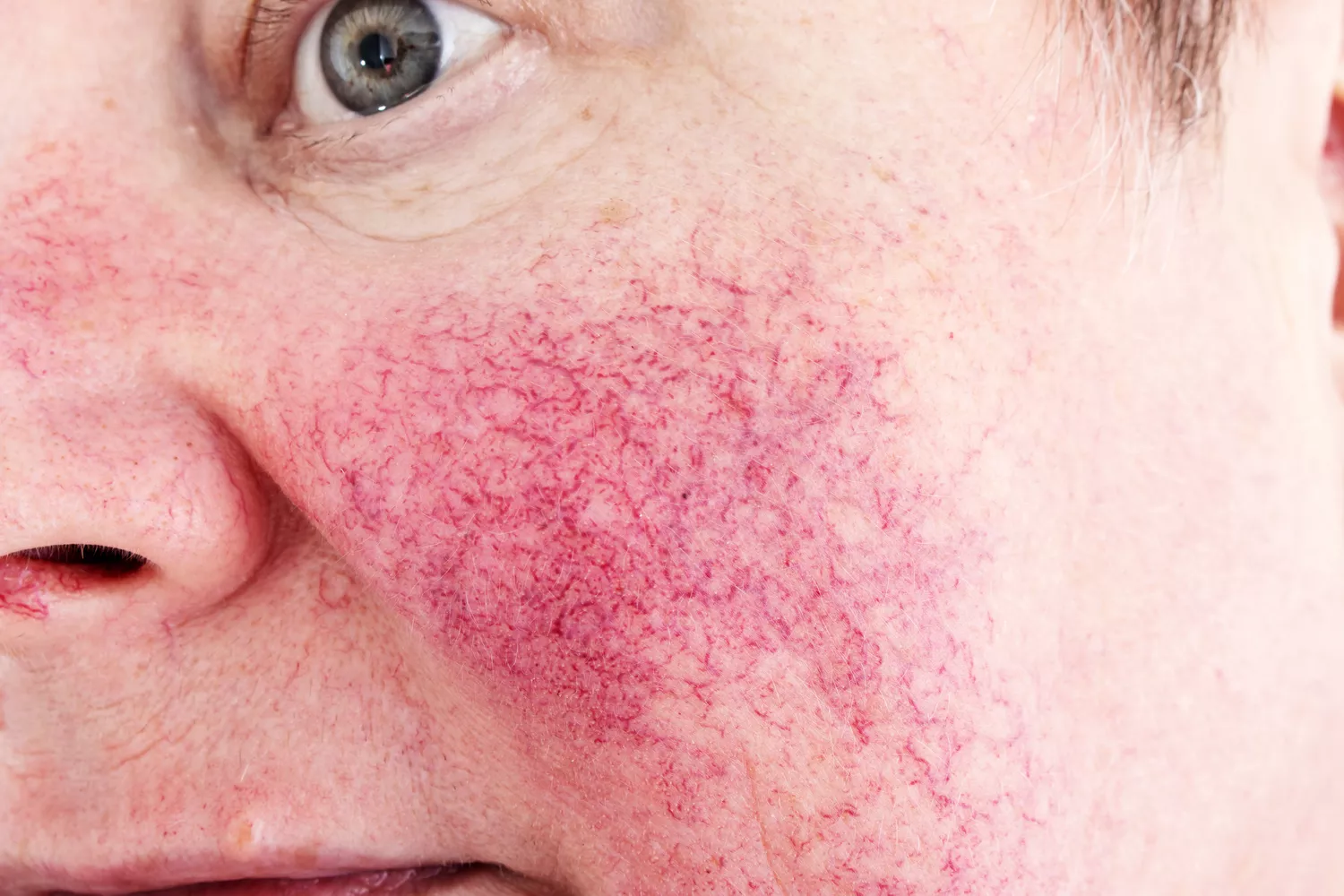
It is important to distinguish between a temporary flush and a long-term condition. The following table highlights the differences between acute reactions and the more persistent causes of chronic facial flushing.
| Feature | Acute Redness | Chronic Redness |
|---|---|---|
| Duration | Lasts minutes to a few hours | Persistent for days or permanent |
| Common Triggers | Exercise, spicy food, embarrassment | UV damage, chronic inflammation, genetics |
| Physical Sensation | Hot or prickly feeling | Stinging, burning, or tightness |
| Visual Indicators | Uniform pink or red glow | Visible spider veins or small bumps |
If you find yourself relating more to the chronic column, you are certainly not alone. Research conducted by the National Rosacea Society found that among nearly a thousand participants, two-thirds experienced these flare-ups more than once a week. This frequency suggests that the issue is not just a passing phase but a physiological state that requires a targeted approach to soothe facial redness after heat exposure and daily stress.
Modern Rosacea Management in 2026
As we move through 2026, the medical community has shifted its perspective on rosacea. We no longer just look at it as a single disease with four rigid types. Instead, dermatologists now use a phenotype-based approach. This means we look at your specific symptoms—whether it is persistent erythema, acne-like bumps, or telangiectasia (those tiny, visible spider veins)—and treat them individually.
One of the most exciting developments in recent years is our understanding of the skin microbiome. We now know that an overgrowth of Demodex mites or an imbalance in skin bacteria can trigger the inflammatory pathways that lead to facial redness. Maintaining a healthy microbiome balance is now considered just as important as using the right cream. When the microbiome is out of sync, the skin becomes reactive, and even the gentlest breeze can feel like an irritant.
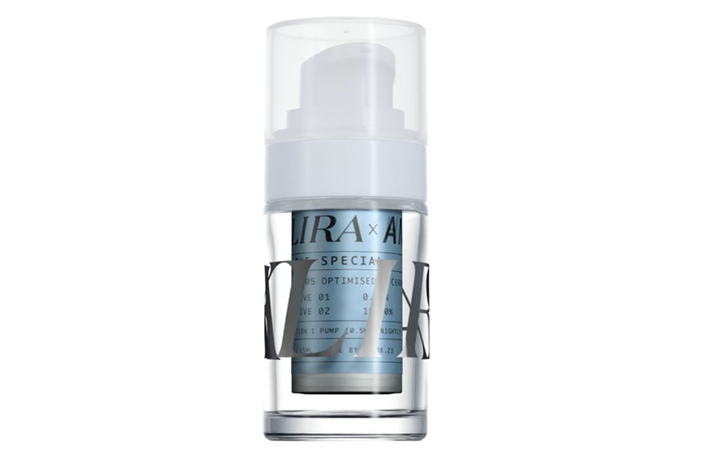
Furthermore, we are seeing a rise in dermatologist recommended rosacea treatment options 2026 that focus on vascular health. Medications that act on the receptors in the blood vessels can temporarily constrict them, providing a clear complexion for up to 12 hours. While these are not permanent cures, they offer significant relief for those dealing with the social anxiety that often accompanies a persistently red face.
The Ultimate Calming Skincare Routine for Sensitive Red Skin
When your skin is in a state of constant high alert, less is always more. The goal of calming skincare for red skin is to rebuild the barrier while actively dampening inflammation. This involves moving away from harsh acids and towards gentle barrier repair products for chronic flushing.
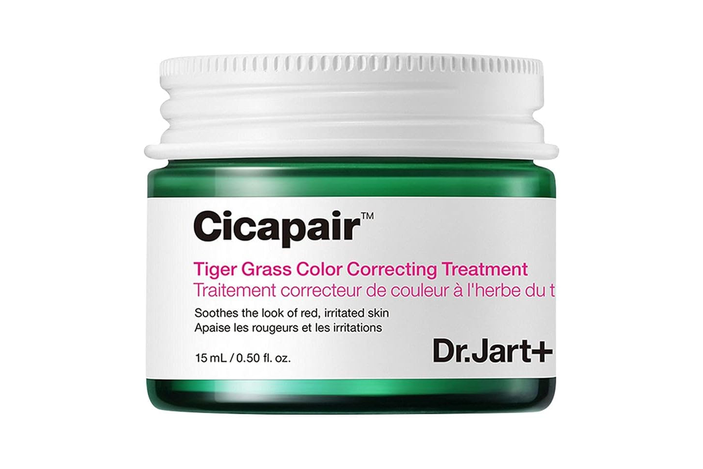
The foundation of any routine for reactive skin should be ingredients that are clinically proven to soothe. Centella asiatica, often called Tiger Grass, is a powerhouse for reducing redness. Similarly, azelaic acid has become a darling of the dermatological world for its ability to calm inflammation and clear up bumps without the irritation associated with traditional acne treatments.
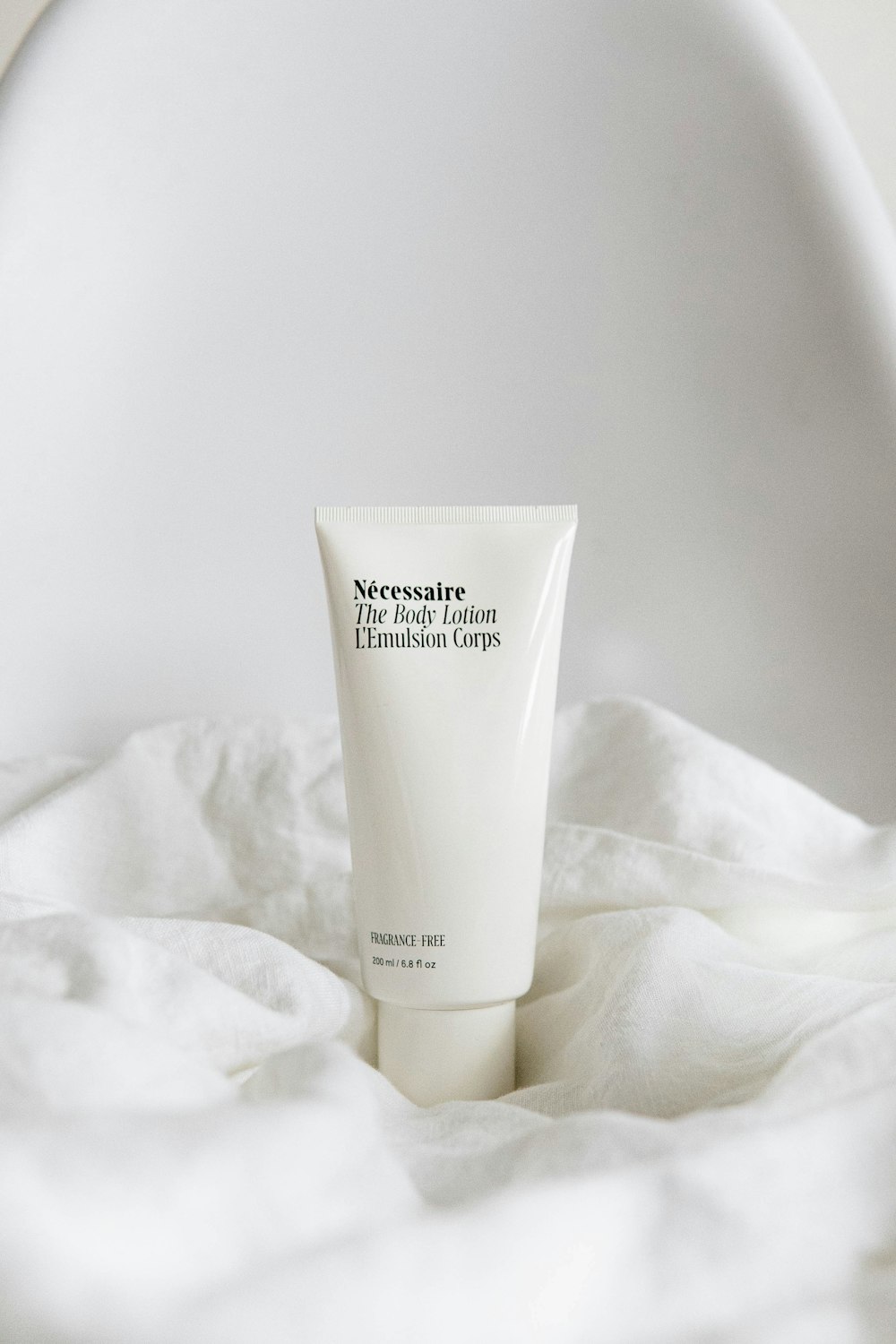
Morning Protocol: Protect and Neutralize
- Cleanse: Use a fragrance-free, cream-based cleanser with lukewarm water. Hot water is a major trigger for vascular reactivity.
- Treat: Apply an over the counter azelaic acid for facial redness or a serum containing niacinamide to strengthen the skin barrier.
- Moisturize: Look for a formula rich in ceramides and ectoin to prevent transepidermal water loss.
- Sun Protection: This is non-negotiable. Use a mineral sunscreen containing zinc oxide or titanium dioxide. These physical blockers are less likely to cause a stinging sensation than chemical filters.
- Correct: If the redness is still visible, a green-tinted color corrector can help neutralize the hue.
Evening Protocol: Recover and Hydrate
- Double Cleanse: Use a gentle cleansing balm followed by your cream cleanser to remove mineral sunscreen and pollutants without scrubbing.
- Soothe: Apply a hydrating mist or serum featuring centella asiatica or thermal spring water.
- Repair: Use a thicker barrier cream at night. This is the best time for your skin to recover from the day's environmental stressors.
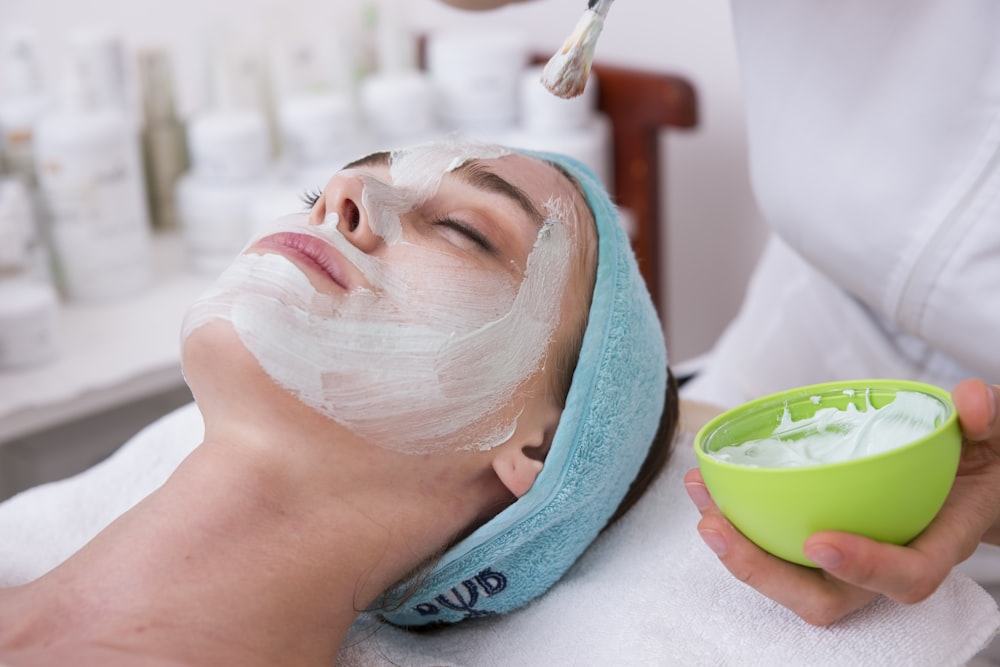
- Optional: A home LED mask using red or yellow light can be one of the best ingredients for reducing facial inflammation and redness when used consistently over several weeks.
By following a calming skincare routine for sensitive red skin, you give your complexion the breathing room it needs to heal itself. Consistency is key; it often takes 4 to 6 weeks to see a noticeable change in the baseline level of redness.
Clinical Interventions: Pulsed Dye Laser and Professional Care
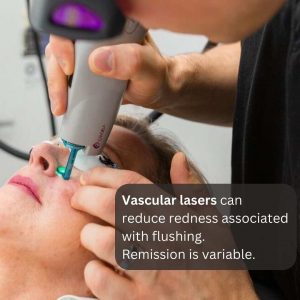
Sometimes, even the most meticulous calming skincare for red skin isn't enough to tackle deep-seated telangiectasia or severe erythema. This is where professional rosacea treatment options come into play. If your redness is caused by permanently dilated blood vessels, no topical cream can "shrink" them back to their original size. In these cases, light-based therapies are the gold standard.
Pulsed dye laser (PDL) is specifically designed to target the hemoglobin in your blood vessels. The laser energy heats the vessel, causing it to collapse and eventually be reabsorbed by the body. Another popular option is intense pulsed light (IPL), which uses a broader spectrum of light to target both redness and brown spots. Most patients see a 50% to 75% reduction in visible vessels after one to three sessions.
While these treatments are highly effective, they do require a financial investment. In the UK and Europe, prescription-strength topicals or custom-blended formulas can range from £25 to £60 per month, while laser sessions can cost significantly more. However, for those whose quality of life is impacted by their skin, these clinical interventions are often life-changing.
When to See a Dermatologist
It is easy to dismiss facial redness as a minor concern, but for many, it carries a heavy psychological burden. If you find that your skin is dictating your social life or causing you to avoid certain activities, it is time for a professional "temperature check."
There are certain red flags that indicate you should seek a medical diagnosis rather than relying on over-the-counter fixes:
- Persistent Stinging: If your skin burns or stings for more than 30 minutes after applying basic products.
- Skin Thickening: If you notice the skin on your nose or cheeks becoming bumpy or thickened (a condition known as rhinophyma).
- Ocular Symptoms: If your eyes feel gritty, dry, or appear bloodshot frequently.
- Constant Heat: If your face feels physically hot to the touch most of the time, regardless of the environment.
A dermatologist can provide a definitive diagnosis and rule out other conditions like lupus or seborrheic dermatitis, which can mimic the appearance of rosacea. They can also help you identify your specific triggers by encouraging you to keep a diary. Identifying whether your facial redness is sparked by red wine, sunlight, or stress is the first step toward reclaiming control.

FAQ
What causes sudden facial redness?
Sudden redness is usually an acute inflammatory response or a vasodilation event. Common culprits include rapid changes in temperature, emotional stress, spicy foods, alcohol, or an allergic reaction to a new skincare product. This is known as flushing and typically resolves once the trigger is removed.
How can I reduce facial redness naturally?
Natural reduction focuses on lifestyle modifications and gentle botanicals. Identifying and avoiding your personal triggers is the most effective natural step. Topically, ingredients like green tea extract, cucumber, and aloe vera can provide temporary cooling relief. Ensuring you stay hydrated and managing stress through yoga or meditation can also lower vascular reactivity.
What is the best treatment for persistent facial redness?
The most effective long-term treatment is usually a combination of a barrier-repairing skincare routine and professional light therapy. Using azelaic acid daily can manage inflammation, while pulsed dye laser or intense pulsed light treatments can physically remove the dilated blood vessels that cause the permanent red appearance.
Is facial redness always a sign of rosacea?
No, facial redness can stem from many sources. It could be a sign of a damaged skin barrier, contact dermatitis, perioral dermatitis, or even a side effect of certain medications. It can also be related to internal health issues or simply a genetic predisposition to sensitive skin. A professional diagnosis is necessary to confirm if rosacea is the cause.
When should I see a dermatologist for facial redness?
You should book an appointment if the redness is accompanied by pain, burning, or eye irritation, or if it is significantly affecting your self-esteem. Additionally, if you notice any changes in skin texture or if the redness does not fade even when you are in a cool, calm environment, professional intervention is recommended.
Managing facial redness is a journey of patience and self-care. While there is no overnight "cure" for chronic flushing, the advancements of 2026 have given us more tools than ever to lead a life where our skin doesn't have to be the loudest person in the room. By focusing on barrier health, choosing the right ingredients, and seeking professional help when needed, you can move toward a complexion that feels as calm as you deserve to be.