Quick Facts
- Family Size: Frida and Jamie Redknapp manage a blended family of seven children.
- Core Strategy: Modular meal components and high-protein batch cooking are used to maintain efficiency.
- Nutritional Baseline: Every morning begins with a family smoothie rich in probiotics and healthy fats.
- Prep Convenience: Use of a weekly menu chalkboard helps eliminate daily decision fatigue.
- Time Management: Meals are designed to be assembled or cooked within 15 to 20 minutes.
- Key Brand: Frida’s nutrition brand, Frood, provides whole-food blends to streamline healthy cooking.
Effective family meal planning for large blended families focuses on high-protein, nutrient-dense staples and batch-cooking modular components. Frida Redknapp recommends establishing a nutritional baseline through morning smoothies and using visible kitchen chalkboards to organize weekly menus.
Managing a large household is less about being a gourmet chef and more about being a tactical logistics expert. When we look at the daily routine of Frida Redknapp, we see a masterclass in how to stay sane while ensuring seven growing children receive the vitamins and minerals they need. Frida and Jamie Redknapp manage a blended family of seven children, including Frida's four children, Jamie's two sons, and their youngest, Raphael. With such a wide age range, the challenge isn't just what to cook, but how to satisfy different appetites and schedules simultaneously.
The secret to their success lies in a shift from reactive cooking to proactive systems. Instead of asking "what's for dinner?" at 5:00 PM, the family relies on a structured approach that centers on nutrient density and preparation logic. By focusing on simple, repeatable habits, we can take the stress out of feeding a large group without sacrificing the quality of the food.
Establishing the Morning Non-Negotiable
In a busy household, the morning is often the only time when we have full control over what goes into our children's bodies before they head off to school or sports. This is why Frida prioritizes the morning non-negotiable. She maintains her family's daily nutritional routine by serving a family smoothie every morning that contains organic kefir, frozen berries, Manuka honey, and soaked chia seeds.
This specific combination serves a dual purpose. First, it provides a powerful dose of probiotics via the Biotiful organic kefir, which supports gut health—a critical factor for growing immune systems. Second, the inclusion of soaked chia seeds offers fiber-packed breakfasts benefits, helping the children stay full until lunch. By using frozen berries, the smoothie is both cost-effective and naturally sweet, while the Manuka honey provides a more stable form of energy than refined sugars.
Beyond the smoothie, breakfast meal prep for busy families often involves nutrient-dense upgrades to classic favorites. Frida often prepares high-protein pancakes or waffles by swapping out traditional ingredients. Instead of using only white flour, she utilizes almond flour and adds cottage cheese directly into the batter. This simple change dramatically increases the protein content and helps regulate blood sugar throughout the morning. This is an excellent example of probiotic-rich recipes meeting modern family needs; even if the children think they are just eating pancakes, they are actually consuming a balanced meal.
To make this sustainable, we recommend batch cooking these items over the weekend. Preparing a large stack of almond flour pancakes and freezing them allows for a quick 60-second reheat on a Tuesday morning, ensuring that even the most hectic start to the day begins with a healthy foundation.
Logistics of Scale: Managing a Blended Household
Feeding seven children isn't just a culinary task; it's an operational one. Blended household logistics require a level of organization that transcends simple recipes. One of the most effective tools in the Redknapp kitchen is a visible weekly menu chalkboard. This isn't just for aesthetics; it is a communication tool that manages expectations and reduces decision fatigue for the parents.
When every child knows that "Tuesday is Taco Night" or "Wednesday is Power Bowls," it eliminates the constant questioning of what is appearing on the table. It also allows for tactical shopping. Instead of daily trips to the store, family meal planning for large families should involve a weekly or even bi-weekly "bulk shop" focused on versatile, whole-food ingredients.
To further streamline operations, consider a card-based inventory system. Keep a small index card box in the kitchen with 14-20 tried-and-tested 7 day family meal plan ideas that the whole family enjoys. Each Sunday, pull five or six cards and write them on the weekly menu chalkboard. This removes the creative pressure of dreaming up new meals every week. By rotating these favorites, we ensure variety without the stress of constant experimentation.
Another key to managing scale is the use of kitchen "hacks" that reduce cleanup. Sheet pan dinners and one-pot stews are staples for a reason. When you are cooking for nine people (including parents), minimizing the number of pots and pans used is essential for maintaining household peace.
Nutrient Stacking: Upgrading Large Family Meals
One of the most powerful concepts in Frida’s philosophy is nutrient stacking. Rather than restricting "fun" foods, she focuses on how to pack more nutrition into the meals the kids already love. This "add, don't restrict" strategy is essential for maintaining a positive relationship with food in a large family.
For example, when making a Bolognese sauce, it isn't just about the meat and tomatoes. It is an opportunity to hide finely grated carrots, celery, and even lentils or bone broth. This increases the fiber and mineral content without changing the flavor profile that children recognize. The same applies to baking. If you are making muffins for the week, using Greek yogurt or eggs as a base rather than just oil and water adds essential protein and healthy fats.
| Target Meal | Standard Choice | Nutrient Stacked Swap | Benefit |
|---|---|---|---|
| Pancakes | White flour + Syrup | Almond flour + Cottage cheese | Higher protein / Lower GI |
| Pasta Sauce | Jarred Marinara | Homemade with pureed lentils | Extra fiber and iron |
| Smoothies | Milk + Fruit | Biotiful organic kefir + Chia | Probiotics + Omega-3s |
| Snacks | Processed Bars | Roasted chickpeas or Hummus | Sustained energy focus |
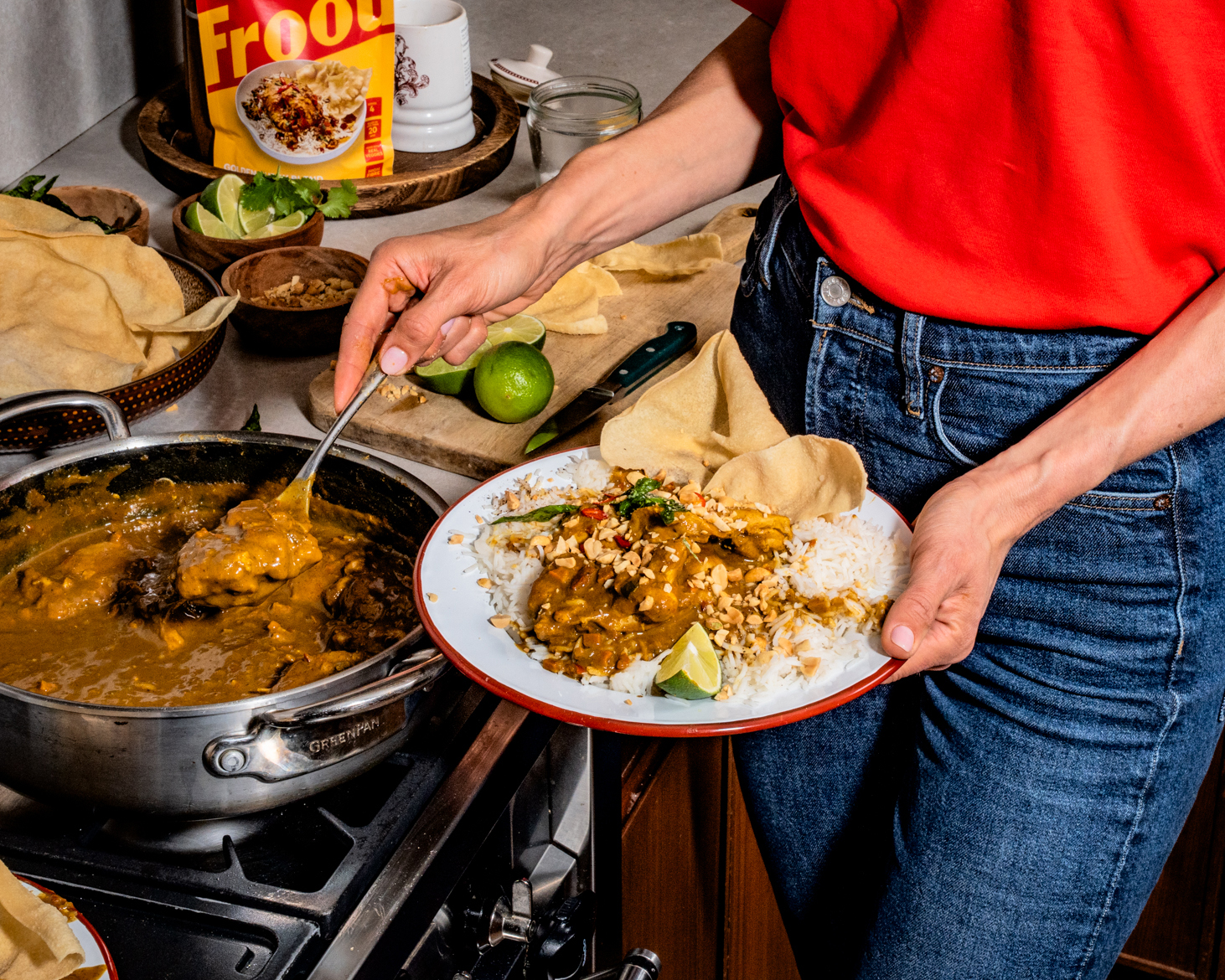
In June 2026, Frida took this philosophy a step further by launching her own nutrition brand. The Frood brand offers whole-food cooking blends designed to help parents prepare balanced, nutrient-dense ingredients in approximately 15 to 20 minutes. These blends serve as a bridge for busy families who want the quality of home-cooked meals but lack the time for extensive prep from scratch.
Feeding Teenage Appetites: High-Satiety Solutions
As any parent of teenagers knows, the caloric requirements of an active adolescent can be staggering. When meal planning for teenage boys especially, we have to account for high-energy needs and what I call the "second lunch" phenomenon. To keep up with teenage calorie intake, the kitchen needs to be modular.
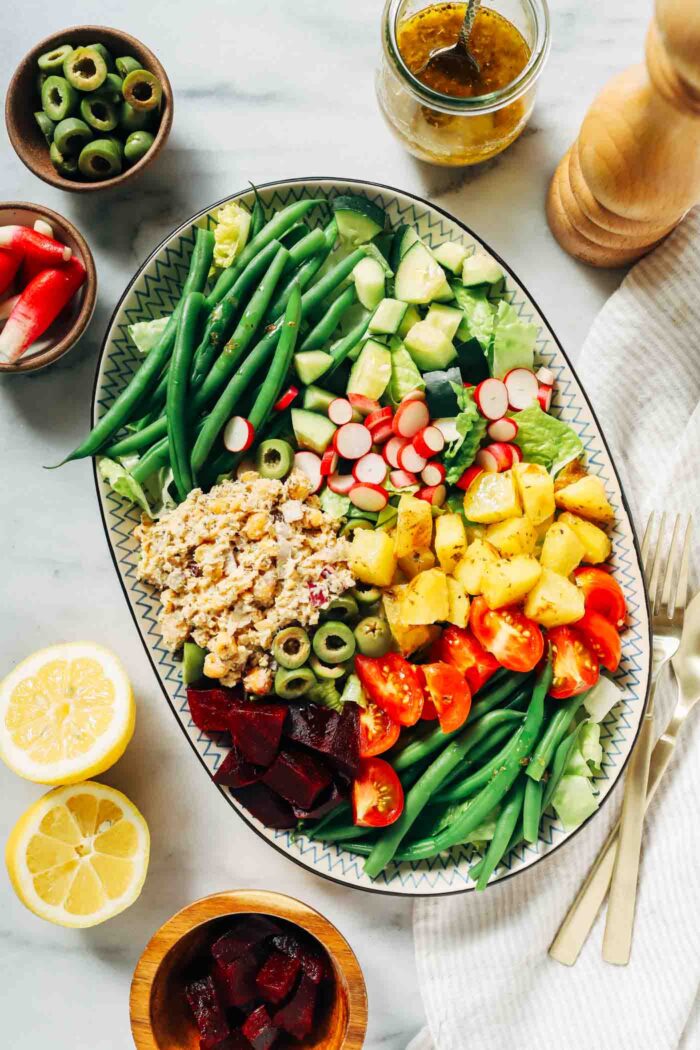
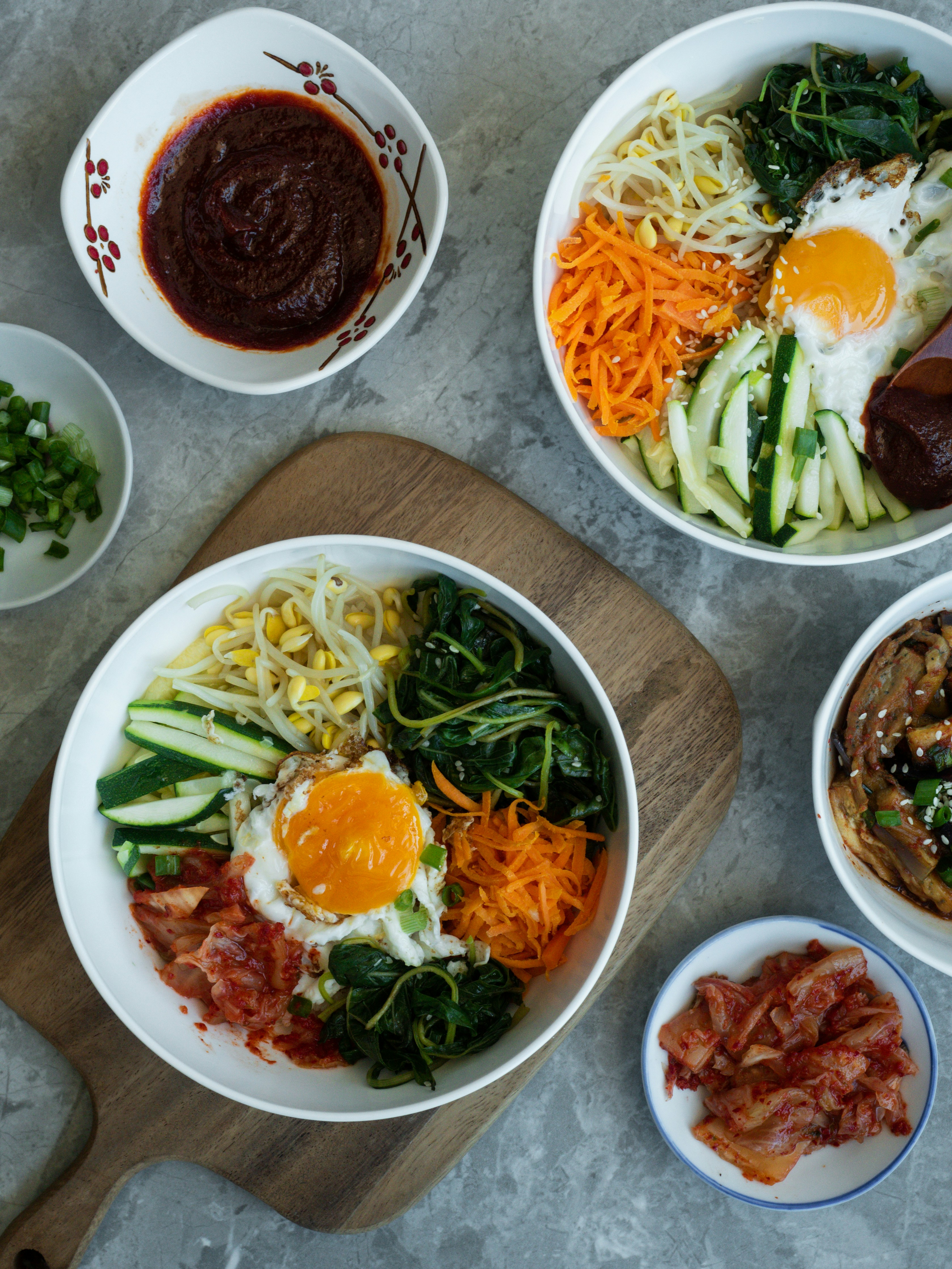
Frida’s approach often involves "Power Bowls." These are built using pre-cooked fridge jars that contain various grains, proteins, and roasted vegetables.
- Grains: Quinoa, brown rice, or buckwheat.
- Proteins: Roasted chicken, black beans, or hard-boiled eggs.
- Healthy Fats: Sliced avocado, pumpkin seeds, or a tahini-based dressing.
By keeping these components ready, teenagers can build their own high-satiety meals whenever hunger strikes. It moves the responsibility away from the parent while ensuring the child isn't reaching for empty calories. This method of modular meal prepping also allows for customization; the picky eater can skip the peppers, while the athlete can double up on the quinoa.
To ensure the family stays fueled between meals, focus on high-protein snacks. We suggest keeping a well-stocked pantry with items like nuts, seeds, and whole-grain crackers. In the fridge, a permanent bowl of raw vegetables served with hummus provides a simple, kid-friendly way to guarantee daily produce intake. Because the vegetables are already cut and the hummus is ready, it becomes the "path of least resistance" for a hungry child.
Master Prep Checklist for Large Families
- The Sunday Soak: Soak a large batch of chia seeds in water or nut milk to use in smoothies throughout the week.
- The Grains Batch: Boil a large pot of quinoa or brown rice. Store in airtight jars for quick assembly of Power Bowls.
- The Veggie Prep: Wash and chop carrots, cucumbers, and bell peppers as soon as they come home from the market.
- The Freezer Stash: Always keep freezer-friendly staples like frozen berries, spinach, and pre-portioned meat or fish available.
- The Chalkboard Update: Finalize the weekly menu chalkboard every Sunday evening to set the tone for the week.
Dealing with a blended family means navigating different tastes and schedules, but with these strategies, the process becomes manageable. By focusing on nutrient-dense ingredients and the logistics of scale, we can provide our families with the fuel they need to thrive.
FAQ
How do I start meal planning for my family?
The best way to start is by picking three days a week to plan for. Don't try to do the full seven days immediately. Choose three reliable meals your family loves, buy the ingredients in bulk, and designate a specific time on Sunday for about 30 minutes of preparation, such as washing vegetables or cooking a grain like rice.
What are the best tips for meal planning on a budget?
Focus on versatile, low-cost staples like black beans, lentils, whole grains, and seasonal frozen vegetables. Buying in bulk and choosing "family packs" of protein that can be split across multiple meals (like using one large pack of chicken for both a tray bake and a stir-fry) is also highly effective.
What are some healthy meal planning ideas for busy families?
Consider modular meals like "Build-Your-Own Tacos" or "Power Bowls." By preparing three or four core components—a protein, a grain, a leafy green, and a healthy fat—family members can customize their plates. This reduces cooking time and ensures everyone gets exactly what they want while staying healthy.
How do you manage meal planning for picky eaters?
Use the "add, don't restrict" method. If your child loves pasta, don't take it away; instead, use a high-protein chickpea pasta or blend some white beans into the sauce. Always serve a familiar "safe" food alongside a small portion of a new or healthy item to reduce mealtime anxiety.
How do you organize a weekly family menu?
Use a visible weekly menu chalkboard in the kitchen where everyone can see it. Create a rotating list of 10-14 favorite recipes and assign them to specific days of the week based on your schedule. For example, use quick 15-minute meals for nights with sports practices and save more involved recipes for the weekend.
Feeding a large, active household is a journey of consistency over perfection. Start by implementing one "Morning Non-Negotiable," like the family smoothie, and watch how that small win sets a positive nutritional tone for the rest of your day. For more evidence-based strategies on fueling your household, stay tuned to our latest kitchen guides.