
Medical Alert: Red Flags If you experience severe abdominal pain, high fever over 102°F, bloody stools, or signs of severe dehydration (such as dizziness or inability to keep fluids down), seek immediate medical attention. These symptoms require clinical evaluation to rule out serious infections or inflammatory conditions.
Quick Facts
- Clinical Definition: Medical professionals define clinical diarrhea as having 3 or more watery or loose stools within a 24-hour period.
- Global Impact: Irritable bowel syndrome is a common root cause that affects between 5% to 10% of the global population, with 80% of those individuals reporting pain as a primary symptom.
- Widespread Intolerance: An estimated 65% to 68% of the world's population struggles with lactose intolerance, often leading to immediate digestive distress.
- Bloating Frequency: Research involving 50,000 people shows that nearly 18% of the general population suffers from abdominal bloating at least once a week.
- Top Relief Strategy: The Low FODMAP diet is highly effective, with a 75% success rate for reducing symptoms of gas and bloating in sensitive individuals.
- Standard Recovery: The BRAT diet (Bananas, Rice, Applesauce, and Toast) is still considered the gold standard for binding stools and calming the digestive tract.
- Fastest Physical Fix: Engaging in a 10 to 15 minute light walk after meals is the quickest way to assist your body in clearing trapped gas naturally.
Common causes of concurrent gas and diarrhea include viral gastroenteritis, food poisoning, and dietary intolerances such as lactose or gluten sensitivity. To achieve quick relief at home, prioritize rehydration with electrolyte-rich fluids, follow the BRAT protocol, and consider over-the-counter treatments like simethicone or bismuth subsalicylate to manage symptoms.
Identifying Root Causes: Acute vs. Chronic Triggers
When you wake up with sudden gas and diarrhea, the first step is determining whether you are dealing with an acute event or a chronic underlying condition. Acute triggers are usually temporary and often related to an external pathogen or a specific meal. Gastroenteritis, commonly known as the stomach flu, is a frequent culprit. This viral infection inflames the lining of the stomach and intestines, leading to rapid intestinal motility where waste moves through your system too quickly to be properly processed. Similarly, food poisoning from contaminated water or undercooked food can trigger an aggressive immune response, resulting in abdominal cramps and diarrhea symptoms.
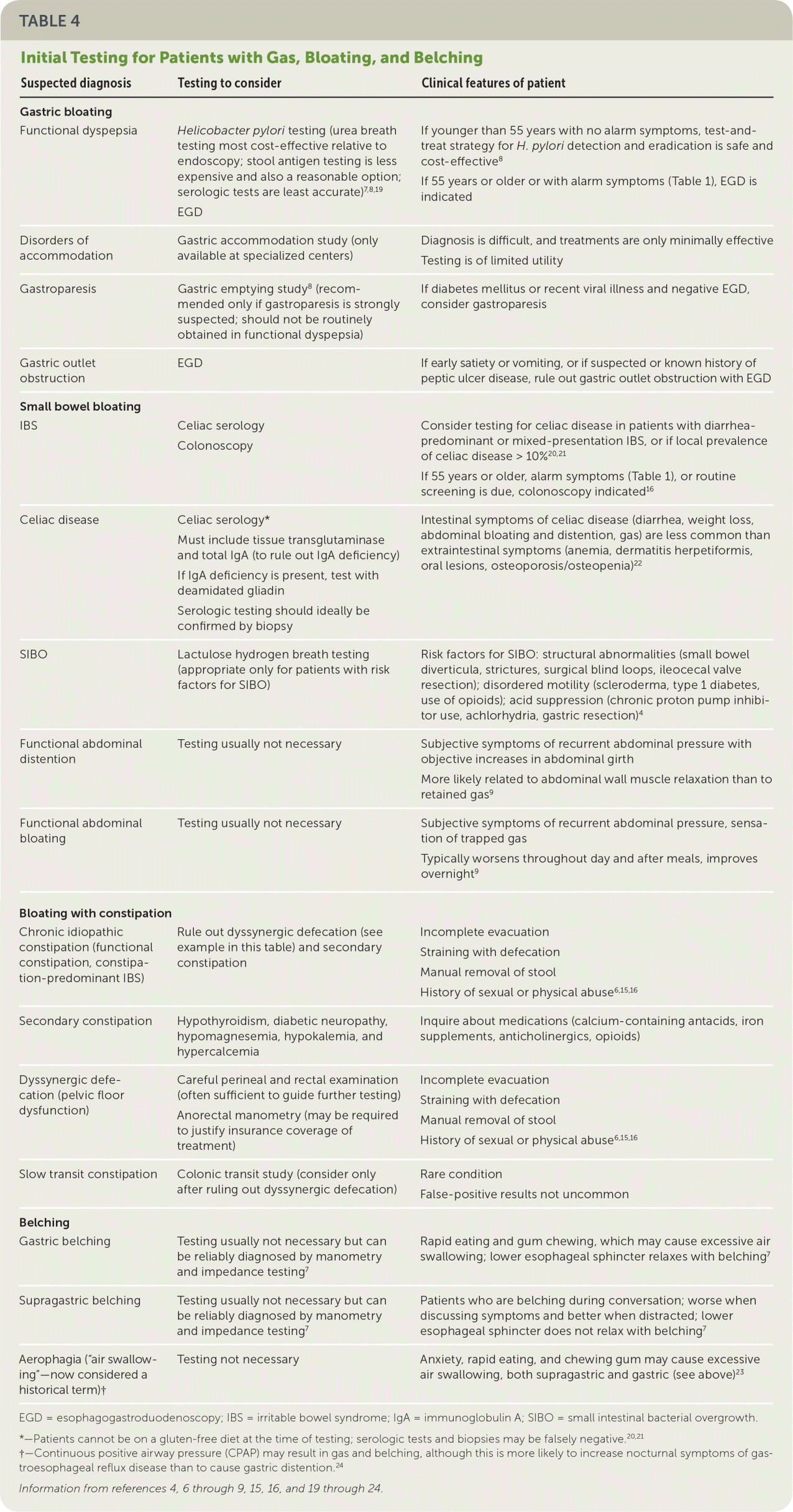
Chronic triggers, however, require a different perspective on nutrition and gut health. Conditions like Irritable Bowel Syndrome (IBS) or Small Intestinal Bacterial Overgrowth (SIBO) involve long-term malfunctions in how the gut processes food and gas. In SIBO, bacteria that should be in the large intestine migrate to the small intestine, fermenting food prematurely and creating intense pressure. Furthermore, many people experience issues after a course of medical treatment; managing gas and diarrhea side effects from antibiotics is a common challenge. Antibiotics are designed to kill harmful bacteria, but they often act as a "scorched earth" policy for your gut microbiome, wiping out the beneficial flora that help regulate digestion.
Understanding where the discomfort originates can help narrow down the causes of gas and loose stools. Upper gastrointestinal issues often present as belching and bloating shortly after eating, whereas lower gastrointestinal issues manifest as lower abdominal pressure and urgent trips to the bathroom. If your symptoms appear every time you consume dairy or wheat, you are likely looking at a food intolerance rather than an infection.
| Feature | IBS Flare-up | Stomach Virus (Gastroenteritis) |
|---|---|---|
| Onset | Often gradual or after a trigger meal | Sudden and intense |
| Duration | Can last days to weeks; recurs frequently | Typically resolves in 24 to 72 hours |
| Fever | Highly unusual | Common sign of infection |
| Body Aches | Rare | Frequently accompanies the virus |
| Trigger | Stress, high-FODMAP foods, or fiber | Exposure to pathogens |
Quick Relief: Medications and Behavioral Habits
When the priority is finding the quickest way to stop gas and watery diarrhea at home, a combination of pharmacological help and physical movement is often the best approach. For the gas component, simethicone is a highly effective over-the-counter option. It works by changing the surface tension of gas bubbles in the stomach and intestines, allowing smaller bubbles to join into larger ones that are easier for the body to pass. It does not prevent gas from forming, but it makes the passing of it much less painful.
To address the loose stools, bismuth subsalicylate can be helpful. This medication works by balancing the way fluid moves through the intestines and reducing inflammation. It also has mild antibacterial properties that can be beneficial if the root cause is a minor foodborne illness. While these medications provide bloating and diarrhea relief, they should be used as temporary bridges while the gut heals.
Beyond the medicine cabinet, your behavior plays a massive role in gas clearance. It may be the last thing you want to do when feeling unwell, but a gentle 10 to 15 minute walk can mechanically move gas through the digestive tract. This light exercise stimulates intestinal motility and helps prevent gas from becoming trapped in the sharp bends of the colon. Additionally, frequent bowel movements can lead to localized skin irritation; using soft wipes and applying a barrier cream can prevent further discomfort during the recovery process.

Dietary Management: What to Eat and Avoid
Nutrition is the cornerstone of recovering from any digestive flare-up. During the acute phase, the primary goal is rehydration and intestinal rest. Because your body loses significant amounts of water and salts during bouts of diarrhea, using an electrolyte replacement is essential. Standard water is often not enough to restore the balance of sodium and potassium required for cellular function. Look for oral rehydration solutions or make a simple version at home with water, a pinch of salt, and a splash of fruit juice for glucose, which aids in salt absorption.
As you begin to reintroduce solids, the BRAT diet is your best friend. This acronym stands for bananas, rice, applesauce, and toast. These foods are low in fiber and high in starch, which helps bind the stool together and slow down the urgency of bowel movements. Bananas are particularly useful as they provide potassium, an electrolyte often depleted during illness.
Conversely, knowing the foods to avoid for painful gas and loose stools is just as important as knowing what to eat. During a flare-up, your gut is hypersensitive. You should strictly avoid:
- Dairy Products: Even if you aren't normally lactose intolerant, a temporary secondary lactose intolerance can occur during a stomach virus because the enzyme lactase is located on the tips of the intestinal lining, which are damaged during infection.
- High-FODMAP Foods: These are fermentable carbohydrates that draw water into the gut and produce significant gas. Common offenders include onions, garlic, beans, and certain fruits like pears.
- Cruciferous Vegetables: Vegetables like broccoli, cabbage, and cauliflower contain a complex sugar called raffinose, which the human body cannot easily break down without producing significant gas.
- Artificial Sweeteners: Polyols like sorbitol and xylitol (found in sugar-free gum and some diet drinks) act as osmotic laxatives, pulling water into the colon and worsening diarrhea.
Once the acute symptoms subside, you can focus on rebuilding the gut microbiome. High-quality probiotics or fermented foods like plain yogurt (if dairy is tolerated) can help reintroduce beneficial bacteria, especially if your issues were caused by antibiotics.


Warning Signs: When to See a Doctor
While most cases of gas and diarrhea are self-limiting and resolve within a few days, there are specific warning signs of chronic gas and diarrhea for medical consultation that you should never ignore. The general rule of thumb is the 48-hour rule: if your symptoms show no improvement or continue to worsen after two days of home care, it is time to call a professional.
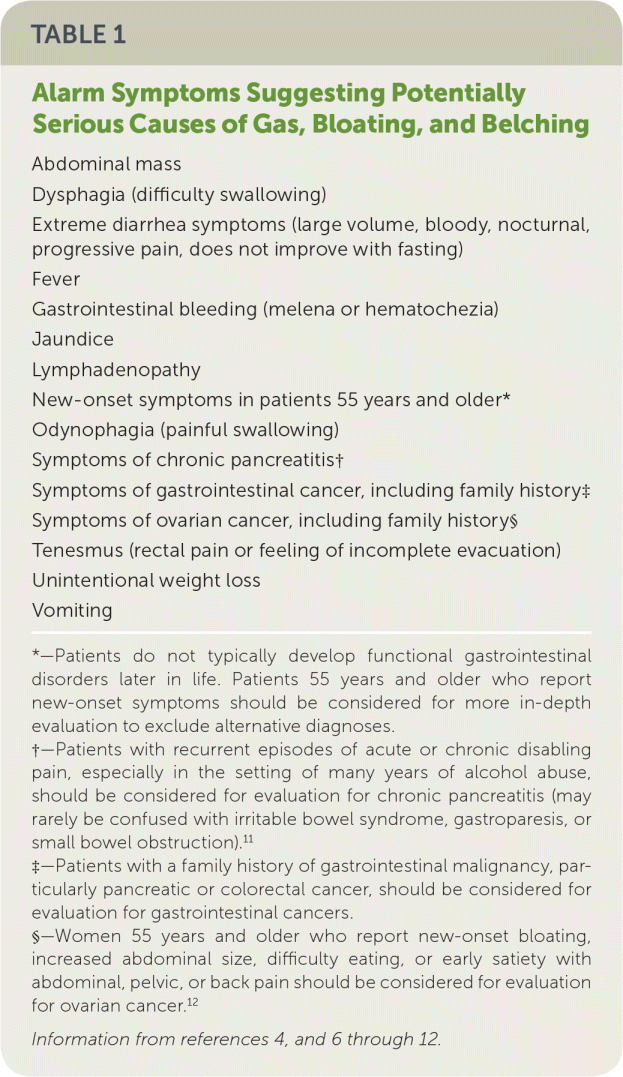
Medical experts look for "red flag" symptoms that suggest an underlying condition like Inflammatory Bowel Disease (IBD), such as Crohn's disease or ulcerative colitis. These symptoms include:
- Unexplained weight loss over a short period.
- Persistent nocturnal diarrhea (waking up in the middle of the night to use the bathroom).
- Anemia or extreme fatigue.
- A family history of bowel cancer or IBD.
It is also important to note that if you are over the age of 55 and experience a sudden, persistent change in bowel habits that lasts for several weeks, a clinical evaluation is necessary. While it is likely something minor, new-onset symptoms at this age require screening to rule out more serious structural issues in the colon.
FAQ
What causes sudden gas and diarrhea?
Sudden onset is most frequently caused by viral gastroenteritis or food poisoning. In these cases, the body is trying to expel a pathogen as quickly as possible. It can also be caused by a sudden high intake of sugar alcohols or a high-fiber meal that your system wasn't prepared for.
How can I stop gas and diarrhea quickly?
The quickest approach is to use simethicone to break up gas bubbles and bismuth subsalicylate to slow down the liquid movement in the intestines. Pair this with a 15-minute walk and a strict adherence to the BRAT diet to help firm up the stools and reduce intestinal irritation.
When should I be concerned about gas and diarrhea?
You should be concerned if the symptoms persist longer than 48 hours, if you have a fever over 102°F, or if you see blood in your stool. Significant dehydration, marked by dark urine or extreme thirst, is also a reason to seek medical help immediately.
What foods are most likely to cause gas and diarrhea?
Lactose-containing dairy products and high-FODMAP foods (like garlic and onions) are the most common triggers. Additionally, greasy, fried foods can speed up digestion too much, while sugar-free candies containing sorbitol can act as a laxative.
Can stress or anxiety cause gas and diarrhea?
Yes, the gut-brain axis is a powerful connection. High levels of stress can trigger the "fight or flight" response, which redirects blood flow away from the gut and can significantly speed up or disrupt intestinal motility, leading to urgent diarrhea and cramping.