Quick Facts
- Prevalence: In an analysis of 70 laboratory-confirmed human H5N1 avian flu cases in the United States recorded between March 2024 and May 2025, approximately 89 percent of patients reported eye redness or conjunctivitis.
- Isolated Symptom: Approximately 31 percent of human H5N1 cases identified in the United States from early 2024 through mid-2025 presented with conjunctivitis as their only clinical symptom.
- Primary Vector: Infection often occurs via direct mucous membrane exposure to fluids such as animal saliva, feces, or raw dairy products from infected livestock.
- Monitoring Window: A critical 10-day period is required for monitoring symptoms following any known contact with birds, cattle, or unpasteurized milk.
- Diagnostic Key: Standard nasal swabs can yield false negatives for bird flu; a specialized diagnostic swabs procedure of the conjunctiva is necessary for confirmation.
- Treatment: Doctors typically prescribe neuraminidase inhibitors, such as Oseltamivir, which are most effective when started immediately after the onset of H5N1 pink eye.
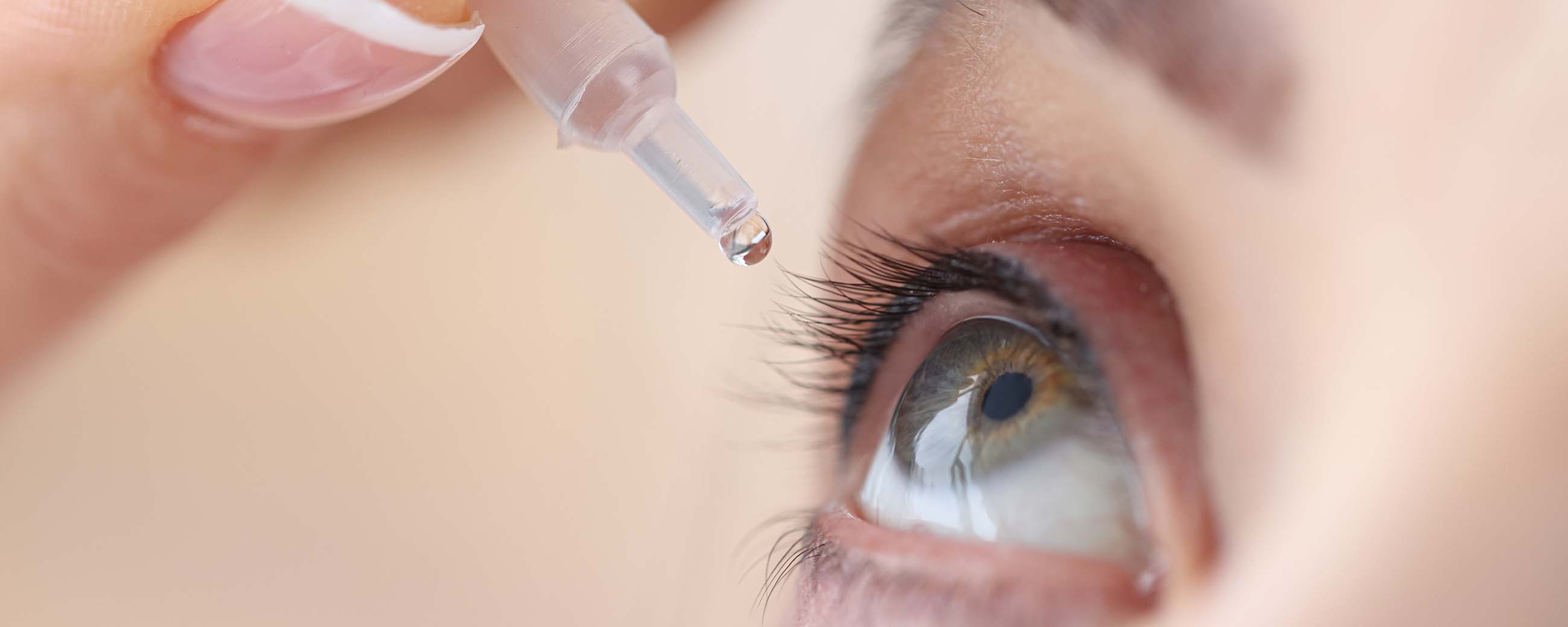
Pink eye (conjunctivitis) has emerged as a primary warning sign for H5N1 avian flu. While traditionally a respiratory illness, recent cases show that ocular exposure to HPAI A(H5N1) via contaminated fluids like raw milk or animal saliva can lead to isolated eye symptoms. Understanding H5N1 pink eye is now essential for public health surveillance and personal preventive care.
Why Pink Eye is the New Warning Sign for H5N1
For decades, the mention of "flu" conjured images of heavy chests, persistent coughs, and high fevers. However, as a preventive care editor, I have been closely tracking a significant shift in the clinical presentation of H5N1 pink eye. This specific strain of avian flu is no longer behaving like the standard seasonal influenza we prepare for every winter. Instead of entering primarily through the lungs, the virus is increasingly finding a gateway through the mucous membranes of the human eye.
The turning point in our understanding occurred recently. The first documented instance of dairy cattle-to-human H5N1 transmission, reported in Texas in April 2024, involved a patient whose sole clinical sign was isolated bilateral conjunctivitis. There was no fever and no cough—only the redness and irritation commonly associated with a mild eye infection. This case highlighted the reality of zoonotic transmission in modern agricultural settings, where H5N1 transmission from animals can occur through splashes of fluids during milking or close contact with livestock.
Genomic research suggests this shift isn't accidental. Scientists have identified the PB2 E67K mutation in several human cases, a genetic change that signifies mammalian adaptation. This mutation may help the virus replicate more efficiently in the cooler temperatures of the human eye compared to the warmer environment of the lower respiratory tract. For those working in high-risk environments, occupational safety for dairy workers H5N1 exposure has become a top priority. This includes the use of goggles and face shields to prevent mucous membrane exposure to viral particles found in raw milk.
The risk of getting bird flu from raw dairy products is a growing concern for the general public as well. While pasteurization kills the virus, raw, unpasteurized milk can carry a high viral load. If a person consumes raw milk or accidentally touches their eyes after handling contaminated dairy containers, the virus can take hold, leading to H5N1 pink eye as the primary indicator of infection.

H5N1 vs. Regular Conjunctivitis: How to Tell the Difference
Distinguishing avian flu conjunctivitis symptoms from a standard case of "pink eye" or common seasonal allergies is one of the most frequent questions I receive. Because the symptoms look so similar to the naked eye, the differentiating factor is almost always your exposure history. If you have spent time around poultry, livestock, or consumed unpasteurized dairy and then develop eye redness, you must treat it with a higher level of clinical suspicion.
Generally, H5N1 pink eye presents with a watery, serous ocular discharge. It feels like there is "grit" or a foreign body in the eye, accompanied by significant redness in the white parts of the eye (the sclera). Unlike bacterial conjunctivitis, which often produces a thick, yellow-to-green pus that glues the eyelids shut in the morning, the viral presentation of H5N1 is usually thinner and clearer.
The following table provides a quick guide for how to distinguish H5N1 pink eye from regular conjunctivitis and other common eye issues:
| Feature | H5N1 Avian Flu | Bacterial Pink Eye | Seasonal Allergies |
|---|---|---|---|
| Discharge Type | Watery or thin (Serous) | Thick, yellow/green (Purulent) | Clear and stringy |
| Primary Sensation | Irritation, grittiness, mild pain | Burning, crusting, heavy discharge | Intense itching (Pruritus) |
| Respiratory Signs | May or may not be present | Rarely present | Sneezing, runny nose |
| Exposure History | Contact with birds, cattle, or raw milk | Contact with infected persons | Exposure to pollen, dust, or pets |
| Urgency | High (Requires specialized testing) | Moderate (Standard antibiotics) | Low (Over-the-counter relief) |
When distinguishing bird flu pink eye from seasonal allergies, the hallmark of allergies is nearly always the itch. If your eyes are incredibly itchy but you haven't been near animals, it is likely environmental. However, if the eyes are red, irritated, and "angry" without the characteristic itch—especially following animal contact—it is time to contact a professional. Public health surveillance relies on individuals recognizing these subtle differences and reporting them to healthcare providers.
Action Plan: Testing and Treatment Protocols
If you suspect you have been exposed to the virus, the next 24 to 48 hours are critical. We now know that the timeline for monitoring symptoms after bird flu exposure is roughly 10 days. During this window, you should perform a daily "wellness check" on your eyes and respiratory health. Even if you feel completely fine otherwise, any new onset of redness in one or both eyes should be treated as a potential infection.
Here is the step-by-step action plan for when to seek medical care for bird flu:
- Isolate Immediately: To prevent any potential spillover events within your household, stay in a separate room and avoid sharing towels or pillows, as the virus can live in ocular discharge.
- Contact Health Authorities: Call your doctor or local health department. It is vital to mention your specific animal exposure history. Standard clinics may not be equipped for H5N1, so they may direct you to a specialized facility.
- Request an Eye Swab: This is perhaps the most important detail. Standard nasal swabs often miss the virus if it is localized in the eyes. You must specifically ask for bird flu eye swab testing requirements to be met, which involves a swab of the conjunctiva to ensure an accurate viral load is captured.
- Begin Antiviral Therapy: If H5N1 is suspected, doctors will likely start you on Neuraminidase inhibitors, most commonly Oseltamivir (Tamiflu). These medications work by preventing the virus from spreading to new cells.
- Monitor for Progression: While many human H5N1 cases in 2024 and 2025 have remained mild and ocular, the virus can progress to the lungs. Keep a log of any fever, shortness of breath, or cough that develops after the eye symptoms appear.

Standard flu treatments like rest and hydration are still necessary, but they are not a substitute for the specialized care required for a zoonotic infection. The goal of early intervention is not just your recovery, but also the prevention of the virus adapting further for human-to-human transmission. By identifying H5N1 pink eye early and following the proper diagnostic swabs protocol, we protect both the individual and the community at large.
FAQ
What are the symptoms of H5N1 pink eye?
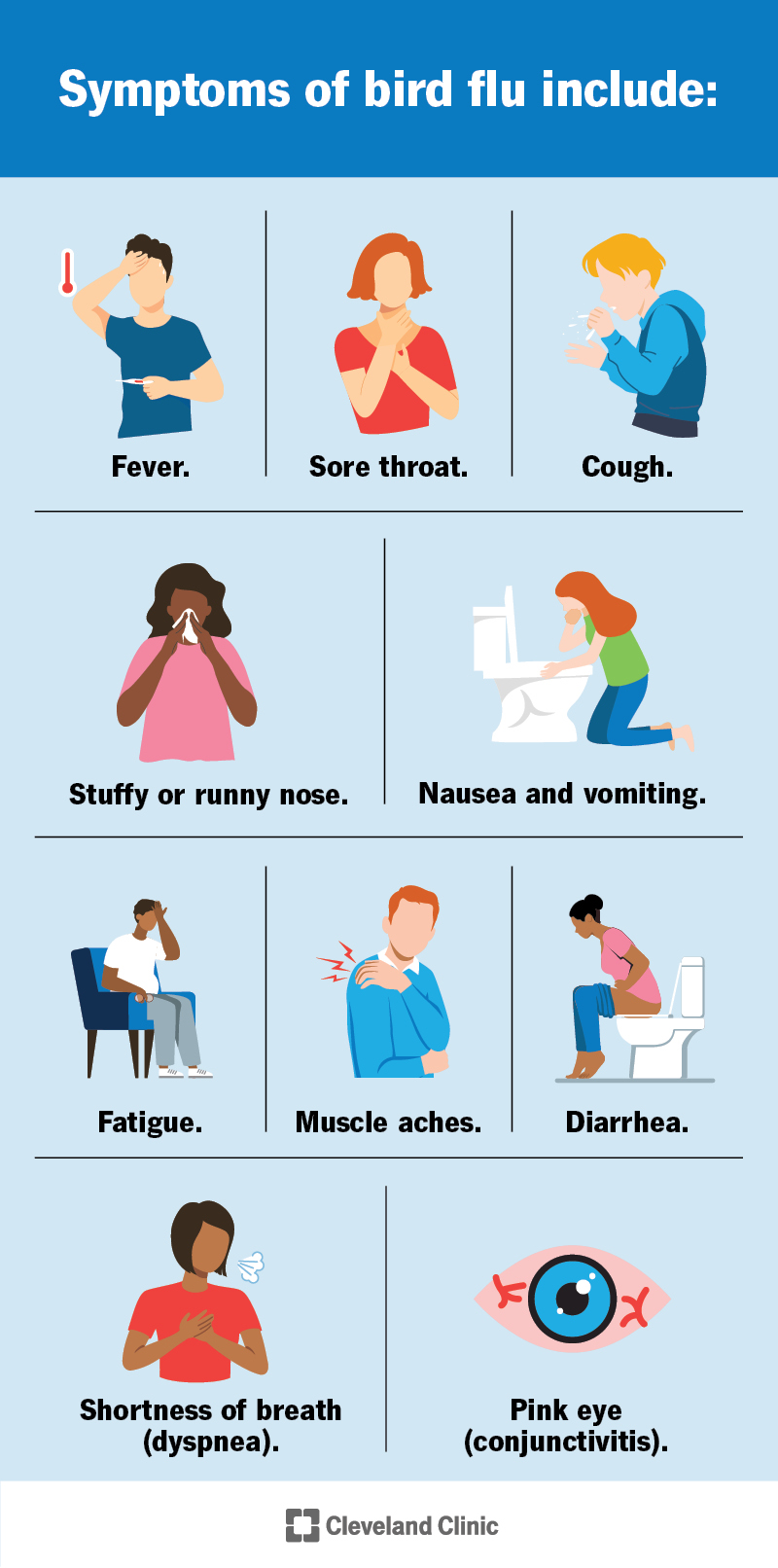
The symptoms primarily include redness of the white part of the eye, a feeling of grittiness or irritation, and a watery ocular discharge. Unlike standard flu, it may not be accompanied by a cough or high fever, making the eye irritation the most significant and sometimes only clinical sign.
How is H5N1 pink eye different from regular pink eye?
Visually, they look very similar, but H5N1 pink eye is typically linked to an exposure history with birds, livestock, or raw dairy products. While bacterial pink eye often produces thick yellow pus, H5N1 discharge is usually clear and watery. Specialized testing is the only definitive way to tell them apart.
Can H5N1 spread through the eyes?
Yes, the eyes are a proven entry point for the virus. If contaminated fluids like raw milk, saliva, or fecal matter touch the mucous membranes of the eye, the virus can begin to replicate there. This is why eye protection is a critical component of biohazard safety for people working near infected animals.
What test confirms H5N1 pink eye?
A specific conjunctival swab test is required to confirm the presence of the virus in the eye. Standard nasal or throat swabs may return a negative result even if the person is infected, so healthcare providers must collect samples directly from the affected eye.
What should I do if I develop pink eye after exposure to poultry?
You should isolate yourself immediately and contact a healthcare provider or your local public health department. Be sure to disclose your contact with poultry so they can initiate the correct testing and treatment with neuraminidase inhibitors. Do not wait for respiratory symptoms to appear before seeking care.