Quick Facts
- Acute vs. Chronic: Acute hives last fewer than six weeks and are often triggered by allergies; chronic urticaria persists for six weeks or longer.
- The 24-Hour Rule: While the overall flare-up may last days, individual wheals usually fade or move within 24 hours.
- Prevalence: Approximately 20 percent of people worldwide are affected by hives, also known as urticaria, at some point in their lives.
- Idiopathic Nature: In about 50% of chronic cases, no specific external trigger can be identified, meaning the cause is often internal or autoimmune.
- Fastest Relief: For immediate comfort, cooling the skin and blocking histamine with H1-antihistamines are the most effective first steps.
Feeling the burn of an itchy flare-up? Hives, or urticaria, affect 20% of people at some point. Whether you need an immediate cold compress for hives swelling relief or are seeking long-term urticaria home remedies, this guide covers 20 evidence-based ways to stop the itch and restore your skin. To get rid of hives fast at home, apply a cold compress to reduce skin inflammation, take a soothing oatmeal bath, and use an over-the-counter H1 antihistamine to block the allergic reaction at its source. Effective hives treatment combines these immediate topical solutions with long-term lifestyle adjustments to manage the underlying immune response.
Phase 1: Immediate Physical and Topical Relief
When a flare-up begins, the priority is to halt the wheal and flare response that causes that characteristic swelling and intense itching. As a lifestyle editor, I always emphasize that the first line of defense is temperature control. Heat is a known vasodilator, which means it opens up blood vessels and allows more histamine to flood the area, worsening the redness and irritation.
1. Apply a Cold Compress
The simplest hives treatment is often the most effective. A cold compress for hives swelling relief works by constricting blood vessels and numbing the nerve endings that transmit the itch signal. Wrap an ice pack in a thin towel and apply it to the affected wheals for 10 to 15 minutes at a time.
2. Take a Soothing Oatmeal Bath
Colloidal oatmeal has been used for centuries to calm skin inflammation. When added to lukewarm water, it forms a protective barrier and releases anti-inflammatory compounds. Avoid hot water, which can trigger mast cell degranulation and make the itching worse.
3. Use Calamine Lotion
A classic for a reason, calamine lotion application provides an immediate cooling effect. The zinc oxide in the lotion helps dry out any weeping areas if the hives have been scratched, while the cooling sensation distracts the brain from the itch.
4. Opt for Pramoxine-Based Creams
If you are looking for the best anti itch cream for hives over the counter, look for ingredients like Pramoxine. Unlike some topical antihistamines that can actually cause further skin sensitivity, Pramoxine is a topical anesthetic that temporarily numbs the skin without a high risk of an allergic reaction.
5. Witch Hazel Applications
Natural treatment for urticaria often includes witch hazel. This natural astringent is rich in tannins, which can help reduce the swelling of individual wheals. It is best applied with a cotton ball directly to the itchy spots.
6. Optimize Your Sleep Environment
Learning how to sleep with hives itching at night is crucial for recovery. Keep your bedroom temperature between 60-67 degrees Fahrenheit. Use 100% cotton sheets and consider a "cool" pillow to prevent your body temperature from rising, which often triggers nighttime flares.
Phase 2: Lifestyle Adjustments & Trigger Tracking
Once you have managed the immediate discomfort, we need to look at the environment. Chronic urticaria, where symptoms persist for six weeks or longer, is estimated to affect between 0.5 and 5 percent of the global adult population. Managing this requires a proactive, investigative approach.
7. Wear Loose-Fitting Cotton Clothing
Mechanical friction is a common trigger for a condition called dermatographism, a form of hives caused by pressure. Switch to loose-fitting cotton clothing to minimize rubbing. Synthetic fabrics like polyester can trap heat and sweat, further irritating the skin barrier.
8. Maintain a Trigger Identification Diary
Identifying your unique triggers is the cornerstone of preventive care. Keep a trigger identification diary for at least two weeks. Note down everything: food, medications, stress levels, and even weather changes. Look for patterns—did the hives appear one hour after a meal or 24 hours later?
9. Master Stress Reduction Techniques
There is a profound connection between the nervous system and the skin. Research shows that stress-induced hives occur because stress hormones like cortisol can trigger mast cells to release histamine. Practices such as box breathing or progressive muscle relaxation can help maintain immune system regulation during high-pressure periods.
10. Avoid Harsh Fragrances and Soaps
When your skin is in a reactive state, any irritant can prolong the flare. Use "fragrance-free" (not just "unscented") soaps and laundry detergents. A compromised skin barrier is more susceptible to secondary irritation.
11. Practice Safe Sun Exposure
For some, UV rays or extreme heat can trigger solar urticaria. If you find you flare up after being outdoors, wear UPF-rated clothing and seek shade. Always use a mineral-based sunscreen (zinc or titanium) as chemical filters can sometimes trigger sensitive skin.
12. Gentle Movement
While intense exercise can trigger hives through heat and sweat, gentle movement like walking or restorative yoga can improve circulation and reduce systemic inflammation. Just ensure you stay cool and hydrated throughout.
Safe for Kids Call-out: When seeking safe hives treatment for toddlers and children, focus on non-pharmacological comfort first. Lukewarm baths and loose pajamas are safer than multiple topical creams. Always consult a pediatrician before using adult-strength antihistamines, as dosages are weight-dependent.


Phase 3: Dietary Management for Chronic Flares
What we put into our bodies is just as important as what we put on our skin. For those dealing with Chronic Spontaneous Urticaria (CSU), dietary triggers are often "pseudoallergens"—substances that don't show up on standard allergy tests but still cause mast cells to react.
13. Implement a Low Histamine Diet
A low histamine diet for chronic hives management involves avoiding "histamine-liberators." This includes fermented foods (sauerkraut, aged cheeses), alcohol (especially red wine), and certain fruits like strawberries and citrus. This isn't a forever diet; usually, a 3-week elimination protocol is enough to see if it helps.
14. Boost Vitamin D Levels
Recent clinical studies have shown a strong link between Vitamin D deficiency and the severity of chronic hives. Vitamin D plays a vital role in immune system regulation. Discuss vitamin d for chronic spontaneous urticaria treatment with your doctor to see if a supplement is right for you.
15. Watch for Alpha-gal Syndrome
If you notice hives appearing 2-6 hours after eating beef, pork, or lamb, you may have Alpha-gal syndrome. This is a red meat allergy often triggered by a tick bite. Unlike most food allergies that happen immediately, this delayed reaction is a common cause of "mysterious" nighttime hives.
16. Stay Hydrated with Filtered Water
Dehydration can make the skin more sensitive and hinder the body's ability to flush out inflammatory markers. Aim for consistent hydration throughout the day, focusing on plain water rather than sugary or caffeinated drinks which can spike cortisol.
Phase 4: The Medical Escalation Ladder
If home remedies and lifestyle changes aren't enough, it is time to look at the clinical treatment ladder. Women are approximately twice as likely as men to develop chronic spontaneous urticaria, which often begins between the ages of 20 and 40, often requiring a more structured medical approach.
17. Utilize H1-Antihistamines
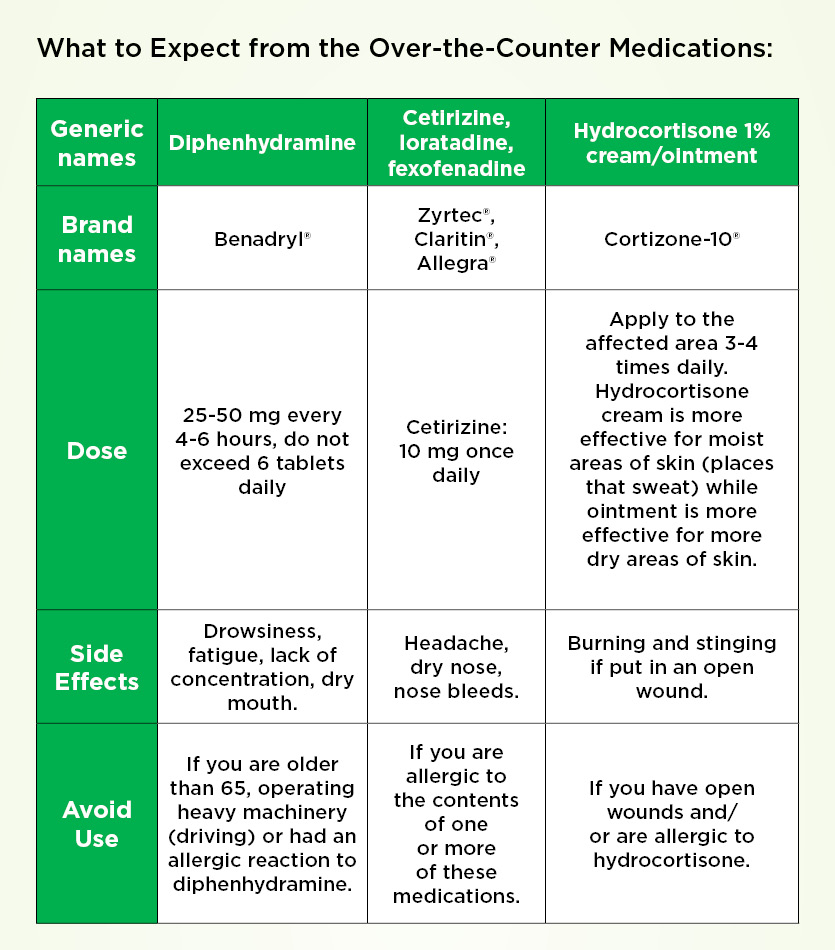
Oral H1-antihistamines are the primary systemic hives treatment. Non-drowsy options like Cetirizine or Fexofenadine are usually the first choice. Under medical supervision, some patients follow a "4x dose" protocol if the standard dose is ineffective, but never attempt this without professional guidance.
18. Add H2 Receptor Antagonists
Sometimes, blocking one type of histamine isn't enough. Your doctor might suggest adding H2 receptor antagonists (traditionally used for heartburn, like Famotidine) to your routine. About 15% of the body’s histamine receptors are H2, and blocking them can provide additional hives itching relief.
19. Consider Biologics for Chronic Cases
For those who don't respond to antihistamines, Omalizumab (Xolair) has changed the landscape of CSU treatment. This injectable biologic targets IgE antibodies to prevent the allergic cascade before it starts.
20. Stay Informed on Emerging Therapies
The future of hives treatment is bright. We are seeing the 2025/2026 rollout of new medications like Remibrutinib, a BTK inhibitor that works internally to stop the signals that cause mast cells to explode.
When to Seek a Dermatologist Consultation
If your hives are accompanied by swelling of the lips or tongue (Angioedema), or if you have trouble breathing, seek emergency care immediately. For non-emergencies, a dermatologist consultation is necessary if:
- Individual hives last longer than 24 hours (potential Vasculitis).
- Hives leave behind a bruise or purple mark.
- Symptoms persist for more than six weeks.
- The itch prevents you from working or sleeping.
| Feature | Acute Hives | Chronic Spontaneous Urticaria (CSU) |
|---|---|---|
| Duration | Less than 6 weeks | More than 6 weeks |
| Common Triggers | Foods, meds, infections, stings | Often idiopathic or autoimmune |
| Primary Treatment | H1-Antihistamines & Trigger avoidance | Escalation ladder (Biologics, H2 blockers) |
| Testing | Skin prick or IgE blood tests | Often requires broader blood work |

FAQ
What is the fastest way to get rid of hives?
The fastest way to achieve relief is a two-pronged approach: apply a cold compress to the area to immediately soothe the skin inflammation and take a non-drowsy H1 antihistamine to stop the release of more histamine from within.
What over-the-counter medicine is best for hives?
Second-generation H1 antihistamines like Cetirizine, Loratadine, or Fexofenadine are considered the best OTC options because they provide 24-hour relief without the significant drowsiness associated with older medications like Diphenhydramine.
How long do hives typically last?
Acute hives usually resolve within a few days to a couple of weeks. While individual wheals often disappear within 24 hours, new ones may continue to pop up until the trigger is removed or the immune system settles down.
When should I see a doctor for hives?
You should see a doctor if your hives last longer than six weeks, if they are painful rather than itchy, or if they are accompanied by a fever. Seek emergency medical attention immediately if you experience swelling of the throat or difficulty breathing.
Are there natural remedies for hives?
Yes, natural remedies such as taking a soothing oatmeal bath, applying witch hazel, or using aloe vera can provide significant topical relief. Additionally, maintaining a low histamine diet and managing stress are effective natural ways to reduce the frequency of flares.
What is the best way to stop hives from itching?
To stop the itch effectively, keep the skin cool and avoid scratching, which releases more histamine. Using a topical cream containing Pramoxine or applying calamine lotion can provide a cooling, numbing sensation that breaks the itch-scratch cycle.