Quick Facts
- Status: IVIG is currently an off-label applications approach for refractory cases of Crohn's disease.
- Efficacy: Clinical research indicates that 73.7% of steroid-resistant patients reach clinical remission within four weeks.
- Success Metric: The primary goal is achieving endoscopic remission and long-term mucosal healing.
- Mechanism: Concentrated plasma-derived antibodies neutralize gastrointestinal inflammation by modulating the systemic immune response.
- Protocol: Treatment requires strict clinical protocols, including weight-based dosing and pre-infusion IgA screening.
- 2026 Guidelines: While not a first-line therapy, it is an essential alternative when biologic medications or JAK inhibitors fail.
IVIG therapy for Crohn's disease utilizes plasma-derived antibodies to modulate the immune system and reduce gastrointestinal inflammation. While not typically a first-line treatment according to 2026 AGA guidelines, it is an off-label option for patients seeking mucosal healing and endoscopic remission when other advanced biologics have failed to provide adequate therapeutic efficacy.
Understanding IVIG: How It Works for Crohn’s
Intravenous immunoglobulin, commonly referred to as IVIG, is a specialized therapeutic preparation made from concentrated antibodies collected from the plasma of thousands of healthy donors. In the context of chronic enteritis and autoimmune conditions, these immunomodulatory agents work by providing a broad spectrum of IgG antibodies that help recalibrate a malfunctioning immune system. Unlike standard biologic medications that target a single cytokine, such as TNF-alpha or IL-23, IVIG offers a multi-faceted approach to dampening the overactive immune response responsible for gastrointestinal inflammation.
For patients dealing with refractory Crohn's, the long term benefits of IVIG for Crohn's disease stem from its ability to neutralize autoantibodies and suppress the production of pro-inflammatory markers. By introducing a high volume of healthy antibodies, the therapy can effectively interfere with the pathways that cause the body to attack its own digestive tract. This systemic immune response management is particularly valuable for those who have developed antibodies against other treatments or who suffer from extra-intestinal manifestations of the disease.
The distinction between IVIG and traditional intravenous immunoglobulin for Crohn's treatment lies in its broad-spectrum nature. While biologics act like a precision guided tool, IVIG acts more like a comprehensive immune reset. This makes it a compelling choice for severe cases where the inflammatory cascade has become too complex for single-target drugs to manage effectively.
Clinical Efficacy and 2026 Treatment Guidelines
The landscape of inflammatory bowel disease management is shifting toward a "Top-Down" approach, as emphasized in the recent 2026 AGA guidelines. This strategy prioritizes using high-efficacy medications early in the diagnosis to prevent cumulative bowel damage. Within this framework, IVIG treatment for Crohn's disease effectiveness is frequently evaluated for patients who have exhausted first-line options like JAK inhibitors or IL-23 blockers.
The data supporting this intervention is compelling. In a clinical study specifically targeting steroid-resistant patients, 73.7% reached clinical remission, which is defined as a Crohn's Disease Activity Index (CDAI) score falling below 150, within just one month of starting therapy. Furthermore, retrospective data focusing on objective measures shows that 62.5% achieved objective endoscopic improvement, a critical benchmark for long-term health.
Achieving endoscopic remission with IVIG for Crohn's is often the ultimate clinical goal, as it signifies that the lining of the gut is actually healing, rather than just the symptoms being suppressed. This mucosal healing reduces the likelihood of future hospitalizations and surgeries. Despite its success, IVIG remains a specialized tool, often reserved for flare-up prevention in patients with complex, multi-drug resistant disease profiles.
The IVIG Infusion Procedure: Preparation and Dosing
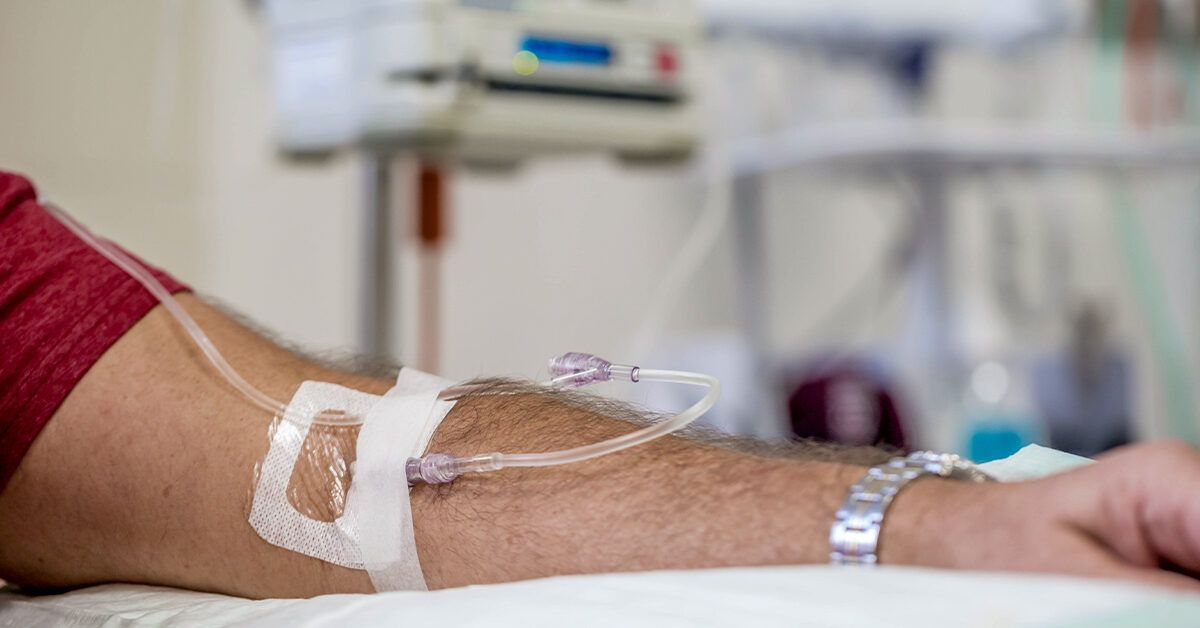
The IVIG infusion procedure for Crohn's patients is a precise medical process that requires careful oversight. Because the product is derived from human plasma, the medical team must follow strict clinical protocols to ensure patient safety. Preparation typically begins several days before the actual appointment.
If you are learning how to prepare for IVIG therapy for Crohn's, the first step involves comprehensive blood work. Doctors must screen for IgA deficiency, as patients without IgA can have severe allergic reactions to the trace amounts of IgA found in IVIG preparations. Additionally, kidney function tests and ABO blood group typing are mandatory.
Dosing is another critical factor. To minimize the risk of fluid overload and other complications, clinicians use weight-adjusted dosing, often based on Ideal Body Weight (IBW) rather than actual body weight. The infusion itself is a slow process, often taking several hours. Maintaining brand consistency is a standard safety rule; switching between different manufacturers of IVIG can increase the risk of infusion reactions, so patients are usually kept on the same brand throughout their course of treatment.
Candidate Checklist for IVIG Therapy
- Failure to respond to at least two different classes of biologic medications.
- Documentation of steroid-refractory or steroid-dependent disease.
- Normal IgA levels and stable renal function.
- No history of prior severe systemic immune response to blood products.
- Active gastrointestinal inflammation confirmed via colonoscopy or imaging.
Safety Profile: Managing IVIG Therapy Side Effects
While highly effective for many, the safety of IVIG infusions for severe Crohn's depends on proactive monitoring and management. Most side effects are manageable if caught early, but they can be categorized by when they occur relative to the infusion time.
| Timing | Potential Side Effects | Management Strategy |
|---|---|---|
| Immediate (0-1 Hour) | Flushing, chills, nausea, hypotension | Slowing or pausing the infusion rate. |
| Short-term (1-72 Hours) | Headaches (migraine-like), fatigue, muscle aches | Hydration and over-the-counter analgesics. |
| Delayed (Up to 10 Days) | Hemolysis, skin rashes, or osmotic nephritis | Follow-up blood work and clinical assessment. |
One specific concern in the IVIG therapy side effects Crohn's discussion is the use of sucrose-stabilized products. In some patients, sucrose can lead to osmotic nephritis, a rare but serious kidney issue. Modern formulations often use amino acids like glycine or proline instead to improve the safety profile.
To enhance IVIG infusion precautions, many centers utilize premedication. Administering antihistamines and non-steroidal anti-inflammatory drugs (NSAIDs) or acetaminophen about 30 to 60 minutes before the infusion can significantly reduce the incidence of minor infusion reactions. Proper hydration is perhaps the most vital tool for preventing the common post-infusion headache, which is often caused by the increased viscosity of the blood during the procedure.
FAQ
What is IVIG treatment for Crohn's disease?
This treatment involves the intravenous administration of concentrated antibodies derived from healthy human plasma. It serves as an immunomodulatory approach to help reduce inflammation in the digestive tract by balancing the patient's immune system.
Is IVIG effective for treating Crohn's?
Yes, it has shown significant success in specific patient populations. Research indicates that over 73 percent of patients with steroid-resistant disease can reach clinical remission, and more than 60 percent see objective improvements in the health of their intestinal lining.
When is IVIG recommended for patients with Crohn's disease?
It is typically recommended for refractory cases where the patient has not responded to standard treatments like corticosteroids or advanced biologic medications. It is often used as a specialized intervention to achieve mucosal healing when other options are exhausted.
What are the common side effects of IVIG for Crohn's?
The most frequent side effects include headaches, which can occur up to 72 hours after treatment, as well as chills, nausea, and fatigue. More serious but rare risks include infusion reactions, kidney issues related to certain stabilizers, and systemic immune responses.
Is IVIG FDA approved for the treatment of Crohn's disease?
Currently, IVIG is not specifically FDA approved for Crohn's disease, meaning its use for this condition is considered an off-label application. However, it is widely used in clinical settings for its proven immunomodulatory benefits in complex cases.
Can IVIG help with refractory Crohn's disease?
Yes, IVIG is specifically valued for its role in managing refractory disease. Because it uses a broad-spectrum immune-modulating mechanism, it can often bypass the resistance that patients develop toward more targeted therapies like TNF inhibitors.