Quick Facts
- Primary Cause: Intense renal colic triggers the ureterorenal reflex, a nervous system response that slows gastrointestinal motility to a crawl.
- The Medication Factor: Opioid analgesics, while effective for pain management, are a leading secondary cause of kidney stone constipation by paralyzing bowel movement.
- Shared Risk Factors: Dehydration is the common denominator; a lack of fluids hardens stool and allows minerals to crystallize into calcium oxalate stones.
- Critical Fluid Target: Clinical guidelines recommend a daily intake sufficient to produce at least 2.5 liters of urine to flush the kidneys and hydrate the colon.
- The Gut-Kidney Axis: Chronic digestive issues increase uremic toxins that can directly damage renal tissue and accelerate the progression of kidney disease.
- Myth Buster: Restricting dietary calcium is counterproductive; a daily intake of 1,000-1,200 mg is necessary to bind oxalate in the gut and prevent stones.
Kidney stone constipation occurs when the intense pain of renal colic triggers autonomic reflexes that halt gastrointestinal motility, often exacerbated by the side effects of opioid analgesics and systemic dehydration. To find relief, patients must prioritize aggressive hydration while carefully managing the fiber-to-fluid ratio under the guidance of a urologist.
The Biological Link: How Kidney Stones Affect Bowel Movements
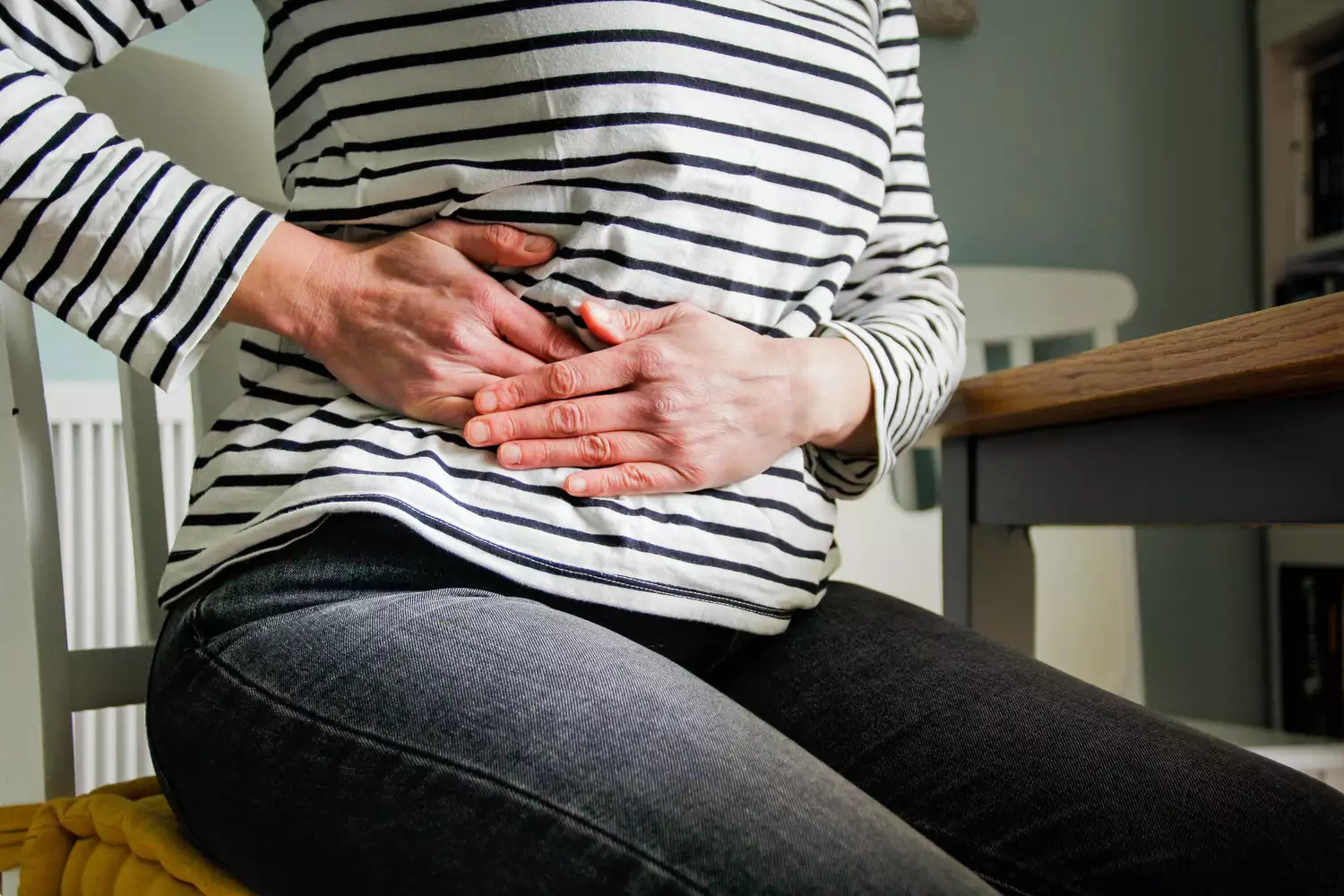
When we discuss nephrolithiasis, most men focus exclusively on the excruciating pain in the flank or lower back. However, the body is a series of interconnected systems, and the renal system shares a complex neural network with the digestive tract. The primary mechanism connecting these two is the ureterorenal reflex. When a stone obstructs the ureter, the resulting pressure sends distress signals through the autonomic nervous system. This doesn't just cause pain; it actively inhibits the nerves responsible for gastrointestinal motility. In clinical terms, this can lead to a functional ileus—a temporary paralysis of the bowel muscles.
The statistical overlap between these conditions is more significant than many patients realize. Data from the National Health and Nutrition Examination Survey indicates that the prevalence of kidney stones in the US population is approximately 9.14%. Interestingly, research shows that 9.03% of individuals dealing with chronic constipation also reported a history of renal stones. This suggests that the two conditions are not merely coincidental but are often driven by the same metabolic and physiological stressors.
Furthermore, the pain associated with renal colic is frequently described as one of the most intense physical experiences a person can endure. This level of stress triggers a massive release of catecholamines like adrenaline. These "fight or flight" hormones prioritize blood flow to the heart and muscles while diverting it away from the digestive system. The result is a total shutdown of normal bowel function precisely when the body is already struggling with the stone. Distinguishing between the sharp, stabbing pain of a stone and the dull, bloating ache of kidney stone digestive symptoms is the first step toward effective management.

The Gut-Kidney Axis: More Than Just Discomfort
The relationship between your bowels and your kidneys is a two-way street known as the gut-kidney axis. This physiological pathway explains how constipation and renal health are intrinsically linked through the management of waste products and toxins. When stool remains in the colon for too long, the gut microbiota begins to produce higher levels of uremic toxins, such as p-cresyl sulfate and indoxyl sulfate. These toxins are typically filtered out by healthy kidneys, but when the kidneys are already stressed by a stone, these substances can accumulate, further damaging the renal lining and creating a vicious cycle of inflammation.
A large-scale cross-sectional study has highlighted that chronic constipation is significantly associated with an increased risk of kidney stones in individuals with a body mass index over 30 kg/m², with a reported odds ratio of 2.142. This connection is often tied to metabolic syndrome, where insulin resistance and systemic inflammation contribute to both poor gut health and the formation of calcium oxalate crystals.
Moreover, the gut is the primary site for oxalate absorption. In a healthy digestive system, specific bacteria like Oxalobacter formigenes break down oxalate before it can enter the bloodstream and reach the kidneys. However, chronic constipation and the associated dysbiosis (imbalance of gut bacteria) can reduce these beneficial colonies. Without enough "oxalate-eating" bacteria, more of this compound is absorbed into the blood and eventually filtered into the urine, where it binds with calcium to form stones. Maintaining a healthy gut environment isn't just about comfort; it is a critical strategy for preventing the chemical precursors of stones.
Managing Kidney Stone Constipation: Post-Op and Medication
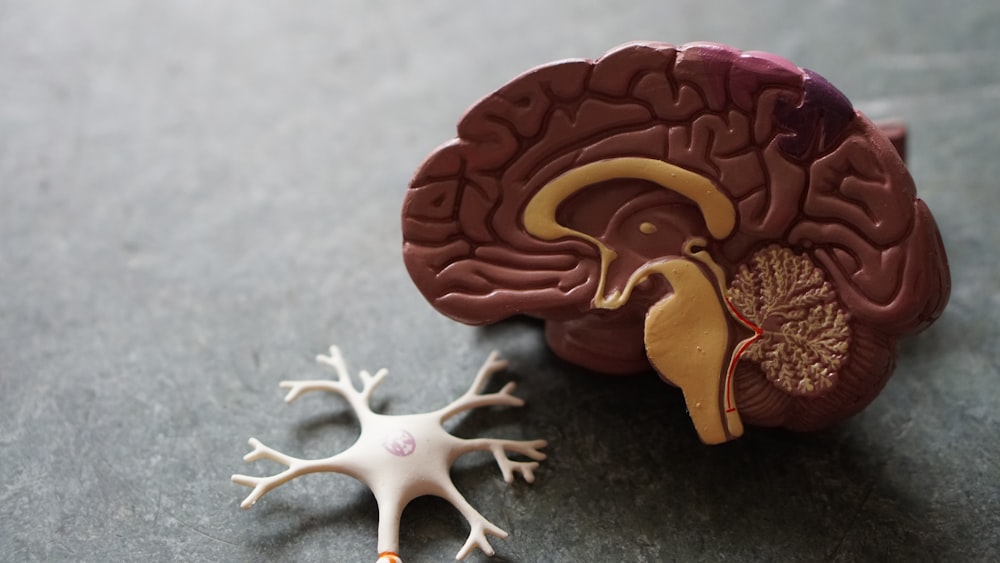
For many men, the struggle with kidney stone constipation begins not with the stone itself, but with the treatment. The standard of care for acute renal colic often involves opioid analgesics. While these are powerful tools for pain relief, they are notorious for causing opioid-induced constipation. Opioids bind to mu-receptors in the bowel, which effectively "turns off" the contractions needed to move waste through the colon.
The American Urological Association (AUA) has increasingly moved toward opioid-sparing protocols in their 2026 clinical updates to mitigate these side effects. Modern managing kidney stone constipation strategies now emphasize the use of non-steroidal anti-inflammatory drugs (NSAIDs) like ketorolac, which can reduce ureteral swelling without paralyzing the gut.
Postoperative recovery also presents a hurdle. Whether you’ve undergone shock wave lithotripsy (ESWL) or a ureteroscopy, the combination of general anesthesia and reduced physical activity can lead to significant constipation symptoms after kidney stone surgery. During this period, the body is focused on healing the urinary tract, and the digestive system often takes a backseat. It is crucial to monitor bowel movements in the 48 to 72 hours following a procedure. If the gut doesn't "wake up," the resulting abdominal pressure can actually increase the discomfort felt in the kidney area, making it difficult to distinguish between surgical soreness and digestive distress.

Safe Relief Strategies: Hydration, Diet, and Movement
Finding safe ways to relieve constipation with kidney stones requires a nuanced approach. Standard advice for constipation—like loading up on bran and fiber—can sometimes backfire if you aren't drinking enough water to compensate. In the context of kidney stones, the fiber-to-fluid ratio is the most important metric you can track.
To help you navigate this, consider the following comparison of general advice versus stone-specific safety:
| Strategy | Standard Advice | Kidney Stone-Safe Advice |
|---|---|---|
| Hydration | Drink 8 glasses of water a day. | Target a fluid intake that produces 2.5L of urine daily. |
| Calcium | Some suggest limiting dairy if stones are present. | Maintain 1,000-1,200 mg of dietary calcium to bind oxalate in the gut. |
| Fiber | Increase fiber rapidly to 35g+ daily. | Increase fiber gradually; ensure water intake scales up to prevent "bulking" in the colon. |
| Laxatives | Use any over-the-counter stimulant. | Use stool softeners; consult a urologist before using magnesium-based laxatives. |
| Movement | Intense cardio to "shake things loose." | Gentle walking to stimulate motility without aggravating renal inflammation. |
A specialized diet for preventing kidney stones and constipation should prioritize soluble fiber from fruits and vegetables rather than just heavy grains. Citrus fruits, particularly lemons and limes, provide citrate, which inhibits stone formation, while their water content aids digestion.
When it comes to hydration needs for kidney stones vs constipation, the goal is the same: saturation. For the kidneys, water dilutes the minerals that form stones; for the colon, water provides the lubrication necessary for peristalsis. If you are taking pain medications, you may need even more water than usual to overcome the chemical slowing of your gastrointestinal motility. Gentle movement, such as a 15-minute walk after meals, can stimulate the digestive tract without putting undue stress on the kidneys or increasing abdominal pressure.
FAQ
Can a kidney stone cause constipation?
Yes, kidney stones can cause constipation through a biological mechanism known as the ureterorenal reflex. When the stone causes intense pain or obstruction in the urinary tract, the autonomic nervous system sends signals that slow down or temporarily stop the muscle contractions in the intestines. This leads to reduced gastrointestinal motility and difficulty passing stool.
Why am I constipated while passing a kidney stone?
You are likely constipated due to a combination of the ureterorenal reflex and the side effects of pain management. The body’s stress response to renal colic diverts energy away from digestion. Additionally, if you have been prescribed opioid analgesics for the pain, these medications significantly slow down the movement of waste through your colon. Dehydration, often a result of reduced fluid intake during a painful episode, further compounds the issue.
How do you relieve constipation caused by kidney stone pain medication?
The best way to relieve constipation from pain meds is to follow an opioid-sparing pain management plan under medical supervision. If opioids are necessary, use stool softeners and ensure you are meeting your 2.5-liter fluid target. Natural options like increasing soluble fiber and gentle walking can also help. Always check with your doctor before using magnesium citrate, as while it is used to prevent stones, it is also a powerful osmotic laxative that requires careful fluid management.
Can constipation make kidney stone pain worse?
Yes, constipation can make the experience of a kidney stone more painful. When the colon is full of stool and gas, it creates increased intra-abdominal pressure. This pressure can push against the already inflamed and sensitive kidneys or ureters, exacerbating the sharp pain of renal colic. Furthermore, the straining associated with constipation can increase the physical stress on the pelvic floor and lower back, adding to the overall discomfort.
How to tell the difference between kidney stone pain and constipation pain?
Kidney stone pain is typically sharp, stabbing, and located in the flank or lower back, often radiating down toward the groin. It usually comes in waves and is not affected by movement or position. Constipation pain is generally a duller, cramping ache that feels "heavy" and is localized in the lower abdomen. If the pain is accompanied by an urgent need to have a bowel movement or if it improves after passing gas, it is likely digestive. However, because the two conditions often occur together, a professional diagnosis is essential.