Quick Facts
- Dual Diagnosis: Individuals with psoriasis are significantly more likely to have at least one other autoimmune condition, with rheumatoid arthritis showing an odds ratio of 3.6.
- Joint Progression: Approximately 30% of individuals with psoriasis eventually develop psoriatic arthritis, which shares many clinical features with rheumatoid arthritis.
- Core Strategy: Successful management requires a multidisciplinary approach combining systemic medications with targeted lifestyle adjustments.
- Activity Goal: Aim for 150 minutes of low-impact exercises for psoriasis and RA patients per week to maintain mobility without stressing inflamed joints.
- Early Warning: Clinical signs like nail pitting often precede joint involvement, serving as a vital indicator for proactive joint health for RA patients with psoriasis.
- Daily Support: Utilizing adaptive equipment and range of motion exercises every morning can significantly reduce the duration of stiffness.
Living with both Psoriasis and RA presents a unique set of challenges, from skin discomfort to joint stiffness. Effective management requires an integrated strategy targeting systemic inflammation. Managing psoriasis and RA requires a multidisciplinary approach combining medical treatment with lifestyle adjustments. Focus on joint protection by using adaptive tools for daily tasks and maintaining a healthy weight to reduce systemic inflammation. A consistent morning routine involving gentle range-of-motion exercises can help alleviate joint stiffness and skin discomfort.
Understanding the Skin-Joint Connection
When you live with Psoriasis and RA, it is easy to view your skin plaques and your joint pain as two separate battles. However, from a preventive care perspective, these symptoms are often two sides of the same coin: systemic inflammation. Research indicates that the immune system's overactivity doesn't just stop at the dermis; it can travel deep into the synovial fluid of the joints.
Scientific data highlights a powerful link between these conditions. Research indicates that individuals with psoriasis are significantly more likely to have at least one other autoimmune condition, with rheumatoid arthritis showing the strongest association at an odds ratio of 3.6. This means your body is navigating a complex landscape of immune response modulation.
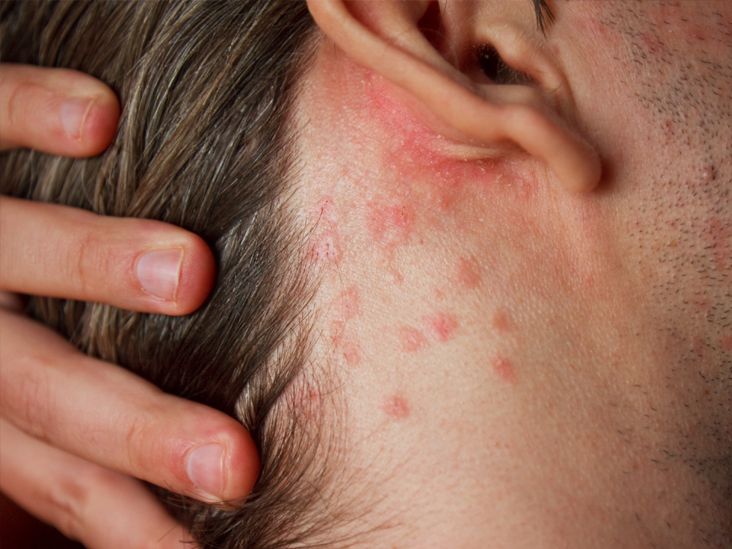
One of the most important things you can watch for is nail pitting or changes in the texture of your fingernails. Statistics suggest that roughly 68% of patients see skin symptoms before joint issues arise. If you notice these changes, it is often a signal from your body that joint health for RA patients with psoriasis needs immediate attention. By treating the underlying inflammation through systemic medications, doctors can often address both the skin clearance and the prevention of joint erosion simultaneously.
Morning Routine and Daily Joint Protection
The first hour of the day is often the hardest when managing psoriasis and rheumatoid arthritis. Morning stiffness can feel like an invisible weight, making even simple tasks like brushing your teeth or making coffee feel Herculean. Establishing a specific morning routine for psoriasis and RA stiffness can change the trajectory of your entire day.
Start before you even get out of bed. Gentle range of motion exercises—such as slowly curling your toes, rotating your ankles, and opening and closing your fists—help "grease" the joints. Once you are up, a warm shower can serve a dual purpose: the heat soothes stiff joints while the moisture helps soften psoriasis plaques for easier topical application.
Joint protection techniques for daily tasks with psoriasis and RA are about working smarter, not harder. This is where adaptive equipment becomes your best friend. Consider these lifestyle tips for psoriasis and RA management:
- Kitchen Helpers: Use ergonomic jar openers and electric can openers to avoid putting unnecessary strain on the small joints in your hands.
- The "Pacing" Method: Instead of trying to finish all your chores in one burst, break them into 15-minute segments. This helps prevent the extreme fatigue that often accompanies chronic inflammation.
- Occupational Therapy: A session with an occupational therapist can provide you with custom mobility aids or suggestions on how to modify your home environment to protect your joints.
Movement and Fitness: Low-Impact Solutions
It may seem counterintuitive to move when your joints ache, but physical activity is a cornerstone of flare-up prevention. The key is choosing the right type of movement. High-impact activities like running or heavy weightlifting can aggravate joint health for RA patients with psoriasis. Instead, focus on low-impact exercises for psoriasis and RA patients.
Swimming and water aerobics are often considered the gold standard. The buoyancy of the water supports your body weight, taking the pressure off your knees and hips while allowing for a full range of motion. If you prefer staying on land, cycling and walking are excellent for cardiovascular health.
The CDC recommends a goal of 150 minutes of moderate activity per week. However, when you are in the middle of a flare, it is okay to scale back. Focus on flexibility and gentle stretching rather than intensity. Regular movement helps maintain the strength of the muscles surrounding your joints, which provides a natural internal support system.
Skin Care and Sleep Hygiene Hacks
Managing psoriasis skin care while treating RA joint pain requires a delicate balance. Some systemic medications for RA can make your skin more sensitive, so your topical routine needs to be both soothing and protective.
Sleep is your body’s primary time for repair, yet it is often disrupted by the "itch-pain cycle." Learning how to sleep better with psoriasis itch and RA pain is essential for long-term wellness.
- Temperature Control: Keep your bedroom cool. Heat can trigger both joint inflammation and skin itching. Using cool packs on particularly "hot" joints can provide immediate relief.
- Fabric Choice: Opt for 100% cotton or silk sheets and pajamas. Synthetic fabrics can trap heat and irritate psoriasis plaques.
- Footwear and Foot Care: If you have foot psoriasis, choosing footwear for RA and foot psoriasis management is critical. Look for shoes with a wide toe box to accommodate swollen joints and breathable materials to prevent skin irritation.
Remember that sleep hygiene is not just about the environment; it is about consistency. Going to bed at the same time each night helps regulate your circadian rhythm, which in turn helps manage the systemic inflammation that drives both conditions.
Nutrition and Anti-Inflammatory Strategies
What you put into your body acts as the fuel for your immune system. While there is no "cure" diet, an anti-inflammatory diet for managing psoriasis and RA flares can significantly reduce the frequency and severity of your symptoms.
Focus on a Mediterranean-style approach. This includes plenty of fatty fish (rich in Omega-3s), leafy greens, berries, and olive oil. These foods help lower systemic markers of inflammation. Equally important is weight management. Excess weight puts physical pressure on your RA-affected joints, but fat tissue itself also produces pro-inflammatory cytokines that can worsen psoriasis.
Reducing processed sugars and highly refined flours is one of the best lifestyle tips for psoriasis and RA management you can implement. These foods can cause spikes in blood sugar that trigger inflammatory responses. Instead, focus on whole foods that support a healthy gut microbiome, as researchers are increasingly finding links between gut health and autoimmune stability.
Coordinating Your Healthcare Team
Because these conditions span two different medical specialties—dermatology and rheumatology—multidisciplinary care is vital. You are the captain of this team, and communication is your most powerful tool.
When you prepare for your next appointment, bring a list of questions for a rheumatologist about psoriasis and RA management. Ask about how your systemic medications are performing on both fronts. Sometimes a drug that clears your skin perfectly (measured by a PASI score) might not be doing enough for your joints (measured by an ACR score).
The goal is "Treat-to-Target," meaning you and your doctors agree on specific goals for skin clarity and joint mobility. By coordinating care, your providers can ensure that your treatments aren't overlapping or causing unnecessary side effects. Don't be afraid to ask for a referral to an occupational therapist or a nutritionist who specializes in chronic inflammation to round out your care team.
FAQ
Can you have both psoriasis and rheumatoid arthritis?
Yes, it is entirely possible to have both conditions. While they are distinct autoimmune diseases, they share similar inflammatory pathways. Research shows that people with psoriasis are about three times more likely to develop rheumatoid arthritis than the general population.
What are the symptoms of having both psoriasis and RA?
The combination usually involves the visible skin symptoms of psoriasis, such as red, scaly plaques or silver scales, alongside the symmetrical joint pain, swelling, and prolonged morning stiffness characteristic of rheumatoid arthritis. You may also experience extreme fatigue and "brain fog" due to systemic inflammation.
Are the treatments for psoriasis and RA the same?
There is significant overlap. Many systemic medications, particularly biologics and DMARDs (disease-modifying antirheumatic drugs), are designed to target the specific cytokines that cause inflammation in both the skin and the joints. However, a dermatologist may add topical treatments for the skin, while a rheumatologist might focus on joint-specific injections or physical therapy.
Does psoriasis joint pain always mean psoriatic arthritis?
No. While approximately 30% of people with psoriasis will develop psoriatic arthritis, joint pain can also be caused by rheumatoid arthritis, osteoarthritis, or other unrelated conditions. A thorough evaluation by a rheumatologist is necessary to distinguish between these different types of joint involvement.
Can you have RA without having psoriatic arthritis if you have psoriasis?
Yes. Psoriatic arthritis is a specific type of inflammatory arthritis that is directly related to psoriasis. However, a person with psoriasis can independently develop rheumatoid arthritis. The two are different diseases with different diagnostic criteria, though they can coexist in the same individual.