Quick Facts
- Timeline: Visible skin clearing typically requires 8-12 weeks of consistent lifestyle adjustments to see measurable results in the skin barrier.
- Weight Factor: Losing just 5% of body weight can double the effectiveness of clinical treatments and significantly reduce systemic inflammation.
- Sleep Requirement: Achieving 7-8 hours of quality sleep nightly is essential for healthy keratinocyte turnover and cellular regeneration.
- Stress Link: High cortisol levels directly activate inflammatory pathways like IL-17 and IL-23, which are primary drivers of skin flares.
- Dietary Impact: Adopting a Mediterranean diet framework helps modulate the immune system and supports a healthy gut microbiome.
- Substance Use: Individuals smoking more than 20 cigarettes daily face twice the risk of severe symptoms compared to light smokers.
Mastering psoriasis requires more than just topical treatments; it requires a holistic approach. Effective psoriasis lifestyle changes focus on reducing systemic inflammation and identifying personal triggers. By adopting an anti-inflammatory diet, managing stress, and maintaining a healthy weight, you can support your body's immune system modulation and accelerate skin clearing.
The Biology of Flare-Ups: Understanding the Brain-Skin and Gut-Skin Axes
To truly manage plaque psoriasis, we must look beneath the surface at how our internal systems communicate. The skin is not an isolated organ; it is deeply connected to our internal health through what researchers call the Brain-Skin and Gut-Skin axes. When we experience chronic stress or poor digestive health, the body remains in a state of high alert, fueling the systemic inflammation that leads to rapid keratinocyte turnover. This process is what causes the characteristic thick, scaly patches of psoriasis.
Immune system modulation is the primary goal of any long-term wellness strategy. By stabilizing the gut microbiome through nutrition and regulating cortisol levels through stress management, we can essentially "quiet" the overactive immune signals. Think of lifestyle changes as the foundation of your treatment pillar. While medical interventions target specific inflammatory markers, your daily habits determine the overall environment in which those treatments must work. Establishing a baseline of health makes every other clinical effort more effective.
Nutrition as Medicine: The Anti-Inflammatory Diet
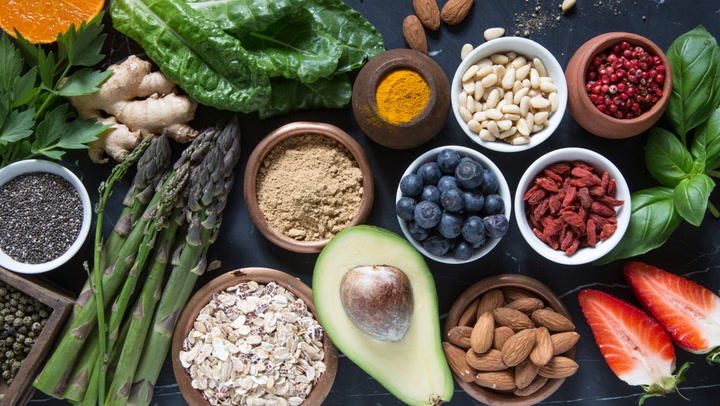
What we eat serves as the fuel for our immune response. For those living with psoriasis, certain foods act as "pro-inflammatory" triggers that can keep the body in a state of constant irritation. The Mediterranean diet is widely considered the gold standard for reducing inflammation. This way of eating emphasizes whole foods, healthy fats, and a diverse array of colorful vegetables that provide essential antioxidants.
A critical step in your journey is psoriasis trigger identification. While everyone is different, many individuals find that nightshades (like tomatoes and eggplant), gluten, or dairy can worsen their symptoms. Using a systematic approach to eliminate and then reintroduce these foods can help you pinpoint exactly what causes your skin to react. Furthermore, ensuring adequate vitamin d synthesis through safe sun exposure or supplementation is vital, as this nutrient plays a major role in regulating skin cell growth.
Successful anti-inflammatory meal planning for psoriasis management involves replacing saturated fats and refined sugars with omega-3 rich fatty acids found in fatty fish, walnuts, and flaxseeds. These healthy fats directly combat the pathways that lead to skin redness and swelling.

Mastering the Mind: Stress Reduction and Mindfulness
The connection between the mind and the skin is powerful. When we are stressed, our adrenal glands release cortisol, a hormone that, in high bursts, can temporarily suppress the immune system but, when chronically elevated, actually triggers inflammatory cytokines. This is why many patients report their worst flares occurring during high-pressure periods at work or during personal hardships.
To break this cycle, integrating mindfulness meditation techniques for psoriasis flare reduction is highly recommended. Practices such as Mindfulness-Based Stress Reduction (MBSR) have been shown in clinical settings to help patients manage the itch-scratch cycle and the emotional burden of the disease. In fact, research suggests that when mindfulness is paired with clinical treatments like phototherapy, the skin tends to clear significantly faster than with phototherapy alone.
Focusing on cortisol regulation through daily deep breathing, progressive muscle relaxation, or guided imagery can lower the biological "volume" of a flare. Consistency is key here; even ten minutes of daily meditation can shift the body from a sympathetic (fight or flight) state to a parasympathetic (rest and digest) state, which is where skin repair happens.

Physical Habits: Weight, Smoking, and Exercise
Our physical environment and habits play a massive role in disease severity. Statistics show that approximately 80% of people with psoriasis are overweight or obese, which is significant because adipose tissue (body fat) is not just stored energy; it is an active endocrine organ that produces pro-inflammatory cytokines. This extra inflammation can make systemic treatments less effective and increase the surface area of plaques.
The good news is that weight management strategies for psoriasis relief are incredibly effective. Data shows that overweight psoriasis patients who achieve a weight loss of at least 5% are more than twice as likely to reach minimal disease activity compared to those who do not. This makes weight loss one of the most powerful psoriasis lifestyle changes you can implement.
Additionally, the impact of quitting smoking and alcohol on psoriasis clearing cannot be overstated. Research indicates that individuals who smoke more than 20 cigarettes daily have twice the risk of experiencing severe disease symptoms compared to those who smoke 10 or fewer. Alcohol also dehydrates the skin and can interfere with the effectiveness of various medications. For exercise, focus on low-impact movements like yoga, swimming, or walking, which reduce systemic inflammation without putting excessive stress on the joints, which is particularly important for those who also manage psoriatic arthritis.

Daily Skin Care and Trigger Tracking
While internal changes are vital, the external skin barrier needs direct support. A daily skin care routine habits for psoriasis relief should focus on moisture retention and protection. Using fragrance-free emollients helps to lock in hydration and provides a protective layer against environmental irritants. These products should be applied immediately after bathing while the skin is still slightly damp to maximize absorption and assist in skin barrier repair.
To take control of your condition, you must become an expert on your own body. This is where how to identify and track personal psoriasis triggers becomes essential. Keep a daily journal that logs:
- Weather changes (cold, dry air often triggers flares)
- Specific foods or drinks consumed
- Stress levels on a scale of 1-10
- New laundry detergents or soaps
- Recent illnesses or infections (such as strep throat)
Over time, patterns will emerge, allowing you to proactively adjust your routine before a full flare-up begins. This proactive tracking is one of the most important steps to build a personalized psoriasis lifestyle plan.
Clinical Threshold: When Lifestyle Changes Need Support
It is important to recognize that while lifestyle adjustments are powerful, they are often part of a larger medical strategy. There is a clinical threshold where home management alone may not be enough to control severe plaque psoriasis. If your PASI score (Psoriasis Area and Severity Index) remains high or if the disease is impacting your mental health and ability to function, it is time to consult with a dermatologist.
Modern medicine offers incredible options, including biologics and targeted phototherapy, which work synergistically with your healthy habits. Lifestyle changes should be viewed as a way to enhance these medical treatments, potentially allowing for lower dosages or fewer side effects over time. Always communicate with your healthcare provider about the steps you are taking at home to ensure a coordinated and safe approach to your care.

FAQ
What are the best lifestyle changes for managing psoriasis?
The most effective changes include adopting an anti-inflammatory diet, maintaining a healthy weight, and practicing consistent stress management. These habits target systemic inflammation from multiple angles. Additionally, avoiding smoking and excessive alcohol consumption is critical for reducing disease severity.
Can changing your diet help clear up psoriasis?
Yes, dietary changes can significantly impact skin health by reducing the inflammatory load on the body. Many people find relief by following a Mediterranean-style diet and identifying specific food triggers like gluten or nightshades. Consistency over 8-12 weeks is usually necessary to see visible improvements.
Does stress trigger psoriasis flare-ups?
Stress is one of the most common triggers for psoriasis because it raises cortisol levels, which then activate inflammatory pathways. Utilizing mindfulness meditation techniques for psoriasis flare reduction can help lower stress and prevent the immune system from overreacting.
How does alcohol consumption affect psoriasis?
Alcohol can worsen psoriasis symptoms by dehydrating the skin and increasing systemic inflammation. It may also interfere with certain systemic medications and biologics, making treatments less effective and increasing the risk of side effects.
Does losing weight improve psoriasis symptoms?
Losing weight is highly beneficial for those with psoriasis. Because excess fat tissue produces inflammatory chemicals, reducing body weight helps lower the overall inflammatory state of the body. Even a modest 5% weight loss has been shown to double the likelihood of achieving clearer skin during treatment.