Quick Facts
- The Process: A psoriasis diagnosis is mostly clinical, based on a physical psoriasis skin examination of the skin, scalp, and nails.
- Key Indicators: Doctors look for erythematous plaques and silver scales, particularly on elbows and knees.
- Diagnostic Tools: While usually visual, a punch biopsy might be used in complex cases to rule out conditions like seborrheic dermatitis.
- Global Impact: This chronic autoimmune condition affects approximately 125 million people worldwide, or about 2 to 3 percent of the global population.
- Hidden Risks: About 30% of people with the skin condition eventually develop psoriatic arthritis, making joint health a critical part of the evaluation.
- The Time Factor: Diagnosis is often delayed by up to five years in primary care settings because symptoms mimic other skin issues.
- Early Detection: Identifying clinical markers early is essential to manage systemic inflammation and prevent long-term cardiovascular or joint complications.
A psoriasis diagnosis is primarily a clinical process where a dermatologist performs a thorough psoriasis skin examination to identify erythematous plaques and silver scales, though a punch biopsy may be used in uncertain cases. This evaluation focuses on identifying well-demarcated lesions and assessing for systemic involvement, such as joint stiffness or nail changes, to ensure a comprehensive management plan for this chronic autoimmune condition.
The First Signs: Identifying Psoriasis Plaques
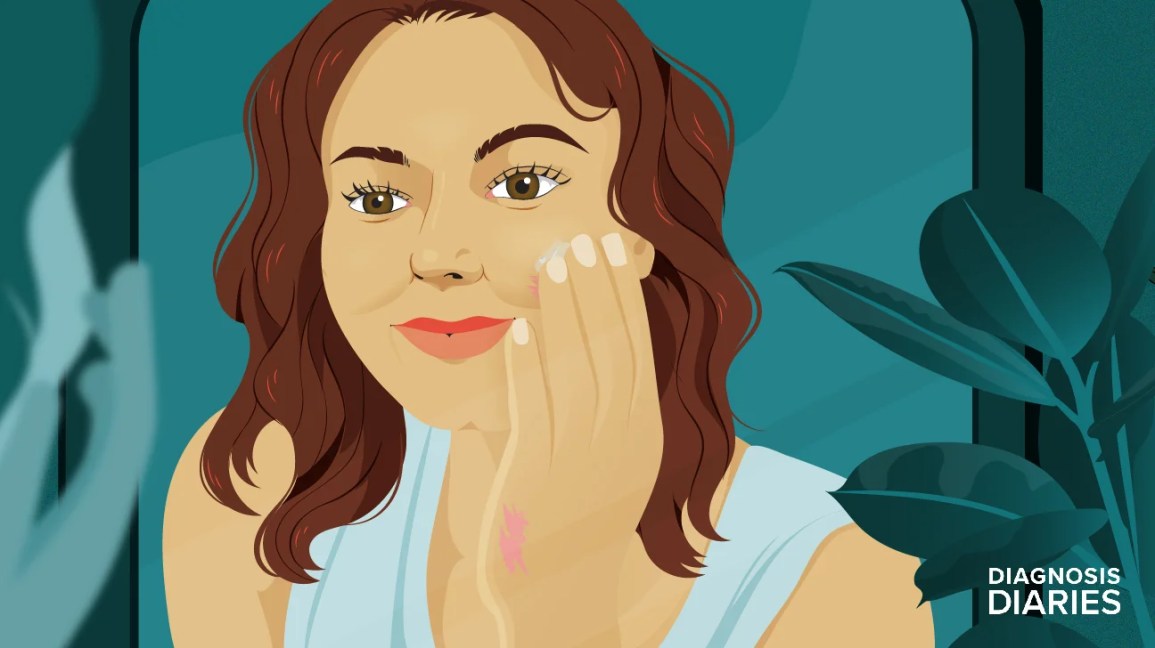
For many of us, the journey toward wellness begins with a single, confusing observation. I remember the first time I noticed a patch of skin on my elbow that didn’t respond to my usual heavy-duty moisturizers. In my role as a preventive care editor, I am usually the one providing the advice, but when it came to my own skin, I found myself questioning everything. Was it just seasonal dryness? Was it a reaction to a new detergent?
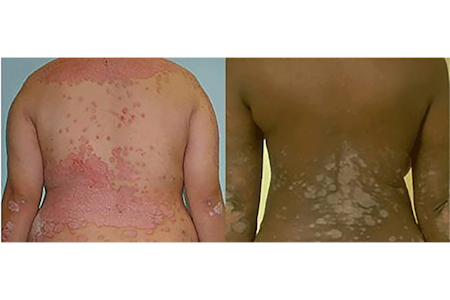
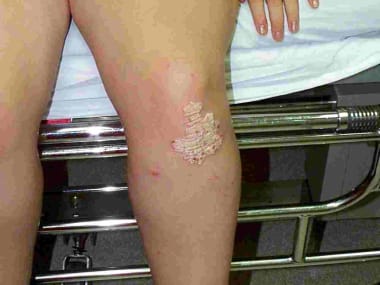
Learning how to identify early signs of psoriasis plaques is the first step in moving from confusion to clarity. Unlike common dry skin, which tends to be flaky and diffuse, psoriasis often presents as clearly defined areas of thick, raised skin. These are known as erythematous plaques. One of the most telling clinical markers is the presence of silver scales, which are layers of dead skin cells that build up on top of the red, inflamed area.
It is also vital to understand that this condition does not look the same on everyone. When we talk about early signs of psoriasis, we must acknowledge skin tone variation. On lighter skin, the plaques usually appear bright red or pink with distinct silver scales. However, on darker skin tones, the inflammation may look more violet, deep brown, or even grayish. This difference often leads to misdiagnosis, as the classic "red" description in medical textbooks doesn't always apply to everyone’s lived experience.
Beyond the elbows and knees, keep a close eye on scalp involvement. Many people mistake scalp psoriasis for simple dandruff, but the scales are typically thicker and more persistent. You might also notice changes in your nails, such as tiny dents called nail pitting or a yellowish discoloration that looks like a fungal infection. These subtle clues are part of the broader picture of systemic inflammation that a specialist will look for during your visit.
The Clinical Journey: What to Expect During a Psoriasis Skin Examination
When I finally decided to seek a professional opinion, I wasn't sure what to expect. A dermatologist visit for psoriasis is much more than a quick glance at a single rash. It is a comprehensive assessment designed to understand the systemic nature of the condition. During a psoriasis skin examination, your doctor will likely ask you to change into a gown so they can perform a full-body check.
Dermatologists look at specific areas of the body that are "hotspots" for this condition. This includes the scalp, the skin behind the ears, the navel, and the "extensor" surfaces like the elbows and knees. They aren't just looking for plaques; they are also assessing the total amount of skin affected. Many doctors use the 10% BSA (Body Surface Area) metric to determine the severity. As a quick rule of thumb, the surface of your palm represents about 1% of your total body area.
If the visual clinical markers are not entirely clear, your doctor might suggest a punch biopsy. I know the word "biopsy" can sound intimidating, but it is a very standard clinical procedure. Using a small, pencil-sized device, the doctor removes a tiny cylinder of skin tissue—roughly the size of a pencil eraser. This sample is examined under a microscope to confirm the diagnosis and rule out other conditions. This step is particularly helpful when distinguishing between psoriasis and seborrheic dermatitis, which can look very similar on the scalp or face.
The exam also extends to your joints. Because this is a chronic autoimmune condition, the inflammation isn't always limited to what we see on the surface. Your doctor will likely press on your finger joints and check your heels for tenderness. They are looking for signs of dactylitis—which is a medical term for sausage-like swelling of the fingers or toes—as well as morning stiffness that lasts longer than 30 minutes.
Psoriasis vs. Eczema: Navigating the Differential Diagnosis
One of the biggest hurdles in my own journey was the initial confusion between different skin conditions. I spent months treating my skin for eczema before realizing I was dealing with something else entirely. This is a common story; in fact, research shows that people later diagnosed with psoriasis were up to eight times more likely to have been diagnosed with pityriasis rosea six months prior to their official diagnosis.
Making a differential diagnosis is the process doctors use to distinguish one condition from several others that share similar symptoms. While psoriasis and eczema both cause itchy, red skin, the underlying mechanisms and visual cues are different. Psoriasis is driven by an overactive immune system that speeds up skin cell production, while eczema is often related to a compromised skin barrier and environmental triggers.
| Feature | Psoriasis | Eczema (Atopic Dermatitis) |
|---|---|---|
| Borders | Well-demarcated (sharp, clear edges) | Poorly defined (blurry, fading edges) |
| Scaling | Thick, silver scales (micaceous) | Crusting, weeping, or thin scales |
| Location | Extensor surfaces (elbows, knees) | Flexor surfaces (inside of elbows/knees) |
| Itch Level | Mild to intense; often feels like burning | Extremely intense, persistent itching |
| Nail Involvement | Common (pitting, crumbling) | Rare |
Distinguishing between psoriasis and seborrheic dermatitis is another common challenge, especially when symptoms are confined to the scalp. Psoriasis scales tend to be dry and silvery, whereas seborrheic dermatitis scales often look greasy and yellowish. Understanding these nuances is why a specialist's eye is so important.
Beyond the Skin: Screening for Psoratic Arthritis
As I dived deeper into my research, I realized that focusing only on the skin was like looking at just one chapter of a long book. Psoriasis is a systemic condition, meaning it can affect the entire body through systemic inflammation. One of the most significant complications is psoriatic arthritis, which affects approximately one in three people living with the skin condition.
To help catch this early, many clinics use a tool called the PEST (Psoriasis Epidemiology Screening Tool). It’s a simple questionnaire that asks about joint pain, swelling, and history of joint issues. Evaluating joint pain alongside psoriasis skin symptoms is now considered a standard of care for long-term health.
Self-Screening Call-Out: The PEST Score
Have you ever had a joint become swollen and painful without a clear injury? Have you noticed "pitting" or "denting" in your fingernails? If you score a 3 or higher on the PEST questionnaire, it is a strong signal that you should discuss your joint health with a rheumatologist. Early intervention can prevent permanent joint damage.
During my evaluation, I learned that tracking symptoms isn't just about the skin plaques. It's about noting when your back feels stiff in the morning or why your "tennis elbow" hasn't cleared up after months of rest. These are often signs that the autoimmune process is affecting the entheses—the spots where tendons and ligaments attach to bone. By addressing these early signs of psoriasis beyond the skin, we can take a more holistic approach to preventive care.
Preparing for Your First Dermatologist Visit for Psoriasis
The road to a clear psoriasis diagnosis is much smoother when you walk into the doctor's office prepared. When I had my first specialist appointment, I felt overwhelmed, but having a organized history of my symptoms gave me back a sense of control.
If you are preparing for your first dermatologist visit for psoriasis, consider this your essential checklist:
- Symptom Tracking: Take photos of your skin during a flare-up. Psoriasis can change day to day, and your skin might look different by the time you actually get into the exam room.
- Document Triggers: Have you noticed your skin getting worse after a period of high stress, a cold, or a specific medication? Common triggers include alcohol, tobacco, and certain beta-blockers.
- Family History: Psoriasis has a strong genetic component. Ask your relatives if anyone has had "bad dandruff," "chronic rashes," or "early-onset arthritis."
- Previous Treatments: List every cream, oil, or over-the-counter lotion you have tried. Knowing what didn't work helps your doctor narrow down the best next steps.
- Ask About Modern Options: Don't be afraid to ask about the latest advancements, such as TYK2 inhibitors or biologics, which target specific parts of the immune system to reduce systemic inflammation.
Remember, you are the expert on your own body. While the doctor provides the medical expertise, your observations are the most valuable data points they have. A clear diagnosis isn't just a label—it's the key to a management plan that allows you to live your life without being defined by your skin.
FAQ
How is psoriasis diagnosed?
A psoriasis diagnosis is typically made through a physical examination where a healthcare provider looks at your skin, scalp, and nails for characteristic signs like thick plaques and scales. They will also review your medical history and family history to see if there is a genetic link. In cases where the visual evidence is inconclusive, a small skin sample may be taken for a biopsy to be viewed under a microscope.
Can a dermatologist diagnose psoriasis just by looking at the skin?
Yes, in the vast majority of cases, a dermatologist can provide a psoriasis diagnosis based on a visual psoriasis skin examination. The clinical markers, such as the location of the plaques on extensor surfaces and the presence of silver scales, are often distinct enough that further testing isn't required. However, they will still perform a full check to determine the severity and check for joint involvement.
What are the first signs of psoriasis?
The early signs of psoriasis often include small, red or violet bumps that gradually enlarge into scaly patches. You might also notice persistent "dandruff" on your scalp that doesn't go away with standard shampoos, or tiny pits and yellowing in your fingernails. Another early sign is the Koebner phenomenon, where new psoriasis plaques form at the site of a skin injury, like a cut or a scrape.
How do doctors tell the difference between psoriasis and eczema?
Doctors use a process called differential diagnosis to distinguish the two. They look for well-demarcated borders and silver scales, which are common in psoriasis, versus the "leaky" or crusty appearance of eczema. They also look at the location; psoriasis usually appears on the outside of joints (elbows/knees), while eczema is more common on the inside folds. The presence of nail pitting also strongly points toward psoriasis.
Is a skin biopsy necessary to diagnose psoriasis?
A skin biopsy is not always necessary for a psoriasis diagnosis, but it is a helpful tool when a doctor needs to rule out other similar-looking conditions like lichen planus or fungal infections. When is a skin biopsy needed for psoriasis diagnosis? Usually, it is reserved for atypical cases or when the patient is not responding to standard treatments as expected. The procedure is quick and uses a small punch biopsy tool to collect a tiny sample of tissue.
Can psoriasis be misdiagnosed as another skin condition?
Yes, psoriasis is frequently misdiagnosed, particularly in its early stages. It is often mistaken for eczema, seborrheic dermatitis, or even a fungal infection. Research indicates that the diagnosis of psoriasis in primary care can be delayed by up to five years. This is why it is so important to see a specialist who can accurately identify clinical markers and provide a clear path forward.