Quick Facts
- Emergency Window: Antiviral treatment must be initiated within 72 hours of the first sign of a rash to be most effective.
- Risk Factor: Ocular involvement occurs in 10% to 20% of all shingles cases, a condition known as herpes zoster ophthalmicus.
- Key Warning Sign: A rash appearing on the tip or side of the nose, known as Hutchinson’s sign, indicates a high risk of eye involvement.
- Vision Loss Risk: Among those with this condition, approximately 10% experience moderate to severe vision loss, often due to corneal scarring.
- Involvement Rate: Without prompt treatment, ocular involvement like keratitis occurs in approximately 50% of patients with facial shingles.
- Prevention: The Shingrix vaccine provides over 90% protection against the reactivation of the virus and subsequent eye complications.
Ocular shingles can cause permanent blindness when the Varicella-zoster virus reactivates along the ophthalmic branch of the Trigeminal nerve. This condition, known as herpes zoster ophthalmicus, can lead to severe inflammation of the cornea, iris, or optic nerve. Without urgent medical intervention to manage this inflammation, the resulting tissue damage and scarring can lead to irreversible vision loss.
How Shingles Attacks the Eye: The Trigeminal Pathway
To understand the risk of blindness from facial shingles outbreaks, we have to look at the nervous system. The Varicella-zoster virus—the same virus that causes chickenpox—never truly leaves your body. It retreats to the nerve tissues near your spinal cord and brain. Decades later, often due to age-related immune decline or stress, it can reactivate. When it chooses the Trigeminal nerve, specifically the ophthalmic division, the result is Ocular shingles.
The Trigeminal nerve is the largest cranial nerve and is responsible for sensation in your face. It splits into three main branches. The first branch, the ophthalmic nerve, controls sensation for your forehead, scalp, and, crucially, the surface of your eye. When the virus travels down this specific pathway, it doesn't just cause a skin rash; it delivers the virus directly to the delicate structures of the eye.
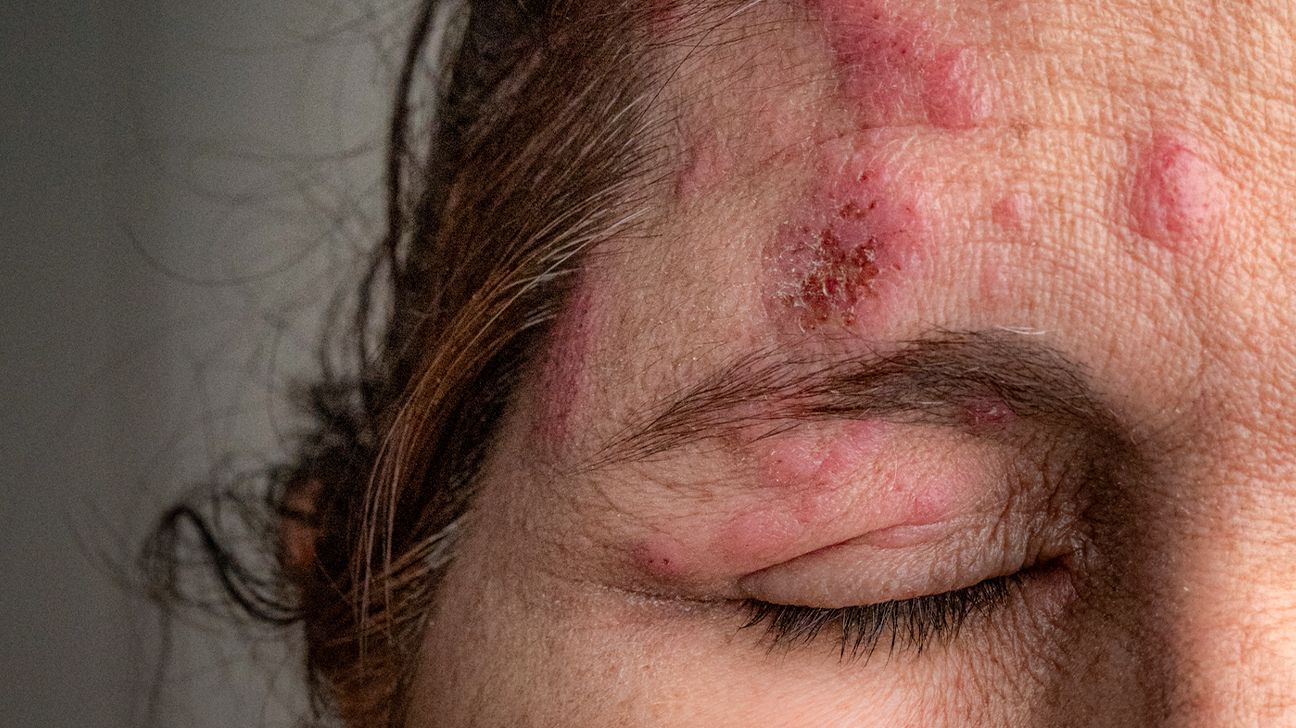
It is a common misconception that the rash must be "in" the eye for there to be a problem. In reality, the virus lives within the nerve. If the rash appears anywhere on the forehead, the eyelid, or the scalp within that ophthalmic dermatome, the internal structures of the eye are at immediate risk. The inflammation triggered by the viral replication can cause the immune system to attack healthy ocular tissue, leading to a cascade of complications that can permanently alter your vision.
Recognizing the Warning Signs: Hutchinson’s Sign and Beyond
Early detection is the single most important factor in preventing vision loss from shingles. Most patients experience a prodrome phase—a period of tingling, burning, or itching on one side of the forehead or around the eye—before any blisters appear. If you have had chickenpox in the past and feel a localized, "electric" pain on your face, you should be on high alert.
The most famous clinical marker for eye involvement is Hutchinson’s sign. This refers to the appearance of shingles vesicles on the tip, side, or root of the nose. Because the same nerve branch that supplies the tip of the nose also supplies the cornea, a rash here is a massive red flag.
Diagnostic Checklist: Is Your Eye at Risk?
If you have a facial rash, check for the following herpes zoster ophthalmicus signs:
- Hutchinson’s sign: Blisters on the tip or side of the nose.
- Photophobia: Extreme sensitivity to light that makes it painful to open your eyes in a bright room.
- Redness: A deep, "angry" red hue in the white of the eye (sclera).
- Blurred Vision: Any sudden change in clarity or the appearance of "clouds" in your field of vision.
- Deep Ocular Pain: A dull, throbbing ache behind the eyeball that feels different from a typical headache.
- Tearing: Excessive watering of one eye without an obvious cause like allergies.
If you recognize how to recognize ocular shingles symptoms early, you can seek treatment before the virus causes structural damage. Any facial shingles outbreak, especially one involving the upper half of the face, should be treated as a medical emergency. You should not wait for your primary care doctor; an immediate evaluation by an ophthalmologist is required.
The Mechanisms of Vision Loss: Cornea to Optic Nerve
The question "Can shingles cause blindness?" is often met with a "Yes," but the "How" is complex. Shingles doesn't just cause one type of eye problem; it can attack every layer of the eye's anatomy.
The most common pathway is through the cornea. The virus causes keratitis, or inflammation of the clear front surface of the eye. If this inflammation is deep, it results in permanent corneal scarring. Furthermore, the virus can damage the nerves of the cornea, leading to Neurotrophic keratopathy. This is a dangerous condition where the eye loses its ability to feel pain. Because the eye can't feel an injury or dryness, the surface breaks down, leading to ulcers that are extremely difficult to heal.
Moving deeper into the eye, the virus can cause Uveitis, which is inflammation of the iris and the surrounding tissue. This internal inflammation can lead to a sudden and dangerous spike in Intraocular pressure. When the pressure stays too high for too long, it damages the optic nerve—the cable that sends visual information to the brain—leading to secondary glaucoma.
In the most severe cases, the virus can cause acute retinal necrosis. This is a rapid destruction of the retina at the back of the eye. While less common than corneal issues, it is a high-speed route to blindness if not caught within hours. There are also signs that shingles is affecting the optic nerve directly, known as optic neuritis, which can occur weeks after the skin rash has healed. This highlights why how shingles causes permanent corneal damage is only one part of the risk profile; the entire ocular system is under threat.
Treatment and Prevention: The 72-Hour Rule and Vaccines
When dealing with Ocular shingles, time is your most valuable asset. The medical gold standard is to begin systemic antiviral therapy within 72 hours of the rash appearing. Medications such as Valacyclovir or Acyclovir work by stopping the virus from replicating. By limiting the viral load, you reduce the intensity of the inflammation that leads to tissue scarring.
However, antivirals alone are often not enough to save your sight. While the antiviral kills the virus, it doesn't stop the body's inflammatory response. To manage this, ophthalmologists often prescribe Topical corticosteroids. these drops "cool down" the eye and prevent the white blood cells from causing further damage to the cornea or iris.
| Provider | Primary Role in Ocular Shingles |
|---|---|
| Primary Care/Urgent Care | Initial diagnosis and immediate prescription of Valacyclovir. |
| Dermatologist | Management of skin lesions and pain (Postherpetic neuralgia). |
| Ophthalmologist | Critical. Slit-lamp exam to check for internal inflammation and pressure. |
For long-term protection, the Shingrix vaccine is the definitive strategy for preventing vision loss from shingles. Unlike the older live vaccine, the recombinant Shingrix vaccine is highly effective even in older populations. Clinical data shows that it is over 90% effective at preventing shingles altogether. If you never develop the rash, you cannot develop the ocular complications. Even in the rare cases where a vaccinated person develops shingles, the severity is usually significantly reduced, lowering the risk of blindness from facial shingles outbreaks.
Long-Term Recovery and Monitoring
The danger of Ocular shingles does not end when the skin rash clears up. Many of the most serious shingles eye complications are "smoldering" issues that can reappear months or even a year later.
One major concern is Postherpetic neuralgia, which is chronic nerve pain that lingers after the infection. When this affects the eye, it can manifest as persistent burning or sensitivity. More dangerously, the internal pressure of the eye can fluctuate long after the initial infection, leading to "silent" vision loss from glaucoma.
Because of these risks, patients who have experienced herpes zoster ophthalmicus require regular follow-up appointments with an eye specialist. Monitoring Intraocular pressure and corneal health for at least 12 months post-infection is standard care. If the optic nerve was involved, some patients may require high-dose IV steroids to restore vision, proving that even in dire situations, aggressive medical intervention can make a difference.
FAQ
What are the first signs of shingles in the eye?
The earliest signs usually include a tingling or burning sensation on one side of the forehead, followed by redness in the eye, light sensitivity, and blurred vision. If you notice a rash on the tip or side of your nose, this is a strong indicator that the virus is affecting the eye.
Is shingles in the eye a medical emergency?
Yes. Because the virus can cause rapid, irreversible damage to the cornea and optic nerve, any shingles outbreak on the face should be evaluated by an ophthalmologist immediately. The window for the most effective treatment is within the first 72 hours.
Can ocular shingles cause permanent blindness?
Yes, it can. Permanent vision loss typically occurs due to severe corneal scarring, high intraocular pressure leading to glaucoma, or damage to the retina and optic nerve. Prompt treatment with antivirals and steroids is essential to minimize this risk.
How do I know if shingles has spread to my eye?
While only an ophthalmologist can confirm eye involvement using a slit-lamp microscope, warning signs include the eye looking bloodshot, a feeling of "grit" or pain in the eye, decreased vision, or the presence of the rash on your eyelid or nose.
Can the shingles vaccine prevent eye complications?
The Shingrix vaccine is highly effective, providing over 90% protection against shingles. By preventing the reactivation of the virus, it is the most effective way of preventing vision loss from herpes zoster ophthalmicus.