
Quick Facts
- Risk Increase: Clinical studies reveal users are 3.67 times more likely to develop gastroparesis compared to those on other weight-loss drugs.
- Clinical Threshold: A diagnosis typically requires more than 10% food retention in the stomach 4 hours after a meal.
- Surgical Warning: 2026 protocols mandate stopping weekly semaglutide injections at least 7 days before any procedure requiring anesthesia.
- FDA Status: Official labels now include warnings for ileus and severe gastrointestinal motility complications.
- Legal Context: Over 3,600 lawsuits are currently active in the MDL 3094 litigation regarding a failure to warn about stomach paralysis.
- Incidence Rate: Data indicates an incidence of gastroparesis among semaglutide users is approximately 1%, or 10 cases per 1,000 users.
As GLP-1 medications like Ozempic become household names, reports of 'stomach paralysis' or Ozempic gastroparesis are rising. While delayed gastric emptying is a known mechanism for weight loss, for some, this slowing becomes pathological. In this guide, we break down the symptoms of semaglutide stomach paralysis, the 3.67x increased risk cited by researchers, and the critical safety protocols you must know before any medical procedure.
Ozempic gastroparesis occurs when semaglutide significantly delays gastric emptying to the point where the stomach cannot process food effectively. While most GLP-1 digestive side effects are temporary and mild, this condition represents a severe impairment of peristalsis that may lead to long-term health risks if not managed early.
Understanding Ozempic Gastroparesis: Normal vs. Pathological
To understand why some people experience severe issues, we have to look at how these medications function. Ozempic belongs to a class of drugs known as incretin mimetics. These drugs work by mimicking a hormone that tells your brain you are full, but they also physically slow down gut motility. This is a primary feature, not a bug, because it keeps food in your stomach longer, helping you feel satiated on less food.
However, the problem arises when this slowing crosses the line from therapeutic to pathological. The vagus nerve, which controls the muscles of the stomach, can become suppressed to the point where peristalsis—the wave-like contractions that move food along—essentially stops. This leads to semaglutide stomach paralysis. In a healthy digestive tract, your stomach should be relatively empty within a few hours of eating. When you are dealing with Ozempic gastroparesis, the stomach becomes a stationary reservoir where food begins to ferment or harden into solid masses.
Distinguishing between standard GLP-1 digestive side effects and true gastric retention is critical. While most patients expect some adjustment period, pathological slowing is marked by its intensity and duration. If you are experiencing symptoms that persist long after the initial dosing phase, or if the severity makes daily functioning impossible, you are likely looking at a motility disorder rather than a simple side effect.
Early Warning Signs and Clinical Diagnosis
Recognizing the early warning signs of Ozempic stomach paralysis can prevent more severe complications like malnutrition or dehydration. Many patients initially dismiss their symptoms as Ozempic nausea vs gastroparesis symptoms, but the key differences lie in the timing and the nature of the discomfort. If you are vomiting undigested food that you ate eight or twelve hours ago, that is a significant red flag for gastric retention.
Standard side effects like mild nausea or occasional constipation usually peak a day or two after your injection and then fade. In contrast, delayed gastric emptying symptoms associated with gastroparesis are often persistent and worsen as the day progresses. You might experience postprandial fullness, which is a medical term for feeling incredibly full after just a few bites of food. Severe bloating that distends the abdomen painfully is another common marker.
Comparison: Normal Side Effects vs. Gastroparesis
| Symptom | Standard GLP-1 Side Effect | Gastroparesis Indicator |
|---|---|---|
| Nausea | Mild to moderate, often after injection | Constant, severe, or leading to frequent vomiting |
| Vomiting | Rare, usually linked to overeating | Frequent, often contains undigested food from hours ago |
| Bloating | Occasional gas or feeling of "heaviness" | Severe distention that does not resolve with movement |
| Appetite | Reduced, but can eat small meals | Feeling full (early satiety) after just 2-3 bites |
| Pain | Mild cramping | Upper abdominal pain or "burning" sensation |
When these symptoms reach a clinical level, a doctor will typically order a gastric emptying scintigraphy. This is the gold standard for diagnosis. You eat a meal containing a tiny, safe amount of radioactive material, and a scanner tracks how quickly it leaves your stomach. If the results show more than 10% of that food remains after four hours, the diagnosis is confirmed. One of the more dangerous complications of this condition is the formation of bezoars—hardened masses of undigested food that can cause a life-threatening blockage in the digestive tract. Knowing when to see a doctor for severe Ozempic digestive side effects can truly be a life-saving decision.
The Critical Surgery Alert: Aspiration Risks
One of the most pressing concerns for anyone using semaglutide is the risk associated with surgery. In 2023, the medical community began seeing cases where patients, despite fasting for the required 8–12 hours, still had full stomachs when they arrived in the operating room. This creates a massive risk for aspiration pneumonia, a condition where stomach contents enter the lungs while the patient is under anesthesia.
The 2026 stopping Ozempic before surgery guidelines 2026 are very specific. Because these drugs have a long half-life, simply skipping a dose the night before isn't enough to ensure your stomach is empty.
? SAFETY ALERT: Pre-Surgery Protocol
As of current 2026 medical standards, all patients must adhere to the following:
- Weekly Injections: Stop taking the medication at least 7 full days before any elective procedure.
- Daily Medications: Hold the dose on the day of the procedure.
- Symptom Check: If you are experiencing any nausea, vomiting, or abdominal pain on the day of surgery, the anesthesia protocol dictates that the procedure should be delayed.
- Communication: Always inform your anesthesiologist that you are using a GLP-1 agonist, even if you have already stopped the medication.
It is important to remember that while 7 days is the minimum for the stomach to clear, it can take up to 5 weeks for semaglutide to be completely eliminated from your system. If you have a history of slow gut motility, your surgical team might suggest an even longer washout period to ensure absolute safety.
2026 Regulatory and Legal Update: MDL 3094
The landscape regarding GLP-1 safety has shifted dramatically over the last few years. In September 2023, the FDA updated the label for Ozempic to include a warning about ileus, which is a condition where the intestines stop moving waste through the body. This was a pivotal moment for patient advocacy and transparency.
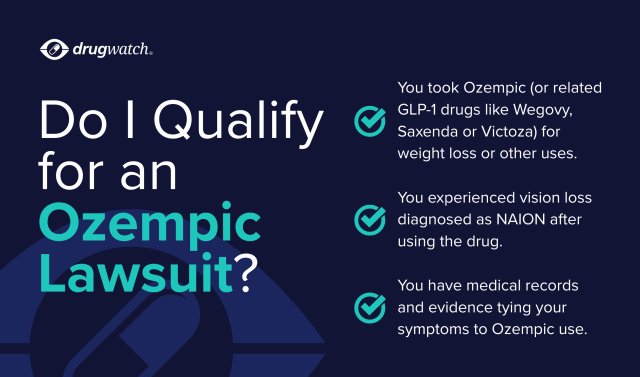
By early 2025, further updates were made to specifically address the risk of stomach paralysis. These regulatory changes have paved the way for significant legal action. As of mid-2026, the Multidistrict Litigation known as MDL 3094 has grown to include over 3,600 individual lawsuits. Most of these cases focus on "failure to warn," arguing that the manufacturers knew about the risk of severe gastric impairment but did not adequately inform patients or healthcare providers.
A major question many patients ask is: is stomach paralysis from semaglutide permanent? While many people see an improvement in gut motility after they stop the medication, there are reported cases where the damage to the vagus nerve or the digestive rhythm seems to persist. Beyond the stomach issues, chronic vomiting associated with these conditions has also led to secondary problems like severe dental erosion and malnutrition, which are now being factored into the legal and medical evaluations of these drugs.
Management and Dietary Strategies
If you are currently taking Ozempic and notice that your digestion has slowed more than you'd like, there are preventive steps you can take to manage your gut motility. Not every case of slowing requires stopping the medication, but it does require a shift in how you approach nutrition.
- Eat Smaller, Frequent Meals: Instead of three large meals, try five or six very small snacks. This prevents the stomach from becoming overwhelmed and allows it to process smaller loads of food.
- Modify Fiber Intake: While fiber is usually a health hero, high-fiber foods (like raw kale, broccoli, or skins of fruits) are harder to digest. Focus on well-cooked vegetables and soluble fiber that dissolves easily.
- Low-Fat Choices: Fats naturally slow down the stomach. Choosing leaner proteins can help food move through the system more quickly.
- Hydration is Key: Liquids move through the stomach much faster than solids. If you are struggling with postprandial fullness, consider getting more of your nutrients through high-quality protein shakes or soups.
In clinical settings, if these dietary changes for gastroparesis while on Ozempic aren't enough, your doctor might prescribe medications like metoclopramide. This drug helps stimulate the muscles in the digestive tract to encourage movement. However, if the condition progresses to severe gastroparesis, the most common recommendation is to discontinue the GLP-1 medication entirely to allow the vagus nerve to recover.
FAQ
Does Ozempic cause permanent gastroparesis?
For most patients, stomach motility improves once the medication is discontinued and has time to clear the system. However, a small number of users report lingering symptoms. Research is ongoing to determine if long-term use can cause permanent changes to the vagus nerve or stomach muscles.
What are the signs of stomach paralysis on Ozempic?
Key signs include vomiting undigested food many hours after eating, persistent nausea, feeling full after only a few bites of food, and severe abdominal bloating. Unlike standard side effects, these symptoms do not usually go away as your body "gets used" to the drug.
Is Ozempic gastroparesis reversible after stopping the medication?
In many documented cases, the condition is reversible. Once the incretin mimetics are no longer in the body to slow down the gut, the stomach's natural peristalsis typically resumes. However, recovery can take several weeks or months depending on the severity.
How do doctors diagnose Ozempic-related gastroparesis?
The most reliable method is a gastric emptying study (scintigraphy), where a patient eats a labeled meal and is scanned over several hours. Doctors may also use an upper endoscopy to check for bezoars or other obstructions in the stomach.
Is there a lawsuit for Ozempic and gastroparesis?
Yes, there is significant ongoing litigation. As of 2026, thousands of cases have been consolidated into MDL 3094, claiming that the manufacturers failed to provide adequate warnings about the risk of gastroparesis and ileus.
If you are concerned that your digestive system is not responding correctly to your medication, the most important step is to advocate for yourself. Keep a detailed log of what you eat and when your symptoms occur. This data is invaluable for your doctor to determine whether you are experiencing a standard side effect or a more serious complication that requires a change in your treatment plan.