Quick Facts
- Incidence: Pityriasis rosea is estimated to affect between 0.5% and 2% of the population.
- Age Group: Most frequent in teenagers and young adults, specifically those between the ages of 10 and 35.
- Initial Sign: A distinctive herald patch appears first in up to 90% of cases.
- The Pattern: Characterized by a hallmark Christmas tree rash pattern that follows skin tension lines.
- Duration: A self-limiting condition that typically resolves without treatment in 6 to 12 weeks.
- Frequency: Rare to recur; most people only experience it once in their lifetime.
Pityriasis rosea is an acute, self-limiting papulosquamous skin disorder characterized by a distinct clinical progression. It typically begins with a single, scaly, oval-shaped herald patch on the torso, followed by a widespread eruption of smaller lesions that often distribute along the Langer lines of cleavage, creating a hallmark Christmas tree pattern on the back and chest.
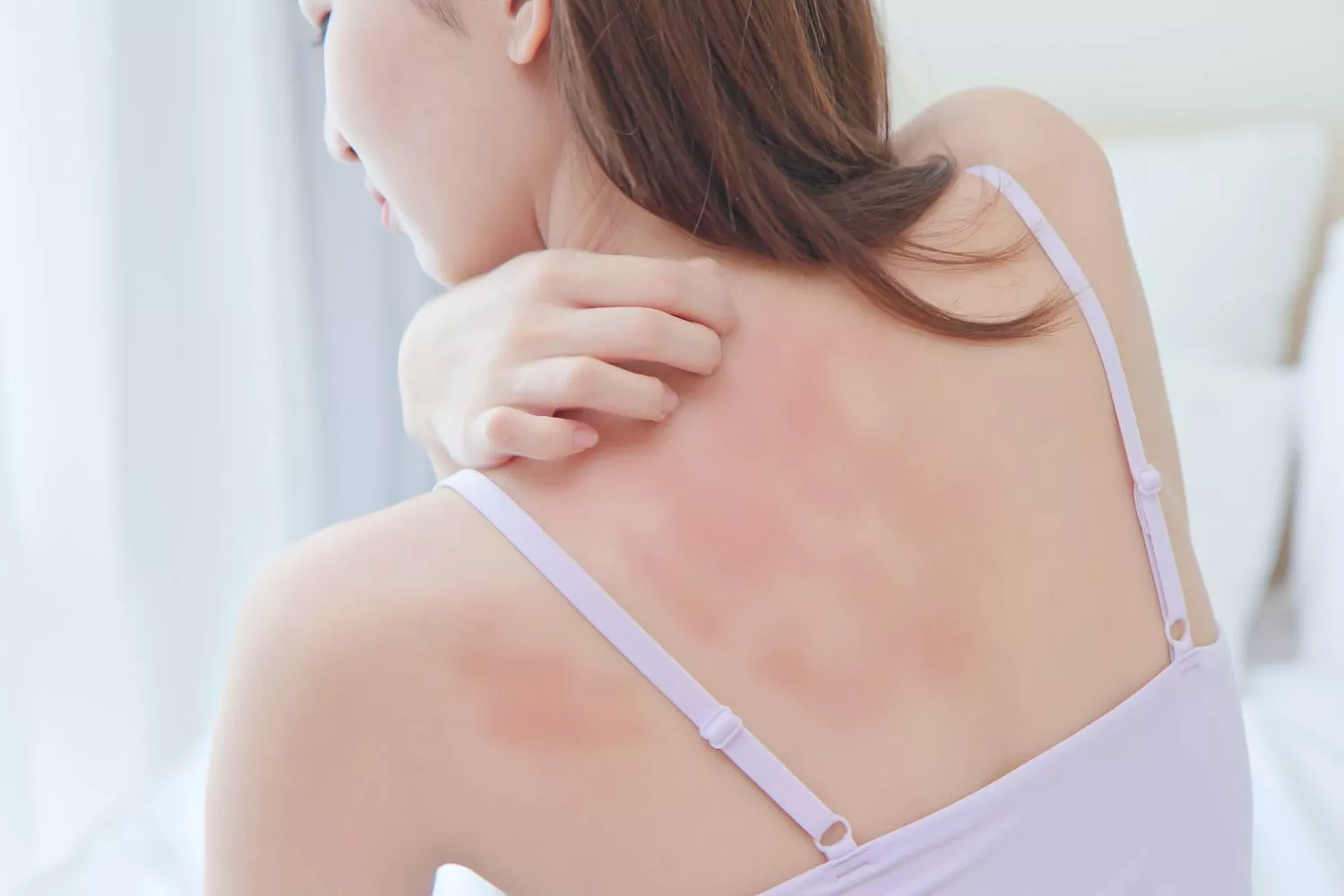
Finding a sudden, unexplained rash on your body can be an unsettling experience. As someone who focuses on women’s health, I know that our skin often acts as a mirror to our internal well-being. When a large, scaly patch suddenly appears on your abdomen or back, your first instinct might be worry. However, if that patch is followed by a series of smaller spots in a specific shape, you may be dealing with pityriasis rosea. While the name sounds complex, and the appearance can be dramatic, it is generally a harmless condition that requires more patience than intensive medical intervention.
The annual incidence rate of this condition is approximately 170 cases per 100,000 persons, meaning it is more common than many realize. It often follows a seasonal epidemiology, with peaks seen in the spring and autumn months. While scientists are still pinpointing the exact cause, many experts believe it is linked to a viral reactivation, specifically Human herpesvirus 6 or 7.
Identifying the First Sign: The Herald Patch
The journey of pityriasis rosea almost always starts with a single precursor known as the herald patch. For many women, this is the most confusing stage. You might find a single, isolated spot and mistake it for a patch of dry skin or even ringworm. Identifying the first herald patch is crucial for an accurate diagnosis.
This initial mother patch is typically oval or circular, ranging from 2 to 10 centimeters (about 1 to 4 inches) in diameter. It most commonly appears on the trunk, though it can occasionally be found on the neck or proximal extremities. What makes it unique is the scale morphology. If you look closely at the edges, you will notice a fine, translucent, "collarette" scale that is attached at the periphery but loose toward the center. Some clinicians describe the center of the patch as having a thin, wrinkled texture—almost like a cigarette-paper scale.
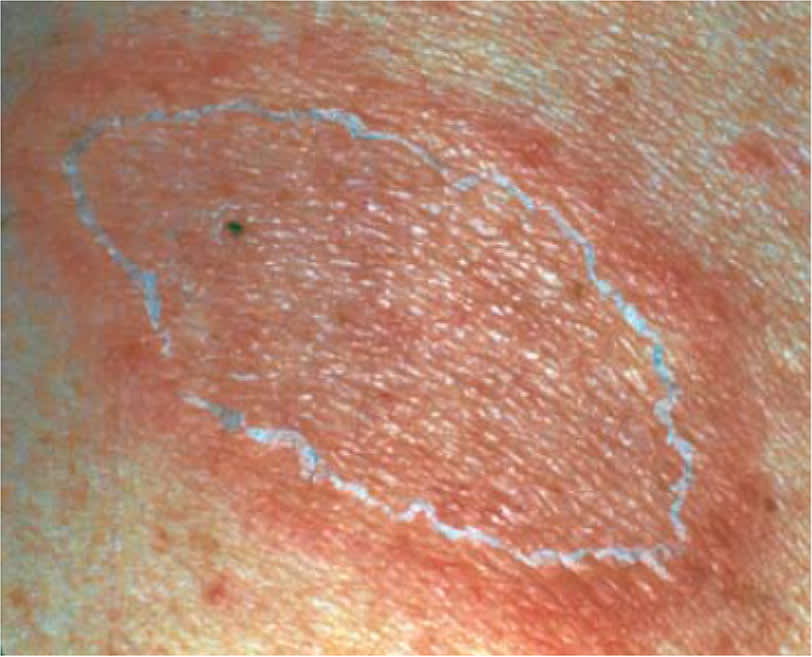
Before this patch even appears, some people experience a prodromal phase. You might feel a bit "off" for a few days, experiencing mild flu-like symptoms such as a low-grade fever, fatigue, a sore throat, or even slight joint pain. These herald patch symptoms are the body’s early warning system before the dermatological manifestation takes center stage. Because the initial patch is rose-colored plaques on lighter skin or perhaps a more violet or brown hue on darker skin, it can look quite different depending on your complexion.
The Secondary Eruption: The Christmas Tree Rash
Approximately one to two weeks after the herald patch makes its debut, a secondary eruption occurs. This is when the condition becomes much more visible and takes on its most famous form. Dozens of smaller, oval-shaped spots begin to bloom across the torso, arms, and thighs.
The most striking feature of this stage is the Christmas tree pattern rash distribution. These secondary lesions do not appear randomly; instead, they align themselves along the Langer lines of cleavage. These are the natural lines of skin tension that run horizontally or diagonally across our bodies. On the back, this creates a symmetrical, downward-pointing distribution that resembles the branches of a fir tree.
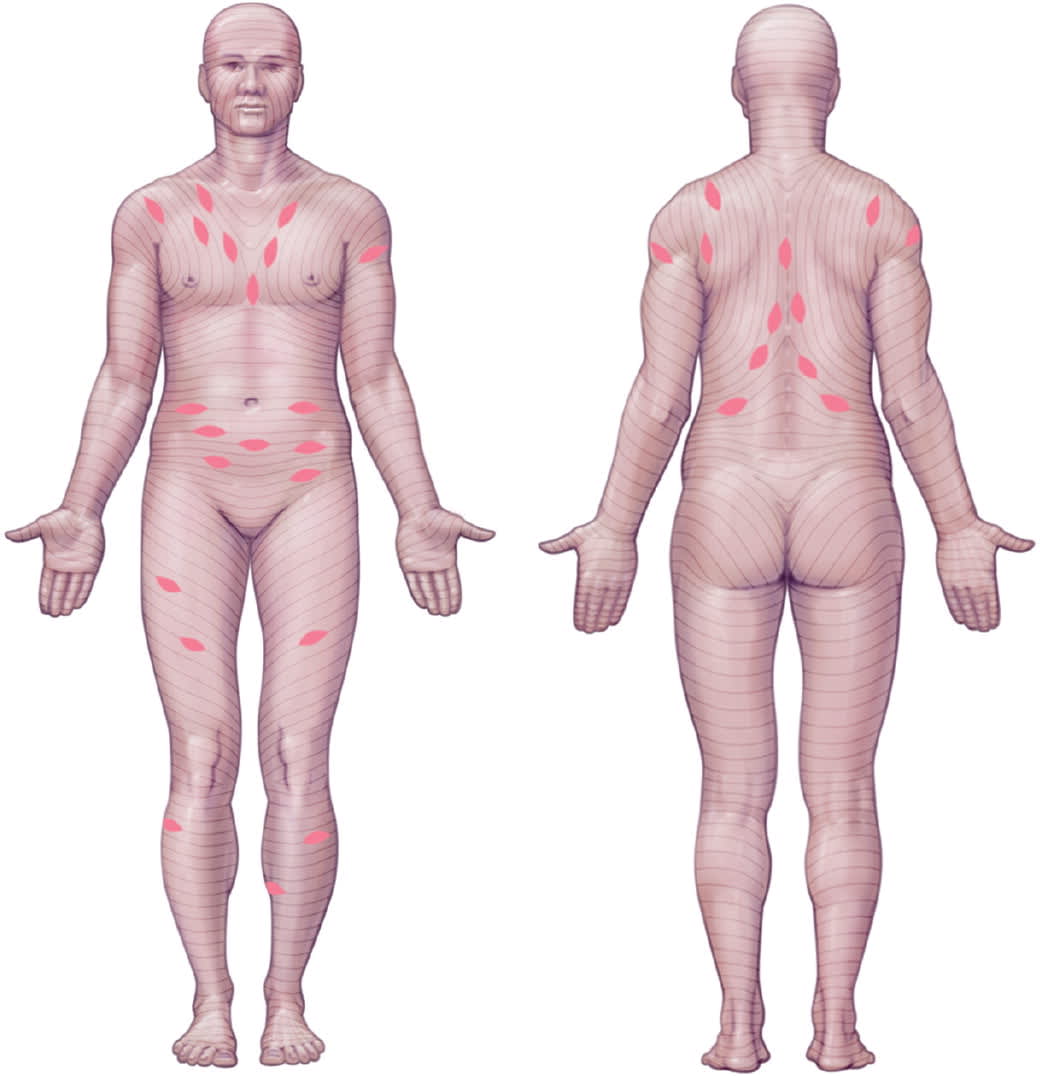
During this phase, the Christmas tree rash pattern can be accompanied by significant itching, known as pruritus. About half of those affected report some level of itching, which can worsen with physical activity, heat, or stress. It is important to note that while the rash looks extensive, it is a self-limiting condition. Your body is essentially running through a programmed viral response, and the rash will eventually fade on its own.
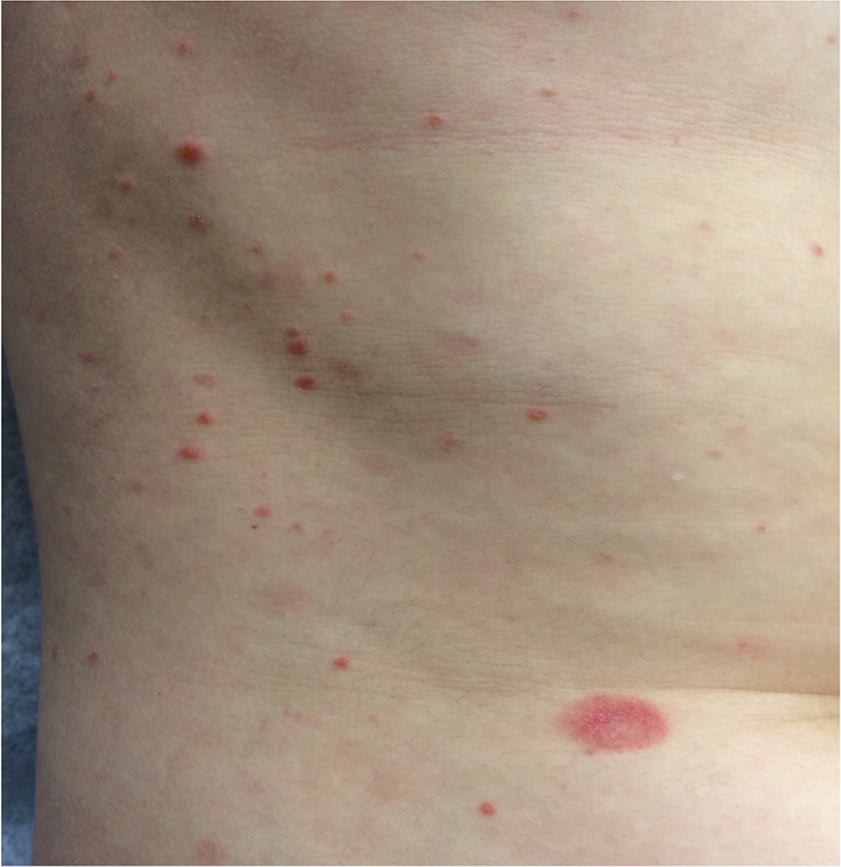
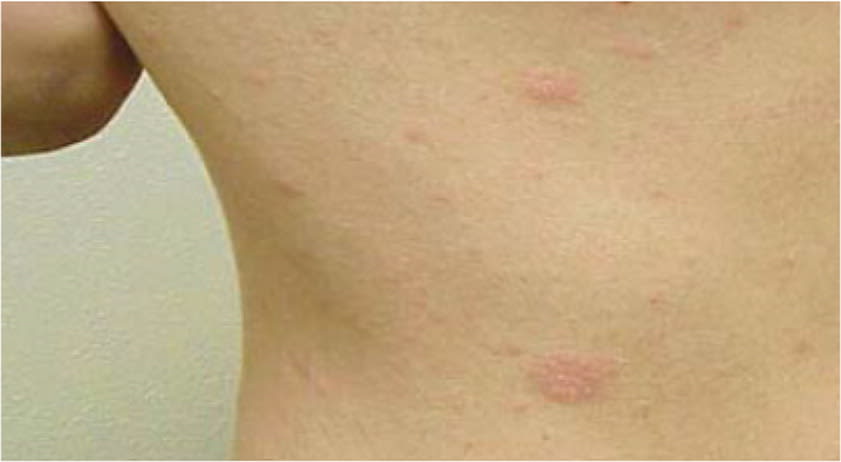
The thoracic distribution is the classic presentation, but visual diversity is important. On darker skin tones, the rash might present as hyperpigmented (darker) spots rather than salmon-colored ones. These spots may also be more papular (bumpy) rather than scaly, making the diagnosis slightly more challenging without a professional dermatological evaluation.
Pityriasis Rosea vs. Hives and Ringworm
Because many skin conditions involve red, scaly spots, distinguishing hives and pityriasis rosea (or differentiating it from fungal infections) is a common concern for patients. Understanding the physical characteristics can save you unnecessary stress and help you avoid using the wrong treatments, like over-the-counter antifungal creams that won't work on a viral rash.
| Feature | Pityriasis Rosea | Hives (Urticaria) | Ringworm (Tinea Corporis) |
|---|---|---|---|
| Primary Shape | Oval with a "collarette" scale | Raised, irregular welts (wheals) | Circular "ring" with clear center |
| Duration | Weeks (6-12 weeks) | Transient (disappears in 24h) | Persistent until treated |
| Pattern | Symmetrical Christmas tree | Random distribution | Usually isolated or few clusters |
| Contagious | No | No | Yes (fungal) |
| Scale | Fine, cigarette-paper texture | None | Heavy, crusty edge |
The major difference between pityriasis rosea and hives is the lifespan of the lesions. Hives are notoriously fleeting; they pop up and vanish within hours, only to reappear elsewhere. In contrast, pityriasis rosea lesions are fixed. Once they appear, they stay in that exact spot, slowly evolving through their healing stages. Furthermore, ringworm usually features a very distinct central clearing where the skin looks healthy in the middle of the circle, whereas the spots in pityriasis rosea remain scaly across most of the surface.
Duration and Management: How to Find Relief
The most difficult part of dealing with this condition is often the pityriasis rosea duration and healing stages. It is a slow process. The rash usually reaches its peak around week three or four and then begins a gradual fade. Complete clearance typically occurs within six to eight weeks, though in some cases, it can linger for up to three months.
While there is no "cure" to make the rash disappear instantly, there are several practical ways to relieve pityriasis rosea itching and manage the discomfort:
- Temperature Control: Heat is a known trigger for itching. Keep your showers lukewarm or cool, and avoid intense exercise that causes excessive sweating during the peak of the rash.
- Soothing Baths: Adding colloidal oatmeal to a lukewarm bath can significantly calm inflamed skin.
- Wardrobe Choices: Opt for loose-fitting, breathable cotton clothing. Synthetic fabrics like polyester can trap heat and irritate the lesions.
- Topical Moisture: Use fragrance-free, hypoallergenic moisturizers to keep the skin from becoming overly dry and brittle.
- Antihistamine Relief: Over-the-counter antihistamines may help reduce the sensation of itching, especially at night when it might interfere with sleep.
For severe cases, a doctor might recommend more active pruritus management. This could include prescription-strength steroid creams or, in some instances, a short course of Acyclovir. Some studies suggest that if Acyclovir is started very early in the progression, it might slightly shorten the duration of the eruption, though this is usually reserved for extensive or particularly symptomatic cases.
Special Considerations: Pregnancy and Atypical Cases
While the standard presentation covers most people, there are atypical pityriasis rosea locations face and neck that can occur. In children or certain ethnic groups, the rash might be "inverse," appearing on the armpits, groin, and face while sparing the trunk. If you notice a rash that doesn't follow the typical pattern but has the characteristic scale, it still warrants a professional look.
A critical point for my readers to understand involves pregnancy. If you are pregnant and suspect you have developed this rash, please contact your OB-GYN or dermatologist immediately. While the rash is usually harmless for the mother, some clinical evidence suggests that contracting pityriasis rosea—especially within the first 15 weeks of pregnancy—may be associated with a higher risk of spontaneous abortion or premature delivery. Your medical team may choose to monitor you more closely or provide specific antiviral treatments as a precaution.
If the rash does not clear up within three months, or if it is extremely painful rather than itchy, a dermatological evaluation is necessary. A doctor may perform a KOH prep to rule out fungal infections or a skin biopsy to ensure it isn't a different papulosquamous disorder like psoriasis or secondary syphilis, which can sometimes mimic the Christmas tree pattern.
FAQ
What is the main cause of pityriasis rosea?
The exact cause is not fully understood, but it is widely believed to be triggered by a viral infection. Specifically, the reactivation of Human herpesvirus 6 (HHV-6) or Human herpesvirus 7 (HHV-7) is the most likely culprit. Unlike the viruses that cause cold sores or chickenpox, these strains are common and usually stay dormant in the body until triggered.
How long does pityriasis rosea typically last?
For most people, the condition follows a timeline of 6 to 8 weeks. However, it can occasionally last as long as 12 weeks. The rash usually fades without leaving any permanent scars, though some people may experience temporary light or dark spots (post-inflammatory hyperpigmentation) that eventually even out.
Is pityriasis rosea contagious?
No, pityriasis rosea is not considered contagious. Even though it is likely linked to a virus, it does not spread through physical contact, respiratory droplets, or sharing personal items. You do not need to isolate yourself or worry about passing it to family members or coworkers.
What does the herald patch of pityriasis rosea look like?
The herald patch is a single, large, oval-shaped lesion that is usually 2 to 10 centimeters wide. It often has a pink or salmon-colored appearance on light skin and a darker brown or violet tone on dark skin. A hallmark feature is the fine, "collarette" ring of scale just inside the border of the patch.
How can I stop the itching from pityriasis rosea?
You can manage the itch by taking lukewarm oatmeal baths, applying fragrance-free moisturizers, and wearing loose cotton clothing. Over-the-counter antihistamines or mild hydrocortisone creams can also provide relief. Avoid hot water and vigorous exercise, as heat and sweat tend to make the itching more intense.
Can you get pityriasis rosea more than once?
It is very rare to get pityriasis rosea more than once. Most individuals develop a long-term immunity after their first experience with the condition. Only about 2% to 3% of people report a recurrence later in life.