Quick Facts
- Primary Cause: Skin purging occurs when active ingredients like retinoids or acids speed up the cell turnover rate; breakouts are a reaction to pore-clogging or irritating ingredients.
- Frequency: Approximately 20% to 25% of individuals will experience a temporary flare-up when starting a high-efficacy treatment.
- Location Check: Purging typically happens in "usual" zones where you already have congestion; breakouts appear in new, previously clear areas.
- Duration: A true purge aligns with the skin's natural renewal cycle and should resolve within 4 to 6 weeks.
- Visual Cues: Purging often looks like small whiteheads or micro-comedones that surface quickly and disappear just as fast.
- When to Stop: If inflammation lasts beyond eight weeks, or if you experience hives and intense burning, it is a breakout or an allergic reaction, not a purge.
Skin purging vs breakout is distinguished by the cause and location of the blemishes. Purging occurs when active ingredients like retinoids or AHAs accelerate cell turnover, pushing existing micro-comedones to the surface in areas where you typically experience congestion. In contrast, a breakout is a reaction to a new product that causes new clogs or irritation, often appearing in areas that are usually clear and persisting longer than a standard purge.
Starting a new skincare routine is often filled with hope. We imagine waking up with that elusive "glass skin" glow, but for many women, the reality is a sudden, frustrating cluster of small bumps. It is heart-wrenching to feel like the product you invested in—and the skin you’ve been nurturing—is suddenly betraying you. As a women's health editor, I have seen countless readers give up on life-changing ingredients just as they were about to turn a corner. Understanding how to tell if skin is purging or breaking out is the key to staying patient and protecting your moisture barrier.
The 3-Pillar Test: Identifying the Signs of Skin Purging
When you are staring in the mirror at a new blemish, it is hard to stay clinical. However, determining if you are dealing with a standard breakout or signs of skin purging requires a bit of detective work. To simplify this, I recommend the 3-Pillar Test, which looks at location, duration, and the type of product you have recently introduced.
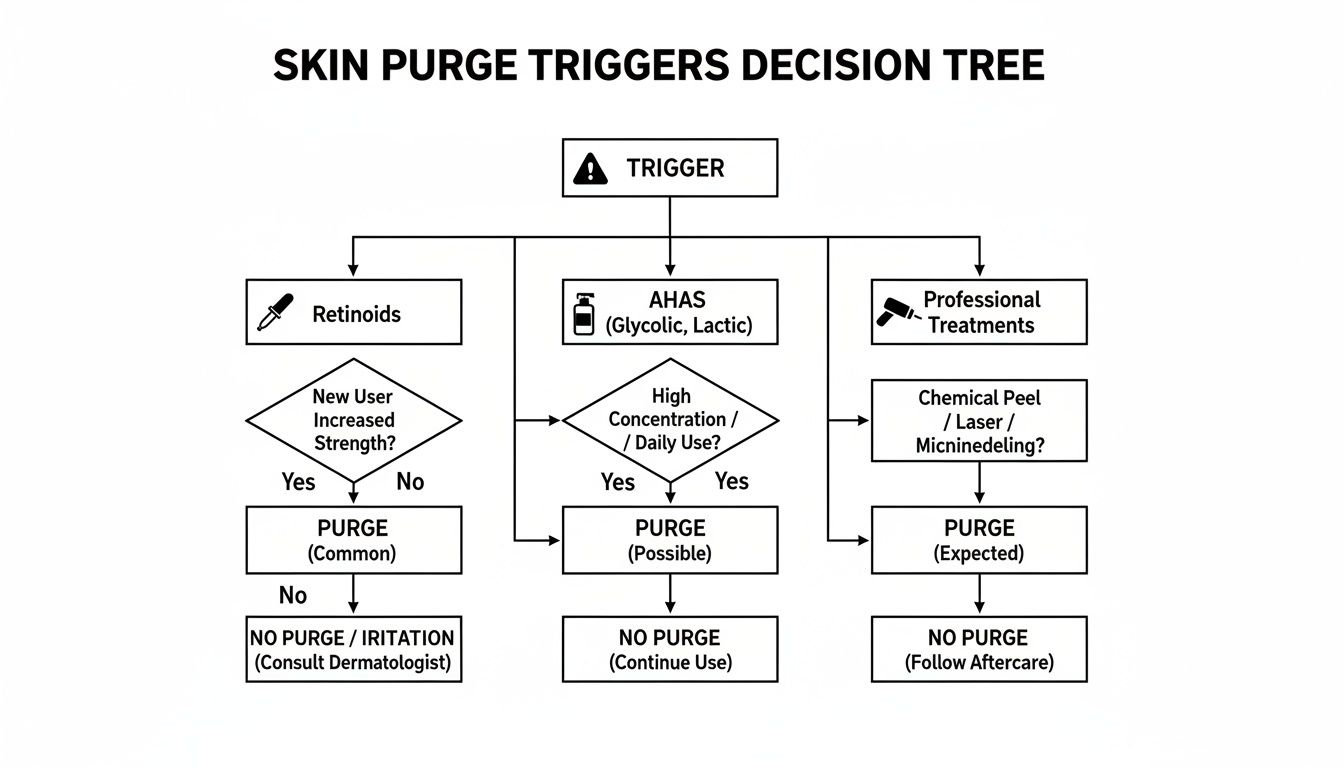
A true purge only happens when you introduce active ingredients that influence the cell turnover rate. If you have just started using a basic moisturizer or a gentle oil cleanser and you begin to see bumps, that is almost certainly a standard breakout or an allergic reaction. Active ingredients that trigger purging include retinoids (like retinol, tretinoin, and adapalene), alpha hydroxy acids (glycolic or lactic acid), beta hydroxy acids (salicylic acid), and even some forms of vitamin C.
| Feature | Skin Purging | Standard Breakout / Irritation |
|---|---|---|
| Primary Cause | Accelerated cell turnover pushing up deep clogs. | New pore clogs or inflammatory reaction. |
| Typical Location | Areas where you usually get acne (the "usual suspects"). | Random locations or areas that are usually clear. |
| Appearance | Small whiteheads, blackheads, or tiny bumps. | Inflamed papules, painful cystic acne, or hives. |
| Healing Time | Resolves quickly (sometimes in just a few days). | Lingers for weeks and may leave scars. |
| Active Trigger | Requires active ingredients like retinoids or AHAs. | Can be caused by oils, thick creams, or fragrances. |
One of the most revealing signs is the skin purging location vs acne breakouts. If you traditionally struggle with congestion on your chin and you start a retinol, seeing new whiteheads on your chin is a classic sign of purging. However, if you suddenly develop deep, painful bumps on your forehead—an area where you never break out—your skin is likely reacting poorly to the formula itself.
Why It Happens: The 'Spring-Cleaning' Mechanism
To understand purging, think of your skin like a conveyor belt. Deep within your pores, tiny clogs known as micro-comedones are already forming, even if you can't see them yet. Under normal circumstances, these clogs take weeks to travel to the surface. When you introduce a product that increases the cell turnover rate, you are essentially hitting the "fast-forward" button on that conveyor belt.
This process is often referred to as "spring-cleaning." The active ingredients are not creating new acne; they are simply forcing the existing "junk" in your pores to the surface all at once. This is particularly common during retinization, the period where your skin adapts to a new retinoid. While it feels like your skin is getting worse, it is actually clearing out its "inventory" of deep-seated clogs.
This is a biological necessity for long-term clarity. By flushing out the micro-comedones now, you are preventing larger, more inflammatory breakouts from forming later. It is a temporary "worse before it's better" scenario that requires a great deal of emotional resilience.

The 8-Week Roadmap: Skin Purging Timeline for Retinol Users
Patience is the hardest part of skincare. Most women stop using a product during the peak of the purge, thinking the product is failing, when in reality, they were just days away from seeing results. Knowing the skin purging timeline for retinol users can help you manage your expectations.
The standard skin purging timeline generally lasts between four to six weeks, matching the 28-to-40-day cycle of epidermal regeneration. Here is what you can expect:
- Phase 1: The Grumble Phase (Weeks 1-2): You might notice your skin feeling slightly tight or dry. A few small whiteheads begin to appear in your typical "trouble zones." This is the conveyor belt beginning to speed up.
- Phase 2: The Peak Phase (Weeks 3-4): This is when the purge is most visible. You may see an increase in small bumps. It is vital to continue with your routine but prioritize moisture barrier repair to keep irritation at bay.
- Phase 3: The Clear Phase (Weeks 6-8): By the sixth week, the rate of new blemishes should drastically slow down. The skin texture begins to smooth out, and the "glow" associated with healthy cell turnover starts to emerge.
Dermatologists generally follow the "6-week rule." If you are still seeing new, inflammatory lesions beyond eight weeks, it is time for a dermatological evaluation. At that point, the product is likely causing standard acne rather than a temporary purge.
How to Manage the Purge: Skincare Routine Adjustments
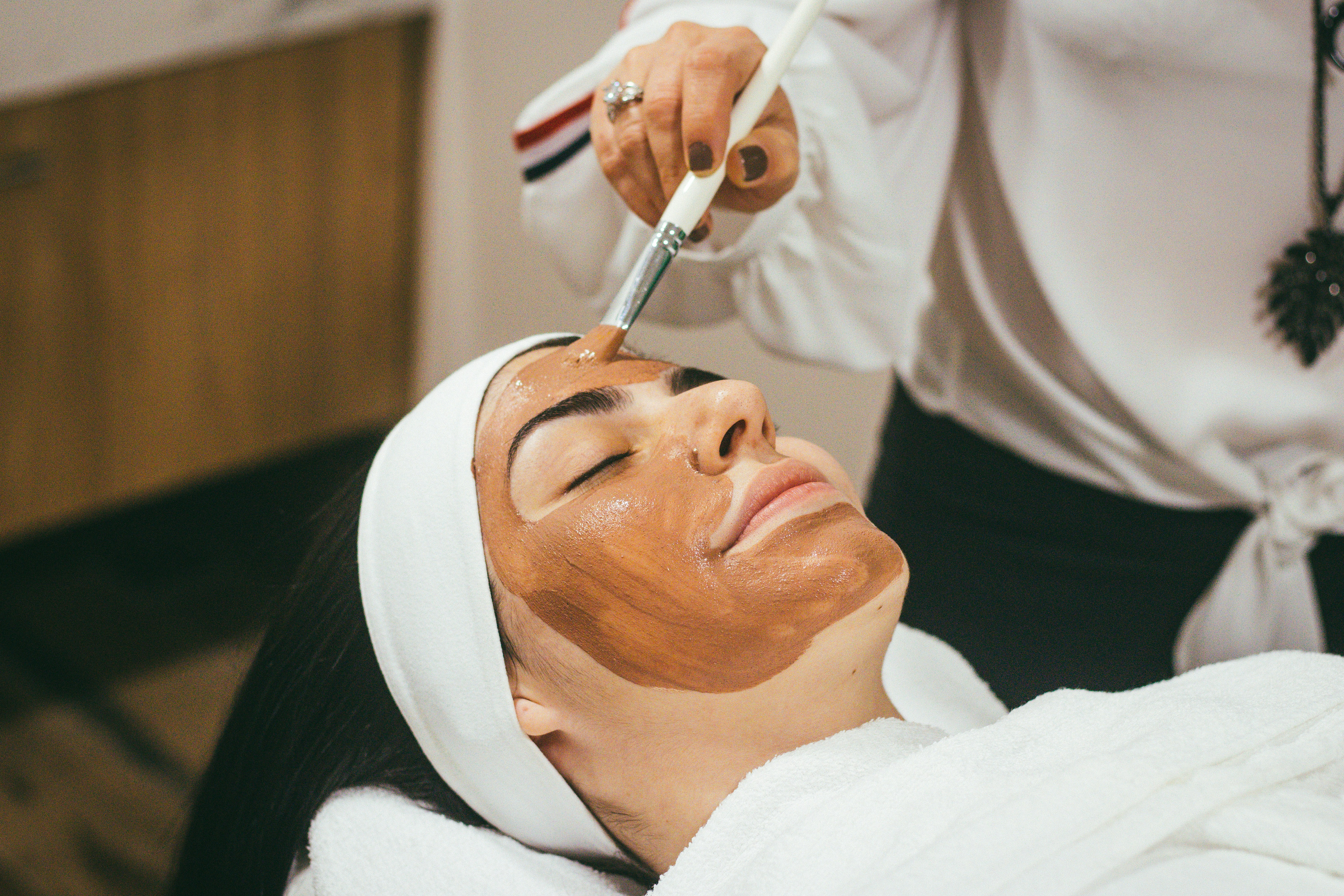
While you can't entirely skip the purging phase, you can certainly make it more comfortable. Treating skin purging isn't about adding more acne-fighting products; it’s about supporting your skin barrier function while the active ingredients do their work.
One of the most effective skincare routine adjustments during skin purging is the "Sandwich Method." This involves applying a layer of non-comedogenic moisturizer, then your active ingredient (like retinol), followed by another layer of moisturizer. This "buffer" can reduce the intensity of irritation by up to 35% without rendering the product ineffective. It slows the penetration of the active, making the transition smoother for your skin.
Sophie’s Pro Tip: Never apply active ingredients to damp skin. Water on the skin's surface can increase the absorption of acids and retinoids, leading to intense burning and barrier damage. Wait at least 20 minutes after washing your face before applying your treatment.
Keep the rest of your routine incredibly simple. Use a gentle, sulfate-free cleanser and a moisturizer rich in ceramides or panthenol to support moisture barrier repair. Avoid introducing any other new products, especially physical scrubs or harsh toners, while your skin is in this transition state.
Red Flags: Warning Signs to Stop Using a Product
It is important to remember that not all reactions are purges. Sometimes, a product simply doesn't agree with your unique biology. Recognizing the warning signs to stop using a purging product can save you from long-term skin damage and scarring.
A difference between skin purging and allergic reaction is the presence of itching and "hot" inflammation. If your skin feels like it is on fire, if you develop hives, or if you notice significant swelling, this is an inflammatory response that requires immediate attention.
Look out for these red flags:
- Persistent Redness: While a little pinkness is normal with retinol, a deep, angry red that doesn't fade is a sign of a compromised barrier.
- Rawness or Oozing: If your skin feels raw to the touch or starts to weep, stop the product immediately.
- Cystic Acne in New Areas: If you have never had cystic acne and it starts appearing in large, painful clusters on your cheeks (if they are usually clear), the formula is likely too heavy or irritating for your skin type.
If you suspect you've damaged your skin barrier, stop all actives immediately. Focus on "slugging" with a thin layer of a healing ointment at night and using only the most basic, fragrance-free products until the stinging sensation subsides.
FAQ
How can you tell the difference between skin purging and a breakout?
The main way to tell is by the location and the duration. Purging happens in areas where you usually get pimples and resolves quickly. Breakouts often appear in new locations where you are normally clear and tend to stay inflamed for longer. Additionally, purging only occurs when using ingredients that increase cell turnover like alpha hydroxy acids or retinoids.
How long does a skin purge typically last?
A skin purge usually lasts between 4 to 6 weeks. This timeline corresponds with your skin's natural renewal cycle, which is roughly 28 to 40 days. If the flare-up lasts longer than 8 weeks, it is likely a traditional breakout or a reaction to the product ingredients.
Does retinol cause purging or breakouts?
Retinol can cause both. It causes purging by accelerating the cell turnover rate, pushing deep-seated micro-comedones to the surface. However, it can also cause breakouts if the specific formula contains pore-clogging ingredients or if the concentration is so high that it severely damages your skin barrier function, leading to irritation-induced acne.
Is skin purging a good sign that a product is working?
While it is frustrating, purging is often a sign that the active ingredients are successfully stimulating the skin's "deep-cleaning" process. It shows the product is effectively increasing the cell turnover rate. However, not everyone will experience a purge; about 20% to 25% of individuals will see this reaction, while others may see improvements without any initial flare-up.
When should I stop using a product if I think I'm purging?
You should stop if you experience intense burning, swelling, or hives, as these are signs of an allergic reaction rather than a purge. You should also consider stopping if the breakouts are painful, cystic, and appear in brand-new locations, or if the skin hasn't started to clear after a full 8-week cycle.
Your skin is a living, breathing organ that is constantly communicating with you. When you introduce powerful actives, it's normal for there to be a period of adjustment. By staying informed and listening to those subtle cues, you can navigate the "grumble phase" with confidence, knowing that clearer, healthier skin is waiting for you on the other side. Stay patient, stay hydrated, and be gentle with yourself.