Quick Facts
- Preparation Time: 15 minutes
- Chilling Time: Minimum 1 hour
- Plant Points: 3-5 (depending on toppings)
- Core Benefits: High in monounsaturated fats and cocoa flavonoids
- Gut Impact: Supports microbiome diversity with prebiotic fiber
- Core Answer: To make Tim Spector’s chocolate olive oil mousse, melt 100g of dark chocolate (at least 70% cocoa) and stir in 2 tablespoons of extra virgin olive oil and maple syrup. In a separate grease-free bowl, whisk 140ml of room-temperature aquafaba for about five minutes until stiff peaks form. Gently fold the chocolate mixture into the aquafaba using a metal spoon to maintain the airy texture, then refrigerate in small glasses for at least one hour before serving.
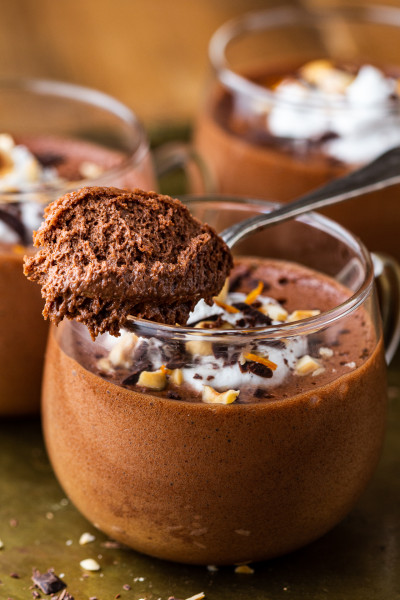
Indulging in dessert doesn't have to mean compromising your health. Tim Spector’s chocolate olive oil mousse is a masterclass in polyphenol rich desserts, proving that the right bioactive compounds can actually fuel your gut microbiome. By swapping heavy cream for extra virgin olive oil and eggs for aquafaba, this recipe offers a heart-healthy, plant-based alternative that supports metabolic health while satisfying your cravings. This chocolate olive oil mousse supports gut health by combining two polyphenol-rich ingredients: high-cocoa dark chocolate and extra virgin olive oil. These bioactive compounds serve as fuel for the gut microbiome and offer anti-inflammatory benefits. Additionally, topping the mousse with fiber-rich cherries and hazelnuts increases plant diversity, contributing to the goal of eating 30 different plants per week for optimal microbial diversity and metabolic health.
The Science of Polyphenol Synergy: Why This Mousse Matters
When we think about dessert, we rarely think about feeding our resident microbes. However, the Tim Spector chocolate mousse recipe is designed with the gut-brain axis in mind. The primary magic lies in the synergy between cocoa flavonoids and the monounsaturated fats found in high-quality oil. We often emphasize polyphenols because they are not just antioxidants; they are prebiotics that our human cells cannot fully digest, but our gut bacteria thrive on.
It is estimated that 90% to 95% of total dietary polyphenol intake reaches the colon, where it is transformed by resident microbiota into bioavailable and bioactive metabolites. This is a staggering figure that highlights why choosing polyphenol rich chocolate desserts for gut health is more than just a culinary trend—it is a metabolic necessity. When you consume high-cocoa dark chocolate, you are providing a concentrated source of these compounds. In fact, a randomized controlled trial found that daily consumption of 30 grams of 85% cocoa dark chocolate for three weeks significantly increased gut microbial diversity in healthy adults.
Furthermore, the addition of extra virgin olive oil introduces oleocanthal and other phenolic compounds that have potent anti-inflammatory effects. Total dietary polyphenol intake for a typical adult is approximately 1 gram per day, which is about 10 times higher than the intake of Vitamin C and 100 times higher than the intake of Vitamin E. By choosing this specific chocolate olive oil mousse, you are significantly boosting that daily quota in a single, delicious sitting.
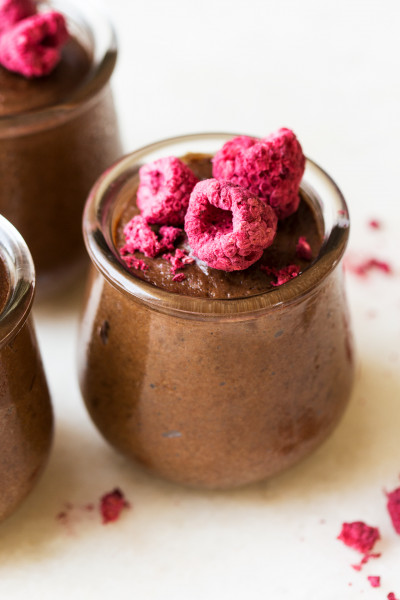
Step-by-Step: Tim Spector’s Chocolate Olive Oil Mousse Recipe
Creating a high-quality chocolate olive oil mousse requires attention to the quality of your ingredients. Since the oil is a cornerstone of the flavor profile, using the best extra virgin olive oil for chocolate mousse—one with a fruity or peppery finish—will elevate the dessert from simple to sophisticated.
The Ingredients
- 100g dark chocolate (minimum 70% cocoa solids, ideally 85% for maximum cocoa flavonoids)
- 140ml aquafaba (the liquid from a can of unsalted chickpeas, at room temperature)
- 2 tablespoons extra virgin olive oil
- 1 tablespoon maple syrup or raw honey (optional, for sweetness)
- A pinch of sea salt
- Optional: 1/2 teaspoon apple cider vinegar (to stabilize the foam)
Instructions
- Melt the Base: Break the dark chocolate into small pieces and melt it using a bain-marie (a bowl over a pot of simmering water) or in short 30-second bursts in the microwave. Once smooth, remove from heat.
- Emulsify: Gently stir in the extra virgin olive oil and maple syrup until the mixture is glossy and well-combined. Set aside to cool slightly; it should be warm but not hot to the touch.
- Whisk the Aquafaba: In a large, completely grease-free metal or glass bowl, begin whisking the chickpea brine. If you are using a hand mixer or stand mixer, start on a medium speed. Add the apple cider vinegar now if you are using it.
- Reach Stiff Peaks: Continue whisking for approximately five minutes. You are looking for the point where the foam holds its shape completely when the whisk is lifted. This is how to get stiff peaks with aquafaba for mousse successfully.
- The Lightening Step: Take one tablespoon of the whipped foam and stir it vigorously into the chocolate mixture. This lightens the dense chocolate and makes the subsequent folding much easier.
- The Gentle Fold: Using a metal spoon, gently fold the remaining aquafaba into the chocolate. Move the spoon in a figure-eight motion, cutting through the center and lifting from the bottom. This preserves the tiny air bubbles.
- Set and Serve: Divide the mixture into small ramekins or glasses. Refrigerate for at least one hour, though three hours is better for a firmer set.
| Nutrition Box: The Plant Point Counter | Value |
|---|---|
| Core Recipe (Chocolate, Oil, Aquafaba) | 2 Plant Points |
| Topping: Fresh Cherries | +1 Plant Point |
| Topping: Toasted Hazelnuts | +1 Plant Point |
| Topping: Pomegranate Seeds | +1 Plant Point |
| Total Potential Diversity | 5 Plant Points |
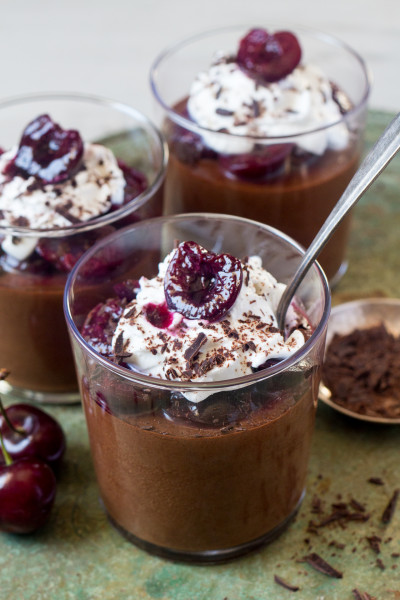
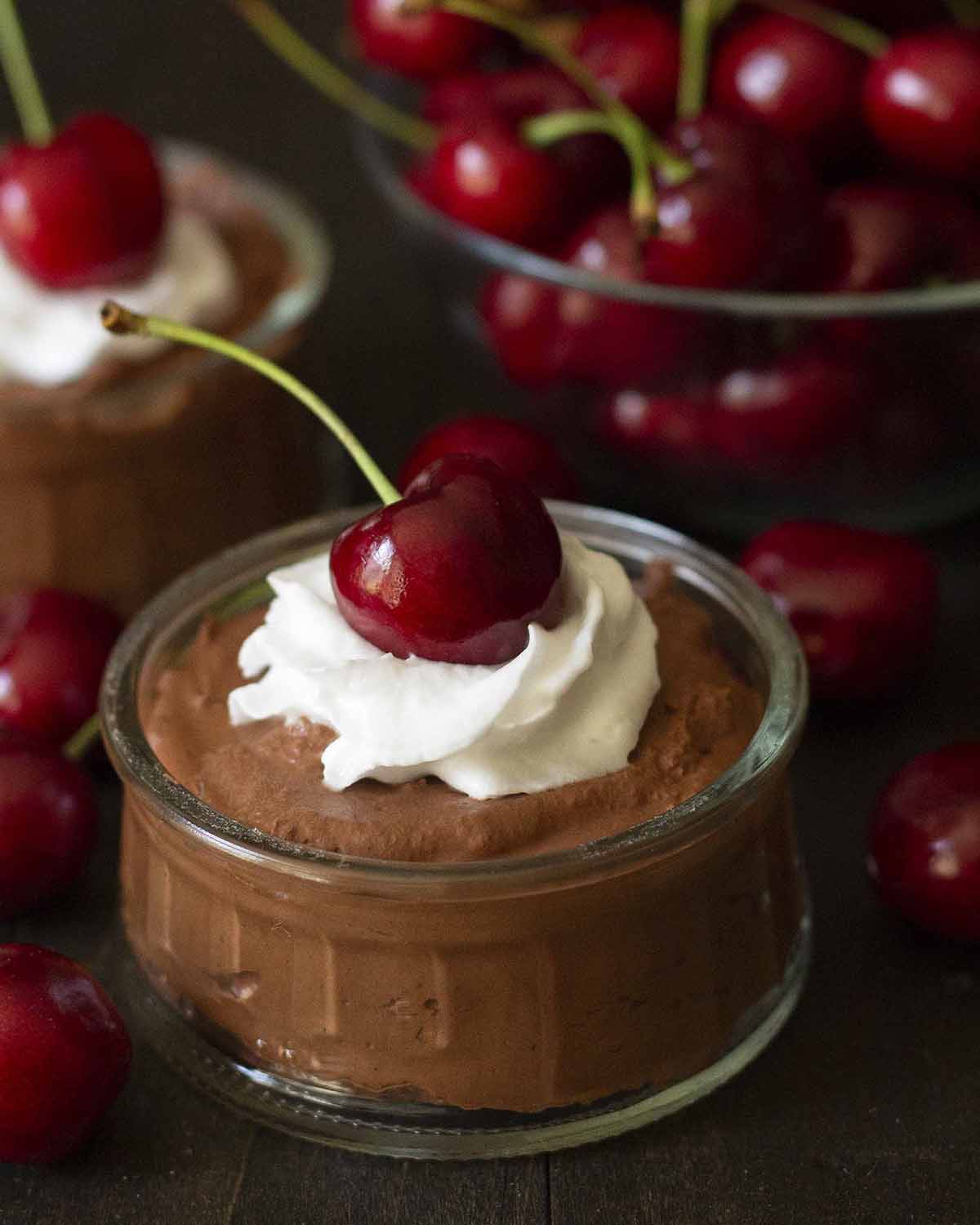
As we often discuss in ZOE nutrition science circles, the goal of eating 30 different plants per week is much easier to reach when you consider your toppings. This vegan chocolate mousse with cherries and hazelnuts recipe is a perfect example. The hazelnuts provide dietary fiber source and healthy fats, while the cherries add a different spectrum of anthocyanins.
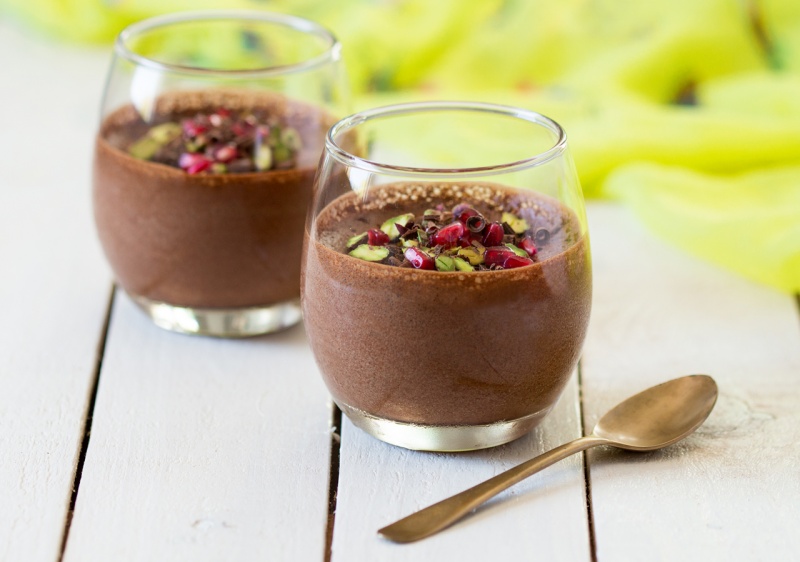
Master the Texture: Aquafaba Chocolate Mousse Tips
The most common hurdle in making a gut friendly dessert recipes for 30 plants a week is mastering the chickpea brine. Unlike egg whites, aquafaba can be a bit more temperamental if the conditions aren't perfect.
- Temperature Matters: Always ensure your chickpea liquid is at room temperature. Cold liquid takes longer to aerate and may not hold the structure once the chocolate is added.
- The Bowl Choice: Use a stainless steel or glass bowl. Plastic bowls often retain a microscopic film of oil, even after washing, which can prevent the proteins in the aquafaba from forming a stable bond.
- Folding technique: One of the best aquafaba chocolate mousse tips is to use a metal spoon rather than a silicone spatula. The thin edge of a metal spoon cuts through the foam without knocking out the air, which is essential for folding chocolate into aquafaba without losing air.
- Avoid Temperature Shock: If your melted chocolate is too hot, it will instantly deflate the air bubbles you worked so hard to create. If it is too cold, it will seize and create a grainy texture. Aim for "blood temperature"—warm enough to be fluid but not enough to sting.
Troubleshooting Table
| Issue | Likely Cause | Fix |
|---|---|---|
| Runny Mousse | Aquafaba not whisked to stiff peaks | Whisk for a full 5 minutes until it doesn't move when tilted. |
| Grainy Texture | Chocolate seized due to water or cold oil | Ensure all tools are dry and the oil is at room temperature. |
| Deflated Mousse | Folded too aggressively | Use a metal spoon and a slow figure-eight motion. |
| Oily Separation | Poor emulsification | Ensure the oil is whisked thoroughly into the chocolate before folding. |
FAQ
Does chocolate olive oil mousse taste like oil?
If you use a high-quality, fresh oil, the mousse will have a subtle fruity or floral undertone rather than a greasy taste. The chocolate remains the dominant flavor, but the oil provides a silky mouthfeel and depth that butter or cream cannot replicate.
What kind of olive oil is best for chocolate mousse?
Look for a high-quality extra virgin olive oil. A cold-pressed, single-origin oil often works best. If you prefer a milder flavor, choose a late-harvest oil which tends to be more buttery. If you like a bit of a "kick" that complements dark chocolate, a robust, early-harvest oil with peppery notes is excellent.
Is chocolate olive oil mousse healthier than traditional mousse?
Yes, from a metabolic health and microbiome perspective. Traditional mousse relies on heavy cream (saturated fat) and sugar. This version uses monounsaturated fats from olive oil and bioactive compounds from dark chocolate. It is also a great way to include more plant-based ingredients in your diet.
Can you make chocolate olive oil mousse without eggs?
Absolutely. This recipe uses aquafaba, which is the liquid left over from cooked chickpeas. It contains a unique mix of starches and proteins that mimic the foaming properties of egg whites, making it a perfect vegan alternative for a light, aerated texture.
Why is my chocolate olive oil mousse grainy?
Graininess usually happens if the chocolate "seizes." This occurs if even a drop of water gets into the melting chocolate, or if the olive oil was significantly colder than the chocolate when they were mixed. Ensure all your equipment is dry and your ingredients are at room temperature.
How long can you store chocolate olive oil mousse?
You can store chocolate olive oil mousse in the refrigerator for up to three days. Keep the glasses covered with reusable wrap or lids to prevent the mousse from absorbing other odors in the fridge. For the best texture, add your fresh toppings like cherries or nuts just before serving.