Quick Facts
- Primary Difference: Chickenpox is primarily a skin infection characterized by itchy blisters, while RSV is a respiratory virus where skin reactions are rare complications.
- Chickenpox Hallmark: The simultaneous presence of red bumps, fluid-filled blisters, and crusting scabs, known as asynchronous lesions.
- RSV Hallmark: Significant respiratory distress, including wheezing, persistent coughing, and congestion, with rashes occurring in fewer than 10% of cases.
- Rash Progression: Chickenpox usually starts on the torso and face before spreading outward; RSV-related skin issues are typically generalized hives or faint red spots.
- Contagion Window: Children with chickenpox are contagious one to two days before the first spot even appears.
- Safety Essential: Never administer aspirin to a child with a viral infection due to the risk of Reye syndrome; stick to child-safe fever reducers like acetaminophen.
- Vaccination Impact: In vaccinated children, breakthrough chickenpox often presents with fewer than 50 spots that look like simple bug bites rather than blisters.
Chickenpox is identified by its progression through three distinct stages: red bumps, fluid-filled blisters, and crusting scabs. A key diagnostic feature is the presence of all three stages simultaneously on the body. While viral rash identification can be stressful for parents, it is important to remember that RSV primarily targets the airways, and any accompanying rash is usually a secondary immune response rather than the main symptom.
Understanding RSV: Primarily Respiratory, Rarely Rashes
When we talk about the Respiratory Syncytial Virus, or RSV, we are discussing one of the most common causes of childhood respiratory illness. According to the World Health Organization, the Centers for Disease Control and Prevention estimate that approximately 58,000 children under the age of five are hospitalized annually due to the infection in the United States alone. Despite its prevalence, RSV is not traditionally known for causing skin issues.
For most children, RSV presents as a severe cold. You will likely notice a deep, barky cough, significant nasal congestion, and wheezing before you notice any change in the skin. However, in a small subset of patients, a rash can develop. Data shows that skin rashes are uncommon in RSV cases, with one study indicating that only approximately 1% of patients with RSV subtype A and 10% of those with RSV subtype B develop a rash.
When an RSV rash does occur, it is usually a maculopapular eruption. This means the rash consists of flat red areas covered with small bumps. Unlike the distinct, itchy blisters of chickenpox, an RSV-related rash may look more like a reaction to a fever or a mild case of hives. It is rarely the primary concern for the healthcare provider, as they will be more focused on the respiratory complications that often accompany the virus. If your child is struggling to breathe or has a high fever that won't break, the skin symptoms are secondary to the urgent need for respiratory support.
Identifying Chickenpox: The 'Dew Drop' Progression
If RSV is the king of the respiratory tract, the Varicella-zoster virus is the master of the skin. Chickenpox follows a very specific viral skin rash progression stages timeline that makes it relatively easy to distinguish once the spots appear. In my years of looking at preventive health, I always tell parents to look for the "dew drop on a rose petal" appearance. This classic description refers to a clear, fluid-filled vesicle sitting on top of a small, red, inflamed base.
The childhood viral rash symptoms of chickenpox typically follow a predictable path:
- Small, itchy red bumps (papules) appear first.
- These bumps quickly turn into fluid-filled blisters (vesicles) within a few hours.
- The blisters eventually break and leak, forming a dry crust or scab.
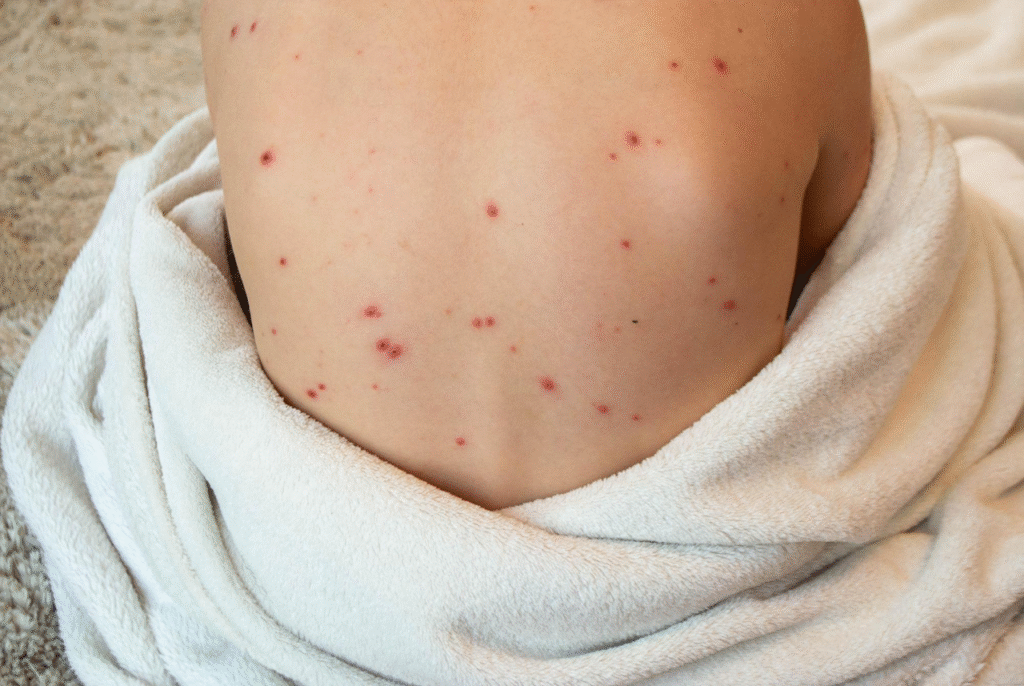
What makes chickenpox unique is the asynchronous nature of the lesions. On a single patch of skin, such as the stomach or back, you might see all three stages at once: a fresh red bump, a clear blister, and a dry scab. This pattern is a hallmark of viral rash identification for Varicella.
The volume of the rash also provides a clue. Research suggests that a chickenpox rash typically results in 250 to 500 fluid-filled blisters in unvaccinated individuals. However, we must consider the immunization status of the child. For those who have received the Varicella vaccine, breakthrough cases can occur. In these instances, the child might have fewer than 50 lesions, and the spots may look more like maculopapular eruption rather than the classic watery blisters. This can make identifying chickenpox rash on face vs torso more difficult, as the spots may look remarkably like mosquito bites or a mild heat rash.
Early Signs: What Happens Before the Spots Appear
As a lifestyle and preventive care editor, I believe the most important period of any illness is the prodromal phase. This is the 24-to-48-hour window before the visible rash emerges. During this time, the body is already fighting the infection, and the child is often at their most contagious. Recognizing these early signs of viral rash before spots appear can help you isolate the child sooner and prevent the spread to classmates or vulnerable family members.
Common early symptoms include:
- A mild to moderate fever that stays consistent.
- General fatigue or a noticeable "slump" in energy levels.
- A decrease in appetite or a refusal of favorite snacks.
- Complaints of a headache or general muscle aches.
In the case of chickenpox, these systemic symptoms almost always precede the itchy red spots. For RSV, the prodromal phase looks much more like a typical flu, with sneezing and a runny nose being the primary indicators. The incubation period for chickenpox is quite long, usually 10 to 21 days after exposure, whereas RSV symptoms typically appear within 4 to 6 days after the virus enters the body. Understanding this timeline is a crucial part of any childhood viral rash identification guide for parents, as it helps you trace back when and where your child might have been exposed.
Distinguishing Other Common Viral Rashes
While the RSV vs chickenpox rash symptoms comparison is a common concern, other childhood viruses can cause confusion. As we navigate a skin rash progression guide, we must mention Roseola and Measles, as their patterns often mimic the more common infections.
Roseola is famous for its sudden onset. A child will typically run a very high fever for three to five days with almost no other symptoms. Once the fever breaks suddenly, a pink, patchy rash appears on the trunk and spreads outward to the limbs. This "fever first, rash later" pattern is very different from chickenpox, where the fever and rash often overlap.
Measles, on the other hand, presents a more severe clinical picture. The rash usually begins at the hairline and moves downward, covering the entire body over several days. It is accompanied by high fever, cough, runny nose, and conjunctivitis (pink eye). A unique sign of measles is the presence of Koplik spots—small white spots inside the cheeks that look like grains of salt. By tracking these specific patterns, parents can provide better information to their pediatrician, aiding in a more accurate differential diagnosis.
Safety First: Management and When to Seek Medical Care
Managing a viral illness at home requires a blend of clinical monitoring and holistic comfort. The primary goal is to prevent secondary skin infection and keep the child hydrated and comfortable. When a child has an itchy rash like chickenpox, the temptation to scratch can lead to bacteria entering the skin, causing more serious issues like cellulitis.
For fever management, use acetaminophen. It is vital to emphasize: never give aspirin to a child with a viral rash. This is due to the risk of Reye syndrome, a rare but potentially fatal condition that causes swelling in the liver and brain. Instead, focus on supportive care:
- Cool Baths: Lukewarm baths with added colloidal oatmeal or baking soda can significantly reduce the itch of vesicular lesions.
- Hydration: Encourage small, frequent sips of water, electrolyte solutions, or herbal teas to support the immune system.
- Trim Nails: Keeping a child's fingernails short or having them wear soft cotton mittens at night can prevent them from breaking the blisters and causing scabs to fall off prematurely.
- Environmental Comfort: For RSV-related symptoms, using a cool-mist humidifier can help soothe the airways and make breathing easier, which in turn helps the child get the rest they need for recovery.
While most viral rashes are self-limiting and will resolve on their own, you should know when to see a doctor for childhood viral rash. Seek medical attention immediately if your child experiences difficulty breathing, persistent wheezing (which may indicate severe respiratory complications from RSV), or if the rash becomes excessively red, warm, and starts oozing yellow pus, suggesting a secondary infection.

FAQ
How do you identify a viral rash in children?
Identifying a viral rash involves looking at the color, texture, and location of the spots, as well as the symptoms that accompanied them. Viral rashes often appear symmetrically on both sides of the body and are frequently preceded by a fever or cold-like symptoms. You should note whether the spots are flat, raised, or fluid-filled, and whether they stay in one place or spread in a specific direction.
How long does a viral rash usually last?
Most viral rashes are temporary and will last anywhere from three to seven days. Chickenpox has a longer lifecycle because the blisters must all crust over, which can take up to two weeks from the first spot to the final scab. If a rash persists for more than 10 days without improvement, it is a good idea to consult a healthcare provider to rule out other causes.
Are viral rashes usually itchy or painful?
It depends on the virus. Chickenpox is notoriously itchy, which is why preventing scratching is such a high priority. RSV rashes or the rash associated with Roseola are usually not itchy or painful and may not even be noticed by the child. However, if a rash is accompanied by a burning sensation or extreme tenderness, it may indicate a different type of infection or a secondary skin complication.
When should I see a doctor for a skin rash?
You should contact a pediatrician if the rash is accompanied by a high fever that won't come down, if the child appears lethargic or dehydrated, or if the rash spreads very rapidly. Additionally, any rash that does not blanch (turn white when you press on it) requires immediate medical evaluation, as this can be a sign of a more serious underlying condition.
Can a virus cause a rash without a fever?
Yes, it is possible for a virus to cause a rash without a high fever, though it is less common in typical childhood infections like chickenpox or Roseola. Sometimes, a child may have had a very mild fever that went unnoticed before the rash appeared. In other cases, the rash might be an immune response to a virus the body is already successfully fighting.
Conclusion
Navigating the world of childhood illnesses can feel overwhelming, but having a clear viral rash identification strategy can bring much-needed peace of mind. Whether you are dealing with the rare skin reaction of RSV or the classic, itchy progression of chickenpox, the keys are observation and gentle care. By recognizing the skin rash progression guide early on—from that first mild fever to the final stage of blister crusting—you can better support your child's recovery and maintain a healthy, low-stress household. Remember that your intuition as a parent is a powerful tool; if something doesn't feel right, always reach out to a professional to ensure your little one is on the right path to wellness.