Quick Facts
- Top Variation for Activation: Standard Barbell Row (High overall muscle recruitment)
- Best for Power: Pendlay Row (Utilizes a dead-stop for explosive force)
- Best for Lower Back Safety: Chest-Supported Row (Reduces spinal loading)
- Intermediate 1RM Standard: 215–235 lbs (Based on body weight and training age)
- Primary Muscles: Latissimus dorsi, rhomboids, and trapezius
- Key Form Tip: Maintain a neutral spine and a consistent 45-degree hip hinge
- Scientific Insight: Standing rows can generate 3,576 N of compressive force on the spine
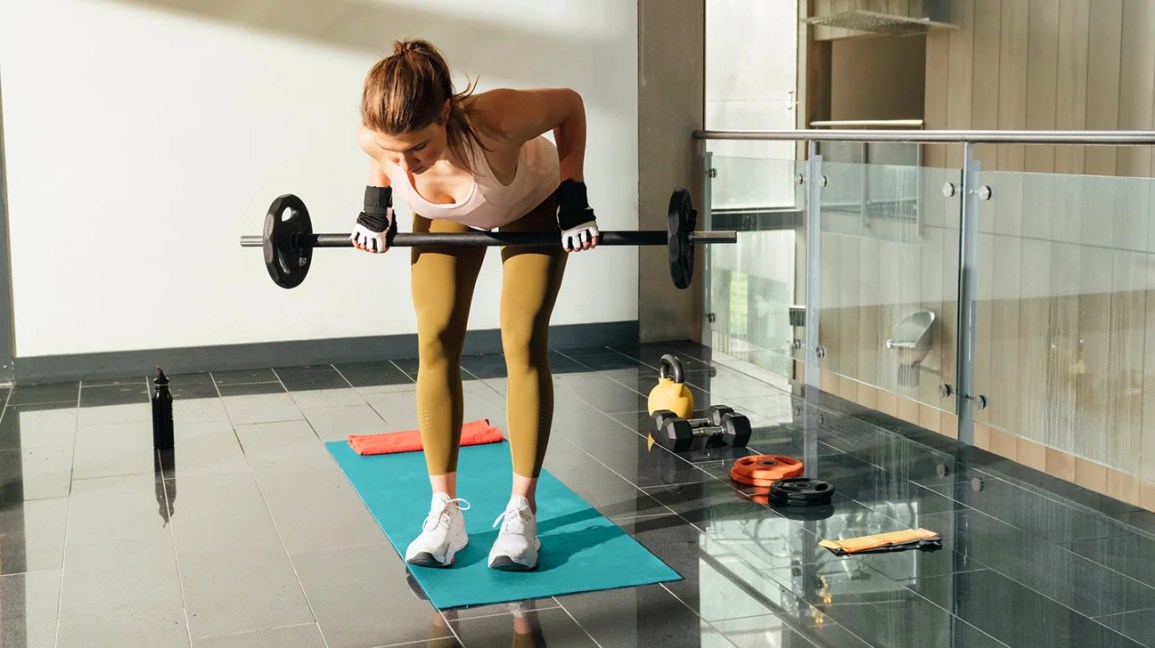
Bent over row variations primarily target the latissimus dorsi and rhomboids to build back thickness. Using proper bent over barbell row form for upper back muscles involves a strong hip hinge and core bracing to stabilize the posterior chain, ensuring the weight is moved by the back rather than momentum.
The Classic Barbell Row: The Gold Standard for Hypertrophy
If you are looking to pack on serious mass, the standard barbell row remains the undisputed king of back exercises. It is a compound movement that requires significant core bracing and stability, making it as much a total-body challenge as it is a back builder. When you perform this move, you are engaging a massive amount of musculature, from your hamstrings holding the hinge to your traps finishing the pull.
The primary difference in how you execute this move often comes down to your hand placement. Using a pronated grip, which is palms facing down, tends to flare the elbows out slightly more, shifting the focus toward the upper back and rear delts. Conversely, a supinated grip, or palms facing up, brings the elbows closer to the ribcage. This underhand vs overhand grip bent over row differences discussion is common among lifters, as the underhand version often increases bicep involvement and allows for a more significant stretch on the lower latissimus dorsi.
To get the most out of this move, focus on the eccentric phase. Do not just let the bar drop. Control the weight for a two-second count on the way down to maximize muscular hypertrophy. According to research, while the standing row is excellent for mass, the inverted row actually elicits higher activation in the lats for some individuals, but the barbell row allows for much higher absolute loading.
Coaching Cues:
- Soften the knees and push your hips back until the bar is at knee level.
- Pull the bar toward your lower ribcage or belly button.
- Squeeze your shoulder blades together at the top of the movement.
- Maintain a neutral spine throughout the entire set.
Pro Tip: Benchmarks for Progress For intermediate lifters, a 1RM (one-rep max) for the barbell row typically falls between 215–235 lbs for a 200lb male. If you are below this, focus on progressive overload with sets of 8-12 reps.
The Pendlay Row: Explosive Power from a Dead Stop
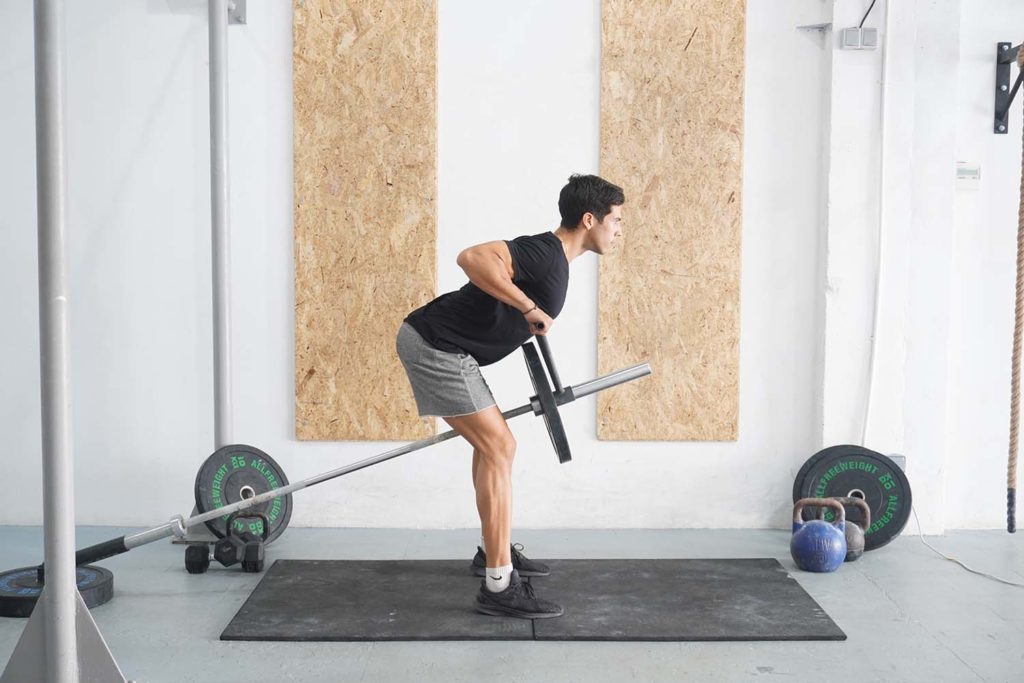
Named after the legendary weightlifting coach Glenn Pendlay, the Pendlay row is the go-to choice for athletes needing raw, explosive power. The defining characteristic here is that the bar returns to the floor after every single rep. This "dead stop" removes all momentum and elastic energy, forcing you to generate maximum force from a standstill.
When comparing the pendlay row vs barbell row, the torso angle is the biggest technical shift. In a Pendlay row, your back should be parallel to the floor. This horizontal position is demanding on the hamstrings but allows for a massive range of motion. Because the bar rests on the floor between reps, many lifters find it easier on their lower back over time, as the spine gets a split-second "break" from the load.
If your goal is pendlay row vs barbell row for strength gains, the Pendlay row often wins for neurological drive and power development. It teaches you how to stay tight and "pull the slack" out of the bar before an explosive contraction.
Coaching Cues:
- Set up like a deadlift but with a slightly wider grip.
- Ensure your back is completely flat and parallel to the ground.
- Pull the bar explosively to your upper stomach.
- Let the bar return to a complete stop on the floor before the next rep.
Single-Arm Dumbbell Row: Fixing Back Asymmetry
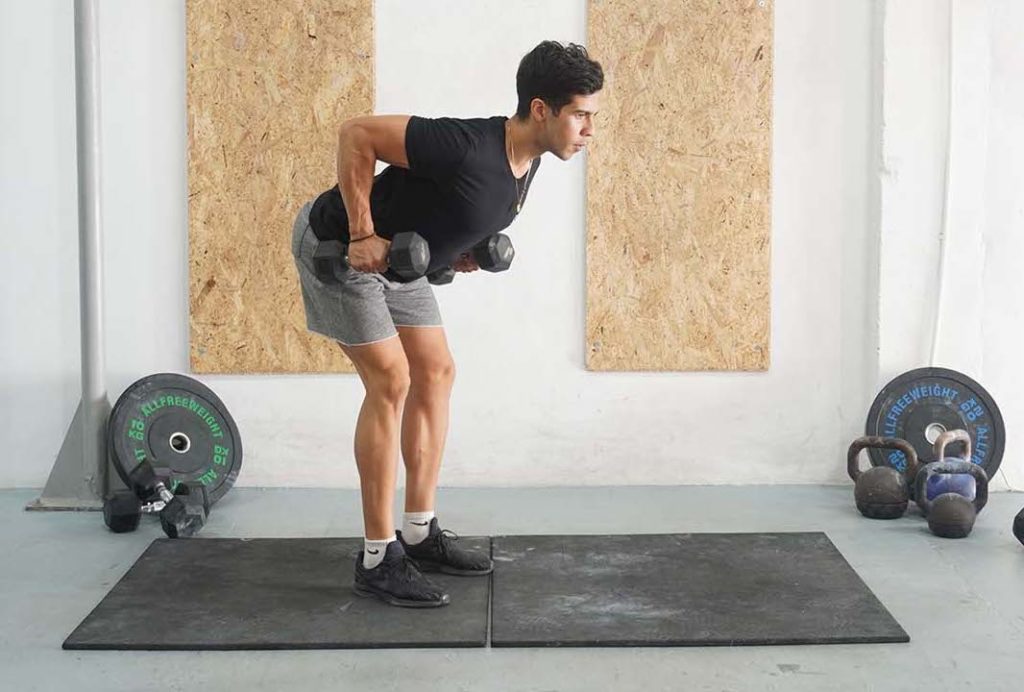
We all have a dominant side. If you only ever use a barbell, your stronger side will inevitably take over, leading to muscle imbalances. This is where unilateral training becomes essential. The single-arm dumbbell row allows you to focus on one side at a time, ensuring that both the left and right latissimus dorsi are doing equal work.
One of the major benefits of using dumbbells is the increased range of motion. Without a barbell hitting your stomach, you can pull the weight further back, achieving a more intense contraction in the rhomboids and mid-traps. Furthermore, because you are pulling from a staggered stance or supporting yourself with one hand on a bench, the core stabilization requirements are unique, helping to build a more resilient torso.
Using single arm dumbbell row variations for back symmetry is a smart move for anyone noticing that one side of their lat spread is thicker than the other. You can also rotate your wrist during the movement—starting with a neutral grip and ending with a slight pull toward the hip—to better follow the natural fiber orientation of the lats.
Coaching Cues:
- Place one hand and one knee on a flat bench for support.
- Keep your working arm's shoulder away from your ear (depress the scapula).
- Drive your elbow back toward your hip rather than straight up to the ceiling.
- Avoid twisting your torso to "cheat" the weight up.
The Chest-Supported Row: Protecting Your Lower Back
While the standing row is effective, it comes with a metabolic and mechanical cost to the spine. Research has measured the compressive forces of the standing bent-over row at 3,576 N, which is significantly higher than other variations. For lifters with history of lumbar issues or those who have already done heavy deadlifts in their session, the chest-supported row is a lifesaver.
By lying prone on an incline bench, you remove the need for your erector spinae and hamstrings to stabilize your body. This isolation means 100% of your effort goes into the pull. This is one of the best chest supported row alternatives for lower back protection because it enforces a neutral spine and prevents the "body English" often seen in heavy barbell rows.
Coaching Cues:
- Set an adjustable bench to a 30-45 degree incline.
- Lie face down with your chest firmly against the pad.
- Let your arms hang straight down, then pull your elbows back.
- Focus on the squeeze of the rhomboids at the top.
Underhand Grip Row: Targeting the Lower Lats and Biceps
Often associated with six-time Mr. Olympia Dorian Yates, the underhand grip (or Yates row) uses a supinated grip to change the pulling mechanics. When your palms face forward, your elbows naturally tuck closer to your sides. This allows you to pull the bar lower toward the waist, which targets the lower insertions of the latissimus dorsi.
While this variation is excellent for back thickness, it does put the biceps in a more vulnerable, loaded position. It is crucial not to ego lift with this variation, as the risk of a bicep strain increases if you use momentum. However, if you are looking for that "sweeping" look to your lats, incorporating underhand vs overhand grip bent over row differences into your routine is a tactical advantage.
Coaching Cues:
- Grip the bar with palms facing away from you, shoulder-width apart.
- Maintain a slightly more upright torso (about 60 degrees) compared to a Pendlay row.
- Pull the bar directly into your lower abdomen.
- Focus on the stretch at the bottom of the movement.
Troubleshooting: Common Mistakes to Avoid
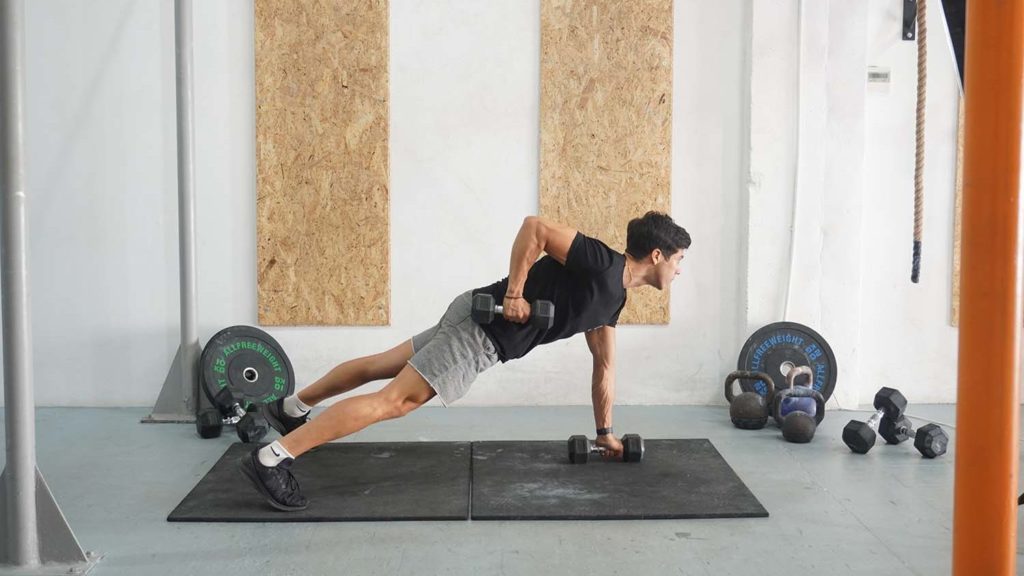
The most common bent over row mistakes to avoid usually stem from a lack of technical discipline. First and foremost is back rounding. If your hamstrings are tight, you will likely round your lower back to reach the bar. This shifts the load from your muscles to your spinal discs, which is a recipe for disaster.
Another issue is "T-Rex arms," where the lifter pulls with their biceps and never actually achieves scapular retraction. Your shoulder blades must move. If they stay pinned and only your elbows bend, your back isn't doing the work. Finally, avoid standing too upright. If your torso is at an 80-degree angle, you aren't doing a row anymore; you’re doing a heavy shrug. Keep the hinge deep to keep the focus on the back.
FAQ
What are the best bent over row variations for back growth?
The standard barbell row and the chest-supported row are generally considered best for growth. The barbell row allows for the heaviest loading, while the chest-supported row allows for maximum isolation of the lats and rhomboids without being limited by lower back fatigue.
What is the difference between a barbell row and a Pendlay row?
The main difference is the starting point and torso angle. A barbell row is held in the air between reps to maintain constant tension, whereas a Pendlay row starts from the floor for each rep and requires a torso that is parallel to the ground.
Is a dumbbell row better than a barbell row?
Neither is strictly better, but they serve different purposes. A dumbbell row is superior for addressing muscle imbalances and providing a greater range of motion, while a barbell row is better for moving maximum weight and building overall posterior chain stability.
How do you perform a bent over row with correct form?
Start with a solid hip hinge, keeping your back flat and your core braced. Grip the bar slightly wider than shoulder-width, and pull it toward your midsection by driving your elbows back. Ensure your shoulder blades retract at the top and maintain a neutral spine throughout.
How can I avoid lower back pain during bent over rows?
Ensure you have a proper hip hinge and are not rounding your spine. If pain persists, switch to the chest-supported row or the single-arm cable row, both of which significantly reduce the compressive load on the lumbar spine while still providing a great workout.

Master Your Back Training
Building a thick, powerful back requires more than just pulling weight; it requires choosing the right tool for the job. Whether you choose the explosive power of the Pendlay row or the strict isolation of the chest-supported row, consistency and form are your best allies. Pick one or two of these bent over row variations to anchor your back workouts for the next 8-12 weeks, and watch your performance—and your physique—transform. Remember, a strong back is the foundation of a strong body. Keep the hinge tight, the spine neutral, and the intensity high.