Quick Facts
- The Core Benefit: Stretching promotes brain health by reducing physical tension and regulating the nervous system.
- Attention Boost: A 15-minute stretching session can improve attention span by 12% by increasing cerebral blood flow and activating the prefrontal cortex.
- Cognitive Flexibility: Research shows that acute stretching exercises can increase cognitive flexibility by 27.3% and improve the neurocognitive index.
- Stress Management: Engaging in a 10-minute stretching routine has been found to reduce cortisol levels by 15%, which directly helps ease anxiety.
- Vascular Connection: Regular stretching improves overall vascular health and reduces arterial stiffness, which are critical components for long-term cognitive clarity.
- Recommended Dosage: For measurable cognitive results, aim for 30-40 minutes of stretching sessions 3-5 times per week.
Stretching promotes brain health by reducing physical tension and regulating the nervous system. By alleviating sedentary behavior and improving postural alignment, a consistent stretching routine helps lower cortisol levels and supports the mind-body connection, which can lead to enhanced mental focus and reduced brain fog. While aerobic exercise is a primary driver of increased cerebral oxygenation and reduced arterial stiffness, regular stretching supports cognitive function by enhancing overall vascular health.
The Biological Link: How Stretching Fuels Your Neurons
When we think about sharpening our minds, we often jump to crossword puzzles or learning a new language. However, the true foundation of cognitive performance is biological. I often tell my readers that physiology precedes cognition. This means that before your brain can process information at peak efficiency, your body must provide the optimal environment—primarily through blood flow and hormonal balance. Integrating stretching for brain health into your life targets these biological markers directly.
One of the most profound ways stretching impacts your mind is through the reduction of arterial stiffness. When your muscles are chronically tight, your entire vascular system feels the pressure. Stretching helps maintain the elasticity of your blood vessels. As your vessels become more flexible, stretching to improve brain blood flow becomes a natural byproduct. This enhanced circulation ensures that a steady supply of oxygen and glucose reaches the brain, fueling the neurons responsible for your daily decision-making.
Furthermore, we must consider the muscle-brain axis. This is the bidirectional communication between your musculoskeletal system and your central nervous system. When you engage in a stretching routine for morning mental clarity, you are sending signals to your brain that the body is safe and the physical environment is stable. This downregulates the sympathetic nervous system (your fight-or-flight response) and activates the parasympathetic nervous system. When the body is calm, the brain can shift resources away from survival and toward executive function and neuroplasticity.
Mental Clarity at Your Desk: Quick Solutions for Brain Fog
Most of us spend the majority of our day tethered to a desk. This sedentary behavior is more than just a threat to our posture; it is a primary cause of cognitive fatigue. When you sit for hours, blood tends to pool in the lower extremities, and your neck and shoulder muscles tighten into a protective hunch. This physical stagnation leads to what we commonly call brain fog.
To combat this, I recommend implementing desk stretching breaks for improved concentration every 60 to 90 minutes. You don't need a yoga mat to see results. Focusing on neck and shoulder stretches for better brain circulation can provide an immediate lift in mental energy. When the muscles surrounding the carotid arteries and vertebral arteries are relaxed, blood can move more freely into the cranium.
Here are a few specific stretching exercises for mental focus that you can do without leaving your chair:
- The Seated Spinal Twist: Sit tall and place your right hand on the back of your chair, gently rotating your torso. This helps decompress the spine and stimulates the nervous system.
- The Chin Tuck: Gently draw your head straight back, as if making a double chin. This aligns the cervical spine and relieves the pressure on the base of the skull, which is often a source of tension headaches and mental fatigue.
- The Behind-the-Back Chest Opener: Interlace your fingers behind your back and pull your shoulders down and back. This counteracts the slumping posture that restricts deep breathing and reduces cerebral oxygenation.
Using these stretching exercises to clear brain fog quickly allows you to reset your mental state during high-pressure workdays. By moving your body, you are essentially "cleaning" your cognitive slate.
The Science of Stress and Focus
We cannot talk about sharper thinking without addressing stress. Cortisol, the body’s primary stress hormone, is a known inhibitor of the prefrontal cortex—the area of the brain responsible for complex planning and focus. High levels of cortisol essentially "hijack" your brain. This is where the psychology of stretching becomes truly fascinating.
According to research from vsaworld.com, a brief 10-minute stretching routine has been found to reduce cortisol levels by 15%. When you lower cortisol, you aren't just feeling more relaxed; you are physically opening the gates for better executive function. This is supported by further data from the National Institutes of Health (NIH), which indicates that acute stretching exercises can increase cognitive flexibility by 27.3%. This flexibility allows you to switch between tasks more effectively and solve problems with greater creativity.
The Stretching Prescription: Frequency and Duration
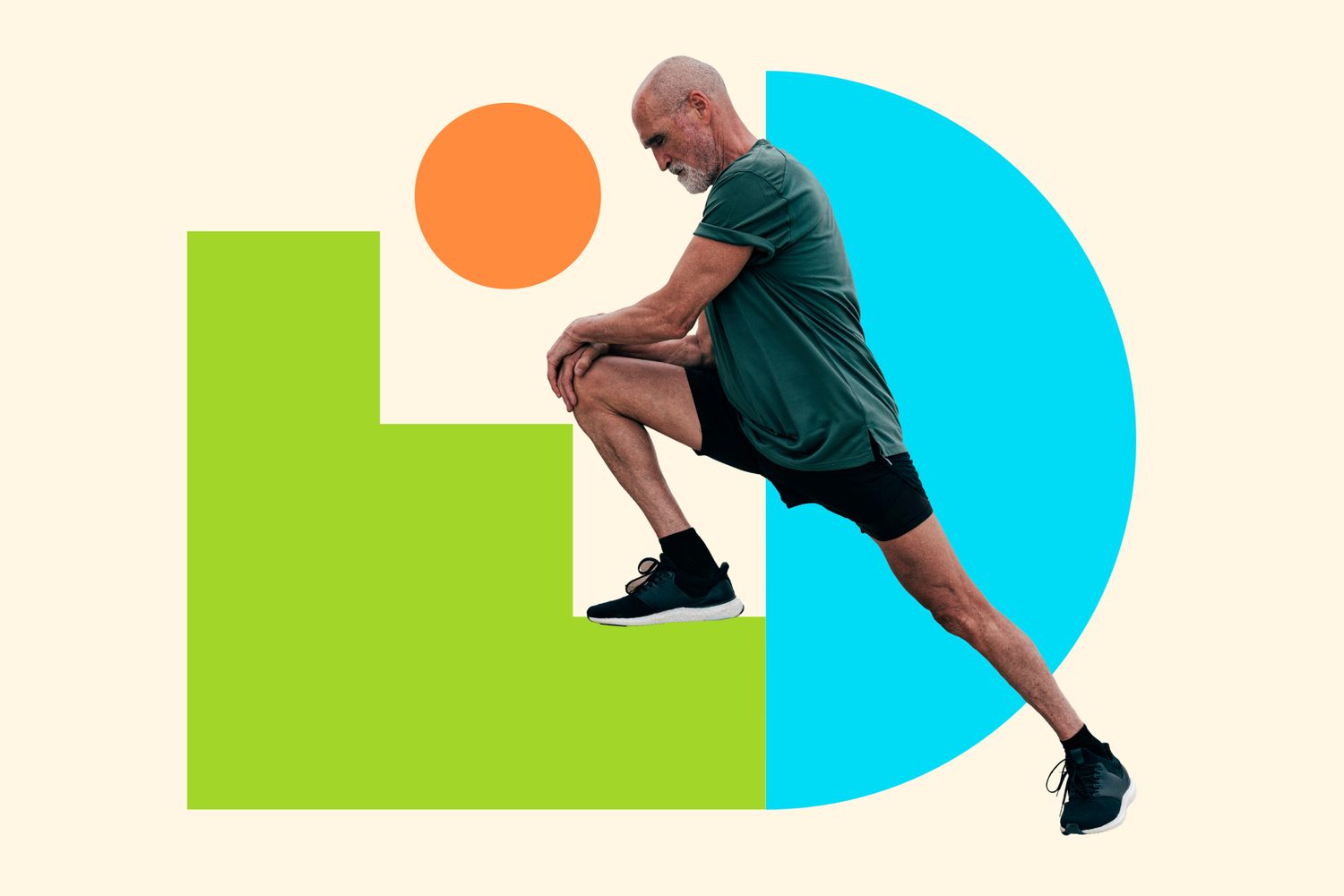
To truly reap the cognitive benefits of stretching, we have to treat it like a therapeutic dosage. While a quick 30-second stretch feels good, the structural and neurological changes happen with consistency. For those looking to use daily stretching habits to prevent cognitive decline, I suggest a target of 30-40 minutes of dedicated stretching per session, performed 3-5 times per week.
This frequency allows for a significant improvement in proprioception—your body's ability to sense its position in space. Improved proprioception is linked to better balance and coordination, but it also has a cognitive component. As the brain becomes more efficient at processing physical feedback from the body, it strengthens synaptic connections that contribute to overall brain health.
While static stretching is the most common form, where you hold a position for 30 to 60 seconds, it is most effective when integrated into a holistic physical wellness plan. You want to focus on long, slow movements that encourage the fascia to release. Over time, these habits contribute to better vascular health, ensuring that as you age, your brain continues to receive the nutrients it needs to remain sharp and resilient.
Beyond Simple Flexing: Integrating Multisensory Movement
As an editor focused on holistic lifestyle habits, I often explore how we can stack health benefits. While basic stretching is excellent, adding a multisensory or coordination-based element can take your brain health to the next level. This is why disciplines like Tai Chi, Yoga, or even mindful dancing often outperform simple static stretching in clinical cognitive tests.
When you stretch while also focusing on complex movement patterns or rhythmic breathing, you are encouraging neuroplasticity. You are asking your brain to coordinate muscle length, balance, and breath all at once. This multi-tasking for the nervous system creates a more robust mind-body connection.
By using your five senses—focusing on the feeling of the floor beneath your feet, the sound of your breath, and the visual alignment of your limbs—you engage more areas of the brain. This multisensory approach strengthens synaptic connections and makes the cognitive benefits of stretching even more enduring. It turns a simple physical act into a sophisticated brain-training exercise.
FAQ
Does stretching improve brain health?
Yes, stretching promotes brain health by regulating the nervous system and reducing physical tension. By lowering cortisol levels and improving postural alignment, stretching creates a physiological environment that supports neuroplasticity and reduces the cognitive load caused by chronic stress.
Can stretching increase blood flow to the brain?
Stretching helps improve vascular health and reduce arterial stiffness. When major muscle groups, particularly around the neck and shoulders, are relaxed, it allows for more efficient circulation. This stretching to improve brain blood flow ensures that oxygen and nutrients are delivered more effectively to cerebral tissues.
Does stretching reduce stress and anxiety?
Stretching is a powerful tool for stress reduction. Research has shown that even a 10-minute session can reduce cortisol levels by 15%. By activating the parasympathetic nervous system, stretching helps the body transition out of a stress-induced fight-or-flight state, leading to improved mental focus and a sense of calm.
What are the best stretches for mental clarity?
The best stretches for mental clarity are those that target areas of tension caused by sedentary behavior. This includes neck rolls, chin tucks, and shoulder openers to improve circulation to the head, as well as spinal twists and hip openers to decompress the nervous system and improve overall energy flow.
Can stretching help prevent cognitive decline?
Consistent daily stretching habits to prevent cognitive decline work by maintaining vascular health and lowering systemic inflammation. By ensuring healthy blood flow and reducing the physical manifestations of chronic stress over decades, stretching serves as a vital low-impact habit for long-term brain maintenance.
Whether you are looking for a stretching routine for morning mental clarity or simply want to use stretching exercises to increase blood flow to the brain after a long meeting, the key is to start small. Begin with ten minutes today, focus on your breath, and notice how much sharper your thinking becomes when your body is no longer holding onto the day's tension.