Quick Facts
- Insulin Resistance: It is estimated to affect between 75% and 95% of women diagnosed with Polycystic Ovary Syndrome.
- Metabolic Boost: A 16-week resistance training program for women with PCOS can increase muscle mass by 10%.
- Diabetes Risk: This increase in muscle is linked to an 11% decrease in the risk of insulin resistance.
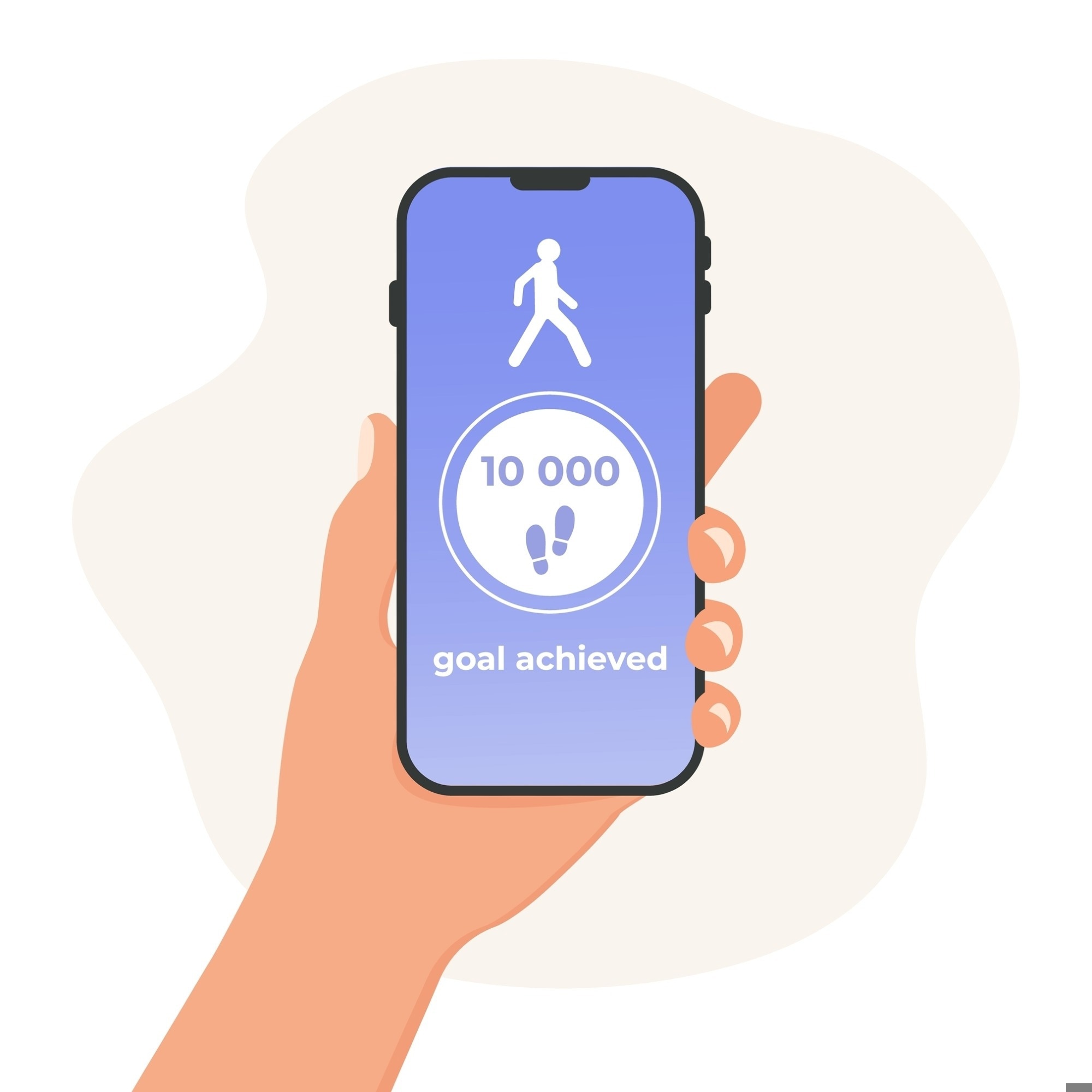
- Walking Threshold: Scientific evidence suggests that significant health benefits plateau at 7,500 steps, making it a more sustainable goal than 10,000 steps.
- HIIT Limit: Spending more than 90 minutes per week on high-intensity interval training can be counterproductive for hormone balance.
- Clinical Results: Aerobic interventions lasting 12 to 24 weeks significantly reduce fasting insulin levels and waist circumference.
- Detraining Risk: Metabolic improvements gained through exercise can begin to diminish after a 12-week break from activity.
The best PCOS workouts focus on balancing intensity with hormonal health to manage symptoms effectively. Low-impact steady state (LISS) exercises like brisk walking, swimming, and cycling are highly recommended as they improve cardiovascular fitness without overstressing the endocrine system. Strength training and resistance exercises further support metabolic health by building muscle mass, which aids in glucose regulation and long-term hormone balance.
The Hormone Mapping: Why Movement Matters for PCOS
When we talk about PCOS, we are talking about a complex interplay within the endocrine system. For the 5-15% of women living with this condition, exercise is far more than a way to burn calories or change how a pair of jeans fits. It is a vital metabolic tool that can help recalibrate the way your body processes energy and responds to stress. The traditional "no pain, no gain" approach to fitness often backfires for those of us with hormonal imbalances because our bodies are uniquely sensitive to cortisol levels and insulin fluctuations.
The primary goal of movement in a PCOS context is inflammation reduction and improving how our cells use glucose. Because PCOS is closely linked to an increased risk of Type 2 diabetes, reframing your gym time as a protective measure for your metabolic health is essential. When you engage in the right kind of physical activity, you aren't just working your muscles; you are sending a signal to your brain and ovaries that the environment is safe, stable, and healthy. This holistic wellness approach focuses on sustainable habits rather than extreme, short-term transformations.

Strength Training: Reducing Androgens and Building Muscle
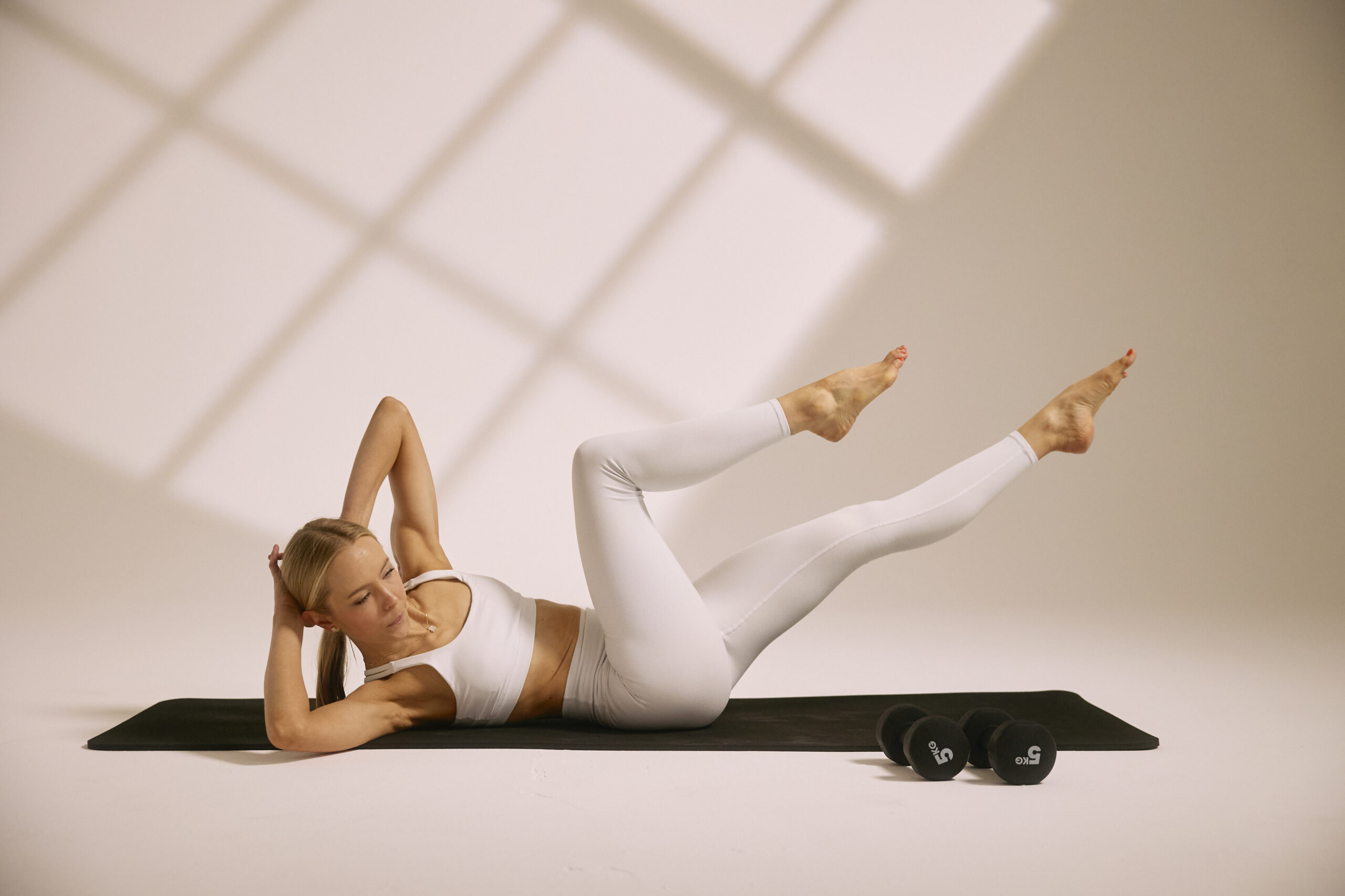
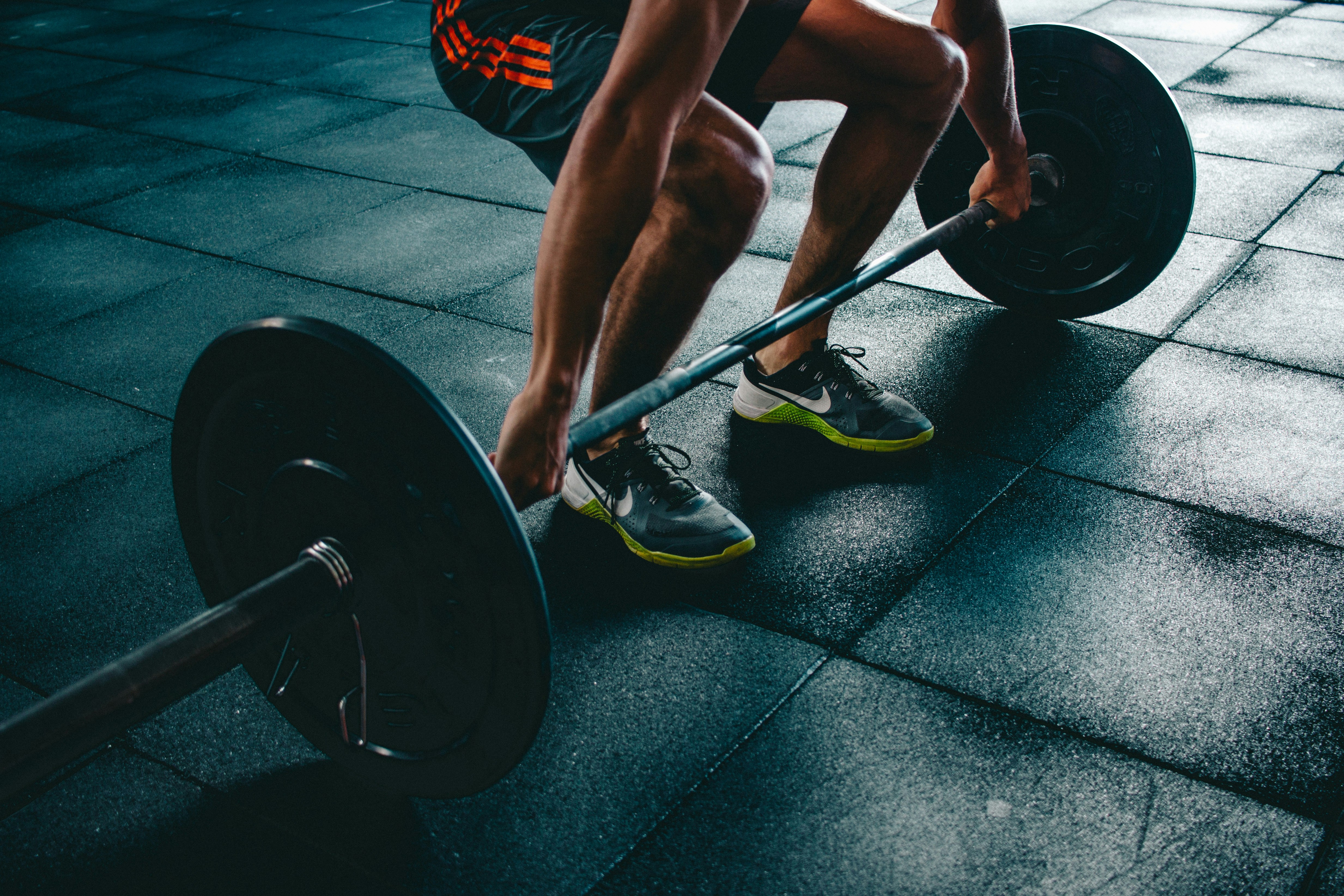
If there is one modality that stands out as a game-changer, it is resistance training. Many women fear that lifting weights will make them look "bulky" or increase their testosterone, but the science tells a very different story for those with PCOS. Engaging in strength training benefits for PCOS hormone balance by specifically targeting the Free Androgen Index. By building lean muscle mass, you are creating more "sinks" for glucose to go, which naturally lowers the amount of insulin your body needs to produce.
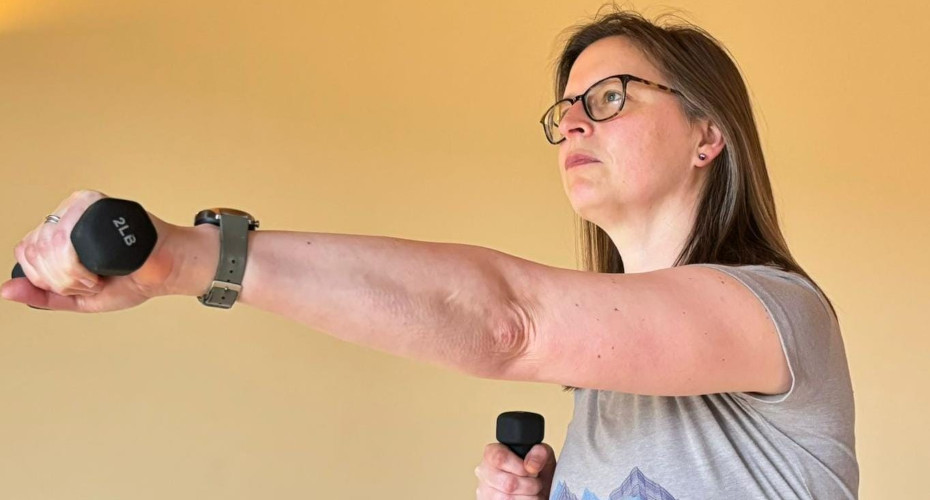
A significant study revealed that just 16 weeks of resistance training can increase muscle mass by 10%, which leads to a corresponding 11% decrease in the risk of insulin resistance. For the best results, focus on a high-rep, low-weight safety approach or moderate weights with controlled movements. This strategy supports better body composition without placing excessive strain on the central nervous system. This type of PCOS exercise for insulin sensitivity works by improving the communication between your muscles and your metabolic hormones, leading to more stable energy levels throughout the day.
| Workout Type | Primary Hormone Impact | Metabolic Outcome |
|---|---|---|
| Strength Training | Lowers Androgens | Improved Glucose Regulation |
| LISS Cardio | Lowers Cortisol | Better Cardiovascular Fitness |
| Gentle Yoga | Reduces Inflammation | Stress Management |
| HIIT (<90 mins) | Increases Insulin Sensitivity | Enhanced Mitochondrial Health |

Pro Tip: Focus on "compound movements" like squats, lunges, and rows. These exercises use multiple muscle groups at once, giving you the biggest metabolic bang for your buck while supporting functional strength.
Cardio Reimagined: LISS vs. HIIT for Insulin Sensitivity
Cardiovascular health is non-negotiable, but the way we do cardio matters immensely. For years, the fitness industry has pushed high-intensity interval training (HIIT) as the ultimate solution for weight loss. While HIIT can be a great PCOS exercise routine for insulin sensitivity, it is a double-edged sword. If done too frequently or for too long, it can lead to chronic cortisol spikes that actually encourage the body to hold onto abdominal fat and disrupt menstrual regularity. We recommend a 90-minute weekly cap for HIIT to prevent mitochondrial impairment and hormonal burnout.
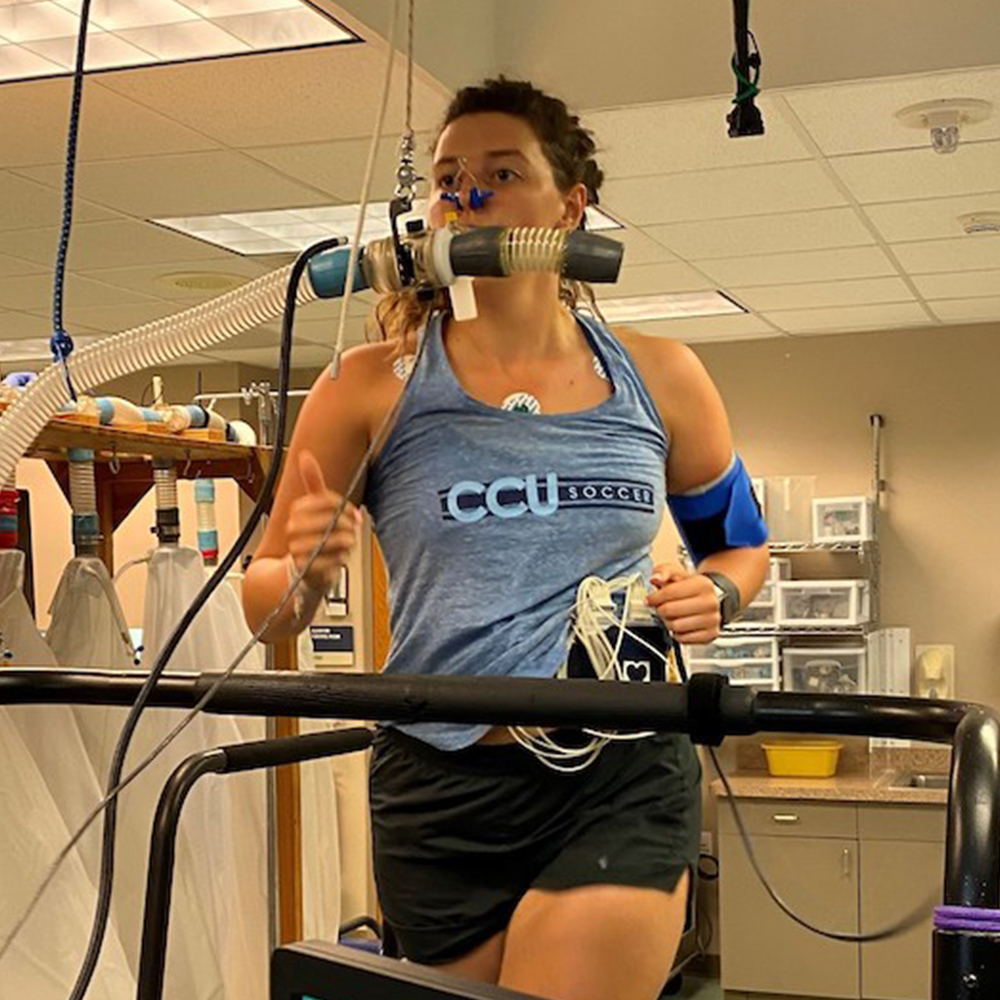
This is where low impact steady state exercise for PCOS shines. Activities like brisk walking, cycling on flat terrain, or swimming allow you to build cardiovascular fitness without the massive stress response triggered by high-impact sprinting. Clinical research shows that aerobic exercise interventions lasting between 12 and 24 weeks can significantly reduce fasting insulin levels. By keeping your heart rate in a moderate zone—where you can still hold a conversation—you are training your heart and lungs while keeping your endocrine system in a state of calm. This makes low impact exercise for PCOS the foundation of a sustainable, long-term plan.

Micro-Workout: The Hormone Flush (4 minutes)
If you are feeling sluggish or have been sitting at a desk for hours, try this to wake up your insulin receptors:
- 1 minute of standing calf raises
- 1 minute of wall push-ups
- 1 minute of air squats (slow and controlled)
- 1 minute of marching in place with high knees
Mind-Body Connection: Managing Cortisol with Yoga and Tai Chi
We cannot discuss PCOS workouts without addressing the mental and emotional load of the condition. Chronic inflammation and elevated cortisol levels are often the invisible barriers to feeling better. Restorative movement practices like gentle yoga and Tai Chi act as a reset button for the nervous system. These practices emphasize the mind-body connection, helping to transition the body from "fight or flight" mode into "rest and digest" mode.
Using gentle yoga poses for PCOS symptom relief—such as Child’s Pose, Legs-Up-The-Wall, or a supported Bridge Pose—can help lower the stress response that often exacerbates hormonal acne and hair loss. Active recovery is not "wasted" time; it is the time when your body actually repairs itself and balances its chemistry. Incorporating these practices into your hormone balancing exercise routine twice a week can improve sleep quality and reduce the physical impact of hormonal fluctuations.

Overcoming Barriers: Fatigue, Joint Pain, and Consistency
One of the most difficult aspects of PCOS is the fatigue that comes with insulin resistance and the joint pain that can stem from systemic inflammation. If you are struggling with how to start exercising with PCOS for beginners, the most important rule is to prioritize consistency over intensity. It is better to walk for 15 minutes every single day than to do one grueling two-hour workout and be too exhausted to move for the rest of the week.
If your joints feel tender, look for joint-friendly movement like water aerobics or using an elliptical machine. These options provide the benefits of resistance and cardio without the jarring impact of running on pavement. When building a weekly hormone friendly workout plan, aim for a mix of activities. A sample week might include three days of walking, two days of light strength training, and one day of restorative yoga. This variety ensures you are hitting all aspects of metabolic health while giving your body the rest it needs to avoid the 12-week detraining effect where gains are lost.
FAQ
What is the best type of exercise for PCOS?
The best approach is a combination of strength training and low impact steady state exercise for PCOS. Strength training helps build muscle mass to improve glucose regulation, while LISS cardio improves cardiovascular health without causing excessive cortisol spikes. The key is finding a balance that you can maintain consistently without feeling chronically fatigued.
Is HIIT bad for PCOS cortisol levels?
HIIT is not inherently "bad," but it must be used strategically. High-intensity exercise can cause a significant spike in cortisol. For women with PCOS who are already prone to high stress hormones, exceeding 90 minutes of HIIT per week can lead to increased inflammation and worsened symptoms. Keeping HIIT sessions short and infrequent is the safest way to reap the benefits of improved insulin sensitivity without the hormonal downside.
Can strength training improve PCOS insulin resistance?
Yes, strength training is one of the most effective ways to manage insulin resistance. By increasing your muscle mass, you improve your body’s ability to use insulin and process glucose. Even a 10% increase in muscle mass has been shown to significantly decrease the risk of metabolic issues in women with PCOS.
What exercises should be avoided with PCOS?
There aren't necessarily "forbidden" exercises, but many women find that excessive long-distance running or very high-impact aerobics can exacerbate symptoms like fatigue and joint pain. If a workout leaves you feeling wiped out for days afterward rather than energized, it may be too intense for your current hormonal state. It is often best to avoid extreme "boot camp" style classes if you are already struggling with high cortisol.
How many days a week should someone with PCOS work out?
A sustainable goal is to engage in some form of movement 3 to 5 days per week. This doesn't mean 5 days of intense gym sessions; it can be a mix of two days of strength training, two days of brisk walking, and one day of yoga. The goal is to stay active enough to support metabolic health without overtaxing your endocrine system.