Quick Facts
- Benefit: Reduces inflammation and lowers creatine kinase levels by up to 85% compared to passive rest.
- Optimal Temp: Maintain water between 50°F and 59°F (10°C to 15°C) for maximum physiological response.
- Optimal Duration: Aim for 1 to 10 minutes; beginners should start at the lower end to manage cold shock.
- Best Timing: Submerge within 30 to 60 minutes after a long run or race to trigger the recovery window.
- PR Impact: Faster recovery allows for higher training volumes and more consistent intensity during peak weeks.
- Mental Edge: Enhances mental resilience and stress management through vagus nerve stimulation.
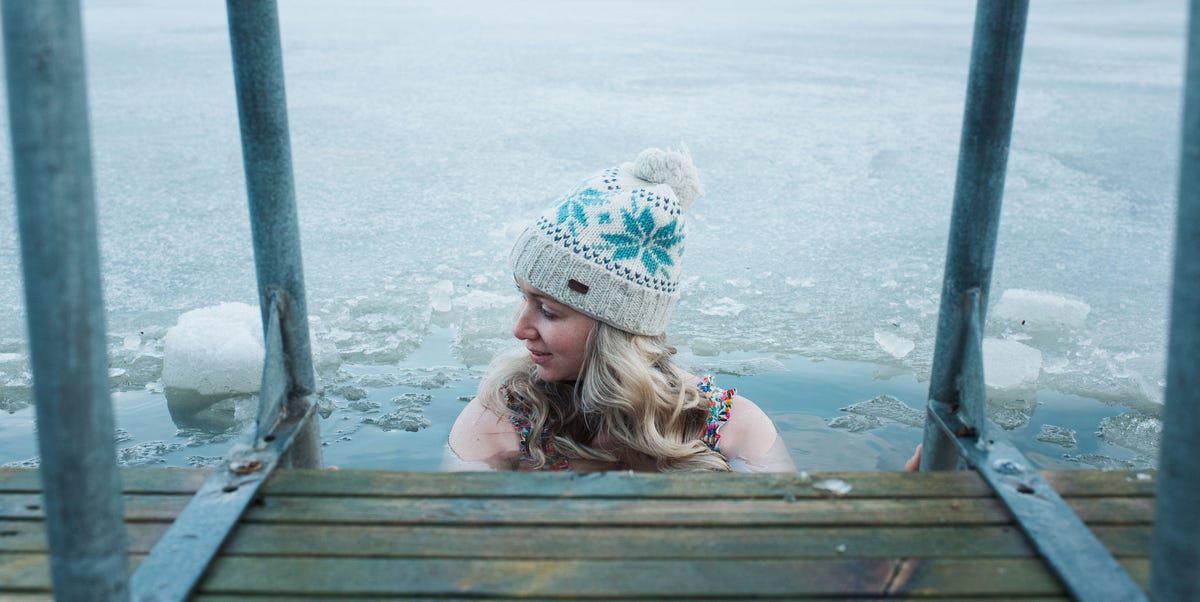
Marathon ice baths are no longer just for elites; they are a scientifically-backed tool to reduce inflammation and accelerate recovery. By utilizing cold water immersion for runners, athletes can significantly lower muscle soreness and improve mental resilience, paving the way for consistent training and a new marathon PR. This process uses cold water immersion to trigger vasoconstriction, which helps reduce muscle inflammation and swelling after long-distance runs. This process facilitates the flushing of metabolic waste from muscle tissues. When the runner exits the cold water, blood vessels dilate and flood the tissues with oxygen-rich blood, accelerating the recovery from delayed onset muscle soreness and supporting more consistent training volumes.
The Science of Cold: Why It Boosts Performance
In the world of high-performance training, we often talk about the Circulatory Pump. Think of your vascular system as a series of pipes. During a marathon or a 20-mile long run, your muscle fibers sustain micro-tears, leading to an influx of inflammation and metabolic waste. Cold water immersion for runners acts as a manual override for this system. When you step into that tub, the cold triggers intense vasoconstriction—your blood vessels tighten, shunting blood away from the extremities and toward your core.
This isn't just about "feeling cold." It’s a physiological flushing mechanism. Once you exit the water, your body undergoes rapid vasodilation. The vessels open wide, allowing fresh, oxygenated blood to rush back into the legs. This "pump" helps clear out the biological debris left over from 26.2 miles of pounding the pavement. A comprehensive meta-analysis of 99 studies identified cold water immersion as one of the most effective recovery methods for reducing muscle inflammation and perceived fatigue when compared to active recovery or compression techniques.
Beyond the physical flushing, we have to look at the hormonal and cellular shifts. Research shows that cold exposure can trigger a 250% dopamine spike and a 530% norepinephrine increase. For a marathoner, this means improved mood and focus during the grueling tapering phase. On a cellular level, cold stimulates PGC-1α, a protein that promotes mitochondrial biogenesis. In plain English: it helps your cells create more "power plants," which is a direct win for your aerobic capacity and endurance.
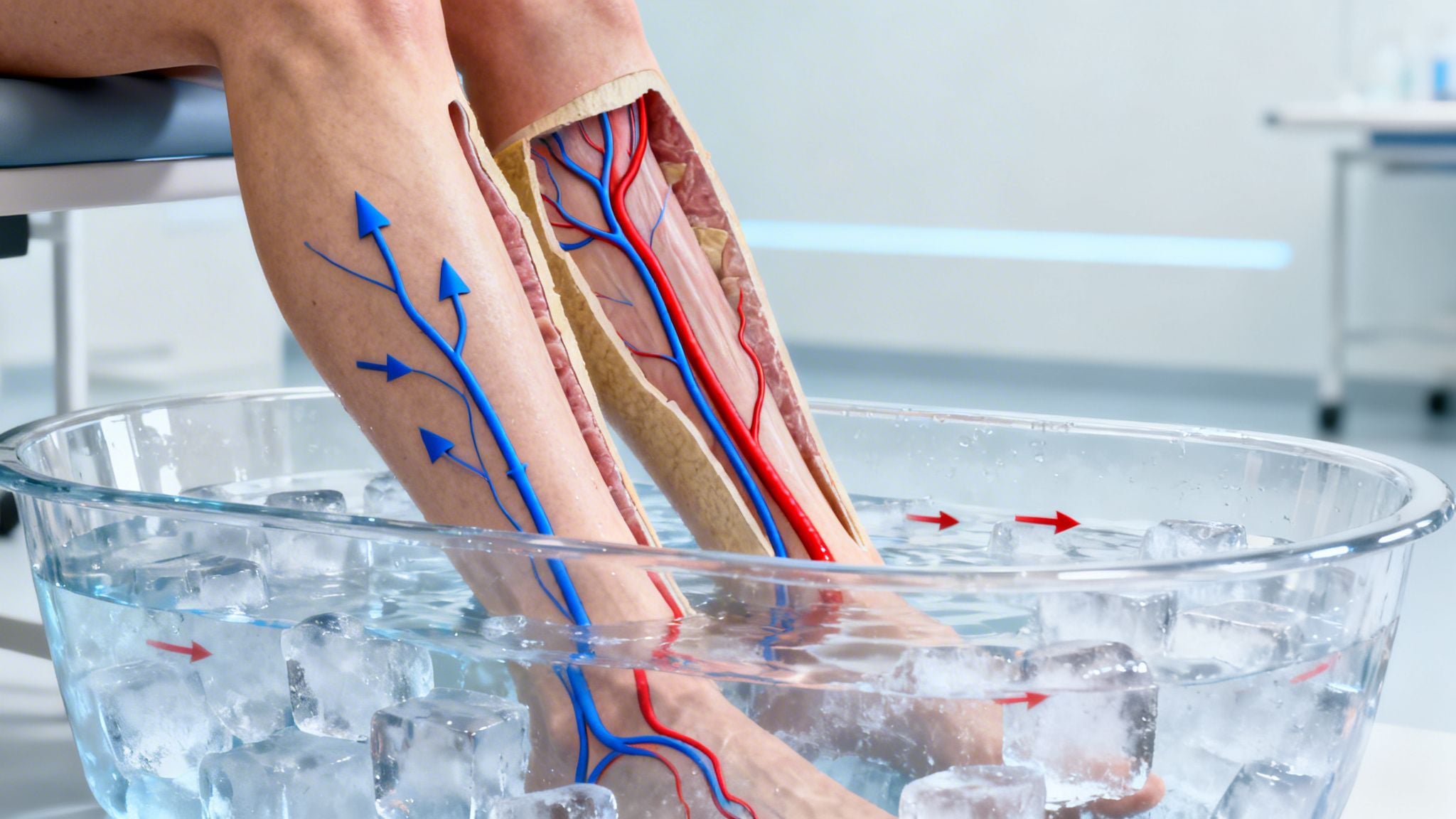
The impact on muscle damage markers is equally staggering. Research indicates that average creatine kinase levels, a primary marker of muscle damage, can reach 22 times baseline levels 24 hours after a marathon. Cold water immersion has been shown to significantly lower these levels compared to passive rest, effectively cutting the recovery timeline in half.
The 5/10/15 Protocol: Finding Your Temperature
One of the biggest mistakes I see runners make is going too cold too fast. You don’t need to be sitting in a tub of slush to see ice bath muscle recovery benefits. In fact, if the water is too cold, you might trigger a panic response that negates the recovery benefits. We follow a tiered progression to help your nervous system adapt to the hormetic stress.
The general rule is the 10/10/10 principle: 10 minutes at 10°C (50°F). However, for many distance runners, a gradual entry is better for building mental resilience.
| Level | Temperature | Duration | Frequency |
|---|---|---|---|
| Beginner | 59°F (15°C) | 1–3 Minutes | Once per week after long run |
| Intermediate | 54°F (12°C) | 5 Minutes | Twice per week |
| Advanced | 50°F (10°C) | 10 Minutes | Post-race and peak training runs |
When you first submerge, your body will hit the cold shock response. This is where your training as an athlete kicks in. By controlling your breathing, you engage the parasympathetic nervous system via vagus nerve stimulation. This doesn't just help you stay in the water; it trains your brain to stay calm under the intense pressure of the final 6 miles of a race.
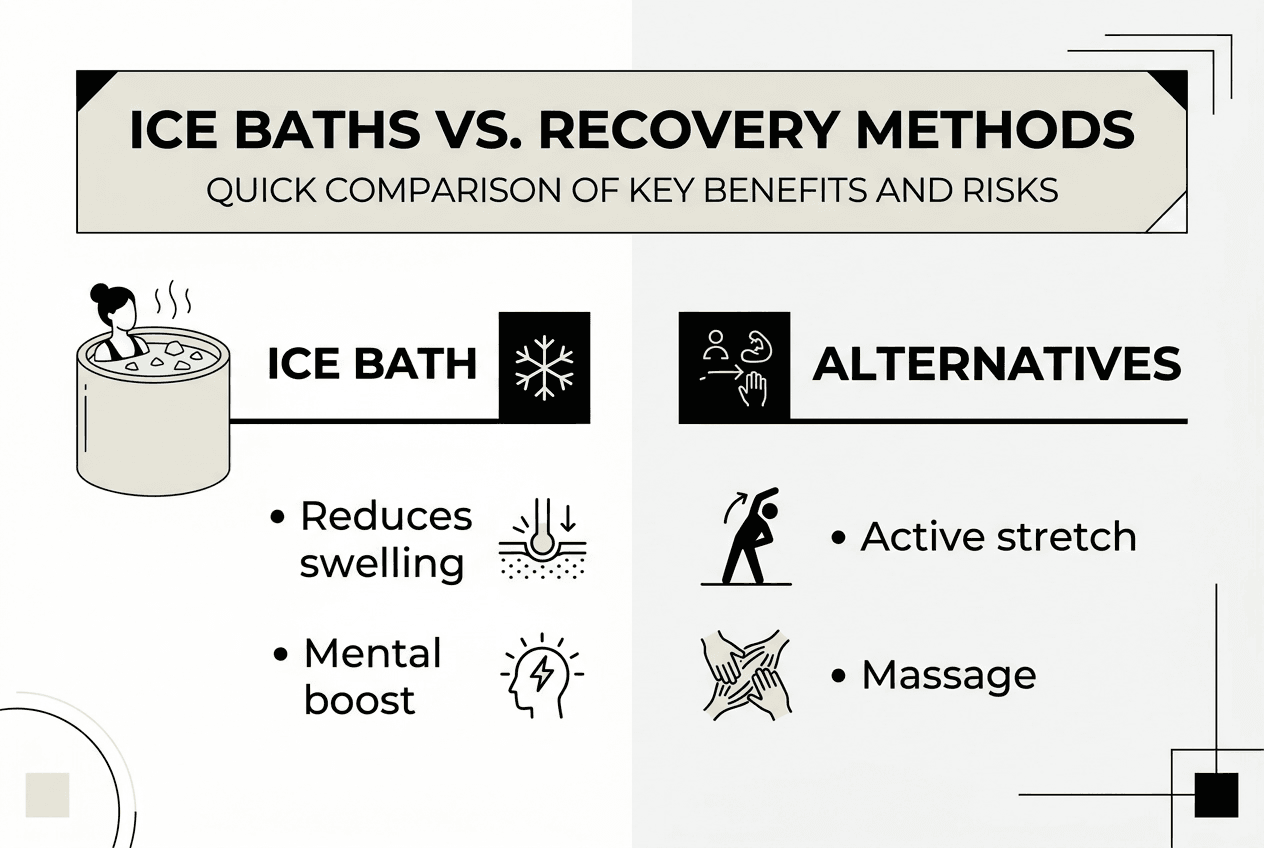
Consistency is more important than extreme cold. Shorter, more frequent sessions at a manageable temperature are often more effective than one heroic, freezing-cold plunge that you end up dreading. Finding the best ice bath temperature for marathon recovery is about finding the sweet spot where you can remain still and controlled for at least five minutes.
Timing and Integration: Training vs. Race Day
Timing is everything. To maximize the ice bath benefits for marathon runners PR, you need to understand the Endurance Exception. If you are doing a heavy strength training session to build leg power, you actually want to avoid an immediate cold plunge. Cold can blunt the mTOR pathway, which is responsible for muscle protein synthesis and growth.
However, for endurance-specific work—those 18 to 22-mile long runs—the goal isn't muscle hypertrophy; it's inflammation management and metabolic recovery. For these sessions, you want to get into the water as soon as possible, ideally within 30 to 60 minutes. This window is when your body is most responsive to the vasoconstriction effects.

During the tapering phase, marathon ice baths can be a secret weapon. As you reduce your mileage, your body starts to repair months of accumulated damage. Using cold water immersion during this time can help clear out lingering fatigue, ensuring you show up to the start line with "fresh legs." Just remember that how soon after a long run should you ice bath depends on your goals: if the run was purely for aerobic volume, go straight to the ice. If it was a hill sprint session for power, wait 4 to 6 hours.
How to Set Up a DIY Marathon Ice Bath
You don't need a high-tech facility to get the results of cryotherapy. A diy ice bath setup for marathon training is relatively simple and incredibly cost-effective. All you need is a standard bathtub, a thermometer, and about 20 to 40 pounds of ice.
- The Fill: Fill your tub about half-full with cold tap water. Most tap water in the US ranges from 55°F to 65°F.
- The Temperature Check: Use a simple floating pool thermometer to get a baseline reading before adding ice.
- The Ice Drop: Add ice gradually. A 20lb bag will usually drop the temperature by about 5-7 degrees in a standard tub.
- The Submerge: Get in first, then add the ice around you if you find the initial shock too intense. Focus on covering your hips, quads, and glutes—the primary movers for distance runners.
- The Breathing: Use box breathing (inhale for 4, hold for 4, exhale for 4, hold for 4) to manage the first 60 seconds of cold shock.
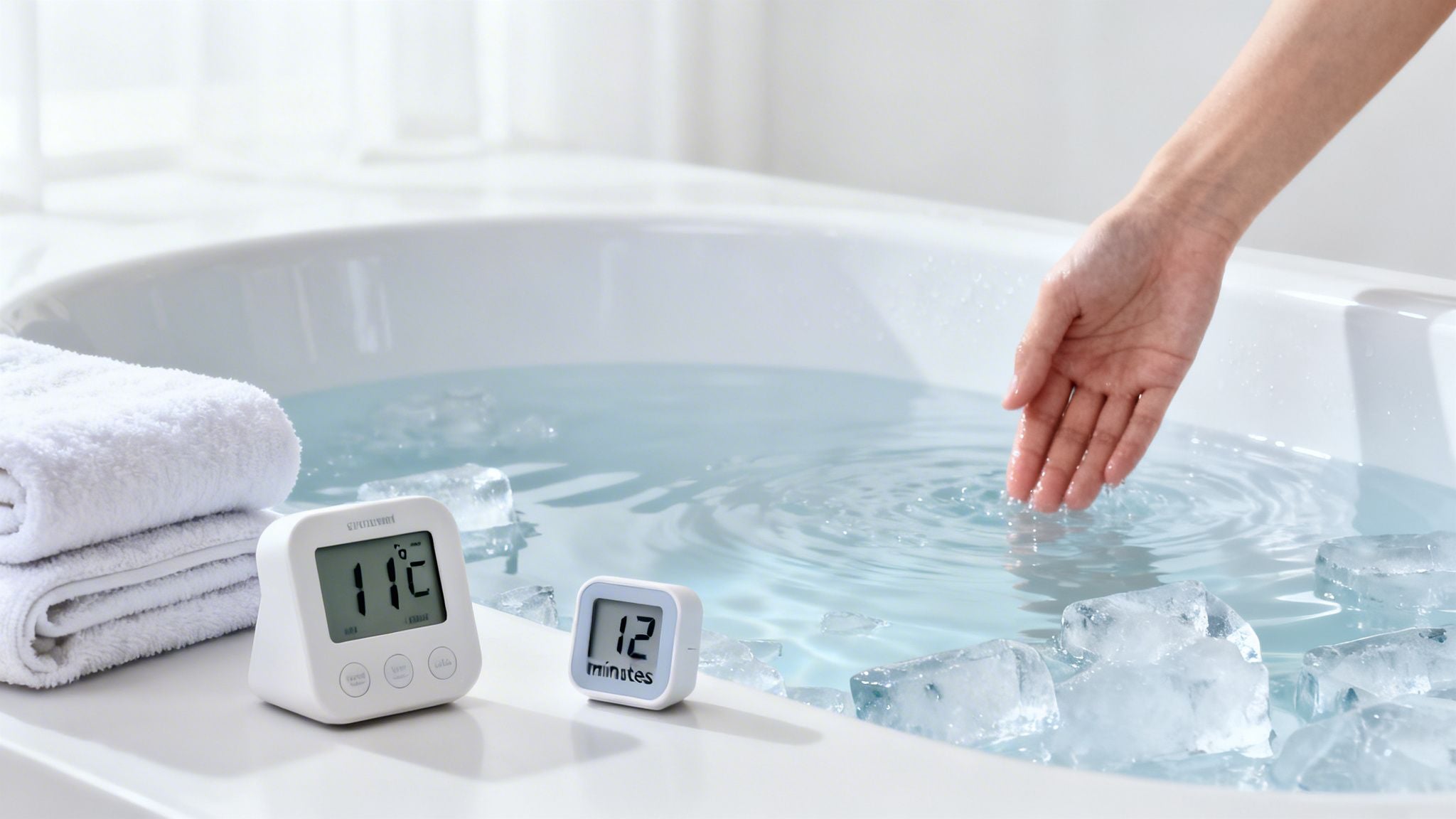
If you find that a standard bathtub isn't deep enough to cover your waist, consider a dedicated cold plunge tub or even a clean, large stock tank. The key is immersion depth. You want the hydrostatic pressure of the water to assist the vasoconstriction in your lower extremities.
Safety First: When to Skip the Ice
While the ice bath impact on muscle growth vs endurance is generally positive for marathoners, safety is paramount. High-intensity recovery isn't for everyone. A systematic review of 17 clinical trials found that cold water immersion significantly reduced the symptoms of delayed-onset muscle soreness (DOMS) for up to 96 hours, but it also highlighted the need for athlete monitoring.
You should avoid ice baths if you have:
- Raynaud’s disease or extreme cold sensitivity.
- Cardiovascular conditions or high blood pressure (the cold shock can cause a temporary spike in heart rate).
- Open wounds or recent surgical incisions.
During your session, watch for signs of hypothermia. If you experience excessive shivering that doesn't stop after the first two minutes, or if your skin turns extremely pale or blue, get out immediately. This is why ice bath duration for distance runners safety is capped at 10-15 minutes; staying in longer does not provide additional benefits and significantly increases the risk of core temperature drops.

After you finish, do not jump straight into a hot shower. This can cause a "rebound" effect where blood rushes too quickly to the skin's surface, potentially leading to fainting. Instead, pat dry, put on warm clothes, and let your body warm up naturally for 20 minutes.
FAQ
Should you take an ice bath after a marathon?
Yes, taking an ice bath after a marathon is one of the most effective ways to manage the extreme inflammation and muscle damage caused by 26.2 miles of impact. It helps lower creatine kinase levels and can reduce the severity of delayed onset muscle soreness in the following days.
How long should a marathon runner stay in an ice bath?
The optimal duration is between 5 and 10 minutes. Research shows that most of the physiological benefits of vasoconstriction occur within the first few minutes. Staying in for more than 15 minutes increases the risk of hypothermia without providing additional recovery value.
What are the benefits of ice baths for long-distance runners?
The primary benefits include reduced muscle inflammation, faster clearance of metabolic waste, and improved mental resilience. It also helps lower the core body temperature, which can improve sleep quality—a critical component of the recovery process.
What temperature should an ice bath be for recovery?
For marathon recovery, the water temperature should be between 50°F and 59°F (10°C to 15°C). This range is cold enough to trigger the necessary circulatory response without being so cold that it causes unnecessary physical trauma or panic.
How soon after a marathon should you take an ice bath?
Ideally, you should submerge within 30 to 60 minutes of finishing your run. This allows the cold to combat the inflammatory response while it is still in its acute phase, maximizing the "flush" effect.
Are there any risks to taking an ice bath after a race?
The main risks include cold shock, which can affect heart rate, and potential hypothermia if the session is too long. Runners with cardiovascular issues or Raynaud’s disease should consult a doctor before using cold water immersion. Always monitor for excessive shivering or numbness.