Quick Facts
- Core Benefit: Reverses age-related muscle loss known as sarcopenia through targeted resistance.
- Bone Health: Essential for osteoporosis prevention by applying site-specific mechanical loading to the skeletal system.
- Metabolic Impact: A structured program can increase resting metabolic rate by approximately 7% and add 1.4 kilograms of lean muscle mass.
- Functional Power: Increases skeletal muscle strength by as much as 50% in healthy adults, improving balance and stability.
- Myth Buster: Lifting heavy weights for women without bulking is the physiological norm; it improves muscle density and metabolic health rather than adding excessive size.
- Safe Progression: Uses the 2-for-2 rule and progressive overload to ensure consistent gains while minimizing injury risk.
Lifting heavy weights is the most efficient way to build bone density, increase basal metabolic rate, and improve functional strength, regardless of age or gender. By challenging your muscular system with loads that limit you to 5-10 repetitions with perfect form, you trigger muscle hypertrophy and hormonal adaptations that lighter weights simply cannot match. This approach to training ensures your body remains resilient, metabolically active, and capable of handling the physical demands of daily life.
1. Combatting Bone Loss and Osteoporosis
When you think about health, you likely focus on your heart or your waistline, but your skeletal integrity is the literal foundation of your longevity. As we age, bone density naturally declines, leading to a higher risk of fractures and osteoporosis. While walking or light aerobics are great for cardiovascular health, they often lack the necessary mechanical tension to stimulate significant bone growth.
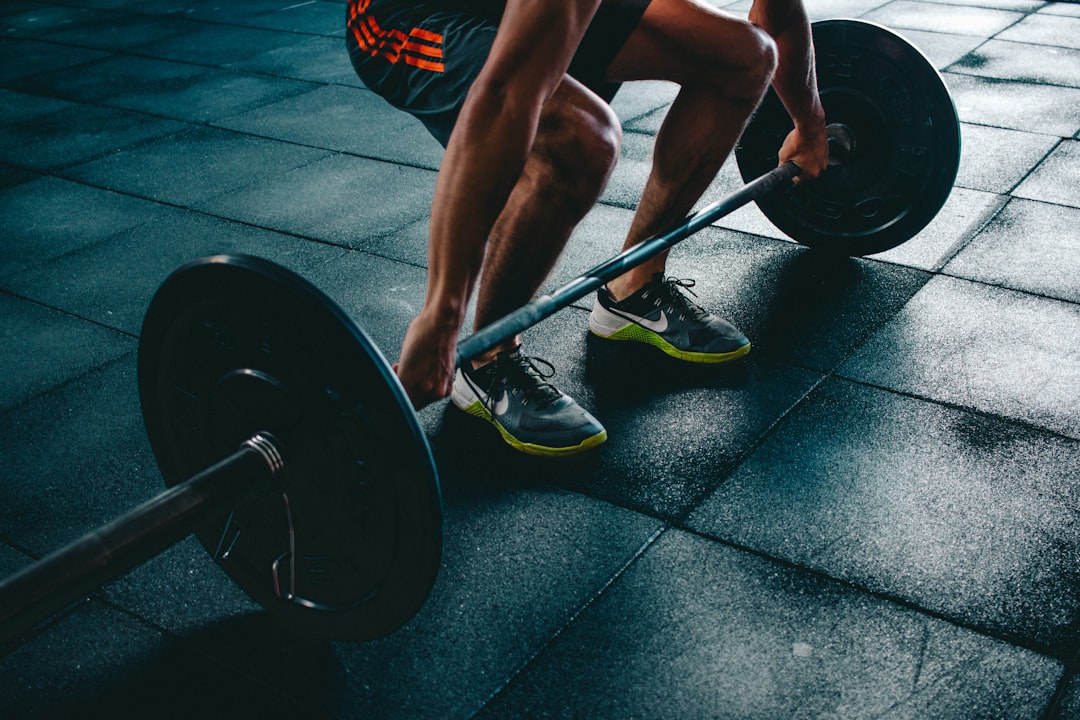
This is where lifting heavy weights becomes a non-negotiable part of your routine. High-intensity resistance training creates site-specific loading. When you perform a heavy squat or a deadlift, the stress placed on the hips and spine signals the body to deposit more minerals into the bone matrix. This process is vital because approximately 1.5 million fractures occur annually in the U.S. due to bone weakness. Research shows that strength training for bone health is one of the few ways to actually reverse bone loss rather than just slowing it down.
For older trainees, heavy resistance training for bone density in seniors is a game-changer. It targets the areas most prone to injury—the hips, wrists, and spine—by forcing the bone to adapt to the external load. By consistently challenging your frame, you aren't just building a better physique; you are building an armored skeleton that can withstand the tests of time.

2. Maximizing Metabolic Rate and Fat Loss
If your goal is to change how your body looks and functions, you need to look beyond the calories burned during your workout. The real magic of heavy resistance training happens while you are sleeping. Every pound of muscle you add serves as a metabolically active engine, demanding energy even when you are sedentary.
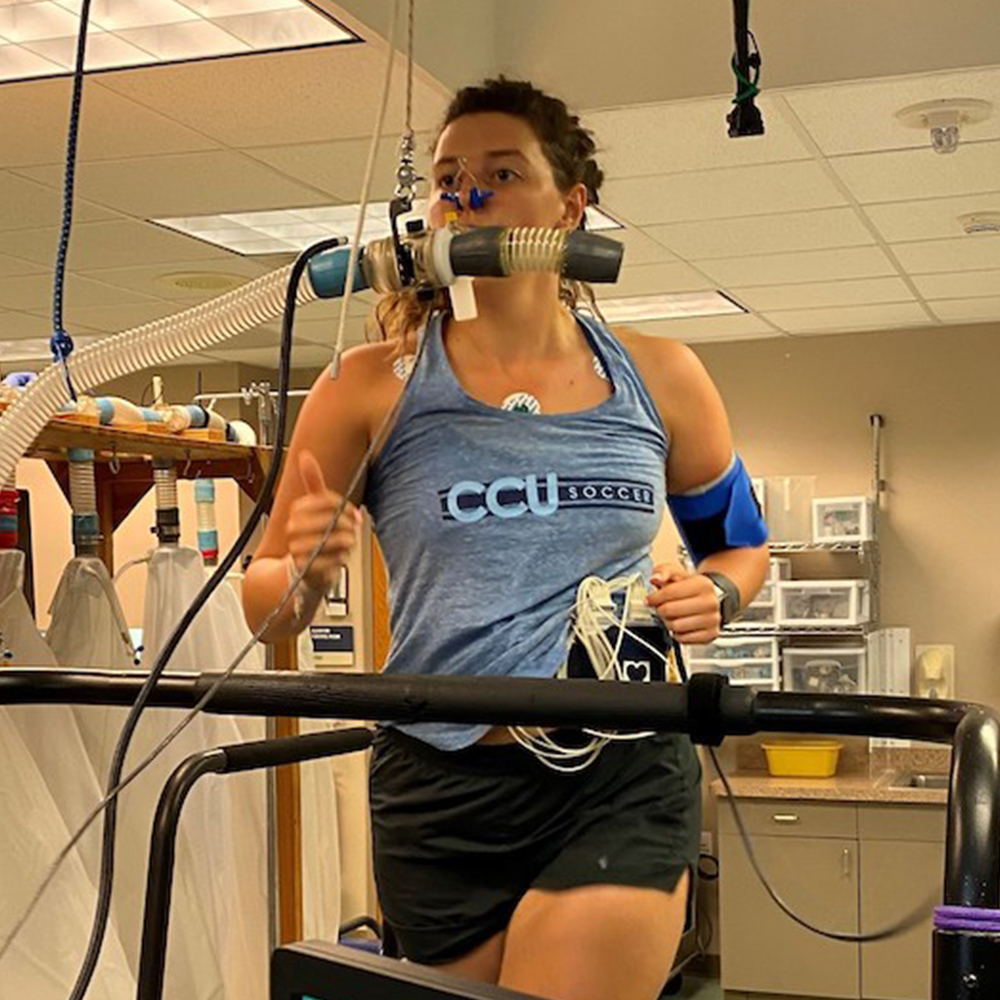
A well-documented 10-week resistance training program has been shown to increase resting metabolic rate by approximately 7% while increasing lean muscle mass by an average of 1.4 kilograms. This shift in body composition is critical for long-term weight management. When you engage in lifting heavy weights for body recomposition and fat loss, you are essentially upgrading your internal furnace.
Many people, particularly women, fear that heavy loads will lead to an overnight transformation into a bodybuilder. However, lifting heavy weights for women without bulking is the standard outcome. Significant muscle hypertrophy requires a massive caloric surplus and specific, high-volume training. For the average person, lifting heavy primarily improves muscle density and fat oxidation. By maintaining muscle during periods of caloric restriction, you ensure that the weight you lose comes from fat stores, not your hard-earned lean tissue. This focus on benefits of lifting heavy weights for muscle growth ensures a toned, powerful appearance rather than a bulky one.

3. Improving Functional Longevity and Balance
Strength is the ultimate insurance policy for your later years. The CDC reports that one in four older adults falls each year, and these falls are a leading cause of injury and loss of independence. Lifting heavy weights addresses this by improving neuromuscular adaptation—the ability of your brain to communicate effectively with your muscle fibers.
When you lift heavy, you aren't just training your muscles; you are training your central nervous system. This improved coordination translates directly to real-world movements. Whether it is catching yourself after a trip on the sidewalk or carrying heavy groceries, the grip strength and joint stability developed in the gym serve as your first line of defense.
Furthermore, heavy lifting helps in sarcopenia prevention, the age-related loss of muscle tissue. By maintaining a high level of skeletal muscle strength, which can increase by as much as 50% in healthy adults through structured training, you ensure that you remain mobile and capable well into your 70s and 80s. Functional longevity is about more than just living longer; it is about maintaining the quality of that life through physical autonomy.
4. Efficient Muscle Growth via Progressive Overload
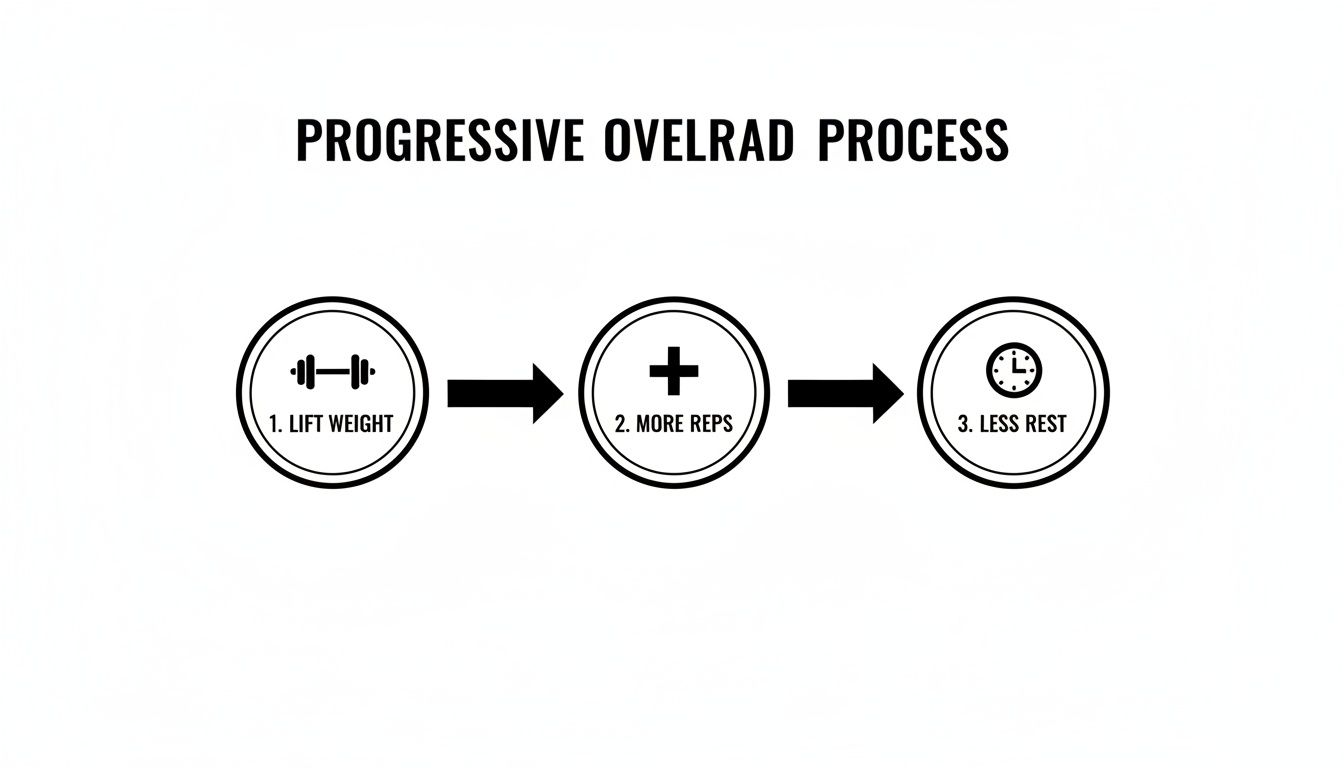
If you find yourself lifting the same ten-pound dumbbells for months, your progress has likely stalled. To see real change, you must embrace progressive overload for muscle growth. This principle states that for a muscle to grow and get stronger, it must be forced to adapt to a tension that it has not previously experienced.
One of the most effective progressive overload techniques for heavy resistance training is the 2-for-2 rule. This rule is simple: if you can perform two more repetitions than your target goal in the final set of an exercise for two consecutive workouts, it is time to increase the weight. This systematic approach ensures that you are always operating at an intensity that triggers muscle hypertrophy without jumping into loads that compromise your form.
Initially, your gains will be driven by neuromuscular adaptation—your body simply getting better at using the muscle it already has. Over time, however, the consistent application of mechanical tension leads to structural changes in the muscle fibers. By focusing on compound movements like squats, presses, and rows, you maximize the efficiency of your time in the gym. These movements involve multiple joints and muscle groups, allowing you to move heavier loads and stimulate more growth in less time.
5. Mental Resilience and CNS Adaptation
There is a psychological grit that comes from standing under a heavy barbell. Heavy resistance training requires a level of focus and mental fortitude that lighter weights do not demand. This mental resilience often carries over into other areas of life, providing you with the confidence to tackle difficult challenges outside the gym.
From a physiological standpoint, lifting heavy weights forces the central nervous system to recruit high-threshold motor units. These are the muscle fibers that are only called upon during maximal efforts. Training these units improves your overall power output and explosiveness. However, because this type of training is demanding on the nervous system, it is essential to incorporate periodization cycles.
You cannot go at 100% intensity every single week. Implementing deload weeks—where you reduce the weight or volume—allows your joints and nervous system to recover. This balanced approach prevents burnout and ensures that when you do return to lifting heavy weights, your body is primed to set new personal records. The combination of physical strength and mental toughness is what defines a truly elite athlete.
Safety First: How to Start Heavy Lifting
Safety in heavy resistance training begins with a "technique first" mindset. No amount of weight is worth an injury that sidelines you for months. Before you even consider reaching for the heaviest plates, you must master the mechanics of the movement. For beginners, this means starting with loads that allow for 8 to 10 repetitions with perfect form before transitioning to lower rep ranges.
Here are some essential heavy weight lifting safety tips for beginners:
- Master the Eccentric Phase: Control the weight on the way down; do not let gravity do the work. This builds joint stability and prevents jerky movements.
- The 10% Rule: Generally, avoid increasing the weight by more than 10% per week to allow your connective tissues time to adapt.
- Warm-Up Properly: Use dynamic stretches and ramp-up sets to prepare your joints for the main heavy resistance training safety protocol.
- Use a Spotter or Rack: When performing movements like the bench press or squat, always use safety pins or a partner to ensure you can safely exit the lift if you reach failure.
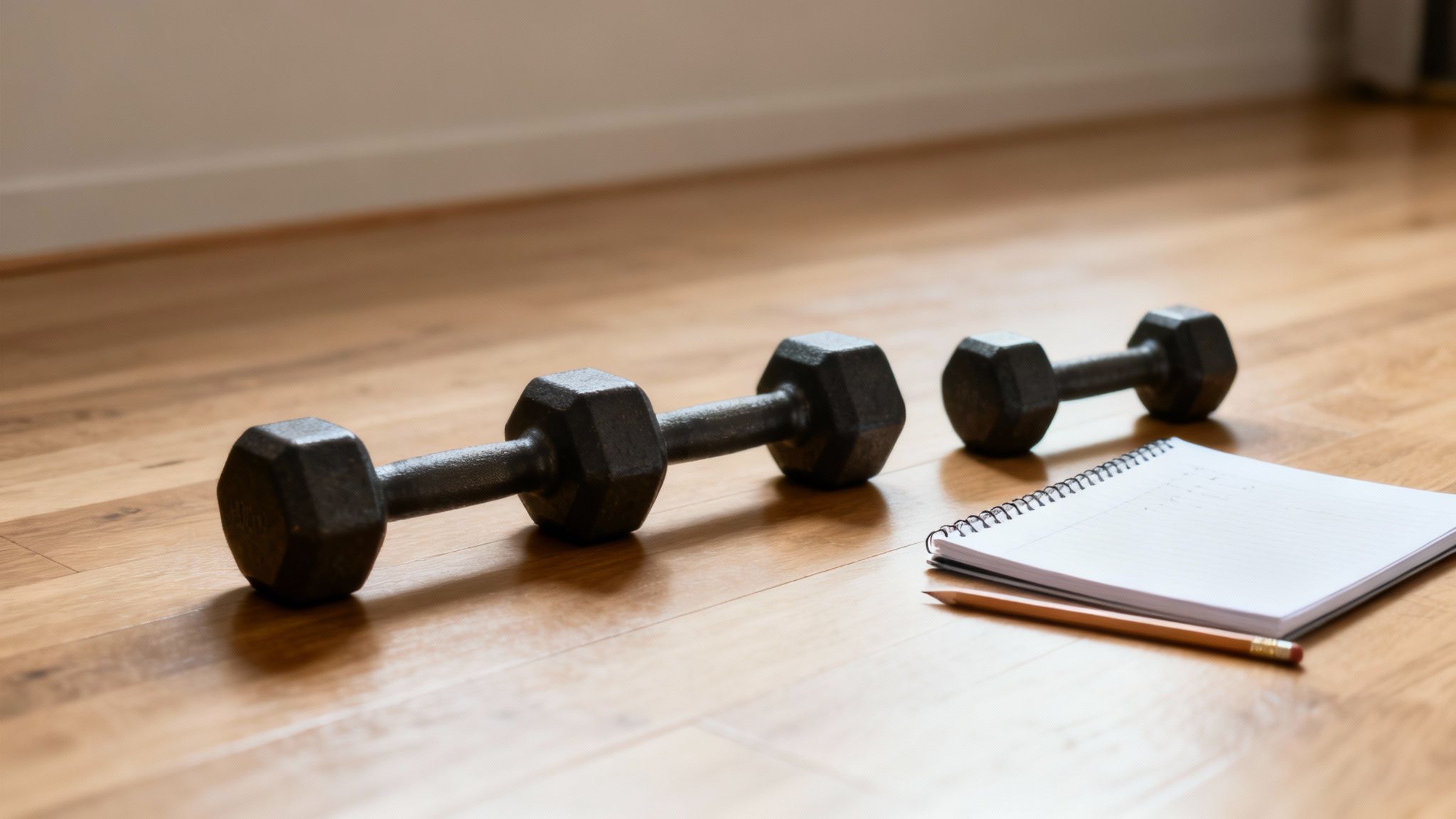
By respecting the weight and focusing on gradual progress, you turn the gym into a laboratory for self-improvement rather than a hazard zone. Success is built on the foundation of consistent demand and meticulous tracking of your progress.
FAQ
Is it better to lift heavy or light weights for muscle growth?
Both can stimulate muscle growth, but they do so through different mechanisms. Lifting heavy weights is more efficient for building absolute strength and bone density because it maximizes mechanical tension. Lighter weights often rely on metabolic stress and higher volumes. For most people looking for functional power and body recomposition, a focus on heavy to moderate weights (5-10 reps) provides the best return on investment for muscle hypertrophy.
Does lifting heavy weights make you bulky?
For the vast majority of people, the answer is no. "Bulk" is largely a result of a significant caloric surplus and specific high-volume bodybuilding training programs. For most individuals, especially those in a maintenance or deficit calorie phase, lifting heavy weights primarily improves muscle density and metabolic rate, leading to a leaner and more defined physique rather than excessive size.
Can lifting heavy weights help with weight loss?
Yes, it is one of the most effective tools for long-term weight management. While cardio burns more calories during the session, heavy lifting increases your basal metabolic rate by building lean muscle mass. This means you burn more calories at rest. Additionally, heavy resistance training helps ensure that the weight you lose comes from fat rather than muscle, which is essential for maintaining a healthy metabolism.
What is considered a heavy weight to lift?
Weight is relative to the individual. In a professional training context, a heavy weight is typically defined as a load that is 80% to 90% of your one-rep maximum. Practically, this means a weight that you can only lift for 5 to 8 repetitions with perfect form before reaching technical failure. If you could easily do 12 or 15 reps, the weight is considered light to moderate for your current strength level.
How do I know if a weight is too heavy for me?
A weight is too heavy if you cannot maintain perfect form through the entire range of motion. Indicators include "cheating" by using momentum, feeling sharp pain in the joints rather than a dull ache in the muscles, or being unable to control the eccentric (lowering) phase of the lift. If your form breaks down before you reach your target repetition count, you should reduce the weight and focus on technique.

Step onto the Platform
Adding heavy resistance to your routine is about more than just vanity; it is about building a body that is resilient, metabolically efficient, and capable of thriving as you age. Start by choosing one compound movement—like the squat or the overhead press—and focus on mastering the form today. As you begin to track your progress and apply the 2-for-2 rule, you will find that the strength you build in the gym creates a ripple effect of confidence and health throughout your entire life. Pick up the heavy weights; your future self will thank you.