Start your home workout transformation with the right gear. Our guide covers the best kettlebells of 2026, focusing on grip, durability, and space-saving designs for any fitness level. Whether you are looking to build functional strength training foundations or incinerate fat with high-intensity intervals, selecting the right tool is the first step toward peak athletic performance.
Our Top Picks
- Best Overall: Rogue Fitness Powder Coat — Unbeatable grip and a lifetime of durability.
- Best Adjustable: PowerBlock Adjustable Kettlebell — Top-tier space saving adjustable kettlebells for small apartments.
- Best for Floor Protection: Rep Fitness Rubber Coated — Features a protective rubber base kettlebells for hardwood floors.
- Best Value: Bells of Steel Cast Iron — The gold standard for budget friendly kettlebell sets for home strength training.
The best kettlebells for home use feature a secure, non-slip grip, a stable flat bottom for floor exercises, and a durable finish like powder coating or vinyl. Cast iron competition-style weights provide a consistent feel for technical lifts, while adjustable models are space-saving solutions for versatile training. Top-rated options prioritize handle comfort and impact resistance to ensure safety during dynamic movements like swings and snatches.
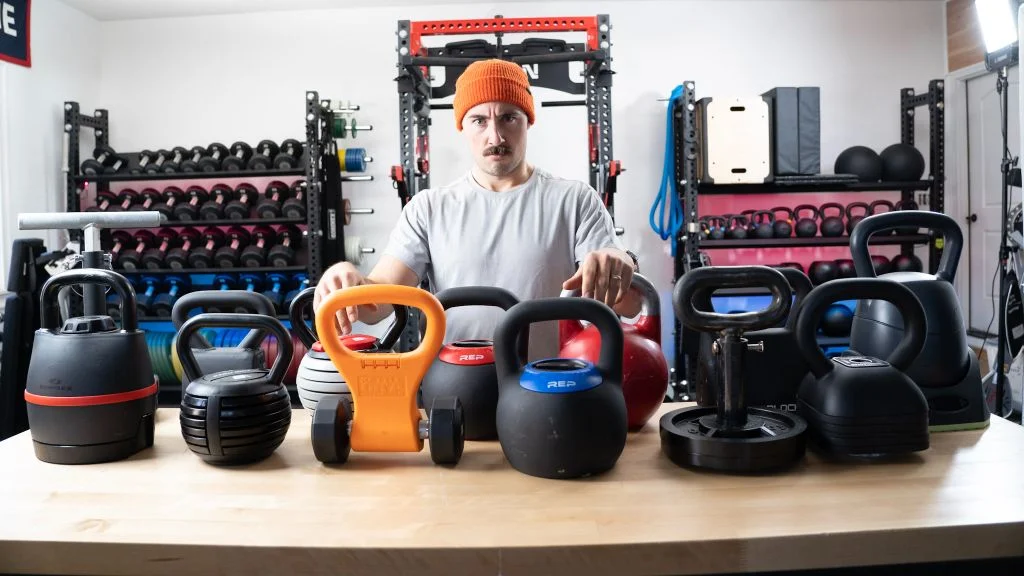
7 Best Kettlebells of 2026: Comparison at a Glance
| Product | Weight Range | Coating Type | Base Type | Ideal For |
|---|---|---|---|---|
| Rogue Powder Coat | 9 lbs - 88 lbs | Powder Coat | Machined Flat | Daily Training |
| PowerBlock Adjustable | 18 lbs - 35 lbs | Matte Powder | Contoured | Small Spaces |
| Rep Fitness Rubber | 9 lbs - 70 lbs | Rubber/Chrome | Rubber Coated | Floor Protection |
| Kettlebell Kings Comp | 8 kg - 48 kg | Bare Steel/Steel | Flat Steel | Technical Lifts |
| Bowflex SelectTech 840 | 8 lbs - 40 lbs | Hard Plastic | Wide Flat | Beginners |
| Bells of Steel Cast Iron | 4 kg - 48 kg | Powder Coat | Precision Flat | Value Seekers |
| Ironmaster Quick-Lock | 22.5 lbs - 80 lbs | Enamel | Plate Loaded | Heavy Lifters |
Expert Cue: When performing kettlebell swings, the power should come from your hips, not your arms. Focus on a sharp "snap" at the top of the movement to engage your glutes and core.
The Battle of Design: Adjustable Kettlebell vs Cast Iron for Home Gym
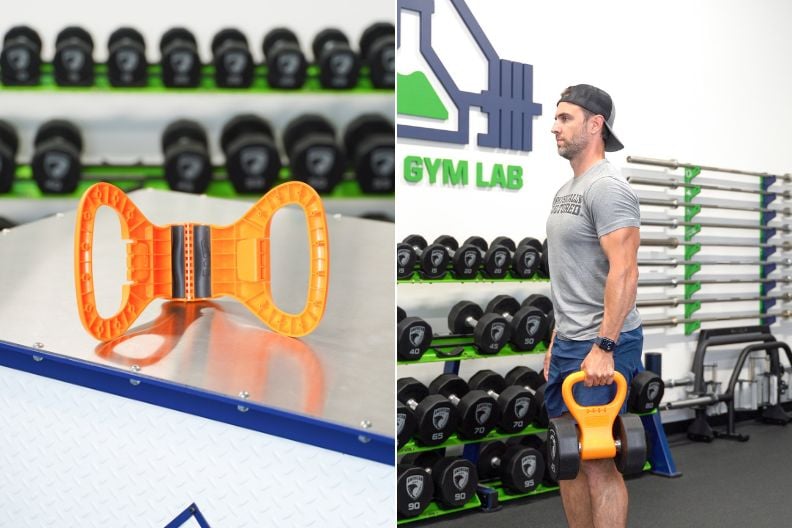
When building a performance-ready space, the primary decision often comes down to adjustable kettlebell vs cast iron for home gym setups. For many of my clients training in urban environments, space saving adjustable kettlebells for small apartments are the clear winner. These units, like the PowerBlock or Bowflex models, utilize internal weight increments that allow one piece of equipment to do the work of an entire rack.
The mechanics vary between brands. Some use a dial-adjust system that connects to nested weights, while others utilize plate-loaded systems or pin-selectors. While convenient, there is a trade-off. Traditional cast iron is nearly indestructible and offers a superior center of gravity. In dynamic exercises like the Turkish Get-Up, the solid one-piece construction of a cast iron bell feels more stable as the weight shifts over your wrist. If your goal is high-volume, high-velocity training, the durability of a solid bell is hard to beat.
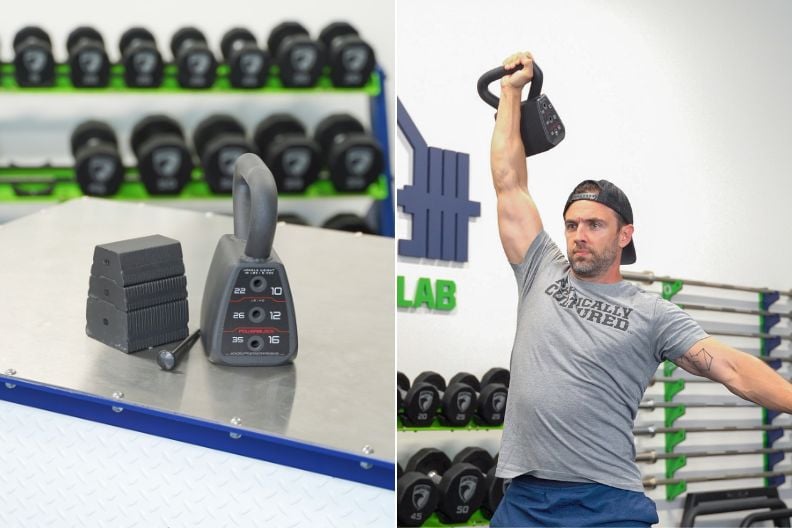
Grip and Performance: Powder Coated vs Vinyl Kettlebell Grip Performance
Grip is where a workout is won or lost. In our lab tests, we analyzed powder coated vs vinyl kettlebell grip performance under high-moisture conditions. For serious functional strength training, a powder-coated finish is the industry gold standard. This texture is designed to hold chalk and provide a natural, sandpaper-like feel that prevents the bell from slipping during high-rep kettlebell swings.
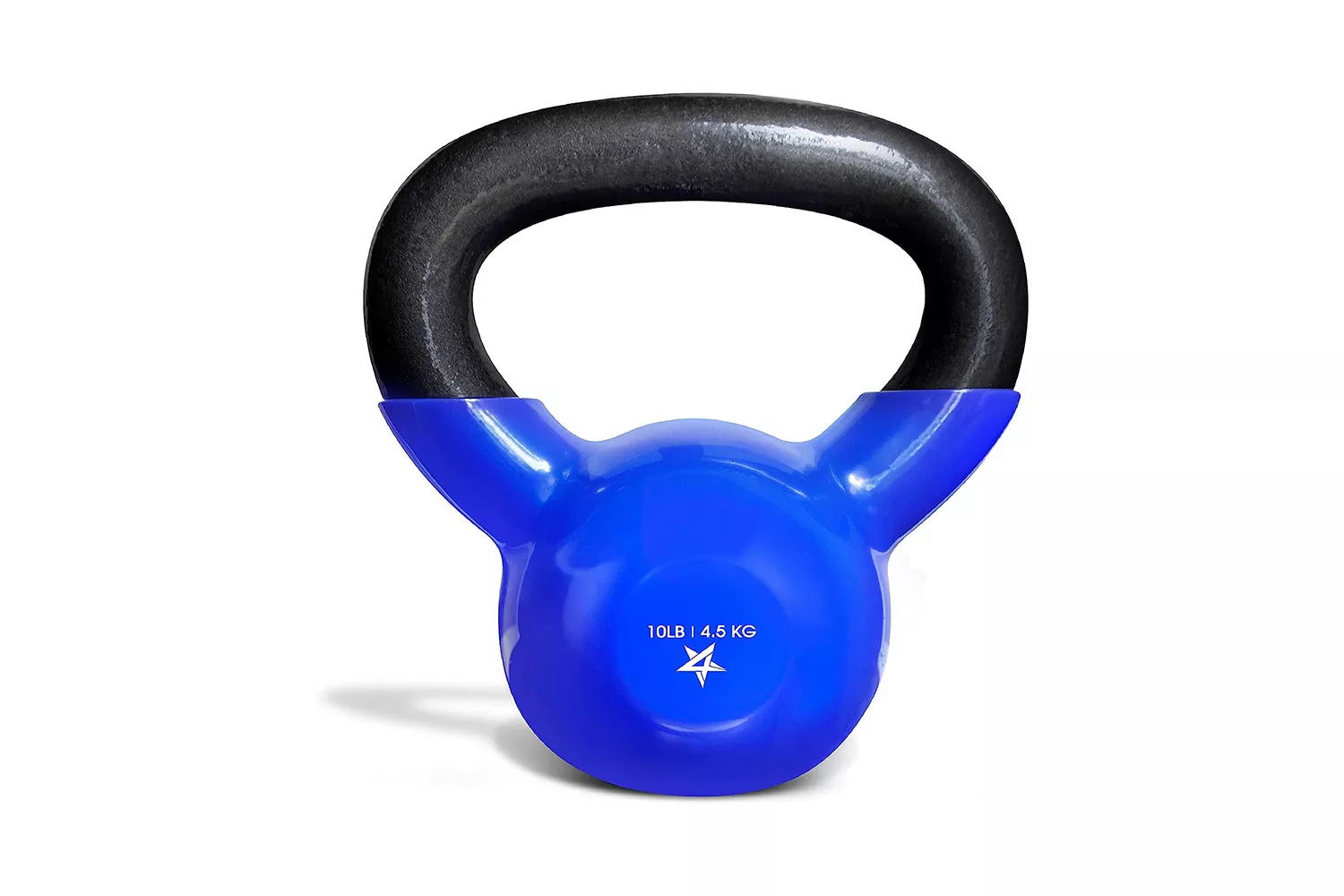
Vinyl-coated bells are often marketed toward beginners because they look less intimidating and come in bright colors. However, vinyl can become incredibly slick once you start to sweat. Moisture resistance is critical when you are moving a heavy weight at high speeds. While vinyl is easy to wipe down, it lacks the ergonomic design and textured handle grip required for advanced moves like the snatch or clean.
Finding Your Fit: Best Kettlebell Weight for Beginners Starting Out
One of the most frequent questions I receive as an editor is how to choose a kettlebell for dynamic exercises without risking injury. Determining the best kettlebell weight for beginners starting out is a balance between challenge and control. According to a study sponsored by the American Council on Exercise (ACE), the average kettlebell workout burns approximately 20 calories per minute, which is a massive 400 calories in just 20 minutes. To hit these metabolic numbers safely, form must remain perfect.
- For Men: A starting weight of 26 lbs (12 kg) to 35 lbs (16 kg) is typically recommended.
- For Women: A range of 18 lbs (8 kg) to 26 lbs (12 kg) provides enough resistance to build full-body conditioning.
These ranges allow entry-level lifters to master the hip hinge and overhead press before moving to heavier weight increments. A weight that is too light won't engage the posterior chain, while a weight that is too heavy will cause the lower back to compensate.
Durability and Floor Protection for Home Workouts
For those of us not lucky enough to have a dedicated garage gym with stall mats, floor protection is a major concern. Traditional iron can be unforgiving on wood or tile. Investing in protective rubber base kettlebells for hardwood floors is a smart move. These bells feature a thick rubber or urethane coating on the bottom, which dampens noise and prevents scratches when setting the weight down between sets of goblet squats.
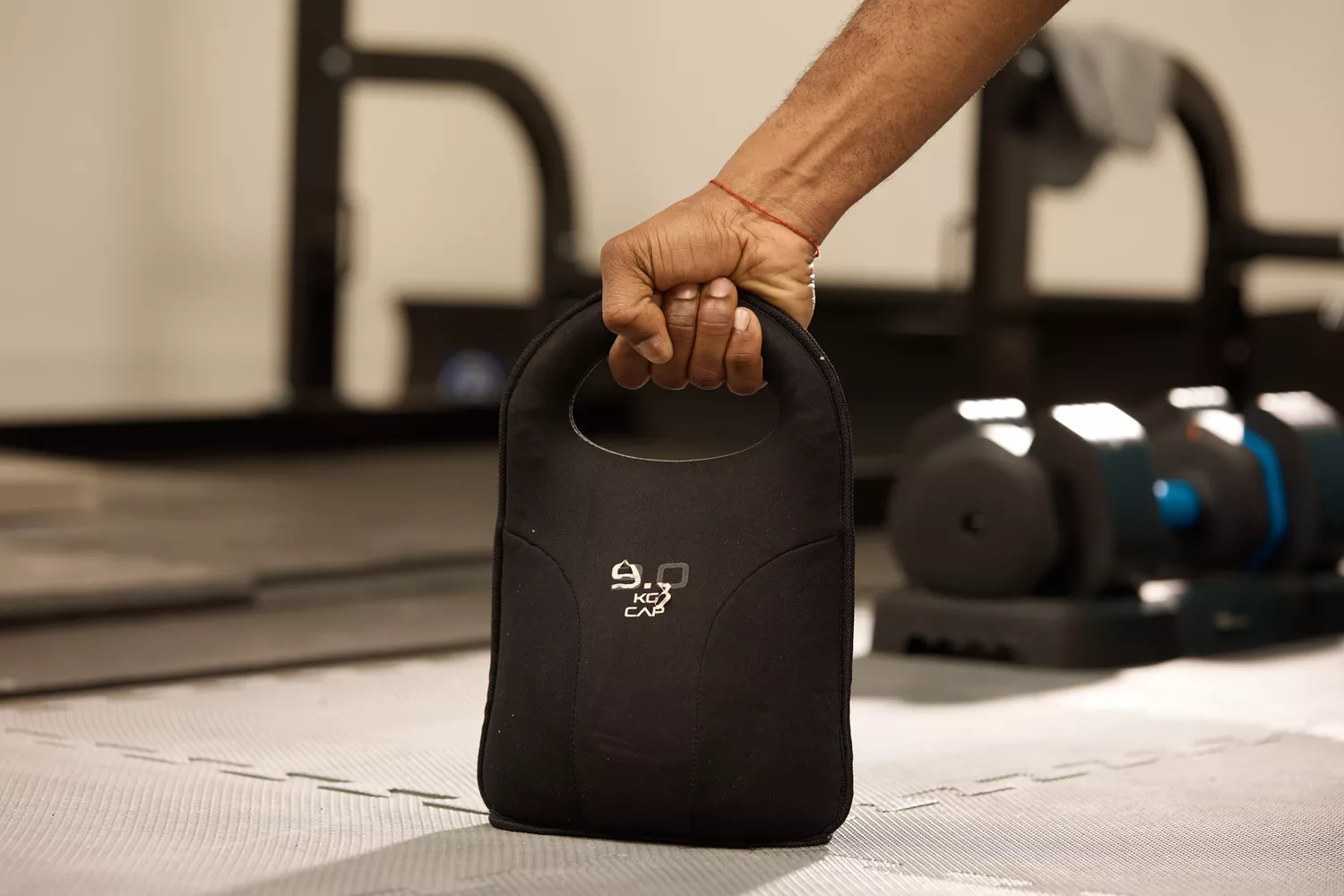
If you are on a budget, you might look into budget friendly kettlebell sets for home strength training that include a stand or a storage mat. Another option for apartment dwellers is the soft-shell kettlebell. These are filled with sand or steel shot and wrapped in a durable fabric. While they don't have the same balance for technical cleans, they offer the highest level of safety for your home infrastructure.
Expert Cue: Check the handle diameter before you buy. Most standard kettlebells have a 33mm to 35mm handle. If you have smaller hands, look for a competition-style bell which maintains a consistent 33mm handle regardless of the weight.
FAQ
What are the best kettlebells for beginners?
The best kettlebells for beginners are those with a medium-textured powder-coated finish and a wide handle that allows for a two-handed grip. Models like the Rogue Powder Coat or the Bowflex SelectTech 840 are excellent starting points because they provide stability and room for growth as your strength improves.
How do I choose the right kettlebell weight?
You should choose a weight that allows you to perform 10 to 15 clean repetitions of a swing with perfect form. For most beginners, this falls between 18 and 35 pounds. It should feel heavy enough to require a "snap" from your hips but light enough that you aren't straining your neck or shoulders to keep it moving.
Are cast iron or competition kettlebells better?
It depends on your goals. Cast iron kettlebells have handles that get thicker as the weight increases, making them great for building grip strength. Competition kettlebells maintain the exact same dimensions and handle diameter regardless of weight, which is better for athletes focused on high-repetition technical lifts like the snatch.
Are adjustable kettlebells worth the money?
Yes, especially if you are tight on space. While the initial cost of an adjustable unit may be higher than a single cast iron bell, it is significantly cheaper and more compact than buying five or six individual weights. They are perfect for progressive overload in a home setting.
What features should I look for in a high-quality kettlebell?
Look for a seamless handle (no rough casting seams that tear up your hands), a machined flat base so it doesn't wobble during floor work, and a durable finish like powder coating. Avoid bells with plastic plugs or loose-fitting parts that might rattle during explosive movements.
What is the difference between a kettlebell and a dumbbell?
A kettlebell has an offset center of gravity, meaning the weight hangs below the handle. This design makes it much more effective for ballistic, swinging movements that build explosive power. A dumbbell has a balanced center of gravity, making it better suited for slow, controlled movements like bicep curls or chest presses.
Selecting the right equipment is the foundation of any successful training program. By focusing on grip quality, floor protection, and the right weight increments, you can turn any small corner of your home into a high-performance training ground. Choose the best kettlebells for your specific goals and start swinging toward a stronger, more athletic version of yourself.