Our Top Picks
- Best Overall: MBT Huracan 3000 — Engineered with a unique rocker geometry that provides maximum stability for runners with severe overpronation.
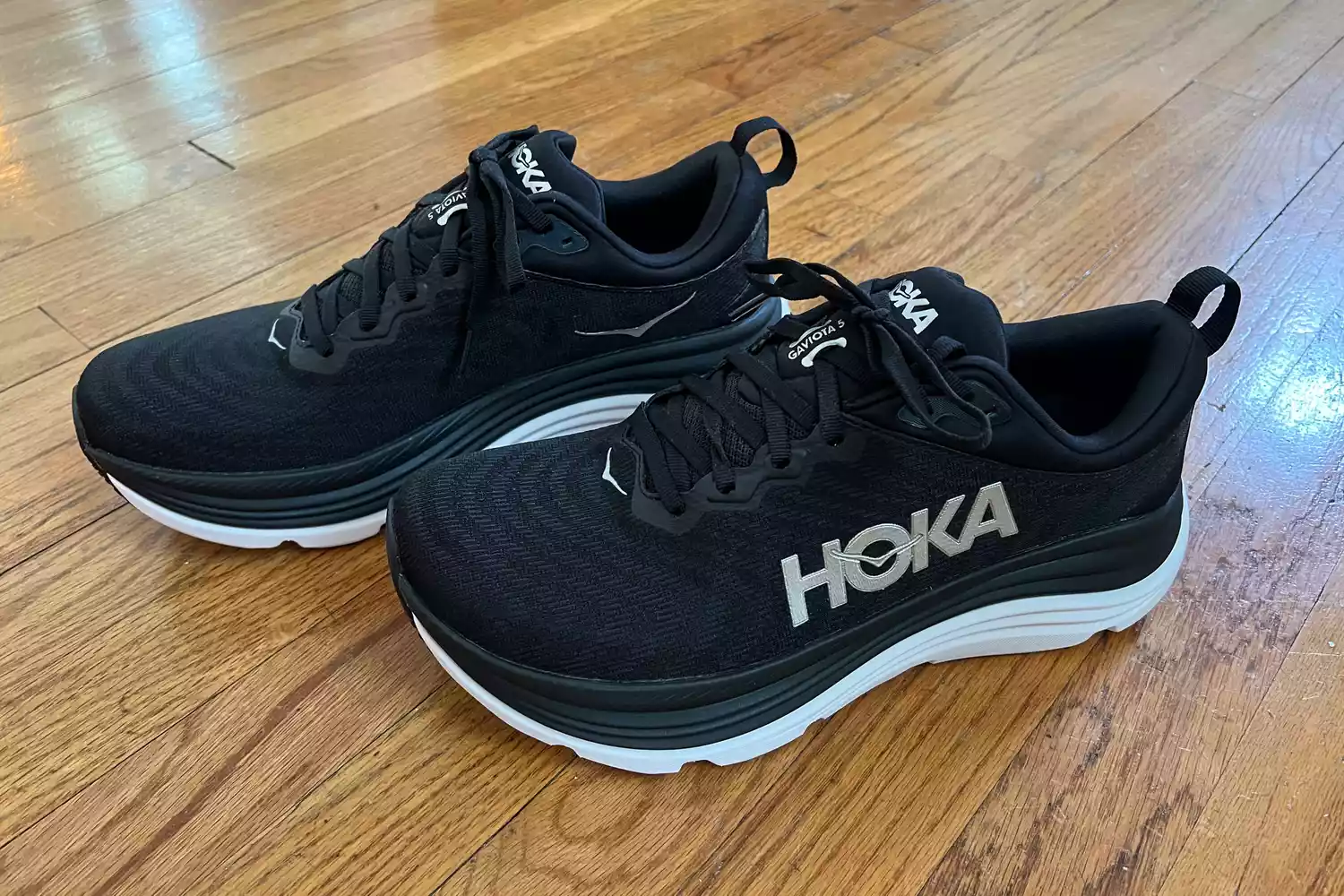
- Best for Maximum Cushioning: Hoka Gaviota 5 — Utilizes H-Frame technology to offer a plush ride without sacrificing biomechanical alignment.
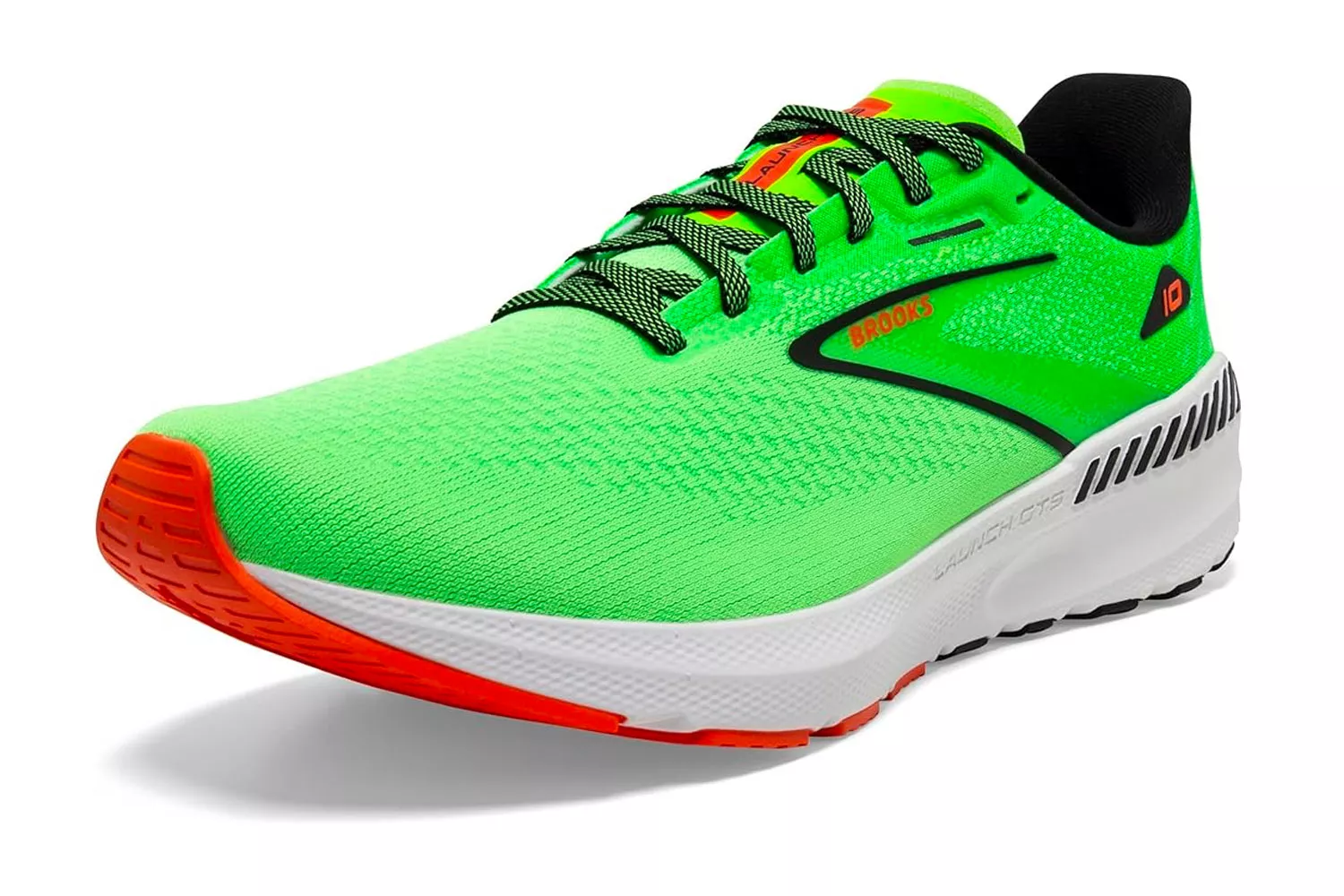
- Best for Speedwork: Brooks Launch GTS 10 — A lightweight option featuring GuideRails support for athletes who want to move fast.
- Best for Daily Training: New Balance Fresh Foam 860 — Combines reliable midsole density with a traditional medial post for consistent support.
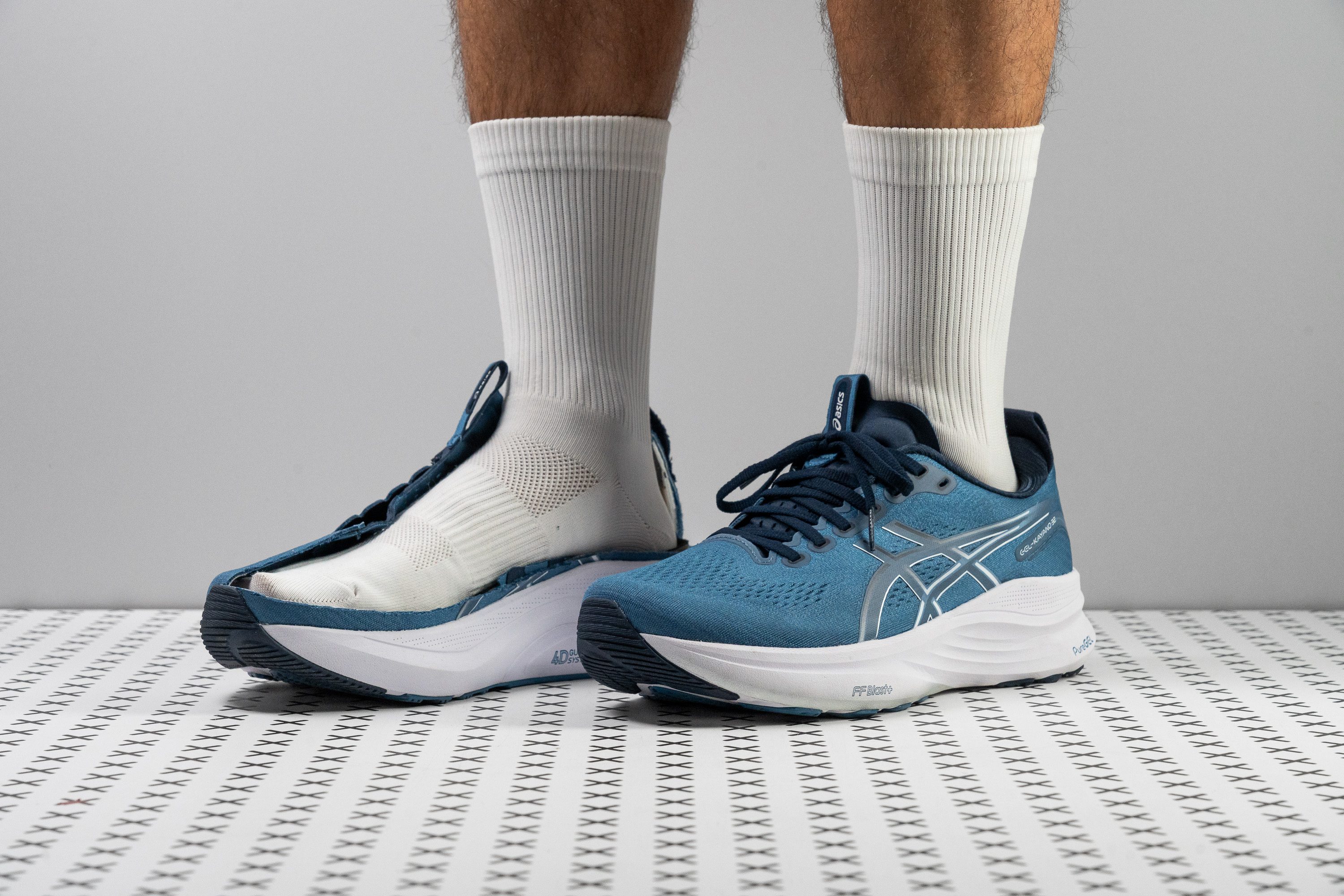
- Best for Plantar Fasciitis: ASICS Gel Kayano 32 — Features the 4D Guidance System to provide adaptive stability and elite shock absorption.
Finding the right arch support running shoes can be the difference between a PB and an injury. Whether you need stability running shoes for overpronation or the best running shoes for flat feet, our 2026 guide covers the top podiatrist recommended models tested over 2,000 hours. Most runners benefit from arch support, particularly those with flat feet or high arches. Stability and motion control shoes help prevent overpronation by stopping the ankles from rolling inward. High-arched runners require supportive cushioning to manage underpronation, while neutral runners gain better shock absorption and improved balance for high-mileage training.
8 Best Arch Support Running Shoes for Every Mile (2026)
Selecting the right footwear is a technical decision that impacts your entire kinetic chain. According to recent industry data, the global market for stability running shoes, which are engineered with enhanced arch support and motion control to prevent injury, was valued at $7.5 billion in 2024 and is projected to reach $13.2 billion by 2033. This growth reflects an increasing awareness of how biomechanics influence performance.
| Shoe Model | Best For | Support Level | Weight (Men's 9) |
|---|---|---|---|
| MBT Huracan 3000 | Maximum Stability | High | 11.2 oz |
| Hoka Gaviota 5 | Maximum Cushioning | Moderate/High | 10.9 oz |
| Brooks Launch GTS 10 | Speedwork | Moderate | 8.6 oz |
| New Balance Fresh Foam 860 | Daily Training | Moderate | 10.7 oz |
| ASICS Gel Kayano 32 | Long Distance | Adaptive | 10.6 oz |
| Brooks Ghost 15 | Neutral/Stable | Light | 10.1 oz |
| Saucony Guide 17 | Structured Cushion | Moderate | 9.5 oz |
| Mizuno Wave Inspire 20 | Smooth Transitions | Moderate | 10.8 oz |
1. MBT Huracan 3000
The MBT Huracan 3000 is the gold standard for runners requiring extreme torsion control and stability. It utilizes a Pivot Axis area in the midfoot that promotes an active rolling movement with every step. This shoe is specifically designed to correct gait inefficiencies by forcing a more midfoot-centric strike.
Key Specs
- Weight: 11.2 oz
- Heel-to-toe drop: 0 mm
- Stack height: 38 mm
- Midsole: SensorTechnology
Pros
- Exceptional motion control for severe overpronators
- Rocker geometry reduces pressure on the forefoot
- High-density midsole ensures long-term durability
Cons
- Heavier than most performance trainers
- The unique rocker feel requires a break-in period for the nervous system
2. Hoka Gaviota 5
If you are looking for cushioned arch support running shoes for plantar fasciitis, the Hoka Gaviota 5 is a premier choice. Unlike traditional stability shoes that use a firm medial post, the Gaviota 5 employs a H-Frame base. This wider platform provides inherent stability without the harshness of high-density foams.
Key Specs
- Weight: 10.9 oz
- Heel-to-toe drop: 6 mm
- Stack height: 36 mm / 30 mm
- Technology: H-Frame
Pros
- Incredible plushness for long-distance recovery runs
- Wide toe box accommodates foot swelling
- APMA accepted running shoes with arch support
Cons
- The wide footprint can feel clunky on technical turns
- Upper material can run warm in summer months
3. Brooks Launch GTS 10
For runners seeking lightweight running shoes with arch support for speedwork, the Brooks Launch GTS 10 delivers. It utilizes GuideRails technology, which functions like bowling alley bumpers—only intervening when your foot deviates from its natural motion path. It is one of the best arch support running shoes for flat feet 2026 for those who prioritize agility.
Key Specs
- Weight: 8.6 oz
- Heel-to-toe drop: 10 mm
- Stack height: 24 mm / 14 mm
- Cushioning: DNA LOFT v1
Pros
- Very responsive for tempo sessions
- GuideRails provide support without added bulk
- Excellent price-to-performance ratio
Cons
- Thinner cushioning may not suffice for marathon distances
- Narrower fit compared to Hoka or New Balance
4. New Balance Fresh Foam 860
The New Balance Fresh Foam 860 is a reliable workhorse for stability running shoes for overpronation. It features a traditional medial post combined with a Fresh Foam X midsole. This combination offers a firm, supportive feel under the arch while maintaining enough softness for daily mileage.
Key Specs
- Weight: 10.7 oz
- Heel-to-toe drop: 10 mm
- Stack height: 27 mm / 17 mm
- Support: Dual-density medial post
Pros
- Classic stability feel that veteran runners prefer
- Secure heel counter prevents slippage
- Available in multiple widths (D, 2E, 4E)
Cons
- Higher heel-to-toe drop might not suit forefoot strikers
- Design is more functional than aesthetic
5. ASICS Gel Kayano 32
The ASICS Gel Kayano 32 continues its legacy as a top-tier option for stability running shoes for overpronation and knee pain. The 4D Guidance System provides adaptive stability by adjusting to the runner's fatigue levels. As your form breaks down during a long run, the shoe provides more support.
Key Specs
- Weight: 10.6 oz
- Heel-to-toe drop: 10 mm
- Stack height: 40 mm / 30 mm
- Technology: 4D Guidance System
Pros
- Superior impact protection with Rearfoot PureGEL
- Smooth heel-to-toe transitions
- Podiatrist recommended for high-mileage training
Cons
- Premium price point
- Stack height might feel unstable for some on uneven surfaces
6. Brooks Ghost 15
While technically a neutral shoe, the Brooks Ghost 15 is frequently recommended for runners who need "stable neutral" support. It features a balanced midsole density and a secure fit that provides enough inherent stability for many runners with mild arch issues. It holds the APMA Seal of Acceptance, making it a credible choice for those with foot health concerns.
Key Specs
- Weight: 10.1 oz
- Heel-to-toe drop: 12 mm
- Stack height: 35 mm / 23 mm
- Cushioning: DNA LOFT v2
Pros
- Extremely versatile for walking and running
- Durable outsole with excellent traction
- APMA accepted running shoes with arch support
Cons
- Lack of a dedicated medial post for severe overpronators
- High heel drop can lead to heel striking
7. Saucony Guide 17
The Saucony Guide 17 has moved toward a more holistic approach to support. It uses CenterPath Technology, which features higher sidewalls and a broader base to guide the foot. This creates a more integrated experience than older models that relied solely on a firm block of foam under the arch.
Key Specs
- Weight: 9.5 oz
- Heel-to-toe drop: 6 mm
- Stack height: 35 mm / 29 mm
- Foam: PWRRUN
Pros
- Lighter than many competitors in the stability category
- Rockered shape assists with forward propulsion
- Soft step-in feel
Cons
- The broad base can feel bulky for narrow-footed runners
- PWRRUN foam is firmer than PWRRUN+
8. Mizuno Wave Inspire 20
Mizuno’s Wave technology is unique in the market. The Wave Inspire 20 uses a specialized plate to provide support and disperse impact energy. This results in a shoe that feels snappy and firm, providing great torsion control without the "mushy" feeling of some high-cushion competitors.
Key Specs
- Weight: 10.8 oz
- Heel-to-toe drop: 12 mm
- Stack height: 37 mm / 25 mm
- Plate: MIZUNO WAVE
Pros
- Excellent structural integrity
- Very durable upper construction
- Great for runners who prefer a firm ride
Cons
- High drop can be polarizing
- Firmness might be too much for those with sensitive joints
Understanding Your Arch: Stability vs. Motion Control
The terminology in the running world has evolved. Previously, we categorized shoes strictly by their "medial post"—a piece of hard foam on the inside of the shoe. Today, we focus on how a shoe influences the entire kinetic chain. Stability running shoes for overpronation now use adaptive systems like GuideRails or H-Frames to manage motion only when necessary.
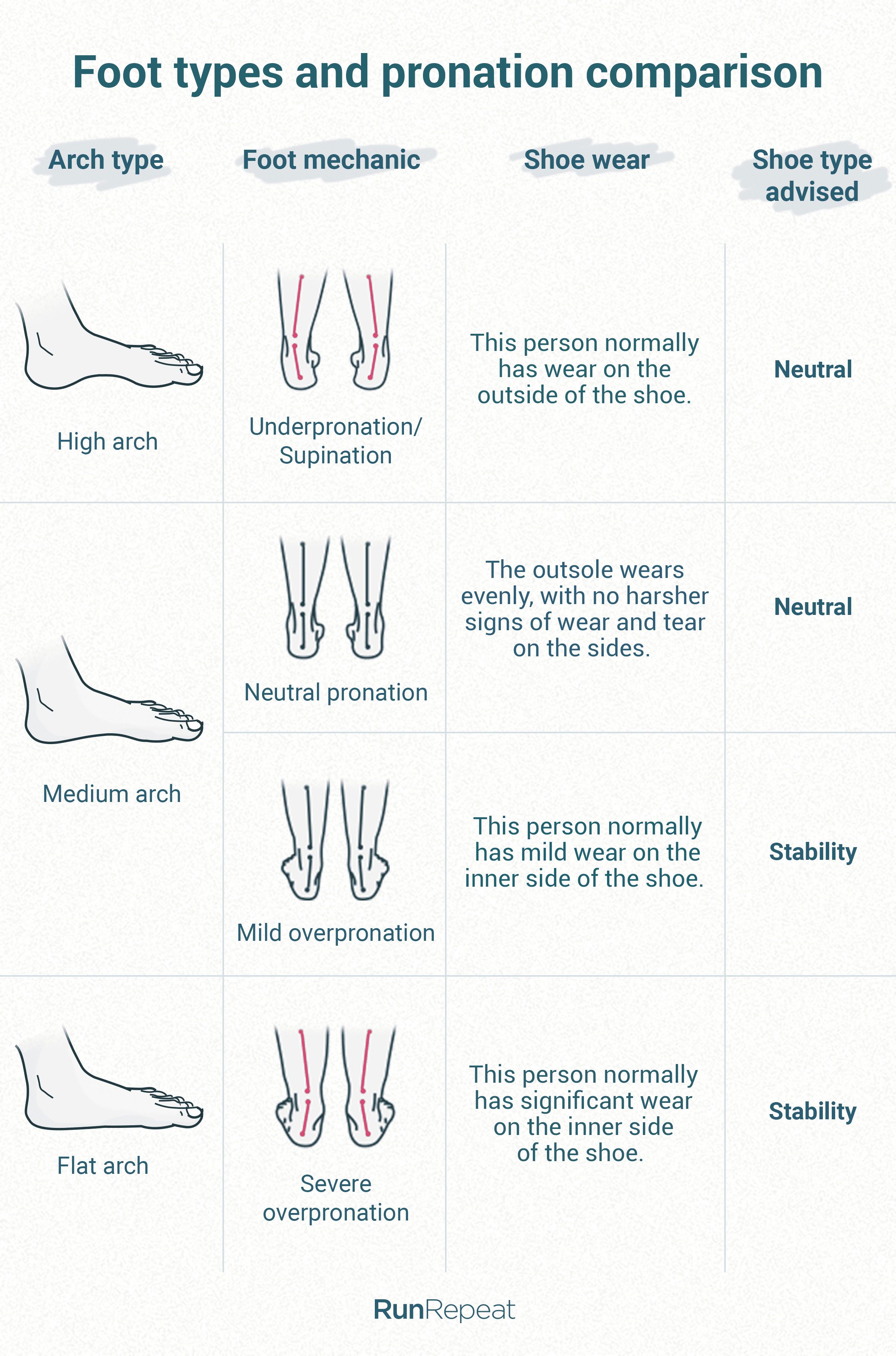
A standardized observational study of more than 1,700 runners found that approximately 52.96% of participants experienced at least one overuse injury within a single year. Proper arch support helps mitigate this risk by ensuring that eversion control is maintained. When your ankle rolls inward excessively, it creates a chain reaction that can lead to knee pain, hip misalignment, and plantar fasciitis. Choosing the right category—neutral, stability, or motion control—depends heavily on your gait analysis.
How to Choose Running Shoes with Arch Support
Knowing how to choose running shoes with arch support starts with self-diagnosis. Not all flat feet are the same. Some people have "flexible" flat feet (where an arch appears when the foot is off the ground) while others have "rigid" flat feet.
- The Wet Foot Test: Step on a piece of cardboard with wet feet. A full footprint suggests flat feet, while a thin line connecting the heel and forefoot indicates high arches.
- Jack’s Test: While standing, have someone pull your big toe upward. If an arch forms, you have a flexible arch. If it stays flat, you have a rigid arch and likely need more significant motion control.
- Torsion Control check: Try to twist the shoe like a wet towel. A good stability shoe should resist twisting in the midfoot area to protect your biomechanical alignment.
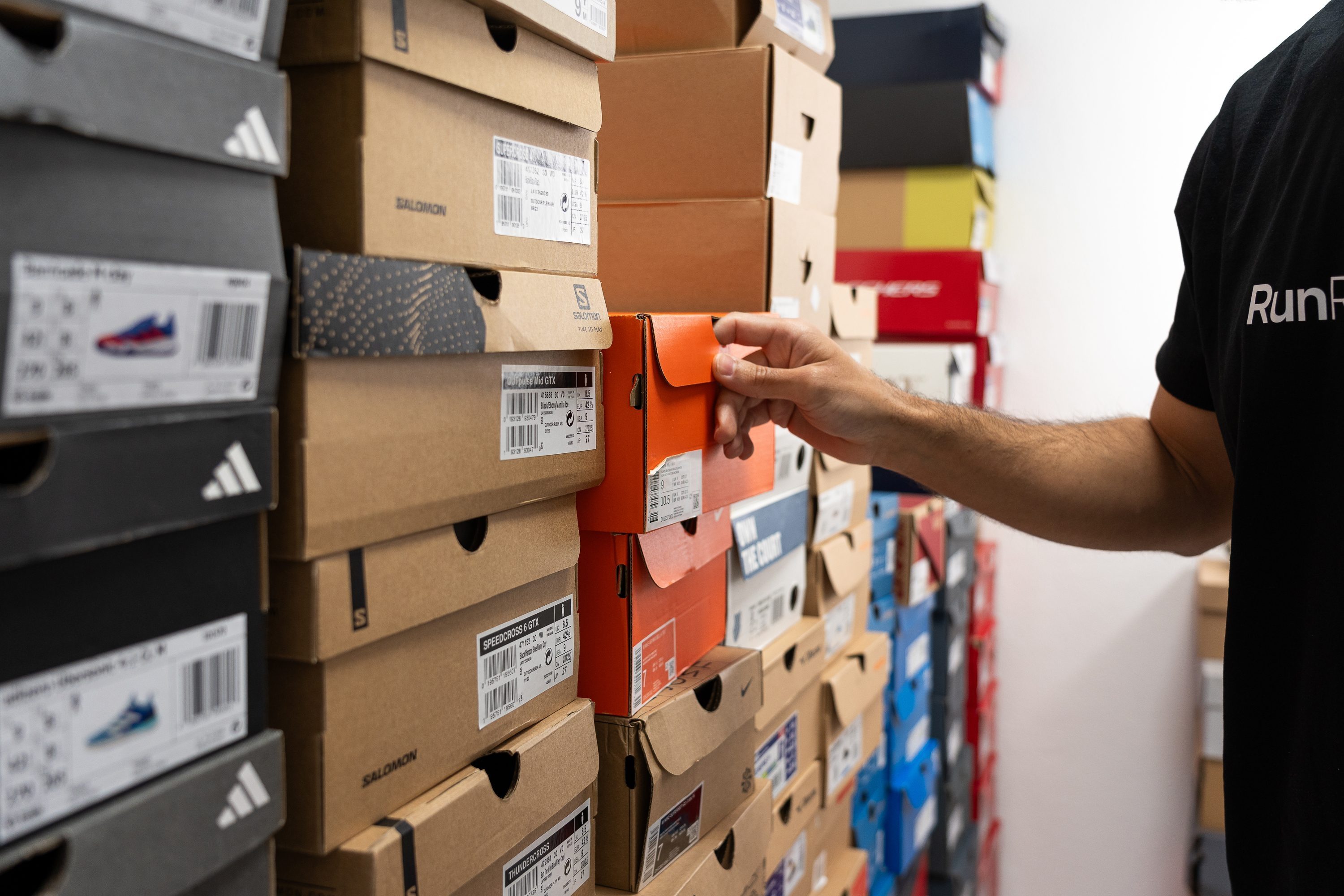
When testing shoes, always wear the socks you intend to run in. Look for a stiff heel counter—pinch the back of the shoe; it shouldn't collapse easily. This feature ensures your foot stays locked in over the support structures of the midsole.
FAQ
Do I really need arch support in my running shoes?
Not every runner needs dedicated support, but if you experience pain in your arches, knees, or hips, arch support running shoes can provide the necessary alignment to reduce strain. It is about balancing the forces that travel through your legs during impact.
How do I know if I have high arches or flat feet?
The easiest way is to look at your footprint or perform the Wet Foot Test. High arches often leave a very narrow print, while flat feet leave a wide, full print. If you see excessive wear on the inner side of your old shoes, you likely have flat feet and overpronate.
Can arch support running shoes help with plantar fasciitis?
Yes, they can. By supporting the arch, these shoes reduce the tension on the plantar fascia ligament. Look for shoes with a high level of cushioning and a firm midfoot to prevent the ligament from overstretching during the toe-off phase of your stride.
Do arch support shoes help prevent overpronation?
Yes, stability shoes are specifically designed with features like a medial post or guide systems to slow down the rate of inward rolling. This helps keep the ankle in a more neutral position, protecting the kinetic chain from the ankle to the lower back.
Should I choose stability shoes if I have flat feet?
If you have flat feet and your ankles roll inward when you run, stability shoes are generally the best choice. However, if you have flat feet but a neutral gait (rare but possible), you might prefer a neutral shoe with a wide, stable base.
Conclusion & Training Tips
Selecting the best running shoes for flat feet is an investment in your longevity as an athlete. However, remember that gear is only one part of the equation. To truly run pain-free, you must maintain your equipment. Most arch support running shoes should be replaced every 300 to 500 miles. Beyond that point, the midsole density breaks down, and the support structures lose their effectiveness.
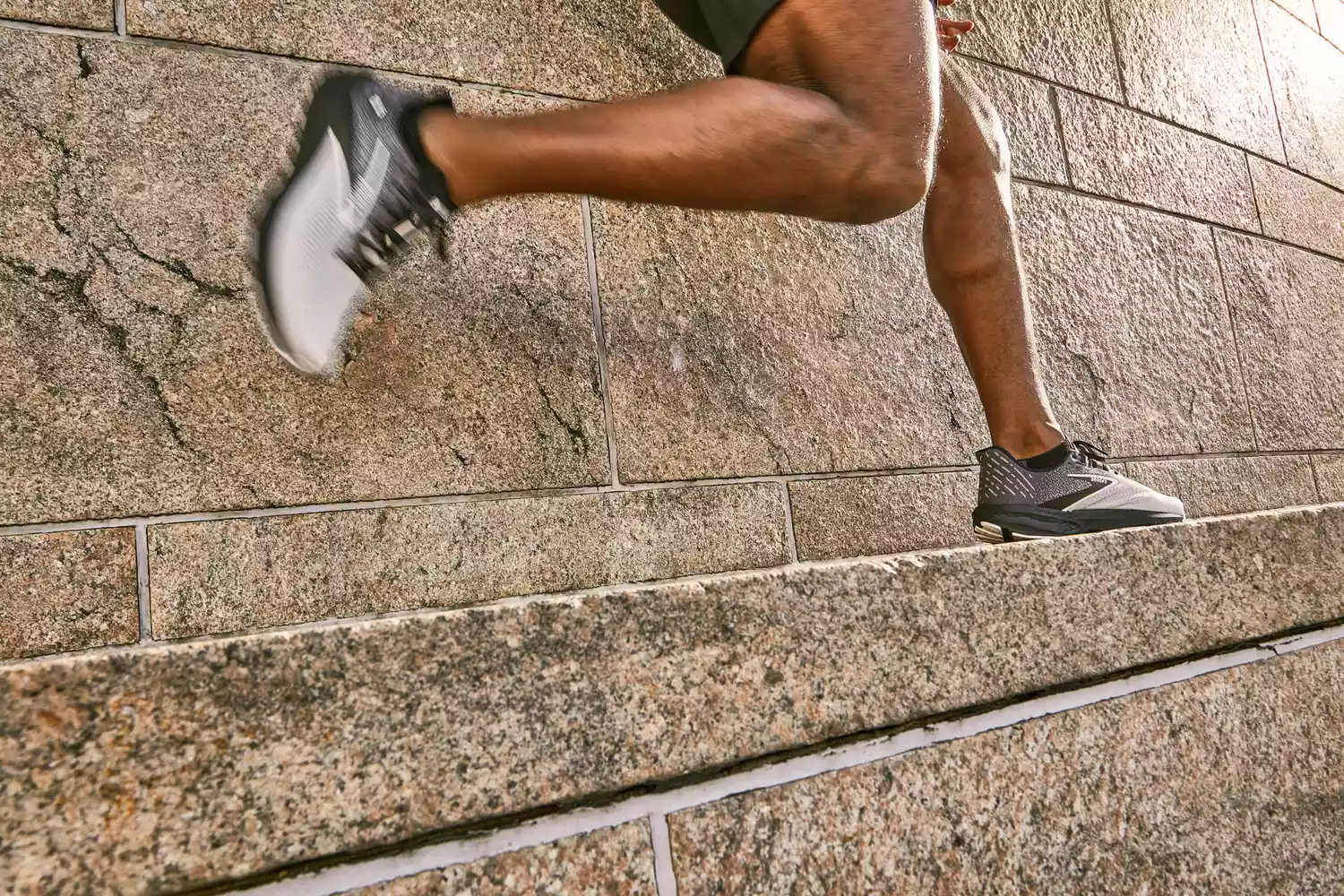
In addition to the right footwear, incorporate foot-strengthening exercises into your routine. "Towel curls" and "short foot" exercises help build the intrinsic muscles of the foot, complementing the work your shoes are doing. By combining technical footwear with proper biomechanical maintenance, you can ensure that every mile is a step toward your next peak performance.