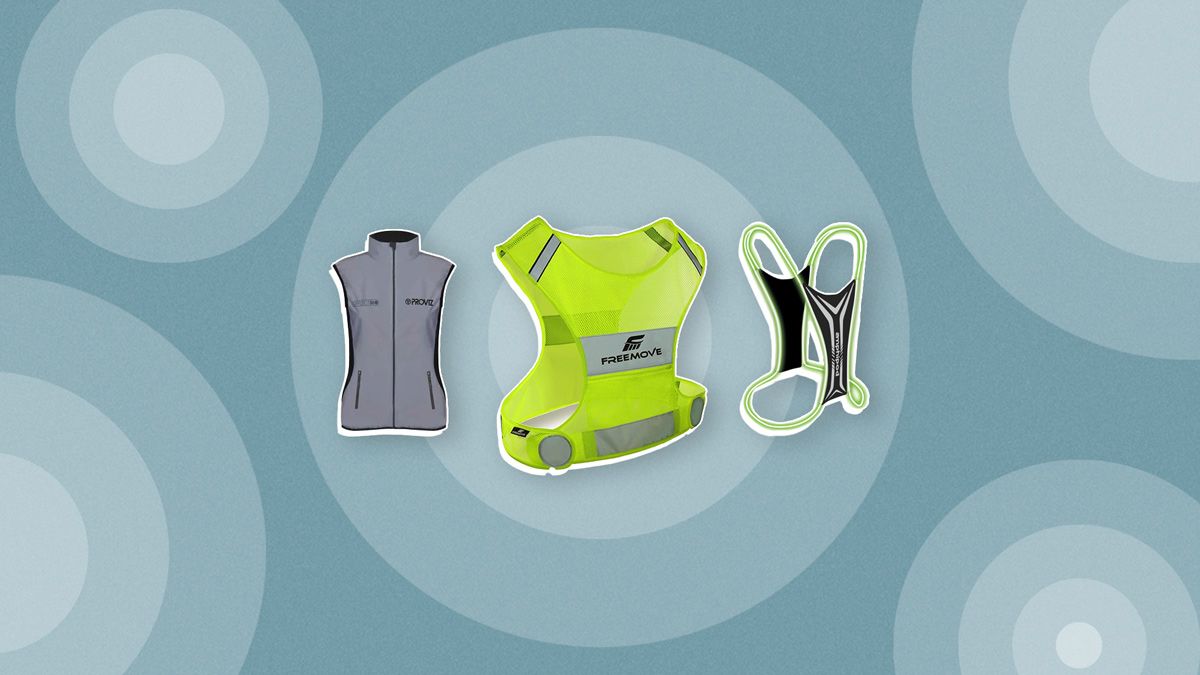
Quick Facts
- Safety Priority: Maximum visibility and situational awareness are your primary defenses during low-light sessions.
- Critical Stat: Facing oncoming traffic reduces your risk of being struck by a vehicle by 77%.
- Gear Baseline: Aim for a headlamp or chest light with 200 to 500 lumens for effective path navigation and hazard identification.
- Visibility Distance: High-quality retroreflective gear increases your visibility distance for drivers from 80 feet to over 500 feet.
- Technical Standard: Select gear with at least an IP67 water-resistance rating to ensure durability against rain and sweat.
- Communication: Always share your live location with a trusted contact before starting any night running safety routine.
To ensure night running safety, prioritize visibility and situational awareness. Wear high-visibility reflective clothing, such as a light vest or ankle bands, and use a headlamp or chest light to illuminate your path. Always plan your route through well-lit, populated areas and run against the flow of traffic so you can see oncoming vehicles. Additionally, keep your music volume low or use bone-conduction headphones to remain alert to environmental sounds like sirens or approaching cyclists.
1. Master Active Illumination with the Best Headlamps
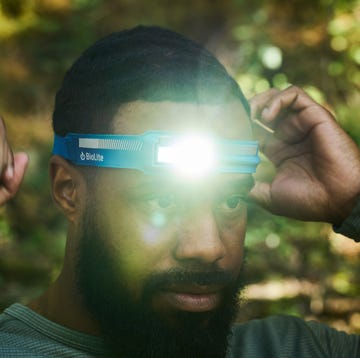
When the sun goes down, your primary goal shifts from performance alone to performance plus navigation. The first rule of night running safety is understanding the difference between being seen and actually seeing. While reflective tape helps cars spot you, active illumination helps you spot the terrain. You need a light source that identifies obstacles before they become injuries.
For most urban and suburban environments, the best headlamps for running on dark paths should offer between 200 and 500 lumens. This range provides enough clarity to highlight potholes, slick patches, or uneven sidewalk cracks from at least 20 feet away. If you are venturing onto unpaved trails, you might even look for 600+ lumens to penetrate deep shadows and dense foliage.
Modern lighting technology has moved beyond heavy, bouncing battery packs. Look for USB-rechargeable units that offer a balanced weight distribution across the forehead. A crucial feature for any runner is the availability of multiple strobe modes. Use a steady beam to light your way, but consider a secondary red strobe or a low-intensity flash for your rear-facing light to alert anyone coming up behind you. Battery management is key; always ensure your light is fully charged before heading out, as low-light conditions can cause your pupils to dilate, making a sudden light failure disorienting.
2. Leverage the Science of Biomotion and Reflective Gear
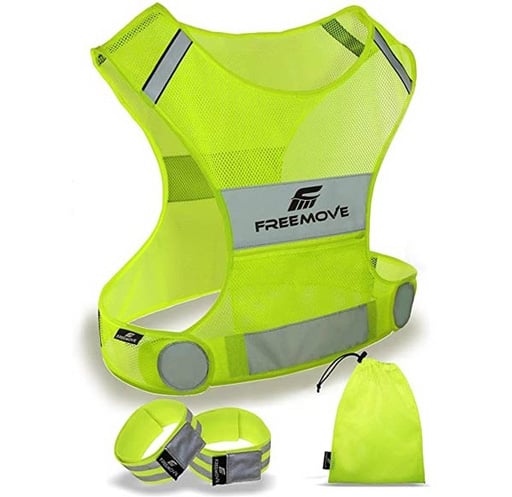
Visibility is not just about how much light you wear, but where you place it. This brings us to the concept of biomotion. Drivers are programmed to recognize human movement patterns faster than static shapes. By placing reflective running gear for night visibility on your moving joints—specifically your ankles and wrists—you help the human brain behind the wheel identify you as a runner rather than a road sign or a fence post.
Research shows that wearing retroreflective gear and active LED lighting can increase a runner's visibility distance for drivers from approximately 80 feet to over 500 feet. This grants drivers several additional seconds of reaction time, which can be the difference between a close call and an accident. Passive reflective materials depend on a car's headlights hitting them; active LED gear, however, provides its own light source, which is vital for intersections or areas with poor street lighting.
Biomotion Science: Humans can identify a person in the dark much faster when light is reflected off moving limbs. Ankle bands are particularly effective because the rapid "up-and-down" motion of your stride is a unique human signature that drivers recognize instantly.
| Gear Category | Items to Consider | Purpose |
|---|---|---|
| Must-Have | Headlamp (200-500 lumens) | Illuminates path and hazards |
| Must-Have | Reflective Ankle Bands | Highlights biomotion for drivers |
| Must-Have | ID Tags/Phone | Emergency contact info |
| Nice-to-Have | LED Chest Vest | 360-degree active visibility |
| Nice-to-Have | Bone-conduction Headphones | Situational awareness |
| Nice-to-Have | Clip-on Strobe Lights | Extra visibility for packs/waist |
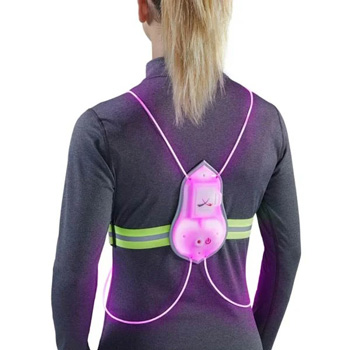
Active LED vests are becoming the gold standard for high-performance night runners. Unlike a basic sash, these vests provide 360-degree illumination, ensuring you are visible from the side—a critical angle at intersections.
3. Strategically Plan Your Nighttime Running Route
Performance training often involves pushing into the unknown, but nighttime is not the time for exploration. When you are nighttime running route planning, stick to what you know. Familiar urban terrain is safer because you already know where the persistent puddles, loose gravel, and steep curbs are located.
Choose paths that are well-lit by consistent street lamps. Avoid unpaved trails or secluded parks that lack lighting, even if they are your favorite daytime spots. Potholes and roots become treacherous when shadows are long and contrast is low. If you must run a new route, drive it first during the day to look for construction zones or areas where the sidewalk ends abruptly. Staying in pedestrian-heavy zones might feel more crowded, but "safety in numbers" is a real factor; you want to be in areas where people expect to see pedestrians and where help is readily available if you roll an ankle.
4. Always Run Against the Flow of Traffic
One of the most fundamental tips for running in the dark is also the most ignored: always face oncoming traffic. By running against the flow, you take control of your own safety. You can see a car’s headlights and adjust your position long before the driver might see you. If a vehicle is drifting toward the shoulder, you have the visual cues necessary to jump onto the grass or sidewalk.
NHTSA Safety Statistics: According to data from the National Highway Traffic Safety Administration, approximately 77% of pedestrian fatalities occur during nighttime or low-light conditions. However, pedestrians who face oncoming traffic have a 77% lower risk of being hit by a vehicle.
This simple change in road etiquette maximizes your reaction time and leverages your peripheral vision. When you run with traffic at your back, you are completely reliant on the driver’s attention and the quality of your reflective gear. Facing traffic allows for eye contact with drivers at intersections, which is a key safety precautions for running in the dark measure.
5. Balance Music with Situational Awareness
As a fitness editor, I know how much a good playlist can drive your splits. However, night running safety demands that you don't trade your hearing for high-tempo beats. When visibility is low, your auditory cues become your primary sense for detecting danger. You need to hear the hum of a hybrid engine, the click of a cyclist’s gears, or the footsteps of someone approaching from behind.
I highly recommend using bone-conduction headphones. These devices sit outside your ear canal, leaving your ears open to hear environmental sounds while still delivering clear audio. If you prefer traditional earbuds, use only one or keep the volume low enough that you can still hear a person speaking at a normal volume nearby. Maintaining this balance ensures you aren't surprised by sirens or shouting, which can lead to panicked movements and potential falls.
6. Utilize Smartphone Safety Tech and Location Sharing
Your smartphone is a powerful safety tool, provided you use it correctly. Before you lace up, use a live location sharing app to let a friend or family member know your intended route and expected return time. Apps like Strava Beacon or Garmin LiveTrack allow your contacts to see your exact coordinates in real-time.
Beyond tracking, make sure your emergency contacts are easily accessible via your phone’s lock screen. Most modern devices have a Health ID or Emergency SOS feature that can be triggered by a specific button sequence. While your phone has a built-in flashlight, consider it a backup only. Relying on your phone light as a primary source is risky because it drains the battery quickly and lacks the focused beam of a dedicated headlamp. Keep your phone tucked away in a secure, sweat-proof pocket so it’s available if you need to call for help but isn't a distraction during your workout.
7. Prepare for Cold-Weather Night Runs
Nighttime temperatures can drop significantly faster than daytime ones, especially in the winter months. For those early dark morning runs, your gear needs to be moisture-wicking and adjustable. Sweat is your enemy in the cold; once you stop moving, damp clothing can lead to a rapid drop in body temperature.
I suggest layering with light, breathable fabrics that have integrated reflective elements. If you find yourself running on unseen uneven surfaces more often at night, focus your strength training on your glutes, calves, and ankles. Stronger stabilizer muscles provide better protection against the minor slips and trips that occur when you can't perfectly see the ground. Also, don't forget hydration. Even though you aren't feeling the heat of the sun, your body still loses significant fluids through respiration and sweat in the dry, cold night air.
8. Safety in Numbers: Running with Partners or Pets
The most effective way to improve your safety profile is to not run alone. If possible, join a local running group or find a partner for your evening sessions. A group of runners with multiple lights and reflective vests is far more visible to traffic than a solo athlete.
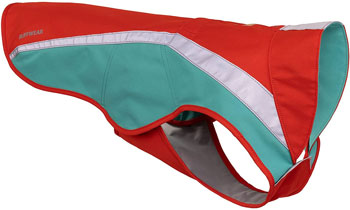
If your "partner" is of the four-legged variety, remember that they need night running safety gear too. Dogs are much lower to the ground and harder for drivers to see. Equip your pet with a reflective dog jacket and an LED collar. Keep them on a short, non-retractable leash to ensure they stay close to you and away from the road. Managing a dog at night requires extra attention to road etiquette, as they may be spooked by shadows or sudden movements that they would ignore during the day.
Before we wrap up, remember that training at night is a skill like any other. It requires better gear, sharper focus, and a disciplined approach to route planning. By following these expert tips, you can maintain your training volume year-round without compromising your health.
FAQ
Is it safe to run at night by yourself?
Running at night by yourself can be safe if you take specific precautions. You must prioritize high-visibility gear, stick to well-lit and familiar urban terrain, and always keep a phone with live location sharing active. While running in pairs is always safer, solo runners can minimize risk by staying alert, facing traffic, and avoiding secluded areas.
What is the best gear for running in the dark?
The essential gear list includes a headlamp with 200-500 lumens, reflective ankle bands to highlight biomotion, and an active LED vest for 360-degree visibility. Additionally, bone-conduction headphones are recommended to maintain situational awareness. Carrying a form of ID and a fully charged smartphone for emergency communication is also critical.
How can I be more visible to cars while running at night?
To maximize visibility, combine passive reflective materials with active LED lighting. Wear reflective gear on your moving joints like wrists and ankles so drivers recognize your human movement. Use a strobe light on your back and a bright headlamp on your front. Wearing bright, fluorescent colors also helps in the transitional light of dusk and dawn.
Is it safer to run against or with traffic at night?
It is significantly safer to run against the flow of traffic. This allows you to see oncoming vehicles and react to their movements. Research shows that runners who face traffic have a 77% lower risk of being involved in an accident compared to those who run in the same direction as cars.
Can I listen to music while running at night?
You can listen to music, but you must do so responsibly. Use bone-conduction headphones or keep the volume low enough to hear your surroundings. Auditory cues like approaching cars, cyclists, or emergency sirens are your most important safety signals when your vision is limited by low-light conditions.