Quick Facts
- Duration: 8 Weeks
- Weekly Commitment: 3-5 rides per week
- Longest Training Ride: 75-80 miles
- Focus: Aerobic base and lactate threshold
- Volume Increase: 10-15% per week maximum
- Core Goal: Building fatigue resistance and metabolic efficiency
An effective century training plan focuses on building an aerobic base and increasing functional threshold power through structured periodization. The schedule typically progresses from high-volume, low-intensity Zone 2 endurance rides to more specific sustained power workouts, such as Sweet Spot and VO2 Max intervals. This 8 week cycling training program allows cyclists to build the necessary fatigue resistance for long-distance events while managing training stress to reach peak 100 mile bike ride training fitness.
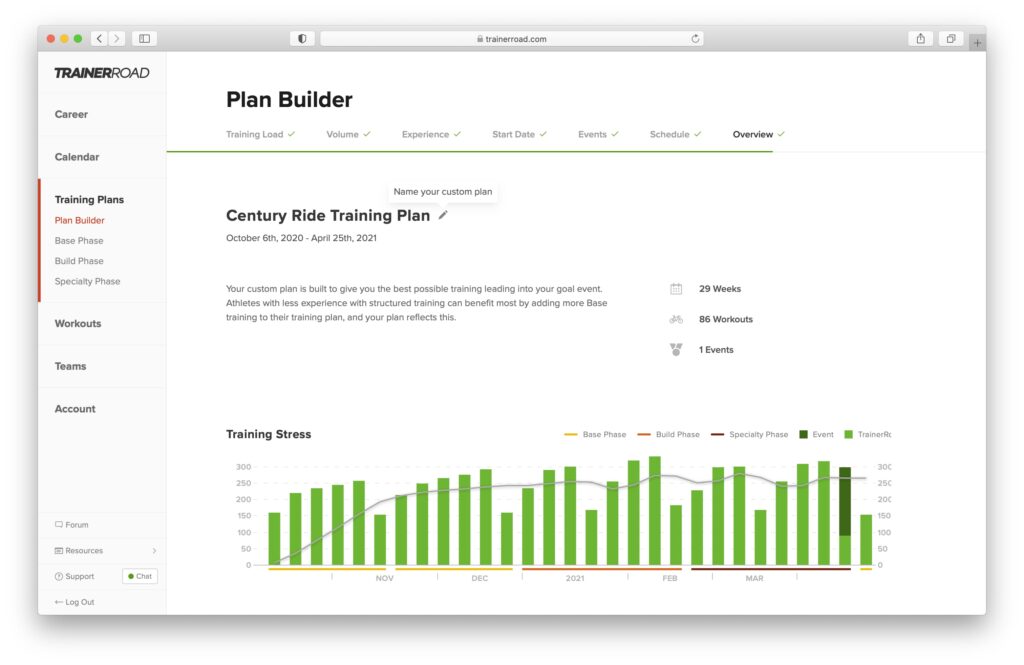
Preparing for a 100 mile bike ride training event requires a balance of physical conditioning and logistical prep. Beyond building aerobic capacity, key components include increasing weekly mileage targets, improving climbing endurance, and refining a nutrition strategy for glycogen and electrolyte replenishment. Regular long rides serve as critical tests for your bike fit and fueling plan, ensuring comfort and energy stability over several hours in the saddle. To achieve peak fitness within an eight-week timeframe, cyclists should aim for three to four rides per week, including one high-intensity session and one long endurance ride. Training volume should gradually increase, peaking around week six or seven with a ride of approximately 75 miles to build volume without overtraining.
Weeks 1-3: Building the Aerobic Foundation
The first phase of your century training plan is all about the engine. You cannot build a high-performance house on a shaky foundation, and in cycling, that foundation is your aerobic capacity. During these first three weeks, your primary goal is to increase mitochondrial density. This is achieved through consistent, low-intensity Zone 2 endurance riding. In this zone, you should be able to hold a conversation without gasping for breath. It might feel "too easy" at first, but this is where your body learns to burn fat more efficiently and preserves precious glycogen stores for the later miles of a long ride.
Consistency is the driver of progress here. You should follow a cycling base and build phase progression that prioritizes time in the saddle over raw speed. To help busy athletes, a low volume century training for busy schedules often utilizes Sweet spot workouts during mid-week sessions. Sweet spot training occurs just below your lactate threshold, providing a significant training stimulus without the massive recovery tax of all-out sprints. This allows you to build functional power even when you only have 60 to 90 minutes to train on a Tuesday or Thursday.
Expert coaching guidelines recommend that your total weekly mileage should not increase by more than 10 to 15 percent per week. This conservative approach is essential for preventing overuse injuries and ensuring your joints and tendons adapt to the repetitive motion of cycling. By the end of Week 3, you should feel comfortable spending three to four hours on the bike during your weekend long ride, using a Rate of Perceived Exertion of about 3 or 4 on a scale of 10.
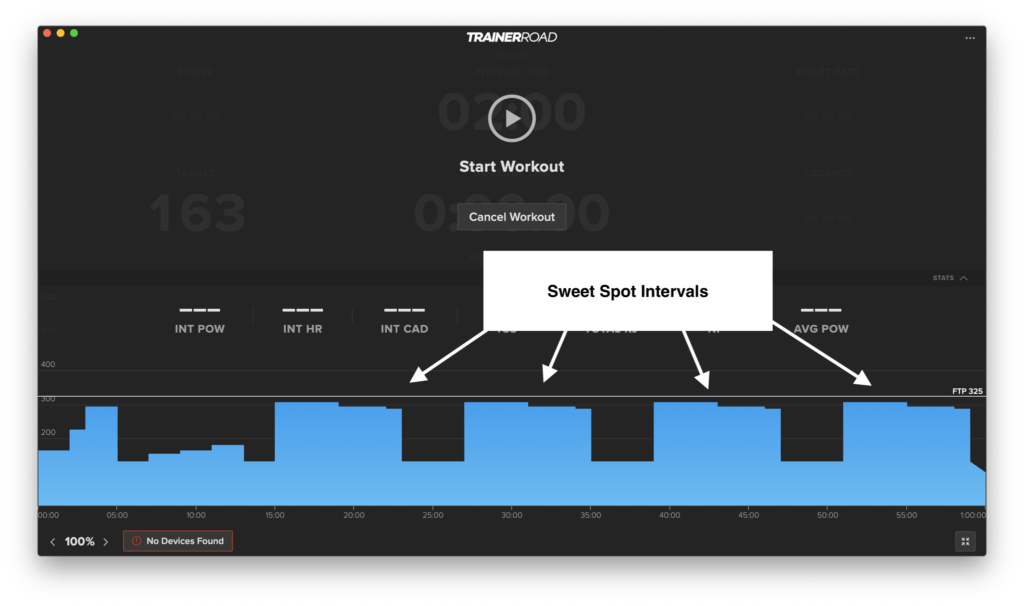
The 8-Week Century Training Schedule
| Week | Focus | Mid-Week 1 | Mid-Week 2 | Weekend Long Ride | Total Weekly Miles |
|---|---|---|---|---|---|
| 1 | Base | 60 min Zone 2 | 45 min Sweet Spot | 30 miles (Zone 2) | ~60 miles |
| 2 | Base | 60 min Zone 2 | 60 min Sweet Spot | 40 miles (Zone 2) | ~75 miles |
| 3 | Base | 75 min Zone 2 | 60 min Sweet Spot | 50 miles (Zone 2) | ~90 miles |
| 4 | Intensity | 60 min Intervals | 75 min Tempo | 45 miles (Hilly) | ~85 miles (Recovery) |
| 5 | Build | 90 min Intervals | 60 min Sweet Spot | 65 miles (Endurance) | ~115 miles |
| 6 | Peak | 90 min Intervals | 90 min Sweet Spot | 75-80 miles (Endurance) | ~135 miles |
| 7 | Taper | 60 min Tempo | 45 min Zone 2 | 40 miles (Steady) | ~80 miles |
| 8 | Event | 45 min Spin | 30 min Spin | 100 Miles (Goal) | 120+ miles |
Weeks 4-6: Increasing Intensity and Peak Volume
Now that you have established a base, it is time to turn up the heat. This phase transitions from general endurance to specific performance metrics. We introduce VO2 Max intervals to raise your ceiling and improve your ability to recover from short, steep climbs. These efforts are hard—usually 3 to 5 minutes at an intensity where you can only speak in one-word grunts. While they are grueling, they are the most effective way to improve your lactate threshold, which is the point where your muscles start to burn from acid buildup.
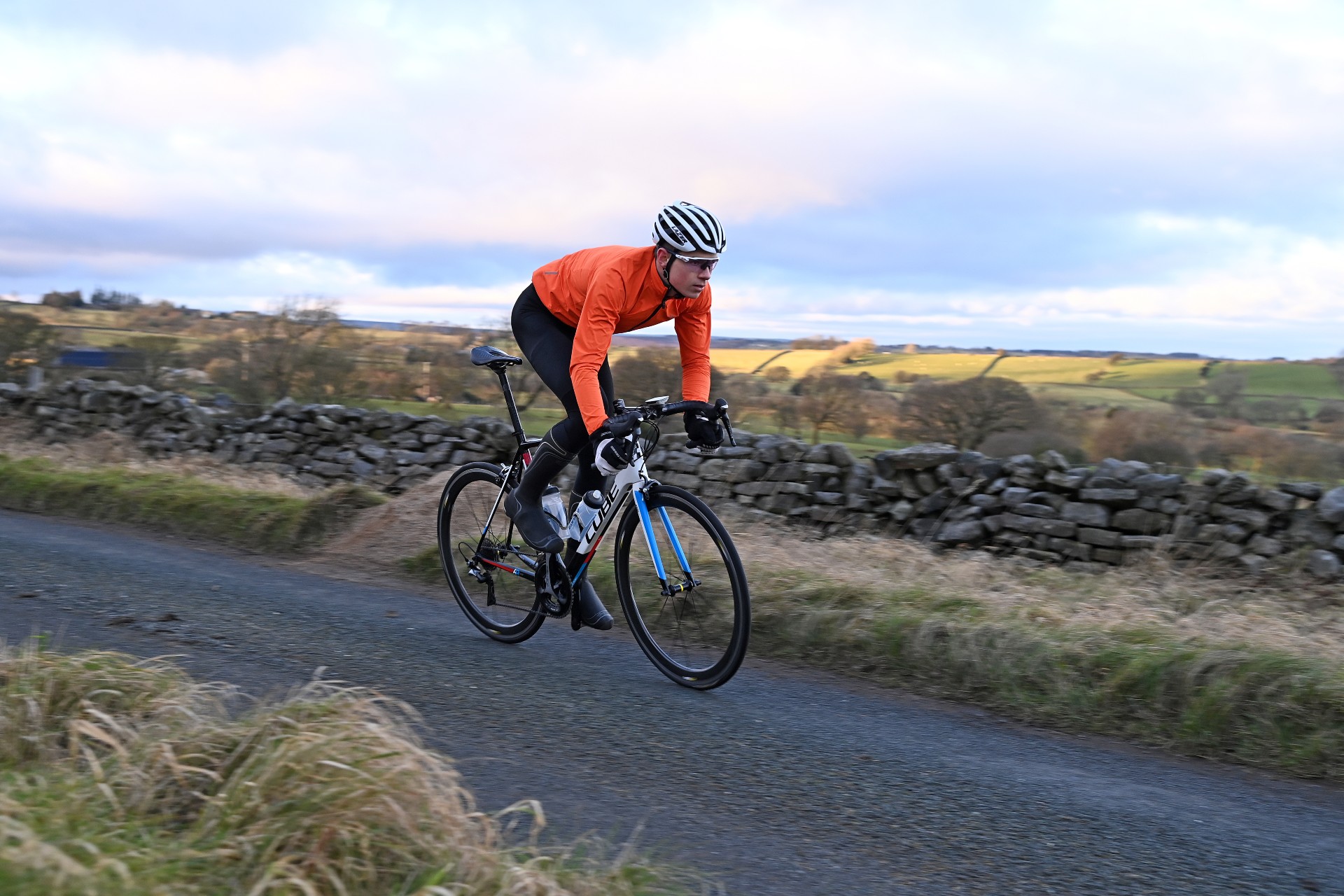
Week 6 represents the "peak" of your century training plan. A standard 8-week program typically begins with a weekly volume of approximately 60 miles and scales to a peak of 135 total miles by this point. The weekend ride in Week 6 is your dress rehearsal. You will aim for 75 to 80 miles. You might wonder why we don't ride the full 100 miles before the event. Expert-designed schedules cap the longest single training session at 70 to 80 miles, relying on the cumulative weekly fatigue and the extra rest from the upcoming taper to carry you through the final 20 miles on event day.
During these high-volume weeks, pay close attention to your weekly mileage targets for 100 mile ride prep. If you feel excessive lethargy or your resting heart rate is elevated in the morning, do not be afraid to dial back the intensity. The goal is to reach the start line healthy and hungry to ride, not burned out and overtrained. Use your Training Stress Score if you have a power meter to ensure you are progressing at a sustainable rate.
Fueling the Ride: Nutrition and Hydration Strategy
You can have the best legs in the world, but if your fueling strategy is off, you will "bonk" before mile 70. The 100 mile bike ride training process is as much about training your gut as it is about training your muscles. Your body can only store enough glycogen for about 90 to 120 minutes of moderate-intensity exercise. To finish a century, you must eat and drink early and often.
A solid nutrition strategy for century ride training involves consuming 30-60g of carbohydrates per hour. This can come from gels, chews, sports drinks, or real food like bananas and small sandwiches. Practice this during your long weekend rides. Do not wait until you are hungry to eat; by then, it is often too late. Set a timer on your bike computer to remind you to take a bite every 20 minutes.
Hydration is equally critical. You should focus on electrolyte replenishment to replace the sodium, potassium, and magnesium lost through sweat. Drinking plain water for six hours straight can lead to hyponatremia, a dangerous condition where your blood sodium becomes too diluted. Aim for at least one bottle of electrolyte-rich fluid every hour, adjusted for temperature and your individual sweat rate.
Weeks 7-8: The Taper and Race Day Readiness
The final two weeks are about shedding fatigue while keeping your legs sharp. Many cyclists make the mistake of training hard right up until the event, but tapering strategies for peak cycling performance suggest a 30-50% reduction in volume during the final week. This allows your glycogen stores to fully saturate and your muscle fibers to repair completely.
Keep your rides short, but include a few short "openers"—brief bursts of intensity to keep your neuromuscular system engaged. Use this extra time to perform a final mechanical check on your bike. Ensure your tires are in good condition, your chain is lubed, and your shifting is crisp.
On the day of the ride, use a mental chunking strategy. Don't think about the 100-mile total; instead, focus on reaching the next rest stop or breaking the ride into four 25-mile segments. This makes the daunting distance feel manageable. If you have followed the 8 week training plan for first century ride, you have the physical capacity. The final 20 miles will be a test of your mental resolve and your fueling, so stay disciplined with your pace and your snacks.
FAQ
How many weeks does it take to train for a century?
For most cyclists with a basic level of fitness, an 8-week period is the ideal timeframe. This allows for three weeks of base building, three weeks of increasing intensity and volume, and a two-week taper to ensure you are fresh for the event. If you are starting from zero fitness, you may want to extend the base phase by an additional four weeks.
How many miles a week should I ride to prepare for a century?
You should aim to build up to a peak weekly volume of approximately 130 to 140 miles. Most successful plans start around 60 miles per week and gradually increase the distance. Consistently riding 2 to 3 times during the week plus one long weekend ride is usually sufficient to build the necessary endurance without causing excessive fatigue.
What is the longest training ride needed before a century?
You do not need to ride 100 miles to prepare for a 100-mile ride. Most coaches recommend capping your longest training ride at 75 to 80 miles. The combination of your cumulative weekly mileage and the recovery provided by the taper period will provide enough "bridge" to help you finish the final 20 miles on event day.
How do I fuel for a 100-mile bike ride?
The gold standard is to consume 30 to 60 grams of carbohydrates per hour, starting from the first hour of the ride. You should also drink roughly 16 to 24 ounces of fluid per hour, depending on the weather, and ensure those fluids contain electrolytes to prevent cramping and maintain fluid balance.
Can a beginner cyclist train for a century ride?
Yes, a beginner can certainly complete a century, provided they have a structured plan and a reliable bike. The key for beginners is to focus heavily on the aerobic base and comfort on the bike. Spending 8 weeks slowly increasing time in the saddle helps the body adapt to the specific pressures of long-distance cycling, such as neck, back, and hand comfort.