Quick Facts
- Healing Rate: More than 90% of patients with lumbar muscle strain or sprain recover completely within one month of the injury.
- The 48-Hour Rule: Limit strict bed rest to no more than 2 days, as prolonged inactivity can actually hinder soft tissue healing and lead to chronic stiffness.
- Initial Protocol: Prioritize ice during the first 48 hours to manage inflammation reduction and control painful muscle spasms.
- Recurrence Risk: Approximately 50% of individuals who experience an episode of lower back pain will have a recurrence of the condition within one year if core strength is not addressed.
- Recovery Timeline: Most individuals with acute or subacute low back pain experience significant improvement in symptoms and disability within the first six weeks of recovery.
Effective back strain recovery typically involves a combination of rest, light movement, and inflammation management. In the initial stages of lumbar strain healing, alternating between ice and heat can reduce muscle spasms and improve blood circulation. While minor strains may improve within a few days, full recovery for more significant soft tissue injuries often requires a structured approach involving gradual activity progression to restore range of motion.
Assessing Severity: Is it a Strain or a Sprain?
When you feel that sharp, debilitating twinge in your lower back, your first instinct is likely panic. However, understanding exactly what is happening in your posterior chain is the first step toward a successful back strain recovery. In my years of training athletes, I have found that many people confuse a simple muscle strain with a more complex ligament sprain or even a disc issue.
A muscle strain occurs when the fibers in your lumbar muscles are overstretched or torn. Clinically, we categorize these using a Grade I-III system. A Grade I strain involves mild stretching of the fibers with minimal loss of strength. A Grade II strain is a partial tear, often accompanied by noticeable swelling and some loss of function. A Grade III strain is a complete rupture of the muscle, which is rare but requires immediate professional intervention.
It is also important to distinguish a strain from a ligament sprain, which involves the tough bands of tissue that connect your bones. While the symptoms feel similar, the lumbar strain healing time stages for a sprain can be slightly longer due to the limited blood flow to ligaments compared to muscles. One key indicator of a standard strain is the localization of pain; true lumbar muscle issues generally do not radiate pain below the knee. If you feel shooting pain, numbness, or "pins and needles" traveling down your leg, you may be dealing with nerve compression or sciatica, which requires a different rehabilitation path.
The Acute Phase: Home Remedies for Pulled Back Muscle Relief
The first 48 hours after an injury are critical. Your body is in a state of high inflammation as it attempts to protect the injured site. During this window, your primary goal is inflammation reduction and the management of involuntary muscle spasms.
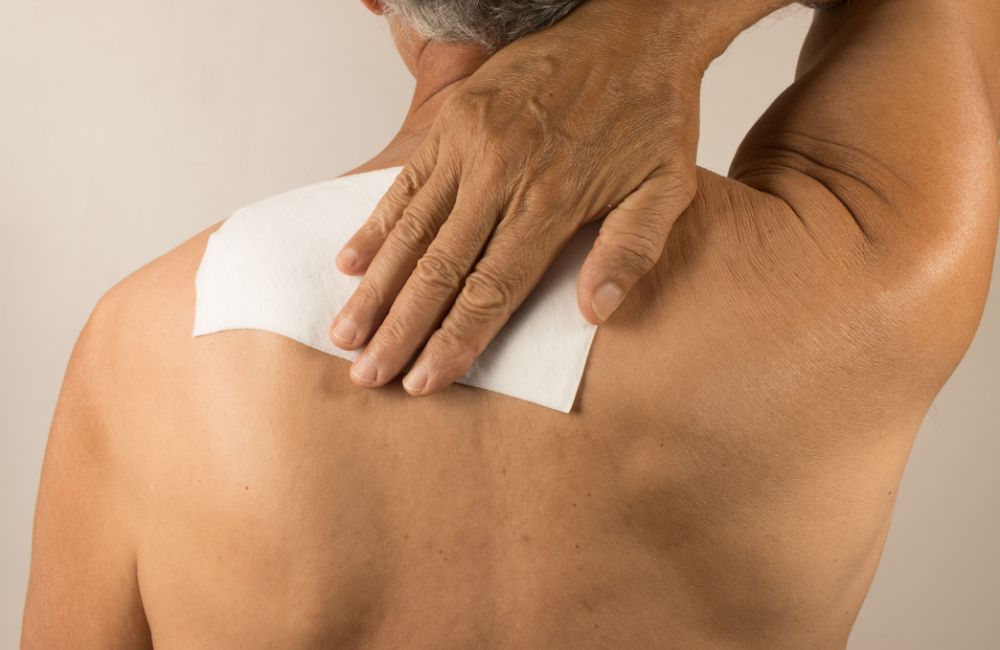
One of the most effective home remedies for pulled back muscle relief is the strategic application of cold and heat. I always tell my clients: ice is for the "fire" of new injury, while heat is for the "rust" of old stiffness. For the first two days, use an ice pack for 20 minutes every few hours. This constricts blood vessels and numbs the area, providing immediate relief. After the initial 48-hour window, you can transition to heat to boost blood circulation and encourage soft tissue healing.

Managing your environment is just as important as direct treatment. Your sleeping position can either facilitate healing or keep your spine in a stressed state. If you prefer sleeping on your side, place a firm pillow between your knees to keep your hips level and maintain proper spinal alignment. If you are a back sleeper, place a pillow under your knees to maintain the natural curve of your lower back and provide extra lumbar support.
For a simple household hack, try using two tennis balls taped together. Lay on a firm surface and place the balls on either side of your spine—never directly on the bone. Gently rolling over these can provide a mild myofascial release, helping to break up tension in the lumbar muscles without the high cost of a professional massage.
Ice vs Heat for Lower Back Muscle Strain
| Feature | Ice (Cryotherapy) | Heat (Thermotherapy) |
|---|---|---|
| Best Timing | First 48 hours | After 48 hours |
| Primary Effect | Reduces swelling and numbs pain | Relaxes muscles and increases blood flow |
| Application Time | 15-20 minutes | 15-20 minutes |
| Use Case | Acute injury, sharp pain, inflammation | Chronic stiffness, dull aches, pre-exercise |
Motion is Lotion: Gentle Lower Back Strain Exercises
In the past, doctors recommended bed rest for back pain. We now know that was a mistake. Movement is essential for keeping your joints lubricated and ensuring that healing nutrients reach your lumbar muscles. Once the initial sharp pain has subsided—usually within 3 to 5 days—it is time to start gentle lower back strain exercises for beginners.
Start with low-impact activity. Walking for 15 to 30 minutes on a flat surface is one of the best things you can do for back strain recovery. It keeps the blood flowing and prevents the core muscles from becoming inhibited. From there, you can integrate specific movements designed to restore your range of motion.
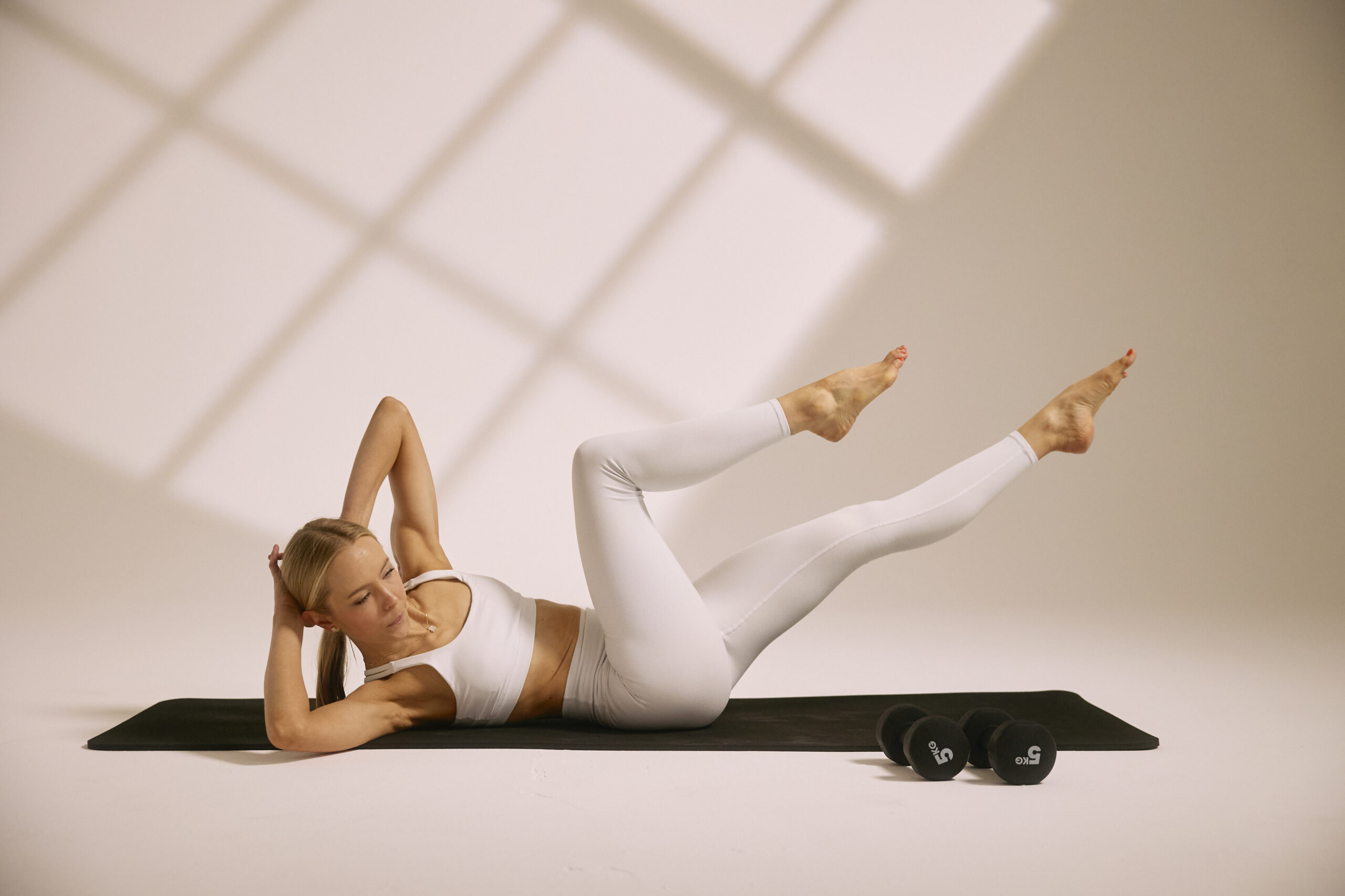
- Pelvic Tilts: Lie on your back with knees bent. Gently tighten your abdominal muscles to flatten your back against the floor. Hold for five seconds and repeat. This builds abdominal stability without putting pressure on the spine.
- Cat-Cow Stretches: On all fours, slowly arch your back toward the ceiling (cat) and then let it dip toward the floor (cow). This movement encourages myofascial release and spinal flexibility.
- Knee-to-Chest: While lying on your back, pull one knee toward your chest while keeping the other foot flat on the floor. This gently elongates the lumbar muscles.
Remember, the goal of these lower back strain exercises is not to "feel the burn." If a movement causes sharp pain, stop immediately. You are looking for a gentle stretch and a gradual increase in mobility.
When to See a Doctor: Red Flags in Recovery
While most people find relief through home remedies for pulled back muscle issues, there are times when self-treatment is insufficient. As a trainer, I always emphasize safety first. If your symptoms do not follow a typical healing curve, or if you experience "red flag" symptoms, you must consult a physical therapist or a medical professional.
Watch for the following signs that indicate your injury might be more than a simple strain:
- Neurological Deficits: Numbness, tingling, or a "weak" feeling in one or both legs.
- Bowel or Bladder Changes: Any loss of control or sudden changes in bathroom habits (this can indicate Cauda Equina Syndrome, a medical emergency).
- Unexplained Systemic Symptoms: Fever, chills, or sudden weight loss alongside back pain.
- Lack of Progress: If you are not seeing improvement after 2 to 3 weeks of consistent home care and gentle activity.
- Traumatic Onset: If the pain was the result of a high-impact fall or accident.
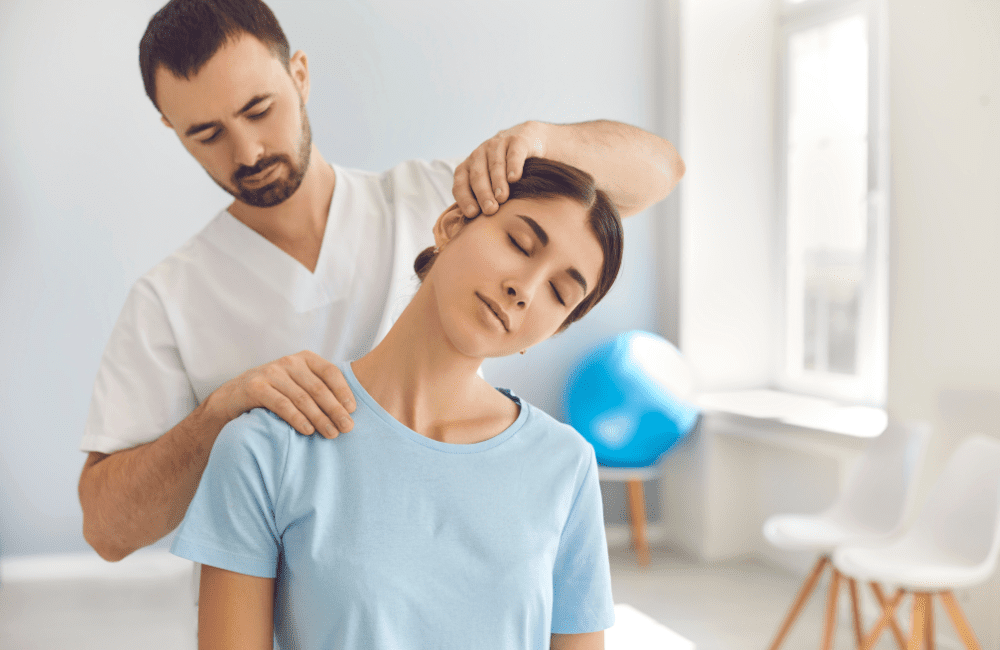
A physical therapist can provide a more tailored plan and ensure that your pain isn't stemming from a ligament sprain or a more chronic disc-related issue. When to see a doctor for pulled back muscle depends on your intuition—if something feels "off," get it checked out.
Prevention: Strengthening for Longevity
The best way to handle a back strain is to never get one in the first place. Given that half of all people who experience lower back pain will have a recurrence, prevention must be a core part of your lifestyle.
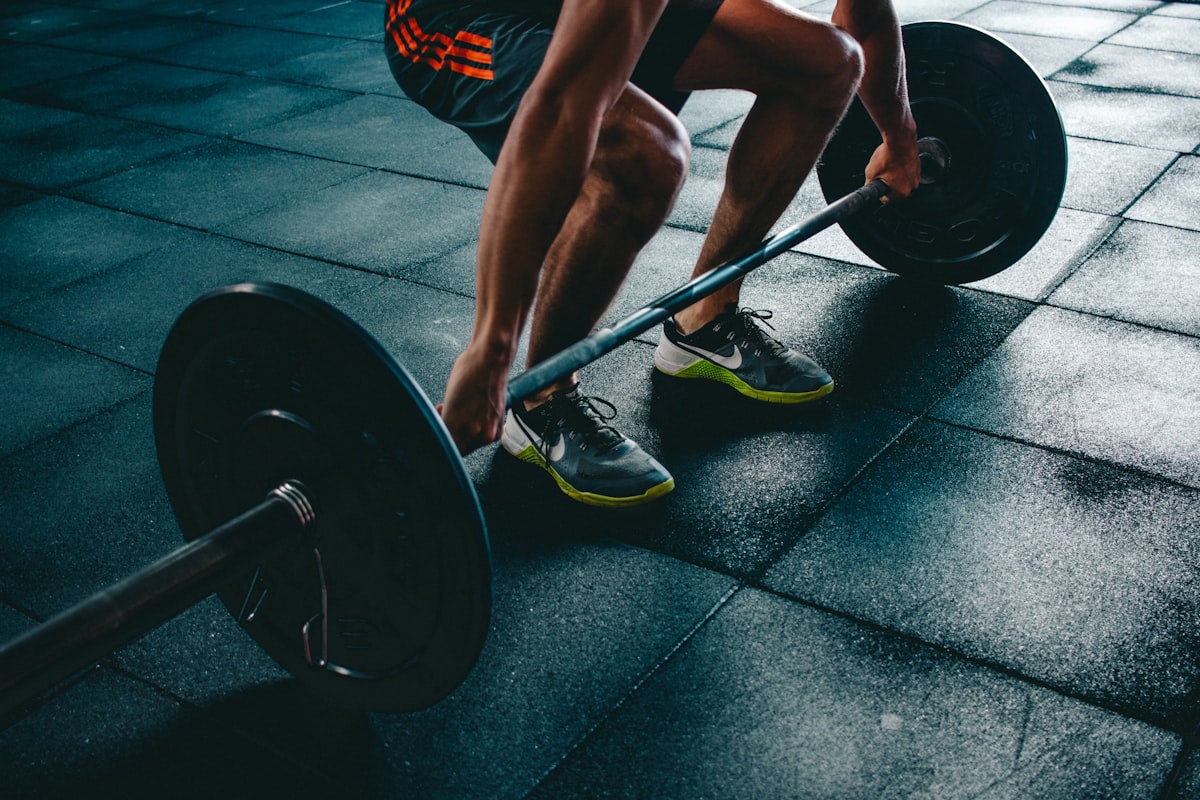
Proper lifting techniques are the foundation of spinal health. Never bend at the waist to pick up an object; instead, bend at the knees and hips, keeping the weight close to your body. This allows your powerful glutes and hamstrings to do the work rather than placing the burden on your lumbar muscles.
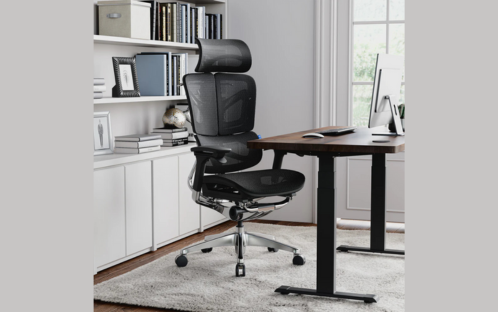
Additionally, your daily environment plays a massive role. If you work a desk job, an ergonomic workspace setup is non-negotiable. Ensure your monitor is at eye level and your chair provides adequate lumbar support to maintain natural spinal alignment throughout the day.
Finally, focus on core strengthening and hamstring flexibility. Tight hamstrings can pull on your pelvis, creating unnecessary tension in your lower back. Exercises like partial crunches and planks build the abdominal stability necessary to support the spine during both athletic performance and daily life.
FAQ
How long does it take for a back strain to heal?
Most minor muscle strains begin to feel better within a few days of consistent rest and icing. However, the typical lumbar strain healing time for a full recovery is roughly two to four weeks. More severe soft tissue injuries can take up to six weeks of structured rehabilitation to fully restore strength and range of motion.
Should I use heat or ice for back strain recovery?
You should use ice vs heat for lower back muscle strain depending on the timing of your injury. Use ice for the first 48 hours to manage inflammation reduction and numb the area. After the initial inflammation has subsided, switch to heat to encourage blood circulation and relax tight muscles.
How can I tell if my back pain is a strain or something more serious?
A simple strain usually involves localized muscle pain and stiffness that improves with movement and home remedies. If you experience shooting pain down your legs, numbness, weakness, or a loss of bladder control, it could be a nerve issue or a disc injury, which requires immediate medical attention.
Is walking good for back strain recovery?
Yes, walking is an excellent low-impact activity for back strain recovery. It increases blood flow to the injured lumbar muscles and helps maintain flexibility without the jarring impact of running. Aim for 15 to 30 minutes on a flat, even surface daily once the initial sharp pain has decreased.
What is the best sleeping position for a strained back?
The best sleeping positions for back strain recovery aim to maintain neutral spinal alignment. If you sleep on your side, place a pillow between your knees. If you sleep on your back, place a pillow under your knees to reduce the strain on your lumbar spine.