Quick Facts
- Methodology: Functional resistance training focusing on multi-planar movement and eccentric loading.
- Scientific Proof: Participants showed a 21% increase in full-body flexibility and a 19% increase in lower body strength in clinical trials.
- Health Benefits: Proven 80% reduction in chronic lower back pain and significantly improved pelvic floor health.
- Time Commitment: Recommended 30-35 minutes per session, roughly 4 times per week.
- Equipment: Utilizes patented resistance tools like the P.ball, P.band, and P.3 Trainer.
- Best For: Women’s hormonal health, joint longevity, menopause support, and functional strength.
The Pvolve workout method is a science-backed functional fitness approach that combines low-impact movement with patented resistance equipment to improve longevity and muscle activation. Unlike traditional high-intensity routines, it focuses on multi-planar movement to mimic real-world activities, activating both large and stabilizing muscles for a stronger, more resilient body. This intentional system emphasizes dynamic balance and joint integrity rather than the inflammatory stress often associated with high-impact exercise.
The Clinical Edge: Science-Backed Results
As a health editor, I have seen countless fitness trends come and go, often fueled by "grit culture" and the "no pain, no gain" mentality. However, the tide is turning toward longevity and metabolic health. The Pvolve workout method stands out because it has moved past marketing claims into the realm of peer-reviewed validation. In an industry where female-specific research is tragically scarce, Pvolve has invested in clinical evidence to prove that low impact strength training with pvolve for joint health is not just a gentle alternative, but a superior one for many women.
A groundbreaking 12-week study conducted by the University of Exeter focused on women aged 40 to 60, a demographic often ignored by mainstream fitness research. The results were staggering: participants achieved a 21% increase in full-body flexibility and a 19% increase in lower body strength. This clinical evidence suggests that functional resistance training benefits are particularly potent during the menopause transition, helping to maintain bone density and muscle mass without overtaxing the nervous system.
Furthermore, research from the University of Minnesota examined the impact of the method on chronic pain. They found that those using the specific Lower Back Support Series experienced an 80% reduction in chronic lower back pain and a 108% improvement in core muscle strength. For the modern woman who spends hours at a desk or lifting children, these are the metrics that actually matter for quality of life.
How It Works: Multi-Planar Movement and Muscle Activation
To understand why this method is effective, we have to look at how we move in everyday life. Traditional gym exercises like bicep curls or leg presses usually happen in one plane—the sagittal plane (forward and backward). But real life—reaching for a grocery bag on a high shelf, twisting to catch a toddler, or stepping sideways over a puddle—happens across all three planes of motion.
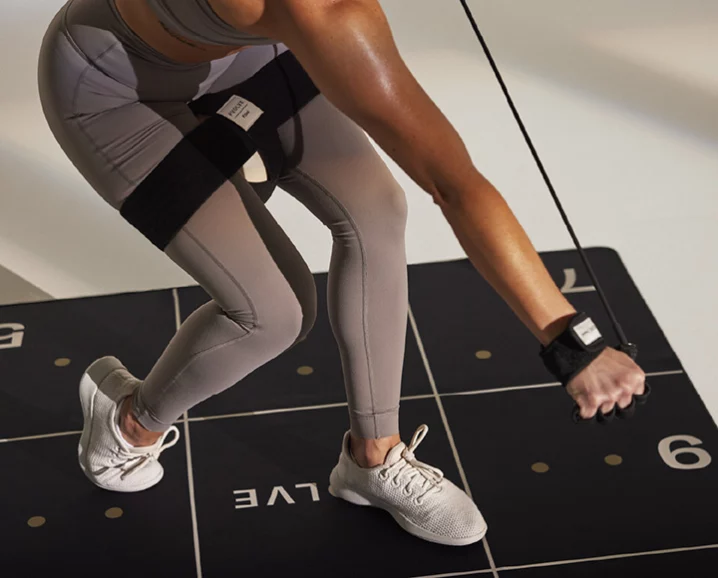
The functional movement benefits of the pvolve method stem from its commitment to multi-planar movement. By incorporating the frontal plane (side-to-side) and the transverse plane (rotational), the workout ensures that no muscle group is left behind. This approach leads to superior muscle activation, particularly in the deep stabilizing muscles of the hips and core that are often neglected in standard HIIT classes.
The physics of Pvolve also relies on eccentric loading, which is the lengthening of a muscle under tension. Instead of just "squeezing" the muscle, you are taught to reach and rotate with intention. This creates a longer, leaner silhouette while simultaneously building joint integrity. It is an intelligent way of training that prioritizes how the body is designed to function mechanically.
The Hormone-Aware Approach: Training for Women
One of the most compelling reasons I recommend this method is its focus on bio-individuality and female physiology. Most fitness protocols were designed for men and then simply scaled down for women. Pvolve flips this script by offering a hormone-aware workout routine that recognizes the fluctuating needs of a woman’s body across her lifespan.
Whether you are navigating your menstrual cycle, recovering from pregnancy, or entering perimenopause, the method provides specific protocols to help you work with your hormones rather than against them. For example, during the luteal phase of the cycle, when core body temperature is higher and recovery is slower, the platform suggests lower-intensity sessions that still prioritize muscle activation without triggering an inflammatory cortisol spike.
Expert Tip: Pelvic floor health is a cornerstone of the Pvolve philosophy. Unlike traditional crunches that can put downward pressure on the pelvic floor, Pvolve movements use resistance and breath to lift and strengthen from the inside out.
The method is particularly effective for pvolve resistance training for menopause strength and balance. As estrogen levels drop, women are at a higher risk for bone density loss and balance issues. By using patented equipment to create resistance from multiple angles, users build the "functional armor" necessary to prevent falls and fractures. The platform even offers guides on how to sync pvolve workouts with your menstrual cycle, ensuring you have the energy to sustain your practice long-term. This focus on sustainability is likely why Pvolve reported a membership attrition rate of less than 8%, which is significantly lower than the industry average of 27.6%.
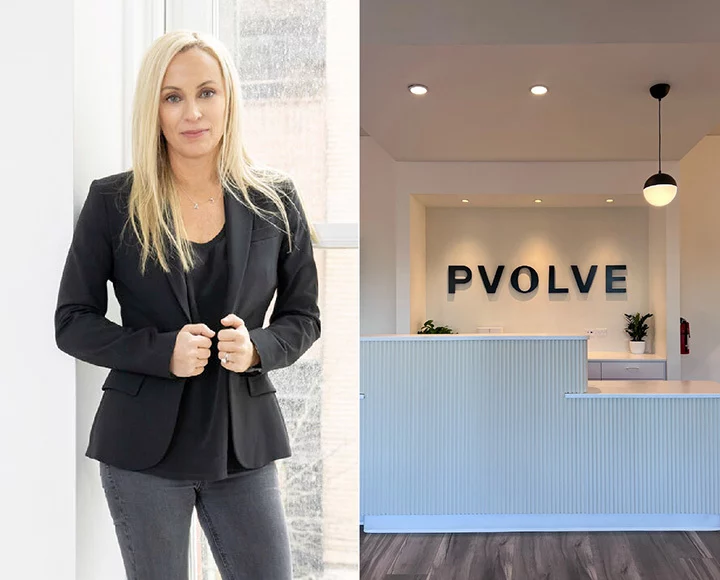
Getting Started: Equipment and Digital Access
When considering how to start pvolve workout method for beginners, the first step is understanding the digital ecosystem. The platform hosts over 1,800 on-demand classes, ranging from 15-minute express sessions to comprehensive 60-minute burners. While you can certainly start with bodyweight movements, the magic of the method lies in its essential pvolve equipment for home workouts.
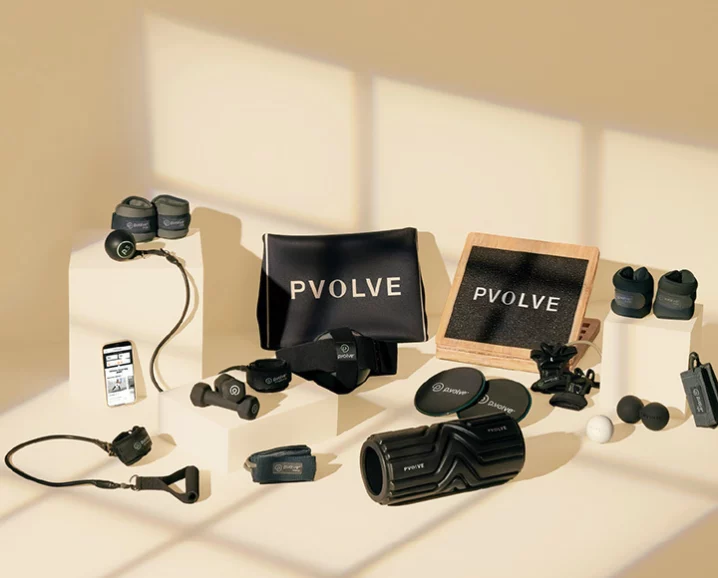
The equipment is designed to add resistance in ways that traditional dumbbells cannot. For instance, the P.ball stays nested between the thighs or ankles, forcing the inner thighs and pelvic floor to engage throughout the entire range of motion.
| Equipment | Primary Function | Target Area |
|---|---|---|
| P.ball | Provides global resistance and deep core engagement | Glutes, inner thighs, pelvic floor |
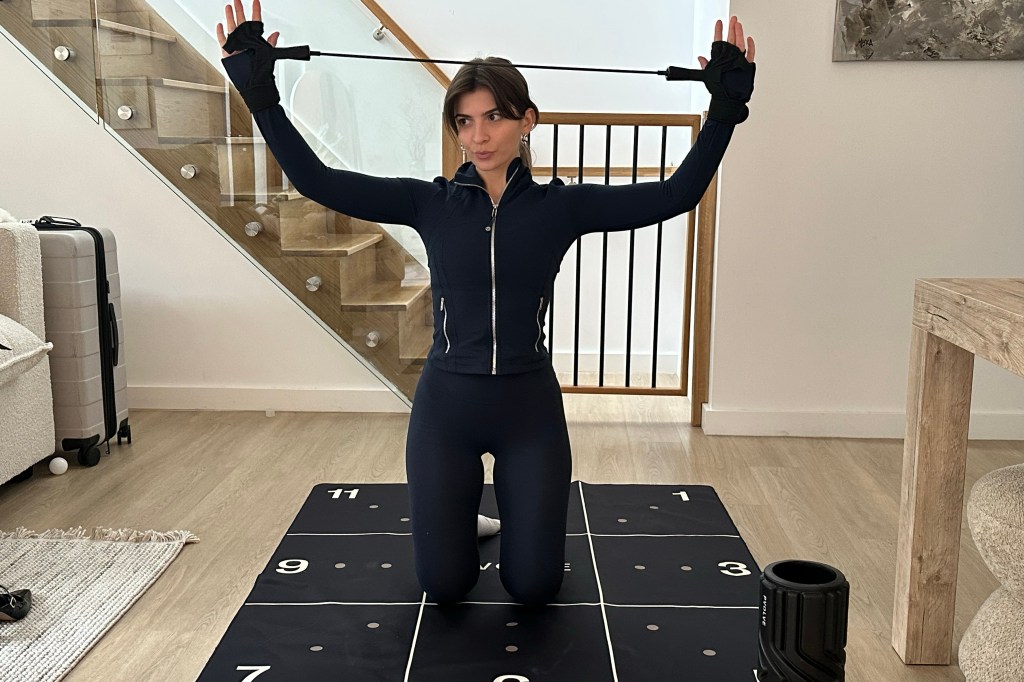
| P.band | Hands-free resistance for upper body sculpting | Back, shoulders, triceps |
| P.3 Trainer | Total body resistance via a foot strap and resistance cord | Glutes, core, full-body stability |
| Precision Mat | Provides a visual grid for mechanical alignment | Foot placement, balance, form |
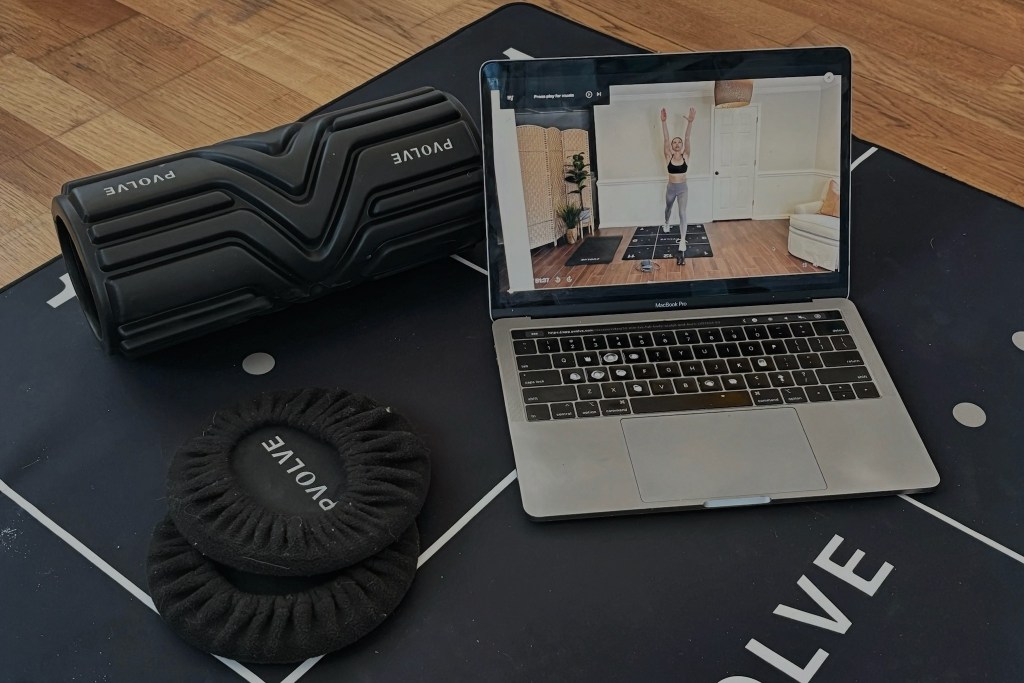
Starting is straightforward. Most beginners begin with a "Foundation" series to learn the proprietary movements like the "P-sit" and "staggered stance." Once you master the mechanics, you can move into "Sculpt and Burn" or "Strength and Sculpt" categories based on your current energy levels.
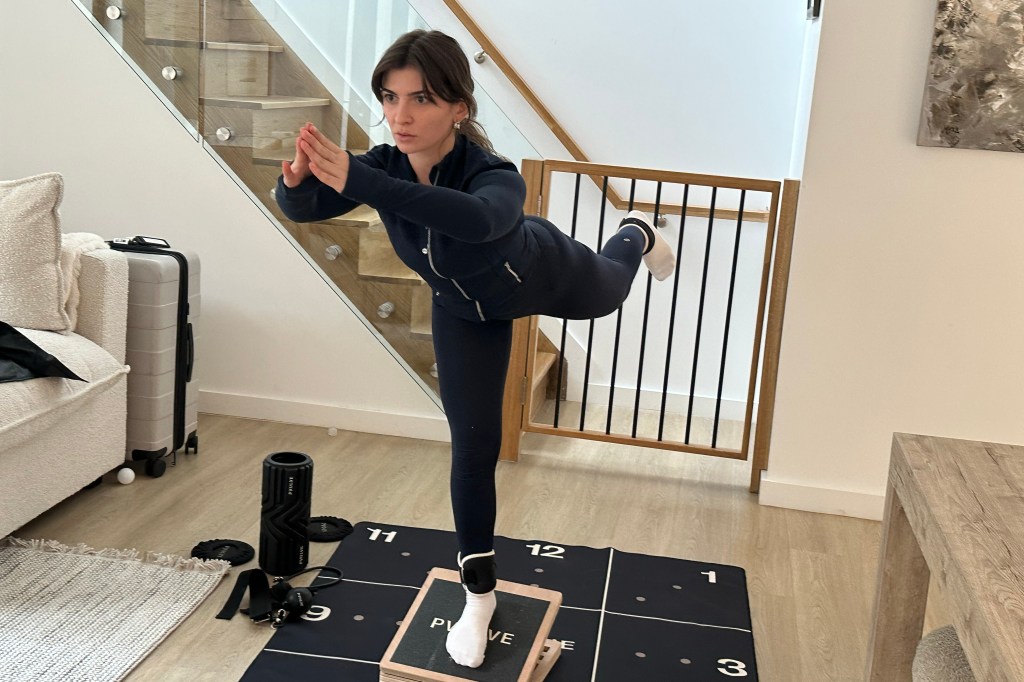
For those specifically focused on aging gracefully, incorporating tools like the Slant Board can further enhance dynamic balance and calf flexibility, which are critical for maintaining mobility.
A Sample Weekly Schedule for Longevity
To see the best results, consistency is more important than intensity. Here is a balanced 4-day sample schedule for low-impact strength training for women:
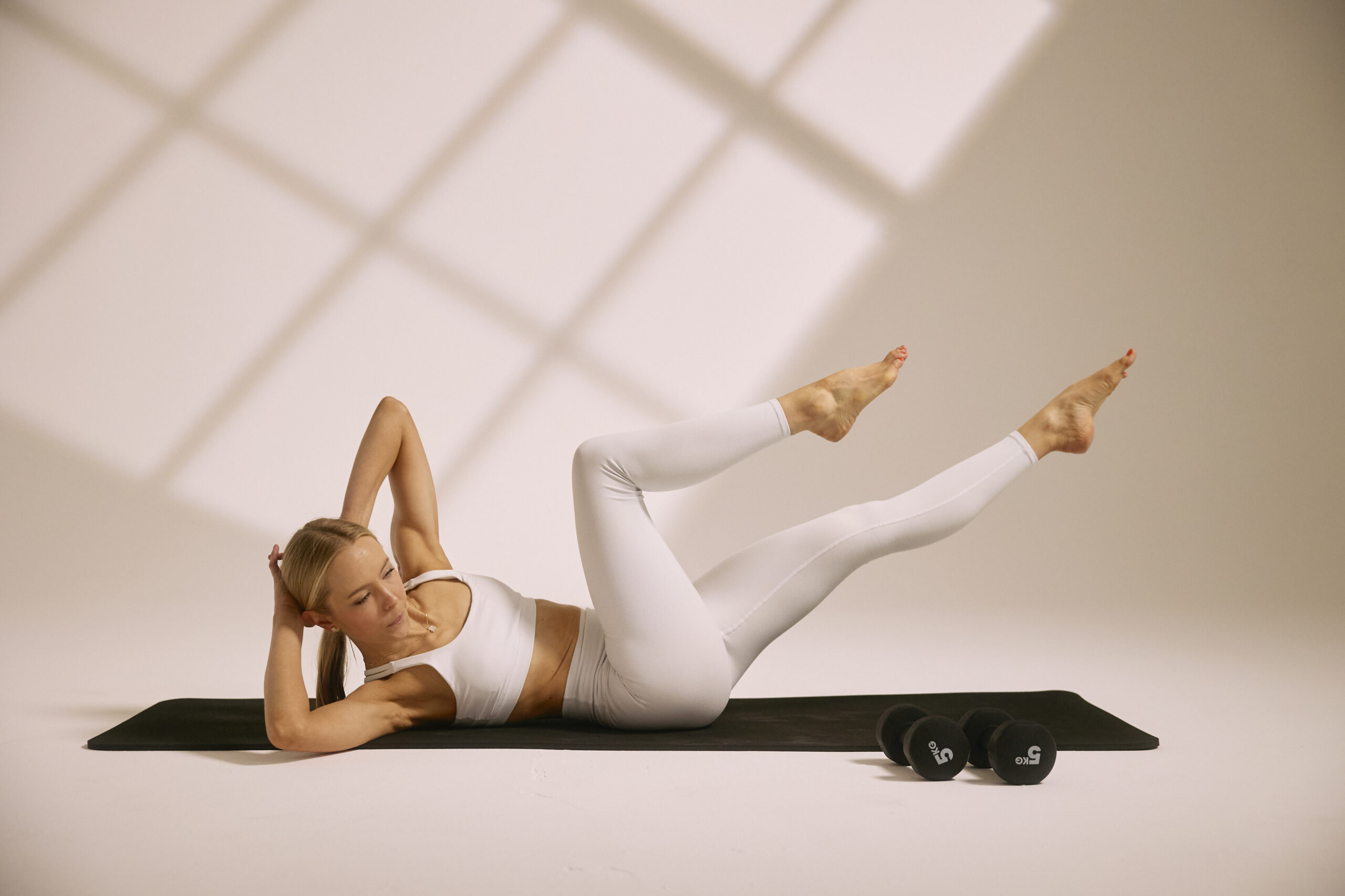
- Monday: 30-min Lower Body Sculpt (Focus: P.ball for hip strength).
- Tuesday: 20-min Upper Body & Core (Focus: P.band for posture).
- Wednesday: Active Recovery or 15-min Restorative Stretch.
- Thursday: 45-min Full Body Progressive Weight Training (Focus: P.3 Trainer).
- Friday: 30-min Cardio Burn (Focus: Light weights and high repetitions).
- Saturday/Sunday: Mindful movement like walking or a pelvic floor focus session.
FAQ
What is the Pvolve workout method?
The Pvolve workout method is a functional resistance training system that uses low-impact, multi-planar movements to activate muscles. By mimicking everyday actions and using patented resistance equipment, it strengthens the body from the inside out, prioritizing joint health, balance, and core stability.
Does the Pvolve method actually work?
Yes, it is backed by significant clinical research. Studies from the University of Exeter and University of Minnesota have demonstrated that the method significantly improves lower body strength, flexibility, and core stability, while also providing a massive reduction in chronic lower back pain.
Is Pvolve better than Pilates?
It is not necessarily "better," but it is different. While Pilates focuses heavily on the "powerhouse" and core, Pvolve expands on those principles by incorporating standing, multi-planar movements that more closely resemble how we move in the real world. Many women find Pvolve more effective for glute activation and functional longevity.
How many times a week should I do Pvolve?
For most women, doing the Pvolve workout method 3 to 4 times a week is the "sweet spot" for seeing results in strength and flexibility without causing overtraining. Because it is low-impact, some users choose to do express 15-minute sessions daily.
Can you do Pvolve without the equipment?
While many of the 1,800+ classes can be modified for bodyweight only, the patented equipment is what provides the targeted resistance that makes the method so effective. If you are just starting, the P.ball and P.band are the best introductory tools to invest in.
Join the Evolution of Movement
The shift away from high-impact, high-stress fitness is more than just a trend—it is a necessary evolution for women's health. We are finally moving toward a world where "working out" means investing in our future selves, not just burning off a meal. By choosing a methodology that respects metabolic health and hormonal cycles, we are choosing longevity over exhaustion.
The Pvolve workout method offers a roadmap for this journey. It is a bridge between physical therapy and fitness, ensuring that we aren't just strong for an hour in the gym, but strong for the rest of our lives. Whether you are looking to heal your back, navigate menopause with grace, or simply find a routine that doesn't leave you depleted, this science-backed approach offers a path forward that is as empathetic as it is effective.