Quick Facts
- Top Choice (Plantar Fasciitis): Saucony Triumph 23 (42.3mm heel stack)
- Top Choice (Overpronation): ASICS Gel Kayano 32 (High traction)
- Key Metric: Minimum 115 Shock Absorption (SA) score for pain relief
- Replacement Rule: Every 300-500 miles
- Direct Answer: To eliminate foot pain, select shoes based on your arch height: stability shoes for flat feet/overpronation and neutral cushioned shoes for high arches/supination.
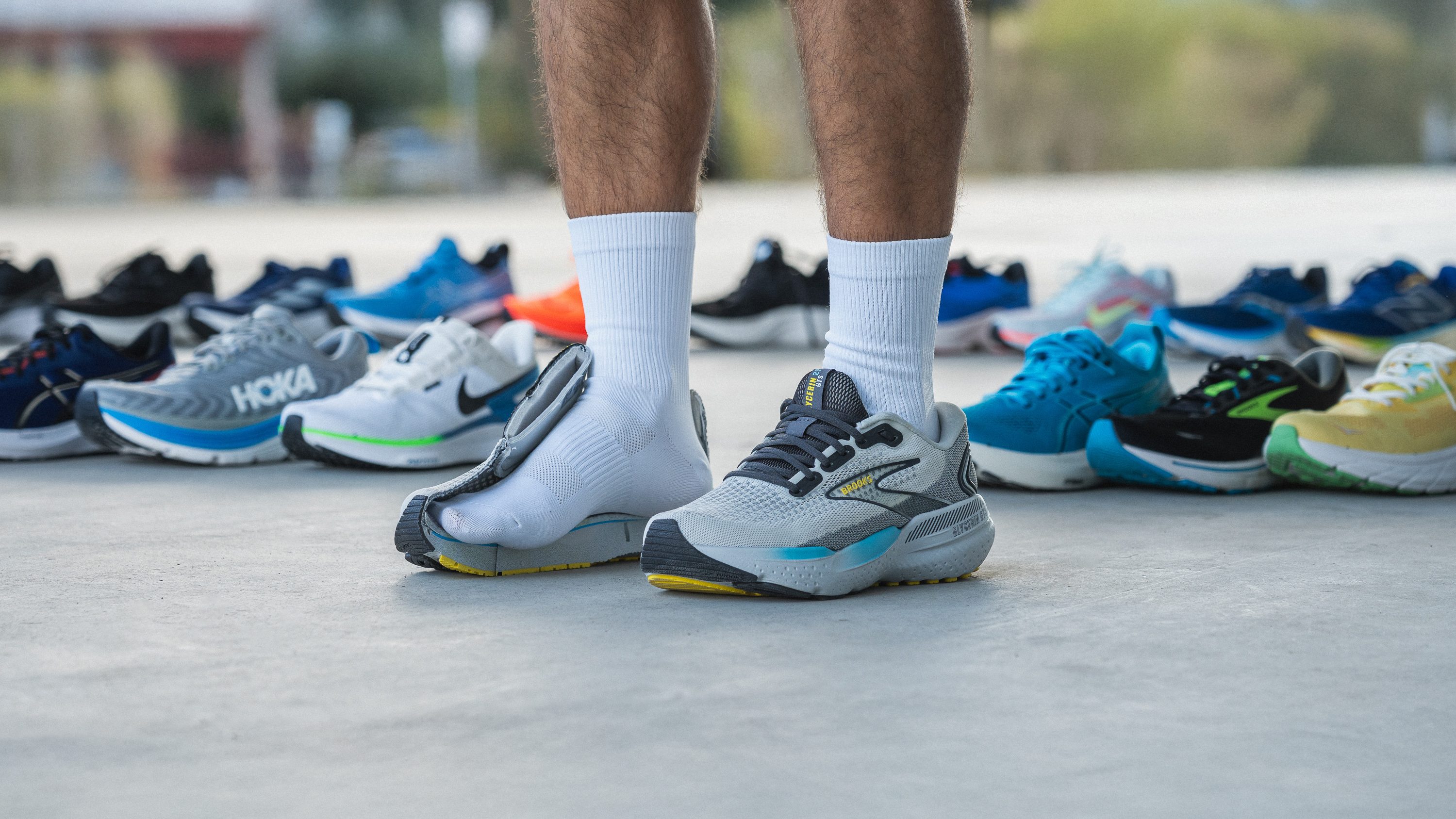
Finding the best running shoes is the first step toward pain-free miles. Choosing the best running shoes for foot pain relief requires identifying your specific foot type and gait. Whether you need stability running shoes for overpronation or cushioned running shoes for knee pain, matching shoe architecture to your biomechanics is essential. Runners with flat feet should look for stability shoes with firm arch support to control overpronation, while those with high arches benefit from neutral, cushioned shoes that offer superior shock absorption. Proper fit is essential; ensure a thumb’s width of space in the toe box and a locked-in heel to prevent blisters and biomechanical strain during the gait cycle.
The Wet Test: Identifying Your Arch and Gait Cycle
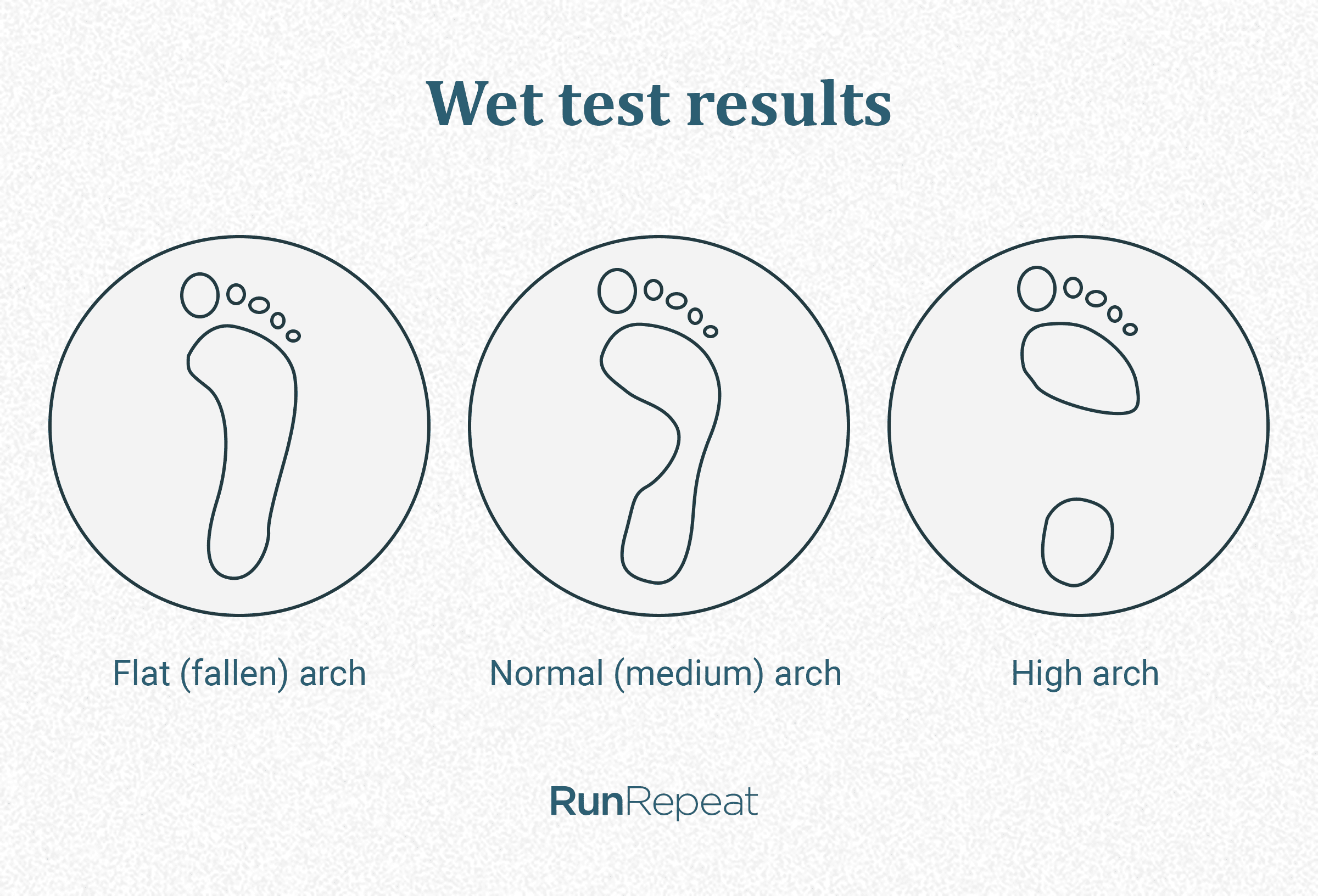
Before you browse the latest releases, you need to understand your own Biomechanics. Think of your feet as the foundation of a building; if the foundation is tilted, the whole structure suffers. The easiest way to diagnose your needs at home is the Wet Test. Simply wet the sole of your foot and step onto a piece of heavy paper or a dark concrete floor.
The shape of your footprint reveals your Arch Height. A wide, full footprint indicates flat feet, which usually leads to overpronation—an inward rolling of the foot. A very thin line connecting the heel and the ball of the foot suggests high arches, often associated with supination. Understanding this is critical because approximately 50% of runners experience at least one running-related injury every year, and most of these stem from mismatched footwear during the Gait Cycle.
Think of your shoe as a crumple zone for your body. When you hit the pavement, your foot undergoes a complex series of movements to absorb impact. If your shoes don't complement your natural motion, that energy travels up into your shins, knees, and hips. Consulting with a specialist in Podiatry can provide deeper insights, but the Wet Test is the best starting point for how to choose running shoes for foot pain relief.
Best for Plantar Fasciitis: Maximum Cushioning & Heel Support
If you wake up with a sharp, stabbing pain in your heel, you are likely one of the 10% of the running population dealing with plantar fasciitis. This condition is an inflammation of the thick band of tissue running across the bottom of your foot. To manage this, you need running shoes for plantar fasciitis with extra heel cushioning to take the literal pressure off the injury.
For plantar fasciitis, prioritize running shoes with maximum cushioning and a supportive, structured sole to protect the heel and fascia. High-stack shoes with rocker geometry help reduce pressure during impact and facilitate smoother heel-to-toe transitions. Additional features like a deep heel cup and plush midsole foam provide the necessary stability to alleviate chronic arch pain and minimize the impact forces that aggravate the plantar fascia.
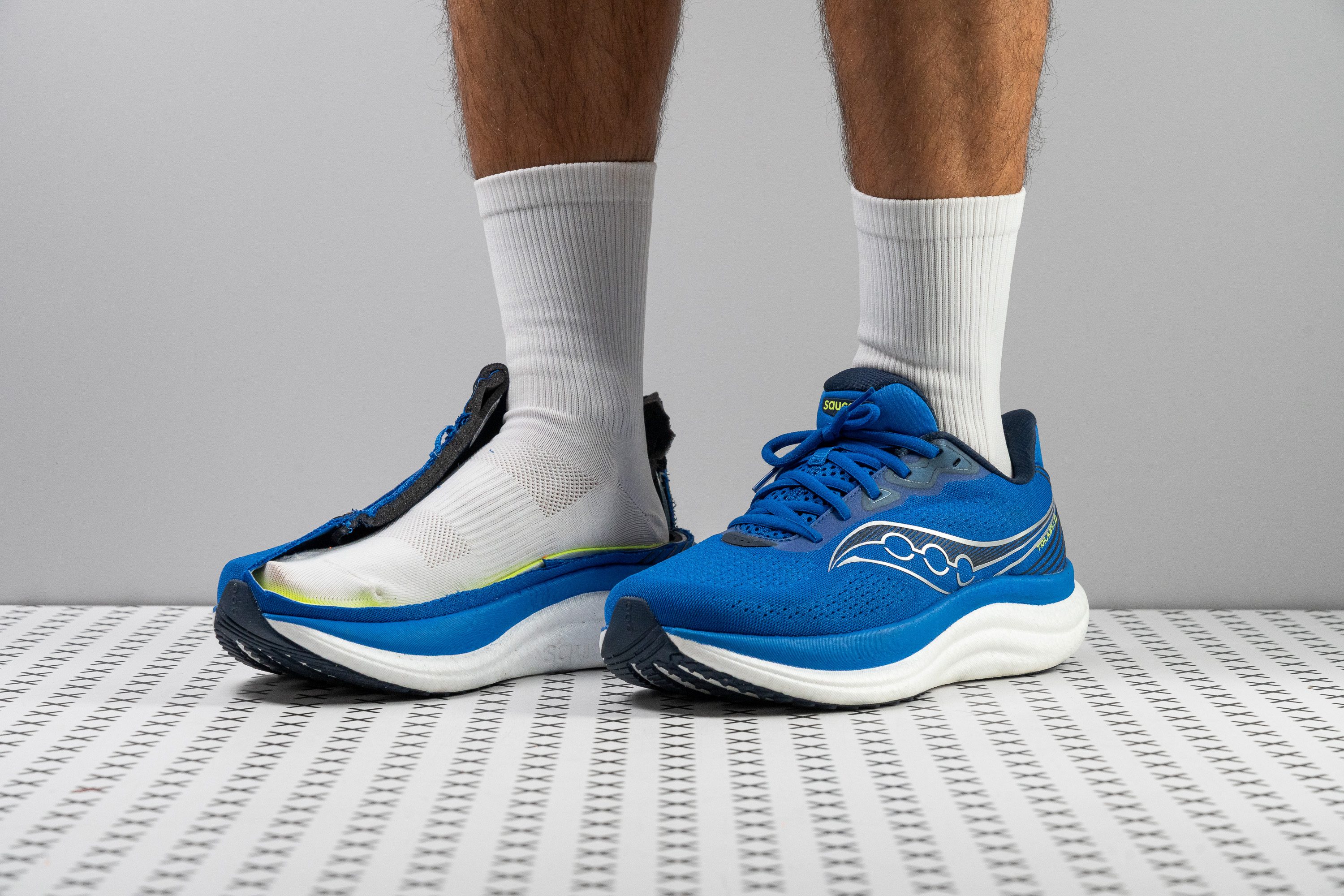
The Saucony Triumph 23 is a standout in this category. With a massive 42.3mm heel stack and premium Midsole Foam, it provides a plush environment that softens every Heel Strike. When shopping, look for the APMA Seal of Acceptance, which indicates the shoe has been vetted by podiatrists for promoting foot health. Ensure the Toe Box Width is sufficient to allow your toes to splay naturally, further reducing tension on the plantar fascia.
Best for Overpronation and Knee Pain: Stability & Alignment
When your foot rolls excessively inward, it creates a chain reaction that can lead to ankle pain and the dreaded Runner's Knee. This is where stability running shoes for overpronation come into play. These shoes utilize technologies like medial posts or GuideRails to keep the foot and ankle aligned, acting much like bowling bumper lanes to prevent your foot from veering off course.
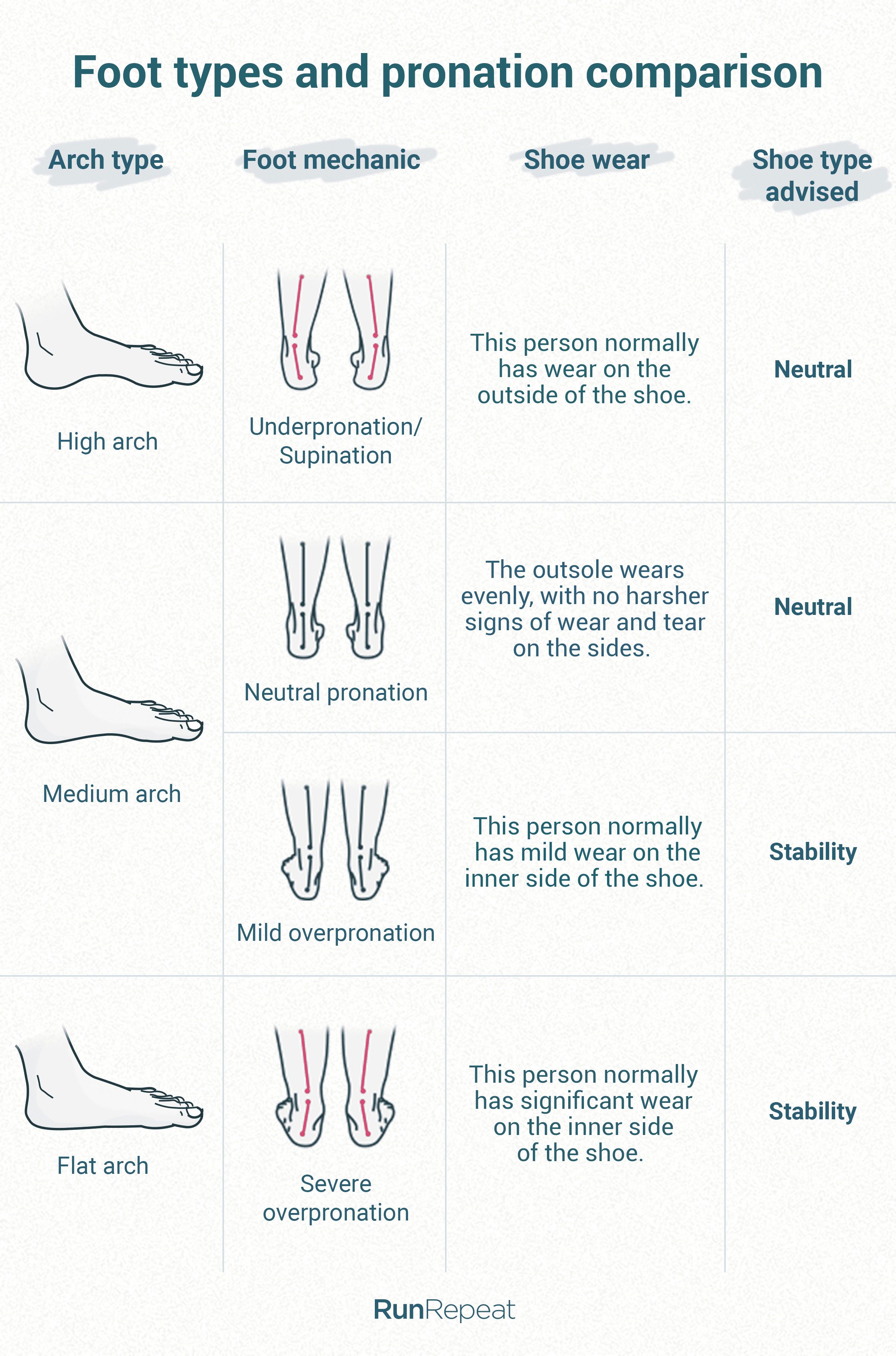
Effective Shock Attenuation through premium midsole foams and high-rebound cushioning minimizes the impact forces transferred to the joints. These features prevent excessive inward rolling and help maintain proper biomechanics, which reduces the risk of developing shin splints, ankle pain, and stress-related knee injuries. For those seeking the most cushioned running shoes for runners with bad knees, look for models that combine Motion Control with high-energy return foams.
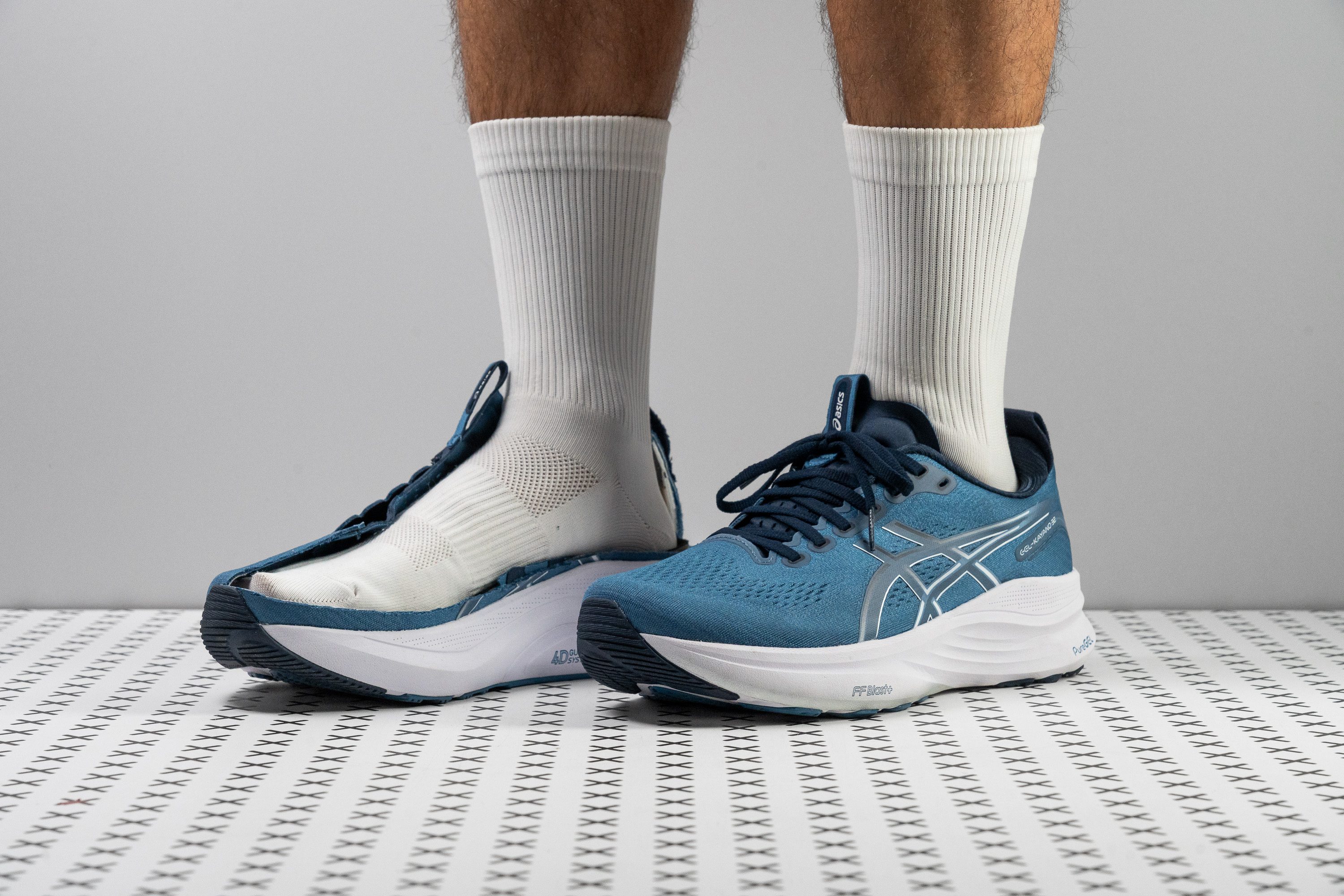
The ASICS Gel Kayano 32 is widely considered one of the best running shoes for flat feet and low arches. Its 4D Guidance System provides adaptive stability, meaning it only kicks in when your form begins to break down. This is particularly helpful for best stability running shoes for overpronation and ankle pain, as it prevents the Medial Post from feeling too rigid during the early miles of a run.
Technical Specs: Comparing Stack Height, Drop, and Weight
When evaluating best running shoes, the numbers matter. Heel-to-Toe Drop—the difference in height between the heel and the forefoot—drastically changes how your foot interacts with the ground. A higher drop (8-12mm) is often better for those with Achilles issues, while a moderate drop (4-8mm) is frequently recommended for plantar fasciitis to encourage a more neutral strike.
| Shoe Model | Weight (Men's 9) | Heel-to-Toe Drop | Stack Height | Best For |
|---|---|---|---|---|
| Saucony Triumph 23 | 10.2 oz | 10mm | 42.3mm | Plantar Fasciitis |
| ASICS Gel Kayano 32 | 10.7 oz | 10mm | 40mm | Overpronation |
| Brooks Glycerin GTS 21 | 10.5 oz | 10mm | 38mm | Knee Pain |
| New Balance Fresh Foam 1080 | 9.2 oz | 6mm | 38mm | High Arches |
| Hoka Bondi 8 | 10.8 oz | 4mm | 39mm | Maximum Cushion |
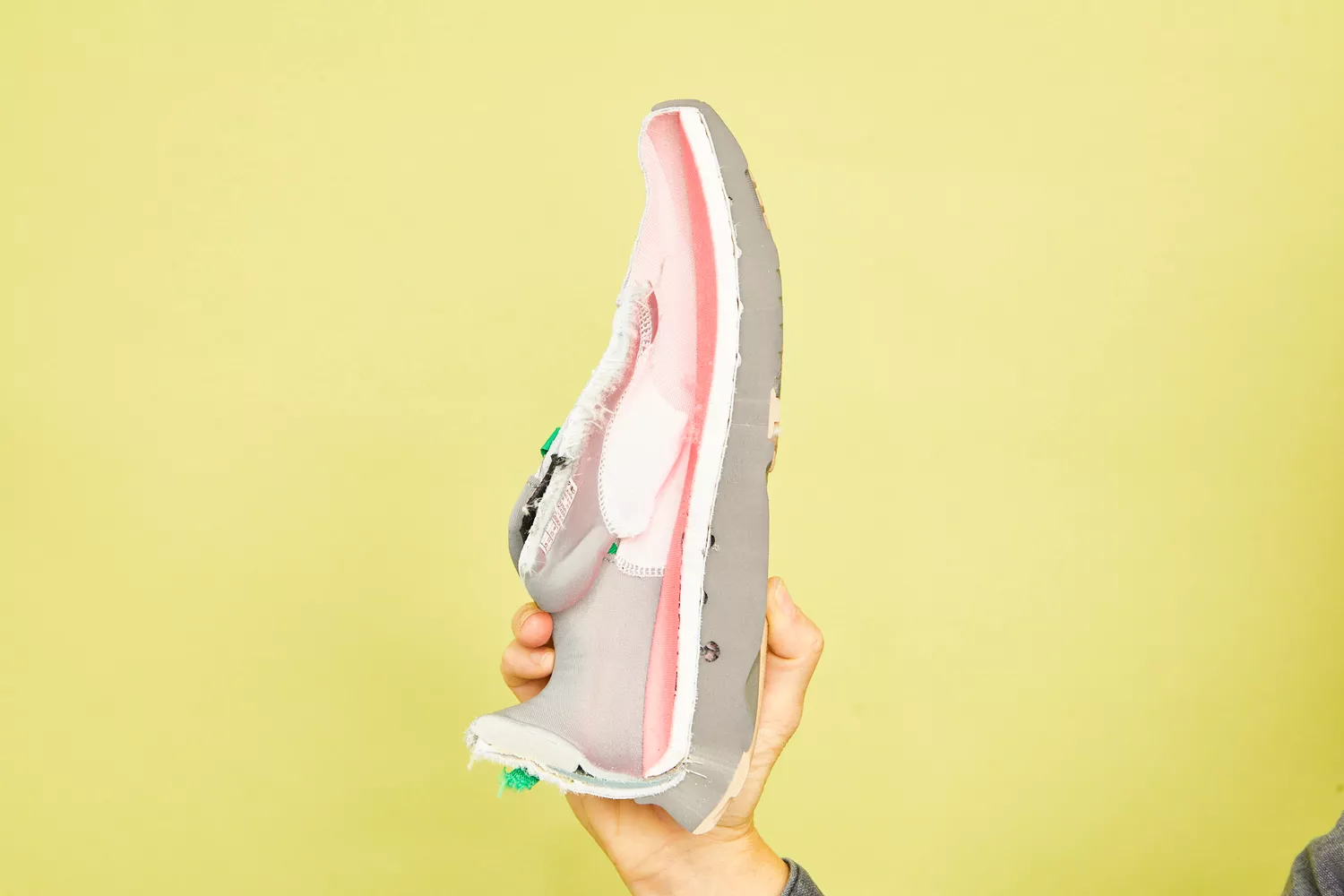
Torsional rigidity is another factor often overlooked. If you can easily twist a shoe like a wet rag, it likely won't provide the arch protection you need. A quality midsole should offer enough flexibility at the forefoot for toe-off while remaining stiff through the midfoot to protect the arch.
Maintenance: How to Tell if Your Running Shoes are Causing Foot Pain
Even the most expensive stability running shoes for overpronation have an expiration date. Typically, you should replace your trainers every 300 to 500 miles. Beyond this point, the Midsole Foam loses its ability to rebound, and the internal structures that manage Biomechanics begin to collapse.
How to tell if your running shoes are causing foot pain? Check for these signs:
- The outsole tread is worn smooth in specific areas.
- You notice new aches in your shins or knees after a standard run.
- The midsole feels "dead" or shows visible compression wrinkles.
- The shoe no longer stands up straight when placed on a flat surface.
One of the best strategies for injury prevention is shoe rotation. Research indicates that runners who rotate between multiple pairs of running shoes have a 39% lower risk of injury compared to those who consistently train in a single pair. Rotating allows the foam in your shoes to fully decompress between runs, extending the life of your gear.
FAQ
How do I tell if my running shoes are worn out?
Look for uneven wear patterns on the outsole and compression lines in the midsole foam. If the cushioning feels firm rather than bouncy, or if you start experiencing unusual soreness in your feet and joints, it is time for a new pair. Most shoes reach their limit between 300 and 500 miles.
How do I know if I need neutral or stability shoes?
Perform the wet test to determine your Arch Height. If you have a high arch and your foot tends to roll outward (supinate), you need neutral shoes. If you have flat feet and your foot rolls inward (overpronate), stability shoes with motion control features are necessary to maintain alignment.
What are the best running shoes for flat feet?
The best options for flat feet are stability shoes that feature a medial post or support rails. These components prevent the arch from collapsing and the foot from rolling too far inward. Models like the ASICS Gel Kayano or Brooks Adrenaline GTS are industry standards for this foot type.
Should you buy running shoes a half size larger?
Yes, most experts recommend buying running shoes a half size larger than your casual shoes. During a run, your feet swell due to increased blood flow and impact. Having extra space in the Toe Box Width ensures your toes don't hit the front of the shoe, preventing black toenails and blisters.
Is it okay to wear running shoes for walking?
It is perfectly fine to wear running shoes for walking, as they offer excellent cushioning and support. However, keep in mind that walking puts different stresses on the shoe than running. If you use your primary running shoes for daily walking, you will reach that 300-500 mile replacement threshold much faster.