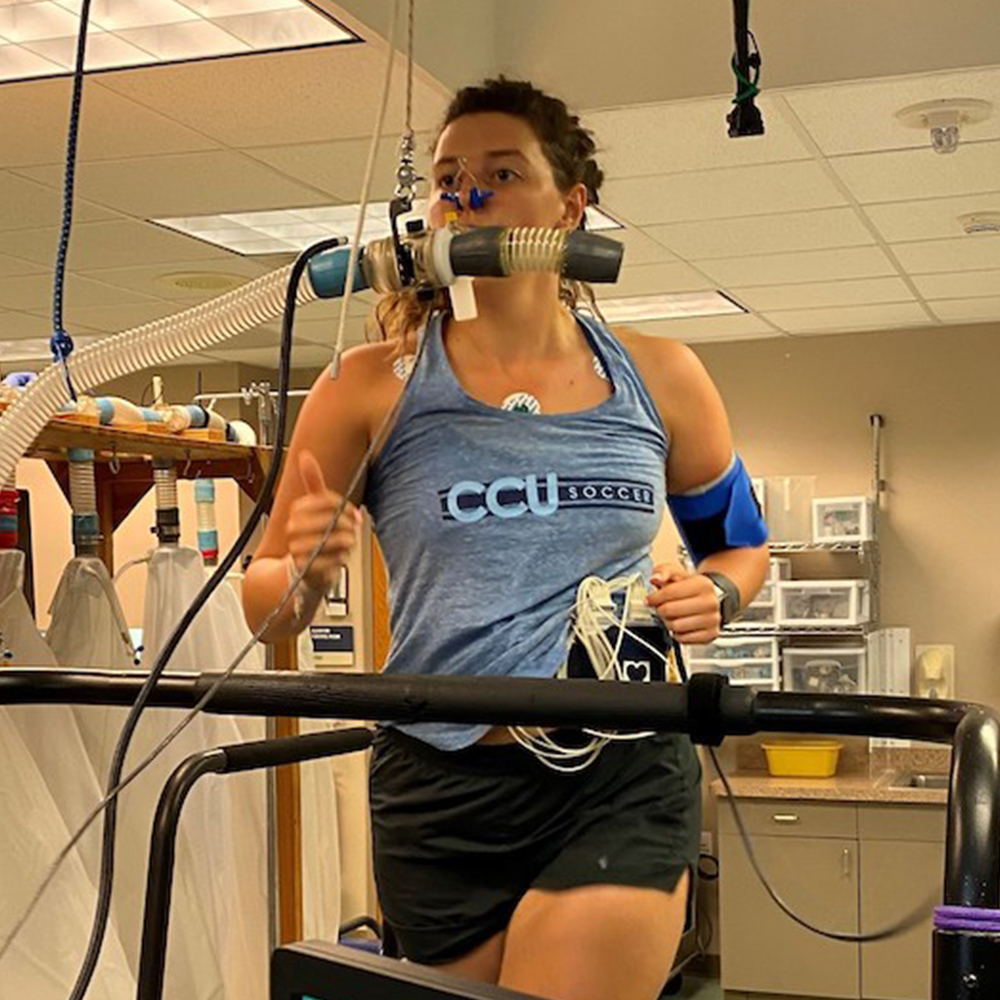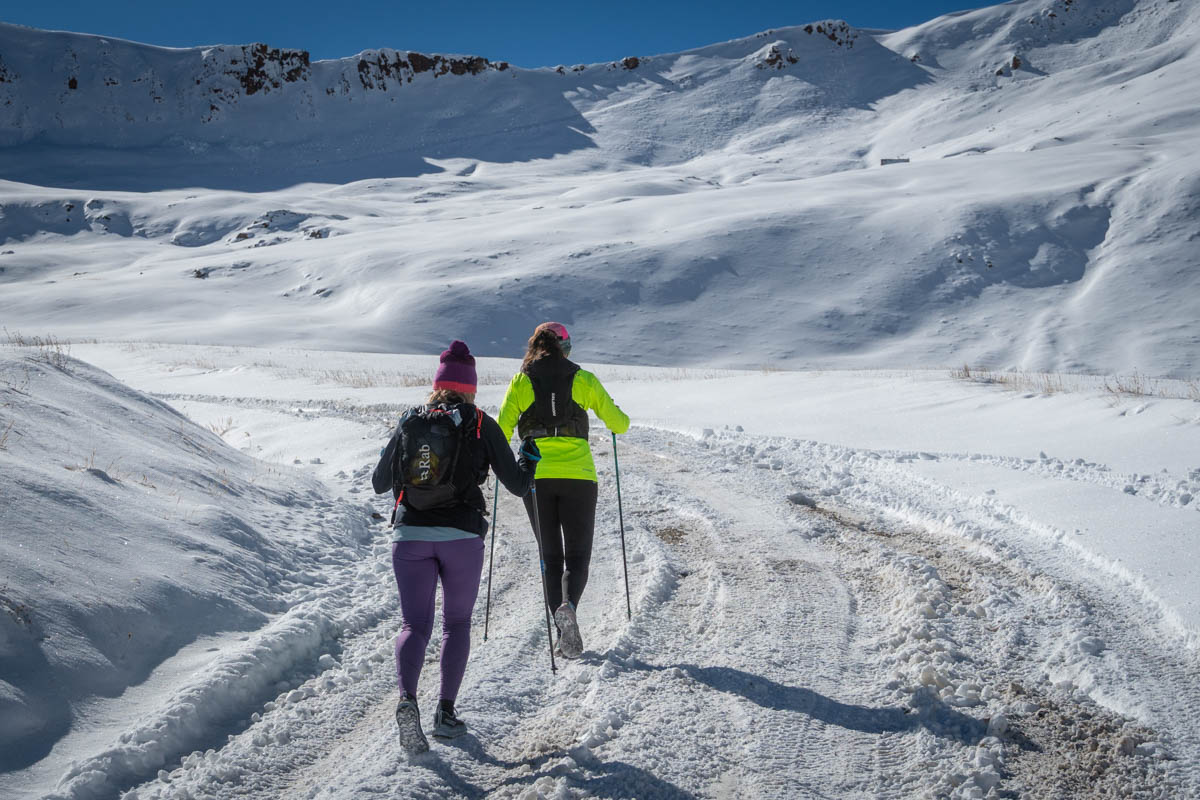
Quick Facts
- Metabolic Boost: Walking in temperatures between 15 and 23 degrees Fahrenheit can burn 34% more calories than walking in mild weather.
- Brown Fat Activation: Exposure to the cold activates brown adipose tissue, which can increase daily energy expenditure by an average of 79 calories.
- Vitamin D Window: The critical window for natural light synthesis is between 11 a.m. and 3 p.m., especially for those living near the 40th parallel.
- Immune Resilience: Regular walkers experience 43% fewer sick days compared to those who are sedentary during the winter months.
- Safety Cutoff: Medical organizations like the ACSM recommend moving workouts indoors when the wind chill factor hits -18°F.
- Layering Rule: Always dress as if the outdoor temperature is 10-20 degrees warmer than the actual reading to account for body heat generation.
Cold weather walking offers significant physiological benefits, including increased calorie burn through thermogenesis and the activation of brown adipose tissue. Stepping outside in winter also provides exposure to natural light, which can help regulate circadian rhythms, boost endorphin levels, and mitigate symptoms of Seasonal Affective Disorder while improving overall metabolic health.
The Biological Advantage: Why Cold Beats the Gym
When the temperature drops, most athletes instinctively head for the climate-controlled comfort of a gym. However, from a performance and metabolic standpoint, you are leaving significant gains on the table by avoiding the frost. The primary driver of this advantage is a process called thermogenesis. When your body is exposed to cold, it must work harder to maintain its core temperature, which naturally elevates your metabolic rate.
The results are backed by rigorous data. Research involving hikers in Wyoming demonstrated that walking in temperatures between 15 and 23 degrees Fahrenheit can burn 34 percent more calories than walking in temperatures in the mid-50s. This isn't just about shivering; it is about the conversion of energy into heat. One of the most fascinating components of this process is the role of brown adipose tissue, often referred to as brown fat. Unlike white fat, which stores energy, brown fat is metabolically active and burns calories to generate warmth.
Studies show that the activation of brown adipose tissue through regular cold weather exposure can increase an individual's daily energy expenditure by an average of 79 calories. Over a winter season, this cumulative benefits of walking in the cold for calorie burn can lead to significant changes in body composition without increasing workout duration. Furthermore, cold exposure has been linked to mitochondrial biogenesis—the creation of new mitochondria—which enhances cellular energy production and provides a biological anti-aging effect. There is also the benefit of lowered inflammation, as the cold acts as a natural recovery tool for your joints and muscles, much like a low-intensity ice bath.
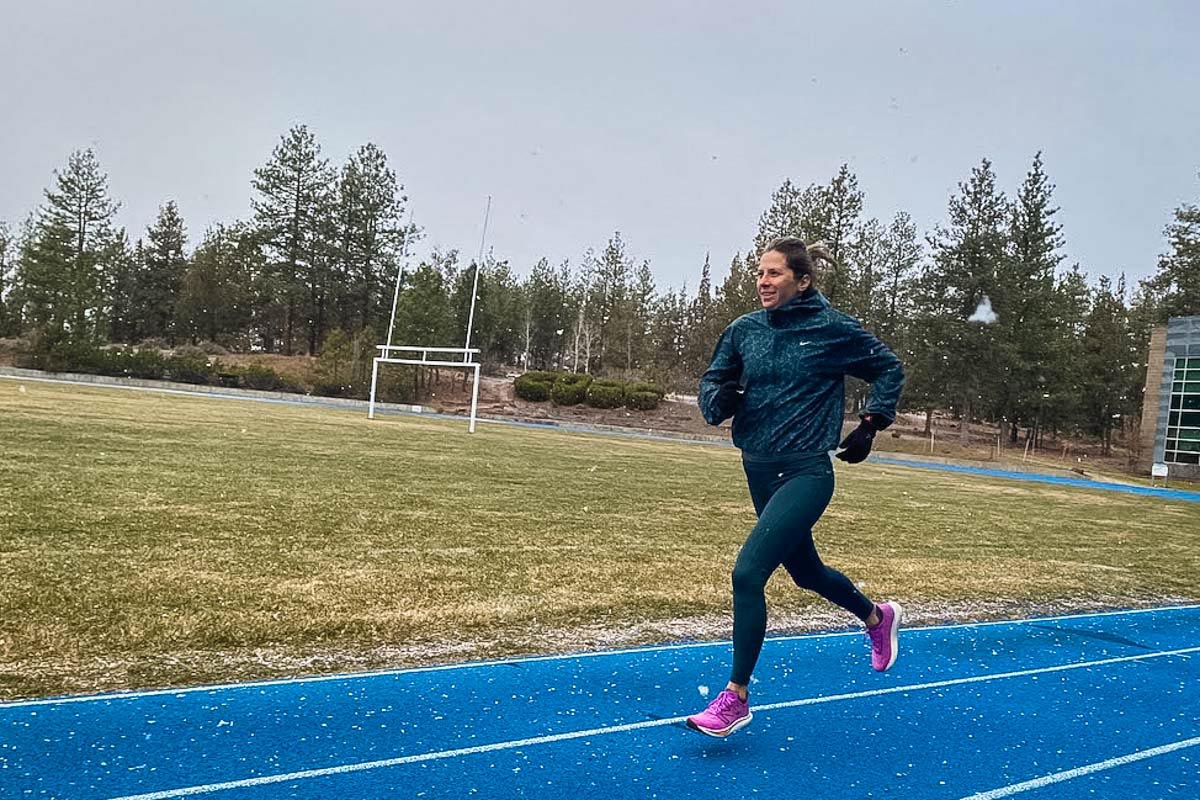
The Winter Sun Protocol: Vitamin D and Mental Health
The physiological benefits are only half of the story. Winter is notorious for its impact on mental performance and mood. Seasonal Affective Disorder is a legitimate clinical condition driven by a lack of natural light, which disrupts our internal clock. Engaging in cold weather walking serves as a direct intervention for these symptoms.
For those living north of the 40th parallel—an imaginary line running roughly through Philadelphia, Indianapolis, Boulder, and Reno—the angle of the sun during winter makes it difficult to synthesize Vitamin D. However, maximizing exposure is still critical for maintaining vitamin D levels with winter walking and ensuring proper circadian rhythm alignment. The goal is to time your walks for midday, specifically between 11 a.m. and 3 p.m. This is when the UV rays are strongest and your potential for light absorption is at its peak.
This exposure triggers a significant endorphin release, providing a natural high that combats the winter blues. Even on overcast days, the lux levels outdoors are significantly higher than anything you will find under artificial gym lighting. By getting outside, you are signaling to your brain that it is daytime, which helps regulate melatonin production at night, leading to better sleep quality and higher energy levels the following morning.

Tactical Gear: The Three-Layer System and the 10-20 Rule
In my years as an editor, I have found that the biggest barrier to winter training isn't the cold itself—it is poor equipment choices. If you dress incorrectly, you will either freeze or overheat, both of which end a workout prematurely. To stay functional, you must utilize a three layer clothing system for winter walking that manages moisture and traps heat strategically.
The most common mistake is wearing cotton. Cotton absorbs sweat and holds it against your skin, which can lead to a rapid drop in body temperature once you stop moving. You must prioritize moisture-wicking fabrics for your base layer to keep the skin dry.
| Layer | Recommended Material | Function |
|---|---|---|
| Base Layer | Polyester, Merino Wool | Wicks moisture away from the skin |
| Mid Layer | Fleece, Synthetic Down | Traps heat and provides insulation |
| Shell Layer | Nylon, Gore-Tex | Blocks wind, rain, and snow |
A vital guideline for selecting your cold weather exercise gear is the 10-20 degree rule: dress as if it is 10 to 20 degrees warmer than it actually is. You want to feel a slight chill when you first step out the door. Within ten minutes of movement, your body heat will rise, and you will reach a comfortable equilibrium. If you are warm the moment you step outside, you will likely overheat and become damp with sweat, increasing your risk of a chill later in the walk.
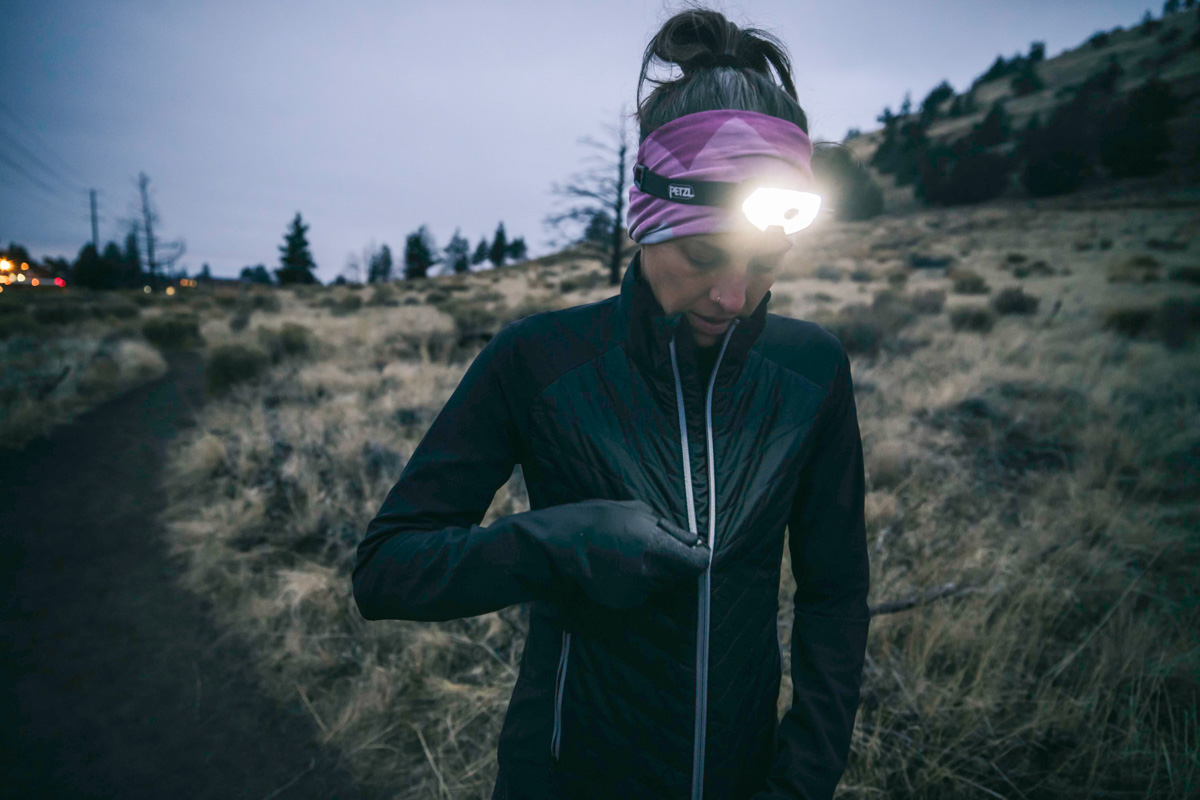
Winter Safety: Traction and Wind Chill Limits
While the benefits are immense, safety remains the priority. Walking on frozen surfaces requires a different mechanical approach than summer trekking. To prevent injuries, you should adopt a shorter stride length and keep your center of gravity directly over your feet. This "penguin walk" reduces the horizontal force that causes slips on black ice.
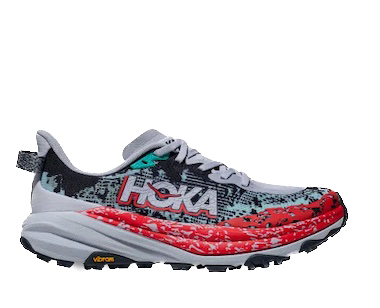
Choosing the best winter walking shoes for traction on snow is essential. Look for outsoles with at least 5mm lugs for deep snow. However, lugs are not effective on sheer ice. In those conditions, you need carbide-tipped traction aids or cleats that can be attached to your existing footwear.
| Surface Condition | Recommended Footwear Feature |
|---|---|
| Fresh or Packed Snow | Deep 5-6mm rubber lugs |
| Icy Sidewalks | Steel spikes or carbide cleats |
| Wet Slush | Waterproof membrane (Gore-Tex) |
Before you even step outside, you should perform dynamic warm up routines for cold weather walking inside your home. Five minutes of leg swings, arm circles, and high knees will increase blood flow to your extremities and make your muscles more supple. Cold air makes connective tissues more brittle, and starting from a dead stop increases the risk of strains.
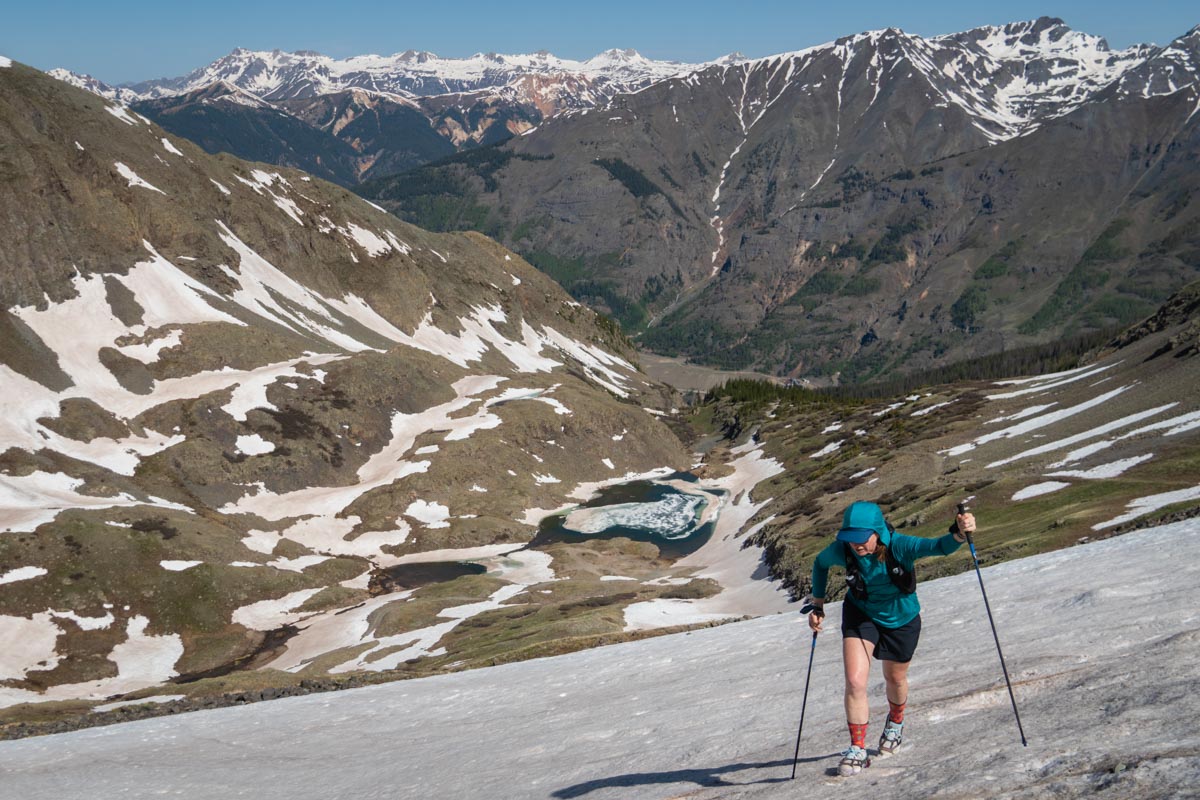
Finally, respect the environmental limits. The American College of Sports Medicine (ACSM) notes that the risk of frostbite prevention becomes a serious concern when the wind chill factor drops below -18°F. At these temperatures, exposed skin can freeze in 30 minutes or less. Always check the forecast for wind speed, not just the raw temperature.
The payoff for this preparation is a stronger immune system. According to a study of over 1,000 adults, those who walk at least 20 minutes a day, five days a week, have 43 percent fewer sick days than those who exercise once a week or less. Consistent movement in the fresh air is one of the best safe winter walking tips for staying out of the doctor's office.
FAQ
Is walking in cold weather good for you?
Yes, it is exceptionally beneficial for both metabolic and mental health. The cold environment forces your body to use more energy to maintain its core temperature, which enhances calorie burn and improves insulin sensitivity. Additionally, the exposure to natural light during winter walks is one of the most effective ways to regulate your mood and sleep-wake cycles.
How cold is too cold to walk outside?
For most healthy adults, the safety threshold is a wind chill factor of -18°F. At or below this temperature, the risk of frostbite to exposed skin increases significantly. If you have underlying cardiovascular or respiratory conditions, you should consult with a physician, as cold air can place additional stress on the heart and lungs.
What should I wear for walking in the cold?
You should follow a three-layer system. Start with a base layer of synthetic or merino wool to wick away sweat. Add an insulating mid-layer like fleece or a light down jacket to retain heat. Finish with a windproof and water-resistant shell to protect against the elements. Don't forget to protect your extremities with thermal socks, gloves, and a hat that covers your ears.
Does walking in cold weather burn more calories?
It does. Because of a process called thermogenesis, your body burns additional fuel to generate heat. Walking in temperatures near freezing can increase your calorie expenditure by up to 34% compared to walking in mild weather. Long-term exposure also helps build brown fat, which further raises your resting metabolic rate.
How do I protect my lungs when walking in cold air?
If the air feels "sharp" or causes coughing, wear a scarf or a breathable neck gaiter over your mouth and nose. This helps pre-warm and humidify the air before it reaches your lungs. Keeping your pace moderate rather than high-intensity can also reduce the volume of cold air you are inhaling, making the experience more comfortable for your respiratory system.