Quick Facts
- The 2% Threshold: Physical performance and technical accuracy begin to decline once you lose 2% of your body mass.
- The 150% Rule: To recover fully, aim to consume 1.5 liters of fluid for every 1 kilogram of weight lost during training.
- The Golden Window: Rehydration is most effective when started immediately and completed within 2 hours post-exercise.
- Primary Indicator: Pale straw-colored urine is the gold standard for verifying achieved homeostasis.
- Critical Mineral: Sodium is the primary electrolyte needed to maintain blood volume and prevent muscle cramps.
- Pre-Session Risk: Statistics show more than half of professional athletes start their workouts in a dehydrated state.
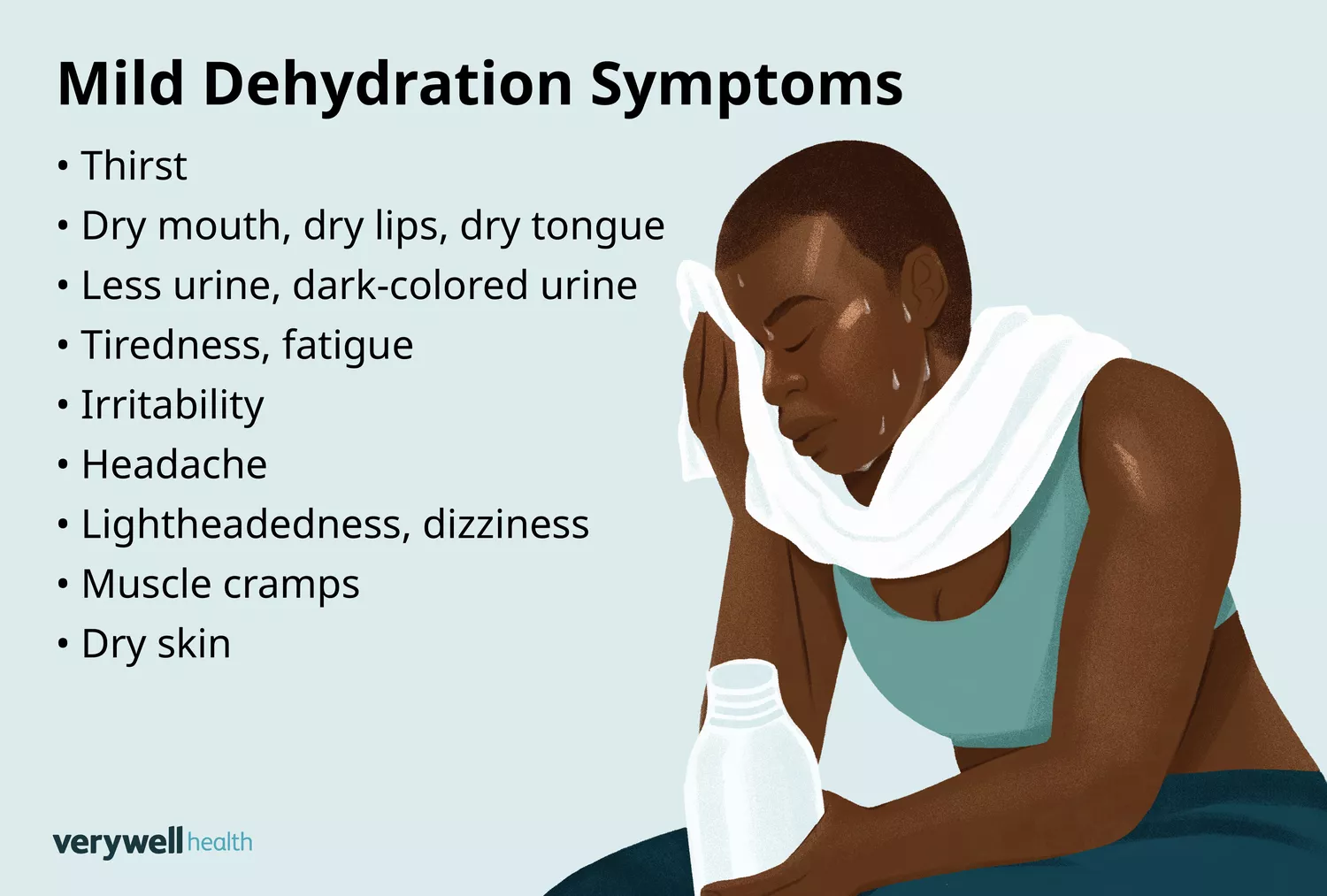
Athlete performance hinges on fluid balance. Recognizing dehydration symptoms in athletes early is key to preventing heat exhaustion and maintaining peak power. Early dehydration symptoms in athletes include a dry or sticky mouth, reduced urination, and dark-colored urine. As fluid loss progresses, athletes may experience physical indicators such as muscle cramps, headaches, and dizziness upon standing. Monitoring these signals alongside sweat rate is essential for maintaining blood volume and thermoregulation during intense training sessions.
Early Warning Signs of Dehydration in Endurance Athletes
In the world of elite training, waiting until you are thirsty to drink is a rookie mistake. Thirst is a lagging indicator; by the time your brain signals the need for water, your physiological systems are already under stress. For endurance athletes, maintaining fluid balance is a constant battle against the clock and the environment. When you are pushing through a long-distance run or a high-intensity cycling session, the first signs of trouble are often subtle.
You might notice a slight increase in your perceived exertion—the same pace that felt easy twenty minutes ago now feels like a grind. This happens because as blood volume drops, your heart has to work harder to pump blood to both your working muscles and your skin for cooling. Research shows that athletic performance and cognitive function begin to decline significantly when an athlete loses as little as 2% of their body weight due to fluid deficit.
Beyond perceived effort, you must keep a close eye on your urine color. Interpreting urine color for athlete hydration status is one of the most practical tools in your arsenal. If your urine looks like apple juice rather than pale straw, your kidneys are working overtime to conserve water. Furthermore, a dry or "tacky" mouth is a clear signal that your salivary glands are slowing down to preserve core fluids. It is also alarming to note that approximately 56% of professional athletes and 70% of collegiate athletes are already dehydrated prior to commencing their training sessions. Starting in a hole makes it nearly impossible to maintain thermoregulation as the workout intensifies.
Physical Progression: Identifying Muscle Cramps and Fatigue
As fluid loss moves from mild to moderate, the symptoms become impossible to ignore. This is where physical indicators like muscle cramps often take center stage. Contrary to popular belief, cramps aren't just about a lack of water; they are frequently caused by significant sodium loss through sweat. When your electrolyte balance is disrupted, your neuromuscular junctions become hyperexcitable, leading to those painful, involuntary contractions that can end a race prematurely.
If you ignore the early warning signs of dehydration in endurance athletes, you risk hitting a wall that no amount of mental toughness can overcome. At this stage, your body's ability to dissipate heat fails. When dehydration levels exceeding 5% of body weight occur, it can decrease an athlete's exercise performance capacity by approximately 30%.
To help you distinguish between the different stages of fluid loss, use the following table as a field guide for your next session:
| Severity | Physical Indicators | Cognitive & Systemic Signs |
|---|---|---|
| Mild | Dry mouth, slight thirst, darker urine | Increased focus on the sensation of thirst |
| Moderate | Muscle cramps, headache, reduced sweat rate | Irritability, mental fatigue, dizziness |
| Severe | No urination, rapid heart rate, cold skin | Confusion, loss of coordination, fainting |
A particularly dangerous sign to watch for is orthostatic hypotension—that sudden wave of dizziness you feel when standing up quickly after a set. This indicates a significant drop in blood volume, suggesting that your heart is struggling to maintain adequate pressure. If you are identifying muscle cramps caused by dehydration along with this lightheadedness, it is time to stop training and begin a structured recovery protocol immediately to avoid heat exhaustion.
Cognitive Effects of Dehydration on Sports Performance
We often focus on the muscles, but the brain is arguably the organ most sensitive to fluid shifts. Dehydration significantly impacts cognitive performance in sports, leading to symptoms like confusion, mental fatigue, and reduced acuity. These neurological signs often stem from decreased blood flow to the brain and electrolyte imbalances. In sports that require high-level technical skills—such as basketball, soccer, or tennis—the cognitive effects of dehydration on sports performance can be the difference between a win and a loss.
When you are dehydrated, your decision-making speed slows down. You might miss an open pass or fail to react to a defender's movement. This "brain fog" is a result of the brain's attempt to maintain homeostasis under high thermal stress. A core temperature rise often accompanies fluid loss, which can impair executive function. Recognizing lethargy or impaired decision-making early can prevent more serious conditions like heat exhaustion or severe electrolyte depletion.
Mental acuity is not just about staying sharp; it is about safety. A dehydrated athlete is more prone to traumatic injuries because their coordination and reaction times are compromised. If you find yourself struggling to remember your coach's instructions or feeling unusually frustrated by minor setbacks, these are cognitive signs of dehydration in sports that demand an immediate fluid intervention.

Post Exercise Rehydration Protocol for Recovery
Once the workout is over, the clock starts on your athlete hydration recovery plan. The goal is not just to "drink some water," but to restore the precise balance of fluids and electrolytes lost during exertion. An effective athlete hydration recovery plan involves restoring fluid and electrolyte balance immediately after exercise. This includes consuming isotonic drinks or oral rehydration salts to replace lost sodium and potassium minerals.
The industry standard for rapid recovery is the 150% Rule. Since you continue to lose fluid through sweat and urination even after you stop exercising, you need to consume 1.5 times the amount of weight you lost. For example, if you weigh yourself before and after a session and find you have lost 1 kilogram, you should aim to drink 1.5 liters of fluid over the next two to four hours.
However, do not make the mistake of chugging massive amounts of plain water. This can lead to hyponatremia, a dangerous condition where sodium levels in the blood become too diluted. Instead, use isotonic drinks that match the osmolality of your blood. These drinks utilize sodium-glucose cotransport, which helps your small intestine absorb water much faster than plain water alone. This approach ensures that you are restoring blood volume efficiently and facilitating optimal muscle recovery.
How to Check Hydration Levels After Workout
To move from guesswork to professional-level training, you need to implement objective monitoring. Knowing how to check hydration levels after workout is a fundamental skill for any serious athlete. The most accurate home-based method is the weigh-in/weigh-out process. By tracking weight changes, you can calculate your specific sweat rate for different environments and intensities.
- Pre-Workout Weigh-In: Weigh yourself without clothes before starting your session.
- Post-Workout Weigh-In: Towel off all sweat and weigh yourself again immediately after finishing.
- Calculate the Deficit: Subtract your post-workout weight from your pre-workout weight.
- Account for Intake: Add the volume of any fluids you consumed during the workout to the total loss.
Beyond the scale, you can use more advanced tools like sweat patches, which analyze the sodium concentration of your perspiration. This helps you customize your rehydration protocols for athletes based on whether you are a "salty sweater" or not. Additionally, using tools like urine color charts helps ensure homeostatic balance is restored for optimal muscle recovery and physical performance. If you are still seeing dark urine four hours after your session, your post exercise rehydration protocol for recovery needs to be more aggressive.

FAQ
What are the first signs of dehydration in athletes?
The earliest red flags usually include a dry or sticky mouth, a noticeable increase in thirst, and a decrease in urination frequency. Athletes may also notice that their urine is darker than usual, often resembling the color of apple juice or tea. Another subtle sign is an increase in the rating of perceived exertion (RPE), where a standard workout feels significantly more difficult than normal.
How does dehydration affect sports performance?
Dehydration causes a cascade of physiological failures. As fluid is lost, blood volume decreases, which reduces the amount of blood the heart can pump to the muscles. This leads to premature fatigue and a decrease in aerobic capacity. Furthermore, as the body struggles to sweat, core temperature rises, increasing the risk of heat-related illnesses and causing technical skills—like shooting or sprinting mechanics—to degrade rapidly.
Can dehydration cause muscle cramps and fatigue?
Yes, dehydration is a primary driver of both muscle cramps and systemic fatigue. While the exact mechanism of cramping is complex, the loss of fluid and essential electrolytes like sodium can cause nerves to misfire, leading to intense muscle spasms. Fatigue sets in as the body prioritizes core temperature regulation and vital organ function over athletic performance, effectively "throttling" your power output to prevent internal damage.
How can athletes tell if they are properly hydrated?
The most reliable way to gauge hydration is the WUT method: Weight, Urine, and Thirst. If your body weight is stable compared to the previous day, your urine is a pale straw color, and you do not feel thirsty, you are likely well-hydrated. Monitoring these three indicators together provides a more accurate picture than relying on any single one alone.
How long does it take for an athlete to rehydrate?
When following a proper rehydration protocol that includes electrolytes and carbohydrates, most athletes can restore fluid balance within 2 to 4 hours. However, if the dehydration was severe (losing more than 5% of body weight), it may take up to 24 hours of consistent fluid intake and balanced meals to fully return to homeostasis and ensure the muscles are ready for the next training session.