Quick Facts
- Methodology: Utilizes a 5-zone physiological framework to dictate training intensity.
- Optimal Balance: Recommends a 75/25 split between aerobic and anaerobic work for peak performance.
- Primary Metric: Prioritizes Heart Rate Reserve (HRR) over simple age-based formulas for better accuracy.
- Health Standards: Aligns with major health organizations recommending at least 150 minutes of moderate-intensity aerobic activity per week.
- Core Goal: Maximizing metabolic efficiency and VO2 max while ensuring proper recovery through data.
- Safety Standard: Incorporates PAR-Q screening to ensure individuals are cleared for high-intensity efforts.
Heart rate training involves using specific intensity zones, calculated as percentages of your maximum heart rate, to target distinct physiological adaptations. These zones range from low-intensity aerobic recovery to high-intensity anaerobic efforts. By monitoring beats per minute, individuals can ensure they are training at the correct intensity to improve cardiovascular fitness, metabolic efficiency, and overall endurance.
Understanding the 5 Cardio Intensity Zones
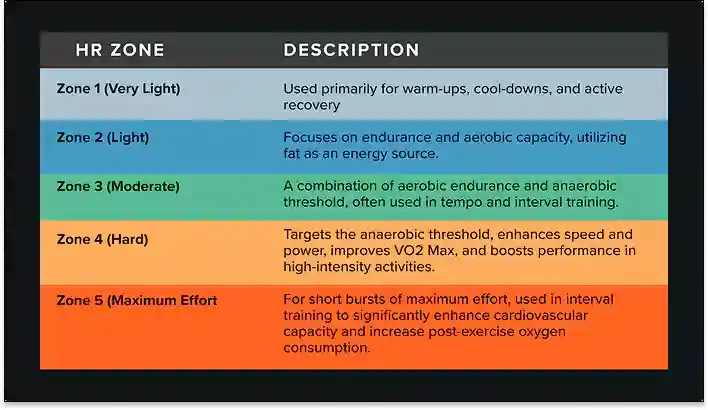
To master heart rate training, you must first understand that not all miles are created equal. Your body responds differently to exercise depending on how fast your heart is beating. We categorize these responses into five distinct cardio intensity zones. Each zone triggers a specific biological response, from burning fat to increasing your top-end speed.
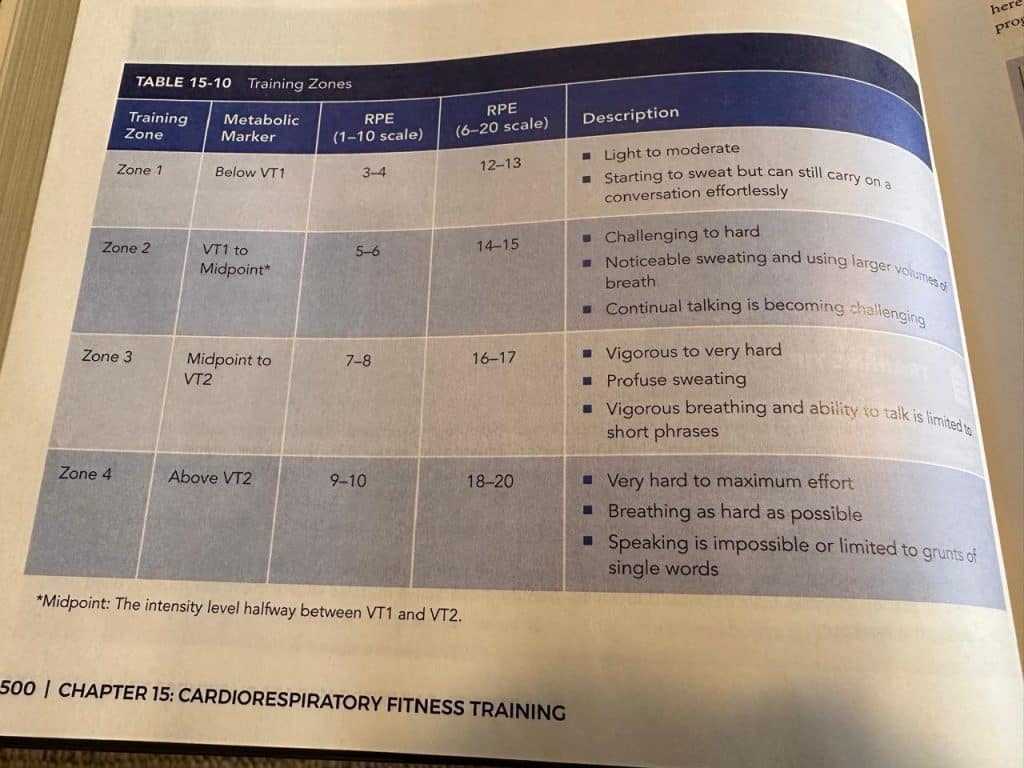
- Zone 1: Very Light (50–60% of Max HR) This is the recovery zone. It feels like a brisk walk where you can easily sing a song. It enhances blood flow and helps flush out lactic acid without adding significant fatigue.
- Zone 2: Light (60–70% of Max HR) The benefits of low intensity zone 2 cardio for endurance are unmatched. This is where Mitochondrial Adaptation happens, teaching your body to become a more efficient fat-burning machine. You should be able to hold a full conversation comfortably.
- Zone 3: Moderate (70–80% of Max HR) Often called the aerobic zone, this improves your Cardiorespiratory Fitness and overall aerobic capacity. You can still talk, but only in short sentences.
- Zone 4: Hard (80–90% of Max HR) This is the anaerobic zone. Improving VO2 max with zone 4 heart rate training is highly effective because it pushes your Lactate Threshold. Your breathing will be heavy, and talking is limited to one or two words.
- Zone 5: Maximum (90–100% of Max HR) Reserved for short bursts of speed, this zone develops peak power. This is your "all-out" effort where speaking is impossible.
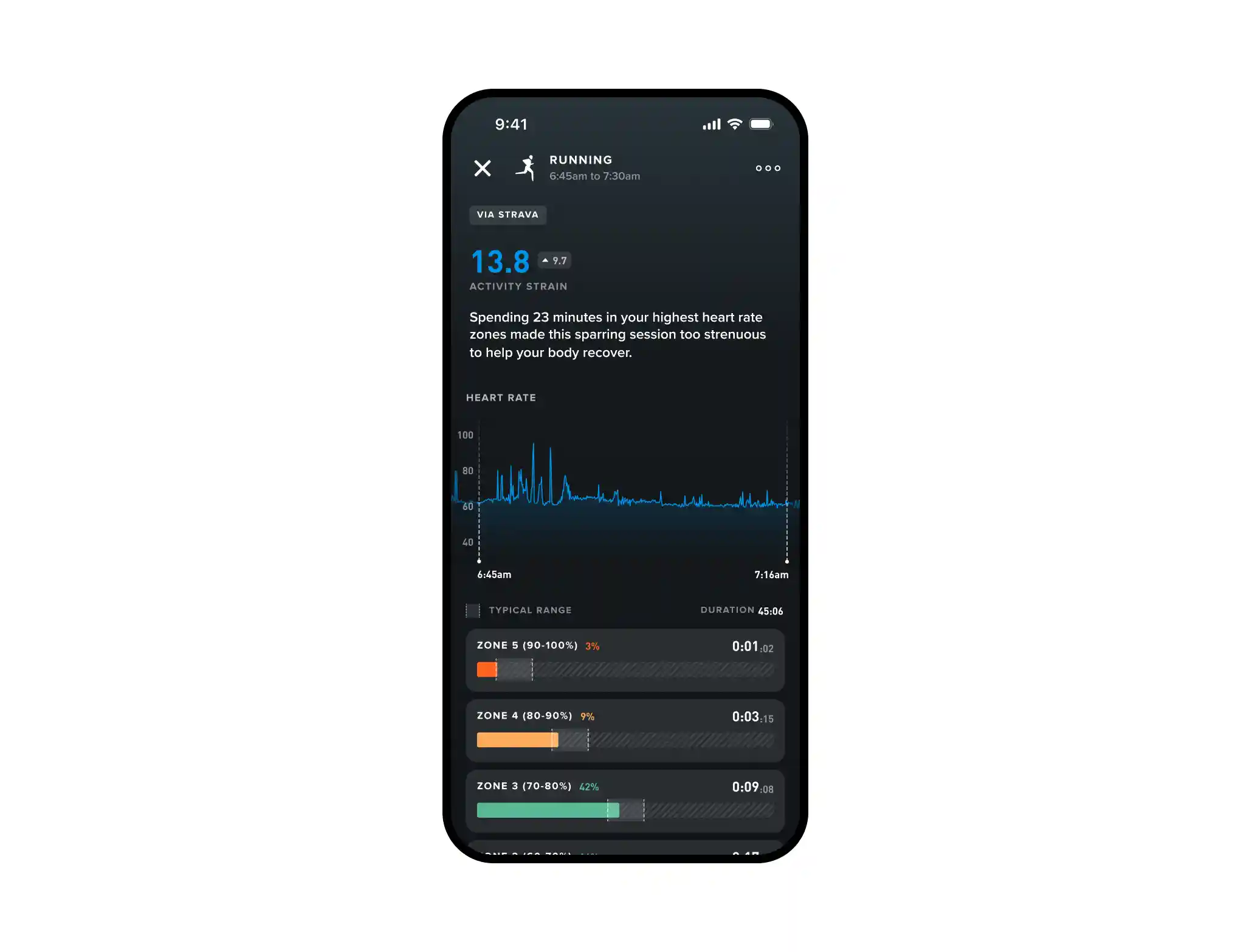
Training across these aerobic and anaerobic zones ensures that you aren't just "working out," but rather applying a specific stimulus to achieve a specific result. Many athletes fall into the trap of training too hard on easy days and too easy on hard days, a mistake that leads to Metabolic Efficiency plateaus.
How to Personalize Your Target Heart Rate for Exercise
The old-school method of subtracting your age from 220 is a starting point, but it is often inaccurate for serious training. To truly optimize your performance, you need to calculate your target heart rate for exercise using a more personalized approach. This begins with identifying your Resting Heart Rate—best measured first thing in the morning—and your actual maximum heart rate.
A more precise tool is the Karvonen Formula. This method factors in your Heart Rate Reserve (HRR), which is the difference between your peak heart rate and your resting rate. This provides a more accurate reflection of your current fitness level and ensures your zones aren't set too high or too low.
The Karvonen Calculation Box
- Calculate Max HR: 220 - Age (or use a field test for better accuracy).
- Determine Resting Heart Rate (RHR): Your BPM (Beats Per Minute) at rest.
- Find Heart Rate Reserve (HRR): Max HR - RHR.
- Calculate Training Zone: (HRR × % Intensity) + RHR.
For anyone starting a beginners guide to heart rate monitor training, this formula is the gold standard. It adjusts as you get fitter. As your resting heart rate drops due to improved cardiovascular health, your training zones will shift, allowing you to maintain the same physiological stimulus even as you become more athletic.
The 75/25 Strategy: Optimizing Your Weekly Volume
The most common mistake in fitness is the "black hole" of moderate-intensity training. This occurs when you spend all your time in Zone 3—too hard to recover, but too easy to build true speed. To fix this, I recommend a pyramidal training approach. Sports cardiologists suggest that approximately 80% of weekly workouts should be performed at low intensity, with the remaining 20% dedicated to high-intensity efforts.
For most recreational athletes, a 75/25 strategy is more practical. This means spending 75% of your time in Zone 1 and Zone 2 to build a massive aerobic base. Research shows that training in Zone 2, which corresponds to 60% to 70% of an individual's maximum heart rate, is optimal for fat oxidation and long-term endurance. The remaining 25% of your week should focus on high-intensity threshold or maximal zones.
This balance is crucial for Overtraining Prevention. High-intensity sessions, such as when you hit your target heart rate for high intensity interval training, place significant stress on the central nervous system. By keeping the majority of your volume at a lower intensity, you allow your body to recover while still reaping the rewards of metabolic training. When comparing aerobic vs anaerobic heart rate zones for runners, the goal is to build the engine at low speeds so you have the capacity to perform when the intensity ramps up.
Monitoring Progress: Wearables and Recovery
We live in an age of unprecedented data access. Modern Wearable Fitness Sensors have moved beyond simple pulse counting. While chest straps remain the most accurate for high-intensity intervals because they measure electrical signals from the heart, wrist-based optical sensors are excellent for all-day monitoring and steady-state cardio.
Beyond your active BPM (Beats Per Minute), you should be tracking heart rate variability for monitoring workout recovery. Heart Rate Variability (HRV) measures the variation in time between each heartbeat. A high HRV typically indicates that your nervous system is recovered and ready for a hard session, while a low HRV suggests you might need an extra rest day.
Using tech for heart rate training isn't just about the workout itself; it is about the 23 hours of the day when you aren't training. Monitoring how quickly your heart rate returns to normal after a sprint—your recovery heart rate—is one of the best indicators of a strengthening cardiovascular system.
FAQ
What are the 5 heart rate zones?
The 5 zones are physiological divisions based on a percentage of your maximum heart rate. Zone 1 is for very light recovery (50-60%). Zone 2 focuses on light aerobic endurance and fat burning (60-70%). Zone 3 is moderate tempo training (70-80%). Zone 4 is hard anaerobic threshold work (80-90%). Zone 5 is maximum effort and power (90-100%).
How do I calculate my target heart rate for training?
The most effective way is to use the Karvonen Formula. First, find your maximum heart rate (roughly 220 minus your age) and your resting heart rate. Subtract the resting rate from the max rate to find your heart rate reserve. Multiply that reserve by your desired intensity percentage, then add your resting heart rate back to the result to find your target BPM.
What are the benefits of zone 2 heart rate training?
Zone 2 training is essential for building an aerobic base. It promotes mitochondrial growth, improves the body's ability to use fat as a primary fuel source, and enhances overall endurance without overtaxing the nervous system. It allows for high-volume training with minimal recovery time compared to high-intensity work.
How do I determine my maximum heart rate?
While the 220-age formula is a common estimate, it can be off by as much as 10-12 beats. For a more accurate reading, many athletes perform a field test, such as a graded treadmill test or a series of hill sprints while wearing a heart rate monitor, to observe the highest number their heart can safely reach. Always consult a physician before attempting a max heart rate test.
Is heart rate training suitable for beginners?
Yes, it is one of the best tools for beginners because it prevents the common mistake of exercising too intensely too soon. By following heart rate zones, a beginner can ensure they are staying in a safe intensity range that promotes health and consistency while avoiding the burnout or injury often associated with "going too hard" every session.